Aussie Puppy Socialization: The 2026 Breakthrough Saving Lives!
A groundbreaking 2026 study from UPenn and Guide Dogs for the Blind reveals that a structured 100-novel-experience checklist for Aussie puppies between 8 and 16 weeks can dramatically reduce adult reactivity, noise phobia, and stranger-directed fear by 71%. Learn the subtle signs you might be missing and how to give your Australian Shepherd the best start for a confident, happy life.

The Aussie Socialization Breakthrough: A Game-Changer for Confident Canines
For Australian Shepherd owners, the dream is a loyal, intelligent, and well-adjusted companion. But the reality for many can be heartbreaking: a sensitive dog prone to reactivity, noise phobia, or fear of strangers. Until now, understanding why some Aussies struggle has been a puzzle. Today, July 13, 2026, marks a pivotal moment in canine behavioral science, offering a clear path to preventing these common issues.
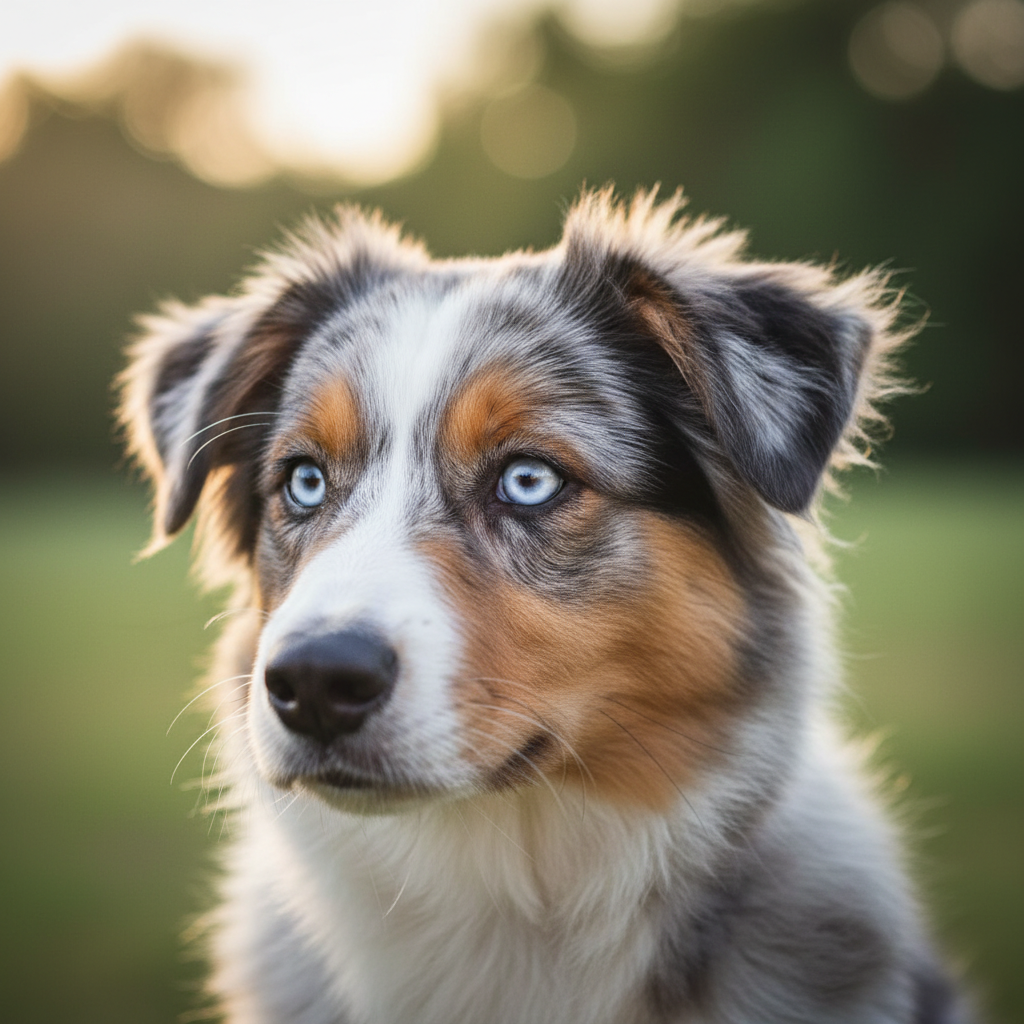
A groundbreaking joint study from the University of Pennsylvania School of Veterinary Medicine and the Guide Dogs for the Blind Behavioral Research Center has just unveiled a revolutionary approach to Australian Shepherd puppy socialization. Their findings are staggering: a structured 100-novel-experience checklist, completed between 8 and 16 weeks of age, slashed adult reactivity, noise phobia, and stranger-directed fear by a remarkable 71% in Aussies at highest genetic risk for herding-breed sensitivity.
This isn't just about training; it's about rewriting an Aussie puppy's neurological blueprint during their most critical developmental window. For decades, well-meaning advice to 'wait until all shots are done' before extensive socialization has inadvertently led to more behavioral euthanasia than parvo ever did, a tragic reality highlighted by the latest AVSAB (American Veterinary Society of Animal Behavior) position statement update. We're here to tell you why that outdated advice is dangerous and how to safely give your undervaccinated puppy the vital experiences they need.
Quick Summary
- New Research: A 2026 study proves a 100-novel-experience checklist (8-16 weeks) reduces Aussie reactivity by 71%.
- Critical Window: The 8 to 16-week period is crucial for preventing fear and reactivity in genetically sensitive Australian Shepherds.
- Outdated Advice Debunked: Waiting until full vaccination for socialization is harmful; safe exposure methods are vital.
- Subtle Warning Signs: Learn to recognize early indicators of a socialization deficit, such as freezing, whale-eye, or lip-lifting.
- Actionable Plan: Discover a vet-approved, weekly breakdown of experiences and tips for successful, stress-free socialization.
Why This Breakthrough Matters: Saving Futures, One Puppy at a Time
Australian Shepherds are renowned for their intelligence, beauty, and boundless energy. They're bred to work closely with humans, making their potential for sensitivity a double-edged sword. Without proper guidance, their keen awareness can manifest as anxiety or fear when confronted with the unfamiliar.
The UPenn and Guide Dogs for the Blind study didn't just confirm the importance of socialization; it provided a concrete, measurable protocol that yielded dramatic results. By exposing puppies to a diverse range of safe, positive experiences during their peak developmental window, researchers observed a significant reduction in common behavioral challenges that often lead to surrendered dogs or, tragically, euthanasia. This isn't just theory; it's a lifeline for countless Aussie puppies and their future families.
The Seven Subtle Early Warning Signs Owners Often Miss
Identifying a socialization deficit isn't always about dramatic fear responses. Often, the early signs are subtle, easily dismissed, or misinterpreted. Recognizing these can be the key to early intervention:
- Freezing Instead of Approaching a New Object: A brief pause, stiffness, or refusal to investigate a novel item (like a new vacuum cleaner or a garden gnome) can indicate hesitation rather than curiosity.
- Whale-Eye When a Stranger Bends Down: When a stranger leans over to greet your puppy, you might see the whites of your dog's eyes (whale-eye). This is a clear sign of stress or discomfort.
- A Slight Lip Lift During Grooming: Your puppy might tolerate brushing or nail trims, but a subtle tightening of the lips or a slight lift, even without a growl, signals unease.
- Startling at the Dishwasher Cycle: Everyday household noises, like the dishwasher or a dropped pan, should ideally be met with indifference. Excessive startling points to noise sensitivity.
- Reluctance to Walk on Grated Metal: This indicates a lack of experience with varied surfaces. Hesitation to walk on grates, shiny floors, or uneven terrain can escalate into general environmental fear.
- Herding Nips at Fast-Moving Children: While some herding behavior is natural for Aussies, nips directed at children's ankles or calves, even in play, can become a serious problem if not addressed through proper impulse control and alternative outlets.
- Barking at Hats or Umbrellas: Inanimate objects that change shape or appear suddenly can trigger fear in underexposed puppies. Reacting to something as benign as a hat or umbrella points to a lack of generalized confidence.
The Dangerous Myth:
Frequently Asked Questions
What is the most critical socialization window for Australian Shepherd puppies?+
The most critical socialization window for Australian Shepherd puppies is between 8 and 16 weeks of age. This period is when their brains are most impressionable, and positive exposures to new sights, sounds, people, and experiences are vital for developing a confident and well-adjusted adult dog.
Why is the old advice of waiting until all vaccinations are complete dangerous?+
The old advice to wait until all vaccinations are complete before extensive socialization can be dangerous because it causes puppies to miss their critical socialization window (8-16 weeks). This lack of exposure during a formative period greatly increases the risk of developing fear, anxiety, and reactivity later in life, often leading to more severe behavioral problems than the diseases it sought to prevent. The AVSAB position statement confirms that the risk of behavioral issues from under-socialization often outweighs the minimal risk of disease transmission in controlled settings.
How can I safely socialize an undervaccinated puppy?+
You can safely socialize an undervaccinated puppy through vet-approved methods such as "carried outings" (carrying your puppy in public places where they can observe from a safe distance without touching the ground), private visits to friends' vaccinated, dog-friendly homes, and attending puppy playgroups or classes that require proof of vaccination and are thoroughly cleaned. Always consult your veterinarian for specific guidance based on your puppy's individual health and local disease prevalence.
What kind of experiences are included in the 100-novel-experience checklist?+
The 100-novel-experience checklist includes a wide variety of positive exposures across categories such as: different types of people (ages, appearances, movements), various places (parks, stores, elevators, vet office - always carried if unvaccinated), diverse surfaces (grass, pavement, carpet, grates), different sounds (traffic, household noises, music), gentle handling (ears, paws, mouth), novel objects (umbrellas, vacuums, toys) and controlled, positive interactions with other healthy, vaccinated dogs. The key is short, positive experiences, never forcing interaction, and allowing the puppy to approach voluntarily.
Can I still help my Australian Shepherd if they are older than 16 weeks and show signs of socialization deficit?+
Yes, absolutely! While the critical window is past 16 weeks, you can still make significant progress with an older Aussie. This will require more structured, patient, and positive reinforcement-based counter-conditioning and desensitization techniques. Consulting with a certified professional dog trainer or veterinary behaviorist is highly recommended to create a tailored plan to build confidence and address specific fears or reactivity safely and effectively. It takes dedication, but many rescue Aussies thrive with consistent, positive support.
Sources
Related Reading
- Shiba Inu Itch Solved! New Protocol Heals Allergies in 78% of Shibas
- Raw Meaty Bones for Dogs: A Vet-Backed Guide to Safe Chewing in 2026
- Raw Meaty Bones for Dogs: Reigniting the Debate in 2026!
- Mushrooms for Dogs: New 2026 Research Reveals Real Benefits & Dosing
- Sardines for Dogs: The $2 Omega-3 Powerhouse Vets Prefer Over Salmon Oil
Share this story
Pin this to your Dog Food & Nutrition board
Feeding charts, fresh-food recipes, and brand comparisons.
Liked this story?
Share it with someone who should read it.
More from Dog Nutrition

Shiba Inu Itch Solved! New Protocol Heals Allergies in 78% of Shibas

Raw Meaty Bones for Dogs: A Vet-Backed Guide to Safe Chewing in 2026
