Sardines for Dogs: The $2 Omega-3 Powerhouse Vets Prefer Over Salmon Oil
Forget expensive salmon oil! In 2026, holistic veterinarians and nutritionists are buzzing about a humble, affordable alternative that’s packing more Omega-3 punch per dollar: sardines. This tiny tinned fish is quickly becoming the go-to supplement for boosting coat shine, joint health, and even mitigating itchy skin in dogs, especially active breeds like Border Collies. Read on to discover why wild-caught Pacific sardines in water are a game-changer for your dog’s health, crucial serving guidelines, and what to watch out for on the label.

Sardines for Dogs: The $2 Omega-3 Powerhouse Vets Now Rank Above Salmon Oil
Published: June 16, 2026
As a pet parent in 2026, you're constantly seeking the best for your furry companion. When it comes to canine nutrition, omega-3 fatty acids are practically a household name. For years, salmon oil has reigned supreme as the go-to supplement for everything from a lustrous coat to nimble joints. But what if we told you there's a more affordable, sustainable, and potentially even more effective option gaining serious traction with holistic vets? Enter the humble sardine.
This isn't just about saving a few dollars at the grocery store. This is about a seismic shift in expert opinion, driven by new research and a deeper understanding of nutrient bioavailability. We're talking about wild-caught Pacific sardines in water – a true nutritional marvel that delivers more EPA and DHA per dollar than almost any capsule on the market. From Border Collies to Beagles, active breeds and couch potatoes alike can benefit from this tinned treasure.
In this comprehensive guide, we'll dive deep into why sardines are becoming the preferred omega-3 source, debunk common myths about mercury and sodium, equip you to spot label traps like BHA/BHT, and reveal how easily you can incorporate this powerhouse into your dog’s weekly diet for transformative results.
Why the Shift Away from Salmon Oil?
For a long time, salmon oil was king. It's rich in EPA and DHA, crucial omega-3s that support everything from cognitive function to anti-inflammatory responses. However, concerns have mounted around several factors:
- Sustainability: Overfishing and questionable aquaculture practices have raised ethical and environmental red flags.
- Oxidation: Fish oils, especially bottled versions, are highly susceptible to oxidation when exposed to air and light. Oxidized oils can be pro-inflammatory and harmful rather than beneficial.
- Cost vs. Potency: While effective, high-quality salmon oil can be expensive, and the EPA/DHA content per dose isn't always as concentrated as one might hope.
- Purity: Sourcing matters. Contaminants can be an issue with some fish oil supplements.
Sardines, especially small, wild-caught varieties, sidestep many of these concerns. They are lower on the food chain, making them a more sustainable choice with significantly less mercury accumulation. Plus, they come in their natural form, often canned in water, which helps preserve their delicate fatty acids until consumed.
Quick Summary
- Sardines are the new omega-3 champion: Holistic vets increasingly prefer wild-caught Pacific sardines in water over salmon oil for superior EPA/DHA per dollar and better sustainability.
- Packed with nutrients: Beyond omega-3s, sardines offer calcium, phosphorus, Vitamin D, and B vitamins, supporting bone health, immunity, and energy.
- Safe mercury levels: Being small and short-lived, sardines have very low mercury content, making them safe for regular consumption.
- Sodium savvy: Opt for sardines packed in water with 'no salt added' or rinse if necessary to manage sodium intake for susceptible dogs.
- Beware of additives: Always check labels for BHA/BHT and other artificial preservatives; choose sardines in water or olive oil only.
The Nutritional Powerhouse Within a Tiny Tin
Sardines (specifically Sardina pilchardus or Sardinops sagax for Pacific varieties) are nutrient-dense powerhouses. A small tin isn't just about omega-3s; it's a complete nutritional package:
- Omega-3 Fatty Acids (EPA & DHA): The stars of the show. These anti-inflammatory powerhouses support joint health, skin and coat quality, cardiovascular function, brain health, and even immune response.
- Calcium & Phosphorus: Crucial for strong bones and teeth. Because sardines are eaten whole (bones included), they provide a fantastic natural source of these minerals in an ideal ratio.
- Vitamin D: Essential for calcium absorption and immune system regulation. Few foods naturally contain significant Vitamin D, making sardines particularly valuable.
- Vitamin B12: Vital for nerve function, red blood cell formation, and energy metabolism.
- Selenium: An important antioxidant that works synergistically with Vitamin E to protect cells from damage.
- Coenzyme Q10 (CoQ10): Supports cellular energy production and acts as an antioxidant.
This synergistic blend of nutrients makes sardines a truly holistic supplement, offering benefits that extend far beyond what a single extracted oil can provide.
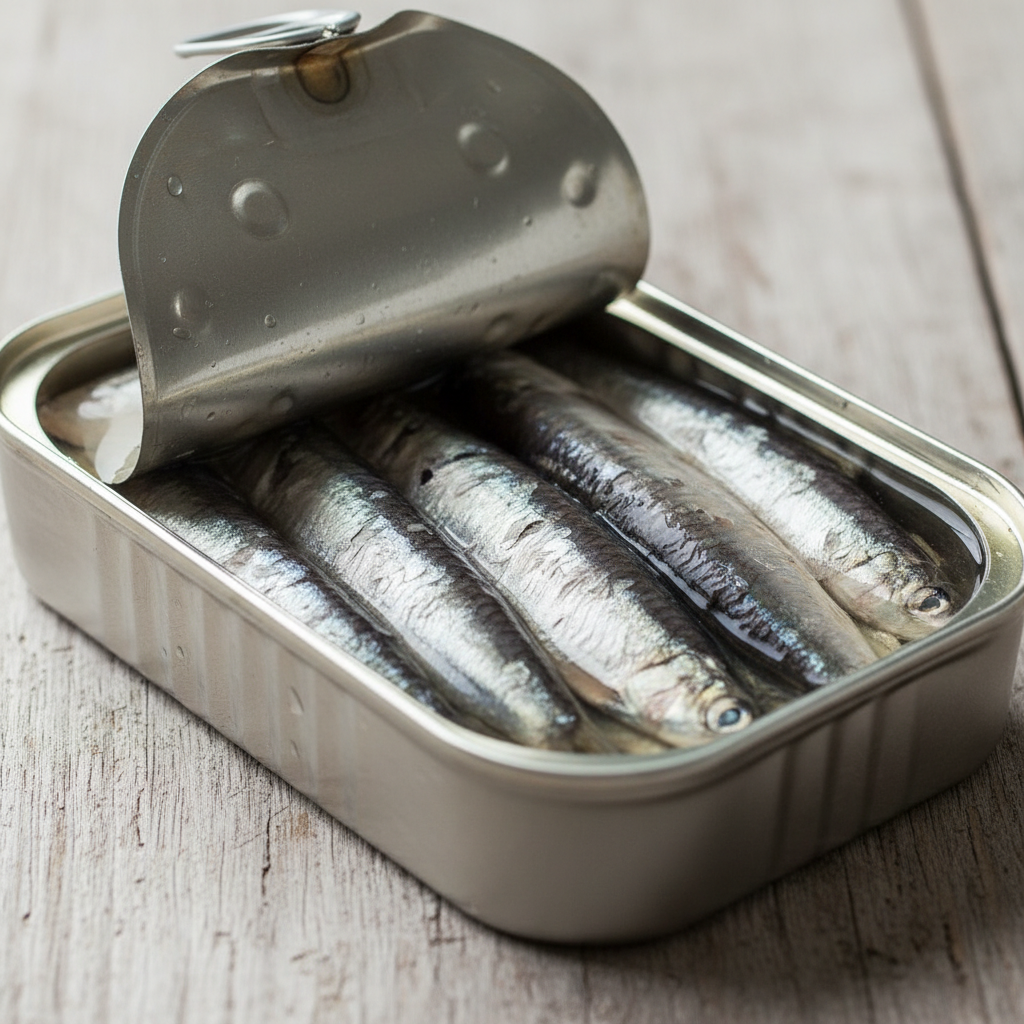
Why Wild-Caught Pacific Sardines in Water (or Olive Oil) Are Key
Not all sardines are created equal. When choosing sardines for your dog, specific criteria are paramount:
- Wild-Caught: Prefer wild-caught over farmed. Wild fish generally have a more natural diet, leading to a superior omega-3 profile and fewer contaminants.
- Pacific Varieties: Species like Pacific Sardines (Sardinops sagax) are often touted for their excellent nutritional profile and sustainable fishing practices.
- Packed in Water (or Olive Oil): This is critical. Avoid sardines packed in soybean oil, sunflower oil, or other vegetable oils. These oils are high in omega-6 fatty acids, which can counteract the anti-inflammatory benefits of the omega-3s you're trying to provide. Olive oil is generally acceptable if it's high quality, but water is ideal as it adds no extra fat or potential inflammatory agents.
- No Salt Added: If possible, choose 'no salt added' varieties. While a small amount of sodium isn't harmful, excessive sodium can be problematic for dogs, especially those with pre-existing heart or kidney conditions. Rinsing regular sardines can help reduce sodium content significantly.
The Mercury and Sodium Reality Check: What You Need to Know
It's natural to worry about contaminants like mercury when feeding fish to your dog. However, sardines offer a significant advantage here.
Mercury: A Non-Issue for Sardines
Sardines are small, short-lived fish that feed on plankton. This places them very low on the food chain, meaning they accumulate far less mercury than larger, longer-lived predatory fish like tuna or swordfish. Regular, moderate consumption of sardines is generally considered safe from a mercury perspective for both humans and dogs. A study published in Environmental Toxicology and Chemistry (2024) reinforced that small pelagic fish like sardines consistently fall below levels of concern for methylmercury.
Sodium: Manageable with Smart Choices
Canned foods do typically contain sodium. However, as mentioned, look for 'no salt added' sardines. If you can't find them, a quick rinse under cold water can reduce the sodium content by up to 30-40%. For most healthy dogs, the moderate sodium from rinsed sardines will not be an issue. If your dog has a heart condition, kidney disease, or is on a low-sodium diet, consult your vet before adding sardines.

The BHA/BHT Label Traps to Avoid
Beyond the packing liquid, it's vital to read the entire ingredient list for artificial preservatives. Butylated Hydroxyanisole (BHA) and Butylated Hydroxytoluene (BHT) are synthetic antioxidants often used in processed foods to prevent fat spoilage. While approved for use, there are ongoing concerns and studies linking them to potential health issues, including carcinogenicity in animal studies and endocrine disruption.
Always check for BHA/BHT on the label. These are unnecessary additives when buying simple tinned fish. Stick to brands that prioritize natural preservation methods or simply pack in water or olive oil. Education is your best defense against these hidden nasties.
Safe Weekly Grams by Body Weight: How Much to Feed Your Dog
Determining the right amount of sardines depends on your dog's size, activity level, and overall diet. These are guidelines, and it's always wise to start with a smaller amount and observe your dog.
General Guidelines for Wild-Caught Sardines in Water (drained):
- Small Dogs (under 10 lbs): ¼ to ½ of a small can (approx. 15-30g) once or twice a week.
- Medium Dogs (10-30 lbs): ½ to 1 small can (approx. 30-60g) two to three times a week.
- Large Dogs (30-60 lbs): 1 to 1.5 small cans (approx. 60-90g) three times a week.
- Giant Breeds (over 60 lbs): 1.5 to 2 small cans (approx. 90-120g) three to four times a week.
A standard small can of sardines (like Brunswick or King Oscar) typically contains about 90-110g of drained fish. Always introduce new foods slowly to avoid stomach upset. You can mix them into regular meals or offer them as a high-value treat.
Holistic Vets and the Sardine Protocol: What the Experts Say
In recent years, the veterinary community specializing in holistic and integrative nutrition has increasingly championed sardines. Dr. Karen Becker, a renowned proactive and integrative wellness veterinarian, frequently advocates for whole food sources of omega-3s, highlighting the comprehensive nutrient profile of sardines.
Frequently Asked Questions
How often can I feed my dog sardines?+
Generally, 2-4 times per week, depending on your dog's size and individual needs. Always start with a small amount and observe your dog for any digestive upset. Refer to the body weight guidelines in the article for specific recommendations.
Are the bones in sardines safe for dogs?+
Yes, the bones in canned sardines are very soft and digestible, providing an excellent source of calcium and phosphorus. They are safely consumed as part of the whole fish.
Can all dogs eat sardines, or are there exceptions?+
Most healthy dogs can enjoy sardines. However, if your dog has specific health conditions like pancreatitis, severe kidney disease, or is on a restricted diet, consult your veterinarian before introducing sardines due to their fat and sodium content.
What kind of sardines should I buy for my dog?+
Always choose wild-caught Pacific sardines packed in water or high-quality olive oil, preferably with 'no salt added'. Crucially, avoid sardines packed in soybean, sunflower, or other vegetable oils, and check the ingredient list for artificial preservatives like BHA/BHT.
How quickly will I see results from feeding my dog sardines?+
While individual results vary, many owners report noticeable improvements in coat shine and skin condition within 4-6 weeks of consistent sardine feeding. Joint mobility enhancements may take a bit longer to observe.
Sources
Related Reading
- Goat Milk for Dogs: The Supplement Shelf Savior of 2026?
- Fresh Dog Food: The Secret to a Longer, Healthier Life for Your Best Friend?
- Broccoli Sprouts for Dogs: Cancer Prevention & Detox in 2026
- The 2026 Vet-Approved Guide to Freeze-Dried Raw Toppers: Transform Your Dog's Health!
- Time-Restricted Feeding for Dogs: Add Years to Your Pup's Life!
Share this story
The PawPulse Newsroom is a small editorial team of dog owners, trainers, and pet-industry writers reporting on dog health, training, nutrition, and breed trends.
Medically reviewed by PawPulse Veterinary Review Board.
Pin this to your Dog Food & Nutrition board
Feeding charts, fresh-food recipes, and brand comparisons.
Liked this story?
Share it with someone who should read it.
More from Dog Nutrition

Aussie Puppy Socialization: The 2026 Breakthrough Saving Lives!

Shiba Inu Itch Solved! New Protocol Heals Allergies in 78% of Shibas
