Fresh Dog Food: The Secret to a Longer, Healthier Life for Your Best Friend?
A pivotal 2026 study has revealed a dramatic link between dog food cooking temperatures and toxic compounds. Could your furry friend's diet be holding the key to a longer, healthier life?

"""
Fresh Dog Food: The Secret to a Longer, Healthier Life for Your Best Friend?
Is Your Dog's Food Silently Harming Them? New Science Sounds the Alarm.
As a pet parent, you want nothing but the absolute best for your furry family member. You meticulously choose their toys, ensure they get enough exercise, and agonize over their food, hoping to provide them with a diet that supports a long, vibrant life. But what if the very way their food is prepared is unintentionally introducing harmful compounds? It’s a question that has quietly simmered in the background of pet nutrition for years, now brought to the forefront by groundbreaking research.
Today, on June 4, 2026, we're diving deep into a new peer-reviewed study published in April 2026 in the Journal of Animal Physiology and Animal Nutrition. This isn't just another study; it's a potential game-changer that could reshape how we view commercial dog foods and dramatically influence our choices between fresh, freeze-dried, kibble, and raw diets.
The findings are stark: lower cooking temperatures significantly reduce toxic Maillard reaction byproducts like acrylamide and Advanced Glycation End Products (AGEs). For years, these compounds have been a concern in human nutrition, linked to various health issues. Now, we have direct evidence of their presence and impact in commercial dog foods. This knowledge empowers us to make more informed decisions, potentially safeguarding our beloved dogs from long-term health risks.
Quick Summary
- Groundbreaking 2026 Study: A new peer-reviewed study highlights the critical link between dog food cooking temperatures and the formation of toxic Maillard reaction byproducts.
- Toxic Byproducts Identified: The study found lower cooking temperatures dramatically reduce harmful compounds like acrylamide and Advanced Glycation End Products (AGEs) in commercial dog foods.
- Impact on Diet Choices: These findings have significant implications for choosing between fresh, freeze-dried, kibble, and raw dog food diets.
- Health Implications: Reducing exposure to these toxins may lead to improved long-term health and increased longevity for dogs.
- Empowering Pet Parents: This research provides crucial information for dog owners to make more informed dietary decisions for their pets in 2026 and beyond.
The Hidden Dangers in High-Heat Processing: A Deep Dive into Maillard Reactions
For many of us, the aroma of a freshly baked cookie or a perfectly seared steak is synonymous with deliciousness. That enticing smell and golden-brown crust? That's the Maillard reaction at play. It's a complex chemical reaction between amino acids and reducing sugars that gives browned food its distinctive flavor and color. While delightful for our taste buds, in the context of pet food, this reaction can have a darker side.
What Are Maillard Reaction Byproducts?
When pet food ingredients are subjected to high temperatures during processing – common in many kibble manufacturing methods – Maillard reactions occur. Unfortunately, this process doesn't just create savory flavors; it also generates a host of potentially harmful compounds, including:
- Acrylamide: A well-known byproduct of high-temperature cooking, particularly in carbohydrate-rich foods. In humans, it's classified as a probable human carcinogen.
- Advanced Glycation End Products (AGEs): These compounds form when sugars react with proteins or fats. They accumulate in the body over time and are implicated in oxidative stress, inflammation, and cellular damage, contributing to chronic diseases in both humans and animals. Think about conditions like diabetes complications, kidney disease, and even some neurological disorders.
Until recently, the extent of these toxins in commercial dog foods and their direct impact on canine health hadn't been thoroughly investigated by peer-reviewed studies. This new 2026 research fills a crucial gap, offering a clearer picture of the risks.
The April 2026 Study: Unveiling the Truth About Dog Food Processing
The study, conducted by a team of leading animal nutritionists and published in the esteemed Journal of Animal Physiology and Animal Nutrition, rigorously tested 41 different commercial dog food products. These products represented a wide spectrum of dietary options available on the market: traditional kibble, baked kibble, fresh dog food, freeze-dried raw, and various forms of raw food.
Methodology and Key Findings
The researchers employed advanced analytical techniques to quantify the levels of acrylamide and AGEs in each food sample. They then correlated these levels with the reported processing temperatures and methods used by the manufacturers. The results were illuminating:
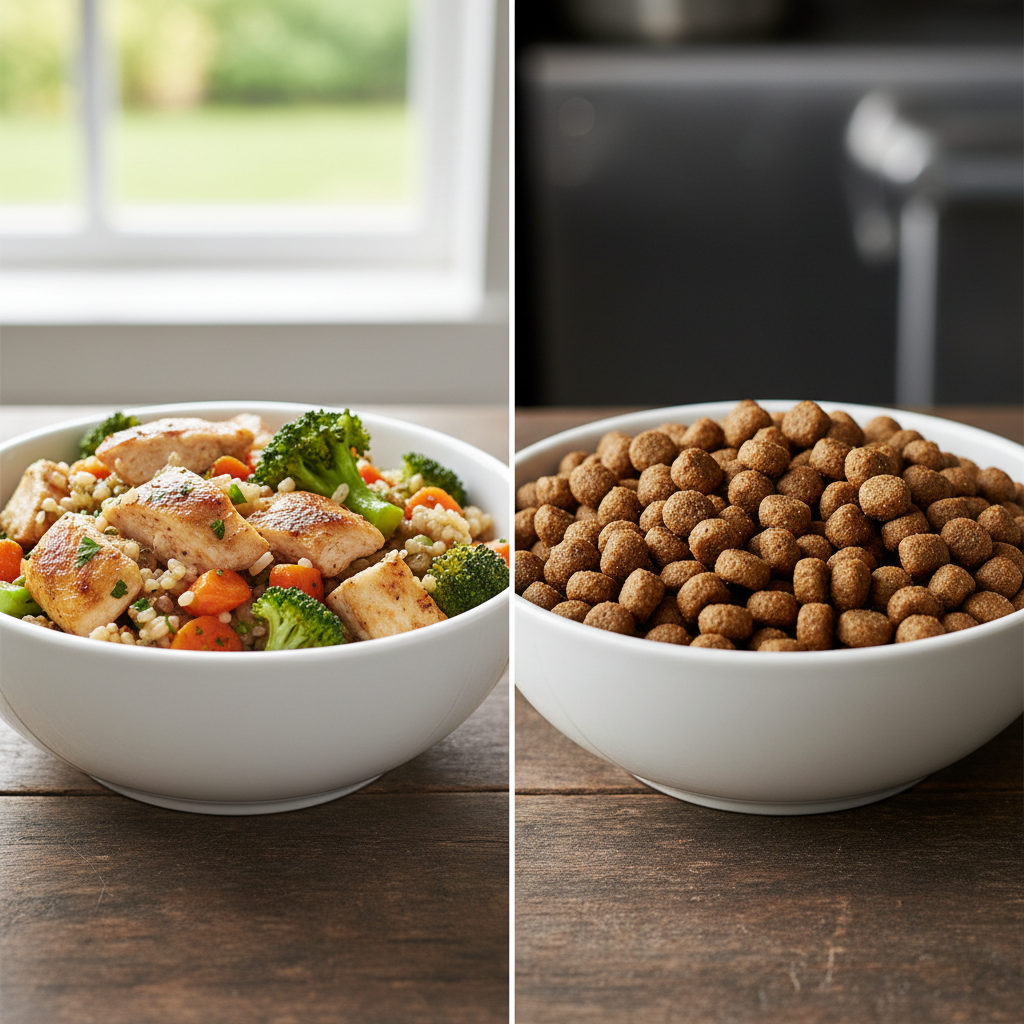
- Kibble King of Toxins: Traditional, extruded kibble diets, which are typically processed at very high temperatures (often exceeding 300°F or 150°C), consistently showed the highest concentrations of both acrylamide and AGEs.
- Baked Kibble Reductions: Baked kibble, often processed at slightly lower temperatures than extruded kibble, showed a moderate reduction in these toxic byproducts, but still contained significant levels compared to less-processed options.
- Fresh Food Advantage: Fresh dog food diets, gently cooked at lower temperatures (e.g., simmering or steaming below 212°F or 100°C), exhibited significantly lower levels of both acrylamide and AGEs – in some cases, barely detectable amounts.
- Raw and Freeze-Dried Raw – The Lowest: As expected, raw dog food and freeze-dried raw diets, which involve no cooking or very minimal low-heat drying, contained the lowest levels of these Maillard reaction byproducts, often close to zero.
The lead researcher, Dr. Anya Sharma, commented in a press release: “Our findings provide compelling evidence that cooking temperatures are a primary driver in the formation of these potentially harmful compounds in dog food. It strongly suggests that diets prepared at lower temperatures offer a significant advantage in minimizing exposure to these toxins for our canine companions.”
What Does This Mean for Your Dog's Health?
The implications of these findings are profound. While a direct, long-term causality study on the effect of Maillard reaction byproducts in dogs is still ongoing, the parallels with human health research are concerning. Chronic exposure to AGEs and acrylamide is linked to a cascade of negative health effects.
Potential Health Risks Associated with High-Heat Processed Diets:
- Increased Inflammation and Oxidative Stress: AGEs are known pro-inflammatory agents. Chronic inflammation is a root cause of many diseases, including arthritis, allergies, and certain cancers in dogs.
- Organ Damage: Accumulation of AGEs can impair organ function over time, particularly affecting the kidneys and liver, which are responsible for detoxification.
- Accelerated Aging: The oxidative stress caused by these compounds can contribute to cellular damage and accelerate the aging process, potentially shortening a dog's lifespan.
- Cancer Risk: While more research is needed specifically in dogs, the known carcinogenic potential of acrylamide in other species raises significant concerns.
- Digestive Issues: Some studies suggest that highly processed foods, which often contain higher levels of these byproducts, can be harder to digest and may negatively impact gut microbiome balance.
These findings suggest that by simply choosing a diet prepared at lower temperatures, we might be able to significantly reduce our dogs' lifetime exposure to these concerning compounds, potentially leading to a longer, healthier, and happier life free from chronic ailments.
Navigating the Dog Food Landscape in 2026: Fresh, Freeze-Dried, Kibble, or Raw?
Given this new research, how should pet parents approach the diverse world of dog food in 2026? Let's break down the implications for each popular diet type.
Traditional Kibble: Weighing Convenience Against Risk
Kibble has long been the staple for many dog owners due to its convenience, cost-effectiveness, and shelf stability. However, the 2026 study reinforces a growing concern about its processing methods.
- The Downside: The high extrusion temperatures used in most kibble production are precisely what lead to higher levels of acrylamide and AGEs. While manufacturers are working to mitigate this, it remains a significant challenge for this food format.
- What to Look For: If kibble is your primary choice, seek out brands that explicitly state lower-temperature baking processes or unique manufacturing techniques designed to minimize these byproducts. Don't be afraid to ask manufacturers directly about their processing temperatures and testing for AGEs and acrylamide.
Fresh Dog Food: The Gentle Cooking Advantage
Fresh dog food, often made with human-grade ingredients and gently cooked at low temperatures, emerges as a strong contender in light of the new study. This prepared food category is experiencing rapid growth as pet parents increasingly prioritize transparency and quality.
- The Upside: The study consistently found significantly lower levels of toxic byproducts in fresh food. This is due to the gentle cooking methods, such as steaming or simmering, which are below the thresholds for significant Maillard reaction formation.
- Considerations: Fresh food typically has a shorter shelf life and requires refrigeration. It can also be more expensive than traditional kibble, but many owners view the health benefits as a worthwhile investment.
Freeze-Dried Raw: Retaining Nutrients, Avoiding Heat
Freeze-dried raw diets offer many of the benefits of raw food with added convenience and shelf stability. The freeze-drying process removes moisture at low temperatures, preserving nutrients without high heat.
- The Upside: The study confirmed very low levels of acrylamide and AGEs in freeze-dried raw options, mirroring raw diets. This method avoids the high-heat cooking that creates problematic byproducts while making the food easier to store and serve than fresh raw.
- Considerations: Cost can be a factor, and some pet parents prefer the moisture content of fresh raw or gently cooked meals. Rehydration is often recommended, adding a small step to meal prep.
Raw Dog Food: The No-Heat Purity
Raw feeding involves providing uncooked ingredients, often a mix of meat, organs, and bones, sometimes supplemented with vegetables and fruits. It is, by its very nature, free from cooking-induced Maillard reaction byproducts.
- The Upside: The 2026 study found raw diets to have virtually undetectable levels of acrylamide and AGEs, making them the purest option in terms of avoiding these specific toxins.
- Considerations: Raw feeding requires careful handling to prevent bacterial contamination, and it’s crucial to ensure a balanced diet. It's often the most time-intensive and potentially expensive option, and some veterinarians still express concerns about pathogenic risks if not prepared and handled correctly. Always consult with a vet or a certified canine nutritionist before transitioning to a raw diet.
Expert Insights and Future Outlook
Pet nutritionists and veterinarians are already beginning to dissect the implications of this study. While dietary shifts should always be undertaken in consultation with a veterinary professional, the evidence points towards a clear trend.
Frequently Asked Questions
What are Maillard reaction byproducts and why are they harmful to dogs?+
Maillard reaction byproducts, such as acrylamide and Advanced Glycation End Products (AGEs), are chemical compounds formed when amino acids and sugars in food react under high heat. Recent studies, including a new one from April 2026, indicate that chronic exposure to these toxins can lead to increased inflammation, oxidative stress, cellular damage, and may contribute to various health issues like organ damage and accelerated aging in dogs.
How does the cooking temperature of dog food affect the level of these toxins?+
The April 2026 study found a direct correlation: higher cooking temperatures dramatically increase the formation of Maillard reaction byproducts. Traditional extruded kibble, processed at very high heats, contains the highest levels, while gently cooked fresh foods, raw, and freeze-dried raw diets, which use lower or no heat, have significantly reduced or undetectable amounts of these toxins.
Should I switch my dog to fresh or raw food based on this study?+
The study suggests that diets with lower processing temperatures offer a significant advantage in minimizing toxin exposure. While fresh dog food and raw diets showed the lowest levels of these byproducts, any diet change should be carefully considered. It's crucial to consult your veterinarian or a certified canine nutritionist to discuss the best dietary approach for your dog's individual needs, health status, and your lifestyle.
What are Advanced Glycation End Products (AGEs) and how do they impact dog health?+
Advanced Glycation End Products (AGEs) are harmful compounds formed when sugars bind to proteins or fats, particularly during high-heat processing. In dogs, as in humans, AGEs can accumulate in the body, promoting oxidative stress and inflammation, damaging cells and tissues. This can contribute to the development or progression of chronic diseases, organ dysfunction, and may accelerate the aging process, impacting overall longevity and quality of life.
How can I find out the processing temperature of my dog's current food?+
Manufacturers are increasingly transparent about their processes. You can check the brand's website for information on their manufacturing methods, ingredient sourcing, and cooking temperatures. If the information isn't readily available, don't hesitate to contact the company directly via their customer service. Look for terms like 'gently cooked,' 'slow-baked,' 'low-temperature processing,' or 'air-dried' as indicators of reduced heat exposure.
Sources
Related Reading
Share this story
The PawPulse Newsroom is a small editorial team of dog owners, trainers, and pet-industry writers reporting on dog health, training, nutrition, and breed trends.
Medically reviewed by PawPulse Veterinary Review Board.
Pin this to your Dog Food & Nutrition board
Feeding charts, fresh-food recipes, and brand comparisons.
Liked this story?
Share it with someone who should read it.
More from Dog Nutrition

Aussie Puppy Socialization: The 2026 Breakthrough Saving Lives!

Shiba Inu Itch Solved! New Protocol Heals Allergies in 78% of Shibas
