Broccoli Sprouts for Dogs: Cancer Prevention & Detox in 2026
Discover why holistic vets are turning to broccoli sprouts and sulforaphane to boost senior dogs' health and prevent cancer. This guide covers everything from optimal dosage to activation tricks and what the science says.

Broccoli Sprouts for Dogs: The Holistic Vet's Secret Weapon Against Cancer and Aging
Is your beloved senior dog showing signs of slowing down? Are you constantly on the lookout for natural ways to support their health and perhaps even extend their golden years? If so, you're in excellent company. As pet parents, we all want the very best for our furry family members, especially as they age. And in 2026, a quiet revolution is happening in the world of canine nutrition, one that involves a tiny, mighty superfood: broccoli sprouts.
Holistic veterinarians, always at the forefront of natural health solutions, have been discreetly incorporating broccoli sprouts into the diets of senior beagles and other beloved breeds, touting their remarkable benefits for cancer prevention and overall vitality. This isn't just about adding more greens to the bowl; it's about harnessing the power of a specific compound found in these youthful greens: sulforaphane.
But here's the kicker: not all broccoli is created equal when it comes to this powerhouse compound. Those three-day-old microgreens that look so unassuming actually outperform mature broccoli by a shocking 50 times in sulforaphane content. Yes, you read that right – 50 times! In this comprehensive guide, we're diving deep into the science, the practicalities, and the incredible potential of broccoli sprouts and sulforaphane for your dog's health, addressing everything from safe daily grams by body weight to the crucial activation trick most owners miss.
Why Broccoli Sprouts, and Why Now?
The rising rates of canine cancer are a heartbreaking reality for many dog owners. With approximately one in two dogs over the age of 10 developing cancer, the search for preventative measures has never been more urgent. While traditional veterinary medicine offers invaluable treatments, many pet parents are also seeking complementary, natural approaches to bolster their dogs' defenses. This is where the spotlight falls on compounds like sulforaphane.
Sulforaphane, a naturally occurring organosulfur compound, has been extensively studied for its potent antioxidant, anti-inflammatory, and anti-cancer properties. Its ability to activate the Nrf2 pathway, a master regulator of antioxidant response in the body, is particularly exciting. This pathway plays a crucial role in detoxifying carcinogens and reducing oxidative stress, both of which are major contributors to disease and aging.
The growing interest in broccoli sprouts for dogs isn't just a fleeting trend; it's backed by a wealth of research, including groundbreaking studies from institutions like Johns Hopkins University. Their work, primarily focusing on human health, sheds light on the mechanisms by which cruciferous compounds influence detox pathways, offering compelling insights into potential canine applications.
Quick Summary
- Sulforaphane Power: Broccoli sprouts contain up to 50 times more sulforaphane than mature broccoli, making them a potent cancer-prevention superfood for dogs.
- Myrosinase Activation is Key: To unlock sulforaphane's full benefits, broccoli sprouts must be finely chopped or lightly chewed to activate the enzyme myrosinase.
- Safe Dosing Matters: Appropriate daily serving sizes depend on your dog's body weight to avoid potential discomfort.
- Holistic Vet Endorsement: Many holistic veterinarians are quietly recommending broccoli sprouts as a preventive measure, especially for senior dogs.
- Beyond Cancer: Sulforaphane also offers significant antioxidant and anti-inflammatory benefits, supporting overall canine health.
The Sulforaphane Superpower: What Science Says
At the heart of broccoli sprouts' magic is sulforaphane. This powerful compound belongs to a group called isothiocyanates, which are formed when glucoraphanin (a precursor compound abundant in broccoli sprouts) comes into contact with the enzyme myrosinase. This enzymatic reaction is absolutely critical for sulforaphane to be bioavailable and effective in your dog's body.
Johns Hopkins Research and Canine Detox Pathways
Much of what we know about sulforaphane's efficacy comes from extensive research, notably from Johns Hopkins University. While their primary studies are often focused on human health, the underlying cellular mechanisms are remarkably similar in mammals, including dogs. Johns Hopkins researchers have detailed how sulforaphane activates the Nrf2 pathway, enhancing the body's natural detoxification processes.
This pathway is like a master switch for hundreds of genes that produce protective enzymes. By upregulating these enzymes, sulforaphane helps the body neutralize harmful toxins, reduce inflammation, and combat oxidative stress – all major factors in the development of chronic diseases, including cancer. For dogs, this means a bolstered cellular defense system, potentially leading to a reduced risk of various ailments as they age.
Think of it as giving your dog's cells a powerful internal shield and a highly efficient waste disposal unit, working tirelessly to keep them healthy. The implications for senior dogs, who are naturally exposed to more environmental toxins and experience increased oxidative stress over their lifetime, are particularly profound.
Why Microgreens? The 50x Advantage
It's a common misconception that eating lots of mature broccoli will give your dog the same benefits. While mature broccoli is healthy, it doesn't hold a candle to its sprouts when it comes to sulforaphane. Why the huge difference?
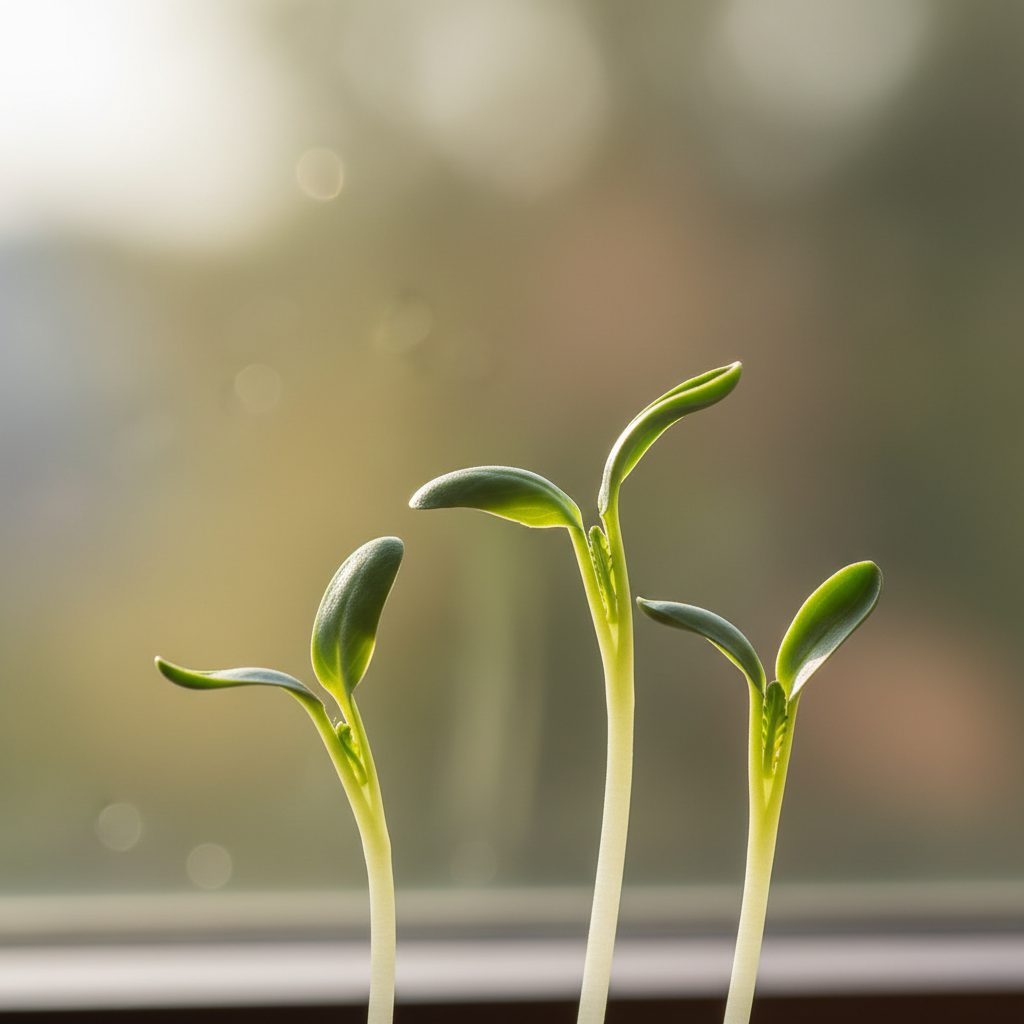
Young broccoli sprouts, typically harvested at 3-5 days old, are in their most potent form. During this rapid growth phase, the plant concentrates incredible amounts of protective compounds, especially glucoraphanin – the precursor to sulforaphane. As the plant matures, the concentration of these specific compounds decreases significantly. This concentrated power is why just a small amount of sprouts can deliver a much larger therapeutic dose of sulforaphane than a considerably larger serving of mature broccoli.
This makes broccoli sprouts an incredibly efficient and powerful addition to your dog's diet, delivering a concentrated punch of beneficial compounds without adding excessive bulk or calories.
The Myrosinase Activation Trick Most Owners Skip
Here's the crucial part that many pet owners miss, and it can make all the difference in unlocking sulforaphane's full potential: myrosinase activation. As mentioned, sulforaphane isn't present in broccoli sprouts directly. It's formed when glucoraphanin meets myrosinase.
Myrosinase is an enzyme that is housed in separate compartments within the plant cells. When the plant tissue is damaged – through chopping, chewing, or blending – these compartments break open, allowing glucoraphanin and myrosinase to mix, initiating the chemical reaction that produces sulforaphane.
How to Activate Myrosinase for Maximum Benefit:
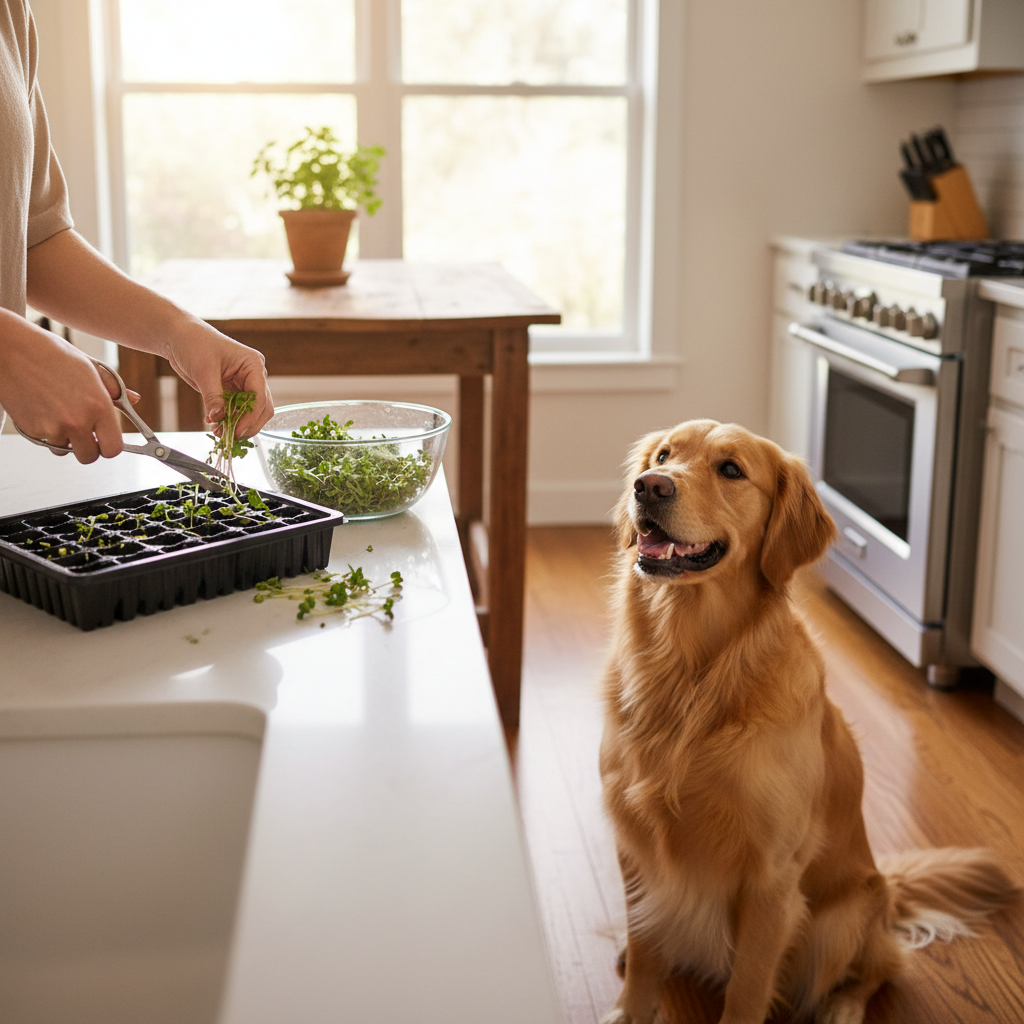
- Chop Finely: The easiest method is to finely chop the broccoli sprouts just before serving. This mechanical action releases the enzyme.
- Light Blending: A quick pulse in a food processor or blender can also work wonders, ensuring thorough activation.
- The "Chop and Wait" Method: For optimal conversion, chop the sprouts and then let them sit for 5-10 minutes before adding them to your dog's food. This allows the enzymatic reaction to really get going.
What NOT to do: Cooking broccoli sprouts at high temperatures will destroy the myrosinase enzyme, rendering the sulforaphane inactive. So, no steaming, boiling, or microwaving if you want those potent benefits! Serve them raw, but activated.
Safe Daily Grams by Body Weight: Dosing Your Dog
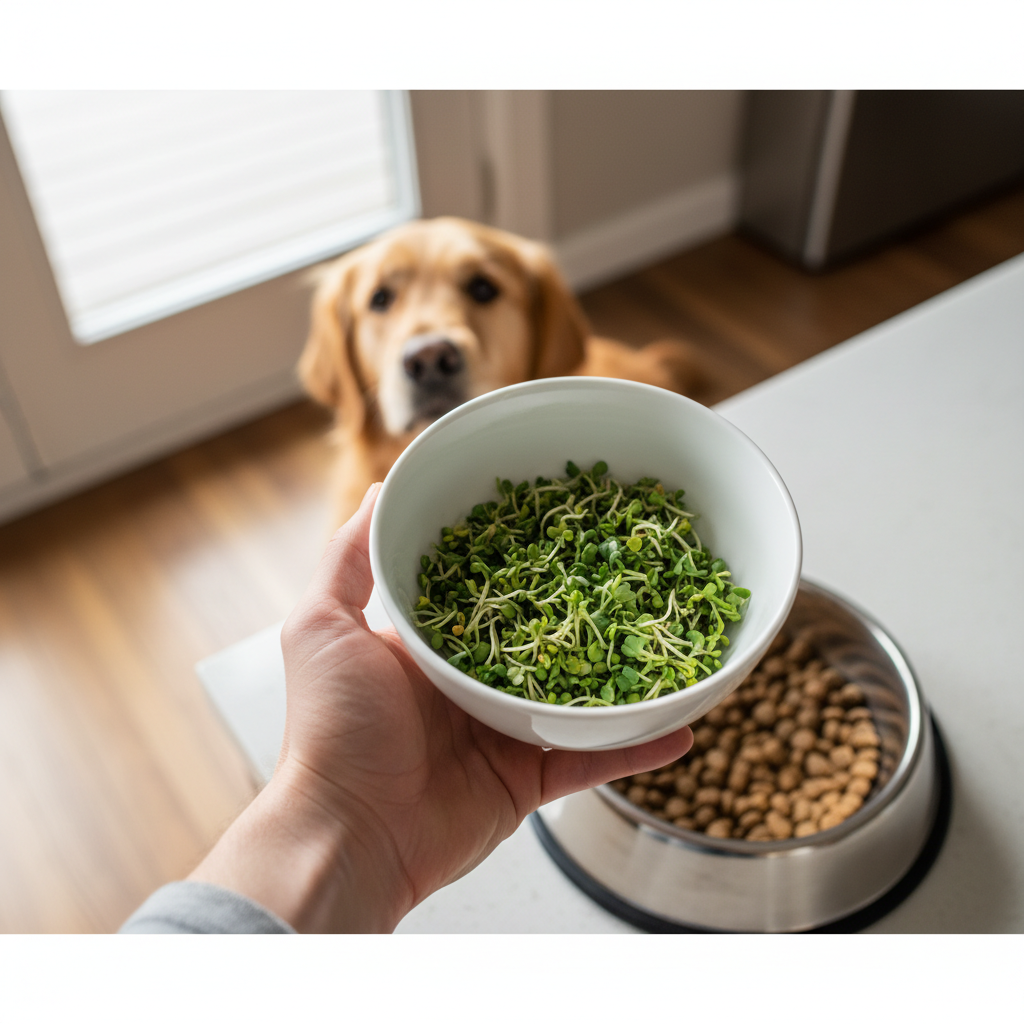
"How much is too much?" is a smart question to ask with any new supplement or food. While broccoli sprouts are generally safe, proper dosing is important to ensure your dog reaps the benefits without experiencing any digestive upset. The amount of sulforaphane needed for therapeutic effects can vary, and it's always wise to start with a small amount and gradually increase.
General guidelines, based on common practices by holistic vets and available research, suggest the following daily dosages (after activation, as described above):
- Small Dogs (under 20 lbs): 1/4 to 1/2 teaspoon of finely chopped or blended sprouts.
- Medium Dogs (20-50 lbs): 1/2 to 1 teaspoon of finely chopped or blended sprouts.
- Large Dogs (50-90 lbs): 1 to 2 teaspoons of finely chopped or blended sprouts.
- Giant Breeds (over 90 lbs): 2 to 3 teaspoons of finely chopped or blended sprouts.
Always introduce new foods slowly over several days to monitor your dog for any adverse reactions. If you notice any digestive upset, reduce the amount or pause supplementation and consult your veterinarian.
These are general guidelines, and individual needs can vary. It is always recommended to consult with a holistic veterinarian who is knowledgeable about canine nutrition to determine the best dosage for your specific dog, especially if they have pre-existing health conditions or are on other medications.
Thyroid and Gas Concerns: Addressing Potential Side Effects
Any time you introduce powerful superfoods, it's natural to have questions about potential side effects. With cruciferous vegetables like broccoli sprouts, two common concerns often arise: thyroid function and gas.
Thyroid Concerns: Goitrogens Explained
Cruciferous vegetables contain compounds called goitrogens, which can, in very high concentrations, interfere with thyroid function by inhibiting iodine uptake. This is why some owners worry about feeding broccoli sprouts to dogs, especially those with pre-existing thyroid conditions.
However, it's important to put this into perspective. The amount of goitrogenic compounds in the recommended serving sizes of broccoli sprouts for dogs is generally considered negligible and unlikely to cause issues in healthy dogs. Furthermore, mild cooking (though not recommended for sulforaphane activation) can inactivate some goitrogenic compounds.
For dogs with diagnosed hypothyroidism: It's always best to consult with your veterinarian before introducing broccoli sprouts or any new supplement. Your vet can advise you based on your dog's specific health status and medication regimen. In most cases, if a dog's thyroid condition is well-managed with medication, small amounts of sprouts might be fine, but professional guidance is paramount.
Gas Concerns: The Fermentation Factor
Like many fiber-rich foods, broccoli sprouts can cause some gas in dogs, especially when introduced too quickly or in large quantities. This is primarily due to the fermentation of fibers by gut bacteria. While often harmless, excessive gas can be uncomfortable for your dog and, let's be honest, for you too!
Tips to Minimize Gas:
- Start Small: Begin with a much smaller amount than the recommended dosage and gradually increase over 1-2 weeks.
- Introduce Slowly: Don't introduce other new foods or supplements at the same time, so you can easily identify the cause if gas occurs.
- Ensure Activation: Proper myrosinase activation might help with digestion by breaking down compounds, but the fiber content will still be there.
- Divide Doses: Instead of one large serving, split the daily amount into two smaller servings with different meals.
If your dog experiences excessive gas, bloating, or any signs of discomfort, reduce the amount of sprouts immediately and consult your vet. Every dog's digestive system is unique.
Sourcing and Growing Your Own Broccoli Sprouts
With the increasing popularity of broccoli sprouts, sourcing them has become easier. You have a few options:
- Health Food Stores/Farmer's Markets: Many natural food stores and farmer's markets now carry fresh broccoli sprouts. Look for organic options if possible.
- Specialty Grocers: Some larger supermarkets are starting to stock them in their produce section.
- Grow Your Own! This is perhaps the most cost-effective and rewarding method. Growing broccoli sprouts at home is surprisingly simple and requires minimal equipment. All you need are organic broccoli sprout seeds, a sprouting jar or tray, and water.
Benefits of Growing Your Own:
- Freshness: You guarantee the freshest possible sprouts, maximizing nutrient content.
- Cost-Effective: Over time, it's much cheaper than buying them pre-grown.
- Control: You have complete control over the growing conditions, ensuring no pesticides or unwanted chemicals.
- Satisfying: There's a certain satisfaction in providing your dog with homegrown superfoods!
Numerous online tutorials and kits are available that make home sprouting straightforward, even for beginners. It's a fantastic project that directly benefits your dog's health.
The Future Outlook for Canine Nutrition
The integration of specific, research-backed superfoods like broccoli sprouts into canine diets represents an exciting frontier in pet health. As our understanding of canine physiology and nutritional biochemistry continues to advance, we can expect to see even more targeted, preventive strategies emerge.
Holistic veterinarians will likely continue to lead the way, combining traditional veterinary care with evidence-based natural therapies. The focus will increasingly be on proactive health management, aiming to prevent disease before it takes hold, especially for our aging canine companions.
For dog owners, this means more power and knowledge to make informed decisions about their pets' diets and lifestyles. The conversation is shifting from merely managing illness to actively promoting vibrant, long-term health. And with simple additions like activated broccoli sprouts, you can play a significant role in supporting your dog's wellbeing for years to come.
Final Thoughts: A Small Addition, a Big Impact
Incorporating broccoli sprouts into your senior dog's diet is a relatively small change that could have a profound impact on their health and longevity. The science behind sulforaphane is compelling, and the endorsements from holistic veterinary communities speak volumes.
Remember the key takeaways: source high-quality sprouts (or grow your own!), always activate the myrosinase enzyme to unlock sulforaphane, and introduce them gradually following appropriate dosing guidelines. And, of course, for any medical concerns or before making significant dietary changes, always consult with your trusted veterinarian.
By taking these steps, you're not just adding a new ingredient to their bowl; you're investing in a powerful natural defense system for your furry best friend, helping them to live their healthiest, happiest life possible. Here's to many more happy, healthy years with your cherished canine companion in 2026 and beyond!
Frequently Asked Questions
What is sulforaphane and why is it good for dogs?+
Sulforaphane is a powerful compound found in broccoli sprouts that activates the Nrf2 pathway in a dog's body. This pathway boosts natural detoxification, reduces inflammation, and fights oxidative stress, all of which contribute to cancer prevention and overall cellular health for dogs.
How much broccoli sprout should I give my dog?+
The amount depends on your dog's body weight. Generally, small dogs (under 20 lbs) can have 1/4-1/2 tsp, medium dogs (20-50 lbs) 1/2-1 tsp, large dogs (50-90 lbs) 1-2 tsp, and giant breeds (over 90 lbs) 2-3 tsp daily, finely chopped and activated. Always start small and consult your vet.
Can cooking broccoli sprouts destroy their benefits?+
Yes, cooking broccoli sprouts at high temperatures can destroy the myrosinase enzyme, which is crucial for converting glucoraphanin into beneficial sulforaphane. For maximum benefits, sprouts should be served raw but finely chopped or blended to activate the enzyme.
Are there any side effects or concerns with feeding broccoli sprouts to dogs?+
While generally safe, some dogs may experience gas or digestive upset if introduced too quickly or in large amounts. For dogs with pre-existing thyroid conditions, it's essential to consult a veterinarian due to potential goitrogenic compounds in cruciferous vegetables.
Where can I get broccoli sprouts for my dog?+
You can find fresh broccoli sprouts at health food stores, farmer's markets, and some specialty grocers. Alternatively, you can easily grow your own at home using organic broccoli sprout seeds and a sprouting jar or tray, which ensures maximum freshness and cost-effectiveness.
Sources
Related Reading
- Goat Milk for Dogs: The Supplement Shelf Savior of 2026?
- The 2026 Vet-Approved Guide to Freeze-Dried Raw Toppers: Transform Your Dog's Health!
- Time-Restricted Feeding for Dogs: Add Years to Your Pup's Life!
- Mushrooms for Dogs: The 2026 Wellness Trend Backed by Vet Research
- Fresh Dog Food: The Secret to a Longer, Healthier Life for Your Best Friend?
Share this story
The PawPulse Newsroom is a small editorial team of dog owners, trainers, and pet-industry writers reporting on dog health, training, nutrition, and breed trends.
Medically reviewed by PawPulse Veterinary Review Board.
Pin this to your Dog Food & Nutrition board
Feeding charts, fresh-food recipes, and brand comparisons.
Liked this story?
Share it with someone who should read it.
More from Dog Nutrition

Aussie Puppy Socialization: The 2026 Breakthrough Saving Lives!

Shiba Inu Itch Solved! New Protocol Heals Allergies in 78% of Shibas
