Mushrooms for Dogs: The 2026 Wellness Trend Backed by Vet Research
Discover how functional mushrooms like Reishi, Turkey Tail, Lion's Mane, and Cordyceps are becoming a leading wellness trend for dogs in 2026, offering powerful support for immunity, cognition, and even cancer. Backed by growing veterinary research, these ancient remedies are gaining modern scientific validation.

Unlock Your Dog's Superpowers: The Mushroom Revolution of 2026!
As loving pet parents, we're always on the lookout for the next best thing to enhance our furry companions' health and happiness. Well, get ready, because the future of canine wellness is sprouting! In 2026, one of the most exciting and researched topics in holistic pet health is undoubtedly functional mushrooms for dogs. Forget quaint forest foraging; we're talking about a sophisticated blend of ancient wisdom and cutting-edge veterinary science, bringing powerful compounds to our pups that boost immunity, sharpen cognition, and offer remarkable support against serious illnesses like cancer.
It might sound a little 'out there' at first – mushrooms for dogs? But stay with us. These aren't your average button mushrooms for dinner. We're discussing specific, potent varieties like Reishi, Turkey Tail, Lion's Mane, and Cordyceps, which have been revered in Eastern medicine for centuries and are now, crucially, receiving rigorous scientific validation for their benefits in our canine friends. The buzz isn't just anecdotal; veterinarians, researchers, and increasingly, delighted dog owners, are seeing tangible results.
From a preventive wellness standpoint to offering complementary support for existing health challenges, incorporating functional mushrooms into your dog's routine could be a game-changer. Imagine a natural boost that helps their immune system stand strong against environmental threats, keeps their brain sharp as they age, and even provides a fighting chance when facing serious health battles. This isn't just a trend; it's a movement towards more natural, proactive, and powerfully effective pet care, setting a new standard for canine longevity and quality of life.
Quick Summary
- Ancient Wisdom, Modern Science: Functional mushrooms like Reishi, Turkey Tail, Lion's Mane, and Cordyceps are gaining traction in veterinary medicine for their evidence-backed health benefits.
- Immune Powerhouses: Varieties like Turkey Tail and Reishi are renowned for their potent immune-modulating properties, crucial for fighting infections and supporting overall resilience.
- Brain Boosters: Lion's Mane is showing promise in enhancing cognitive function, memory, and nerve regeneration, beneficial for aging dogs and those needing mental sharpness.
- Cancer Support: Multiple mushroom types, especially Turkey Tail and Reishi, are being studied for their anti-cancer properties, offering complementary support in oncology protocols.
- Safe & Effective: When sourced correctly and administered appropriately, functional mushrooms are generally safe for dogs and can be a valuable addition to a holistic wellness plan.
The Roots of a Revolution: Why Now?
So, why are functional mushrooms suddenly the talk of the town in 2026? It's a confluence of factors. There's a growing disillusionment with purely synthetic solutions in both human and pet health, propelling a search for natural alternatives rooted in efficacy. Simultaneously, advancements in veterinary research – coupled with significant funding directed towards natural therapeutics – are finally providing the robust scientific data needed to validate what traditional healers have known for millennia.
Veterinary oncologists, neurologists, and immunologists are actively participating in studies, leading to a surge in credible, peer-reviewed publications. This isn't just about 'alternative medicine'; it's about integrating the best of nature with the best of science. Furthermore, improved cultivation techniques and quality control mean that high-potency, safe, and easily accessible mushroom supplements are more available than ever before, making it simpler for pet parents to incorporate them into their dog's daily regimen.
Diving Deep: The Star Players in the Fungal Kingdom
Let's introduce you to the superstars of the fungal world that are making waves in canine health. Each of these mushrooms brings a unique set of benefits, working synergistically to promote overall wellness.
Turkey Tail Mushroom: The Immune System's Best Friend
(Trametes versicolor)
If there's one mushroom that has truly captured the attention of the veterinary community, it's Turkey Tail. This beautiful, fan-shaped fungus, resembling a turkey's tail, is perhaps the most heavily researched functional mushroom, especially concerning its role in cancer support. It's packed with powerful polysaccharides, particularly Polysaccharopeptide (PSP) and Polysaccharide Krestin (PSK).
Benefits for Dogs:
- Immune Modulation: Turkey Tail is a potent immunomodulator, meaning it helps balance and optimize the immune system. It can stimulate immune responses when needed (e.g., fighting infections, cancer cells) and calm overactive responses (e.g., allergies, autoimmune issues).
- Cancer Support: Extensive research, including studies in dogs with hemangiosarcoma and other cancers, has shown that Turkey Tail can significantly improve survival times and quality of life. It works by enhancing the body's natural killer cell activity and inhibiting tumor growth.
- Anti-viral & Anti-bacterial: Its immune-boosting properties also give it strong anti-viral and anti-bacterial capabilities, helping dogs fend off various pathogens.
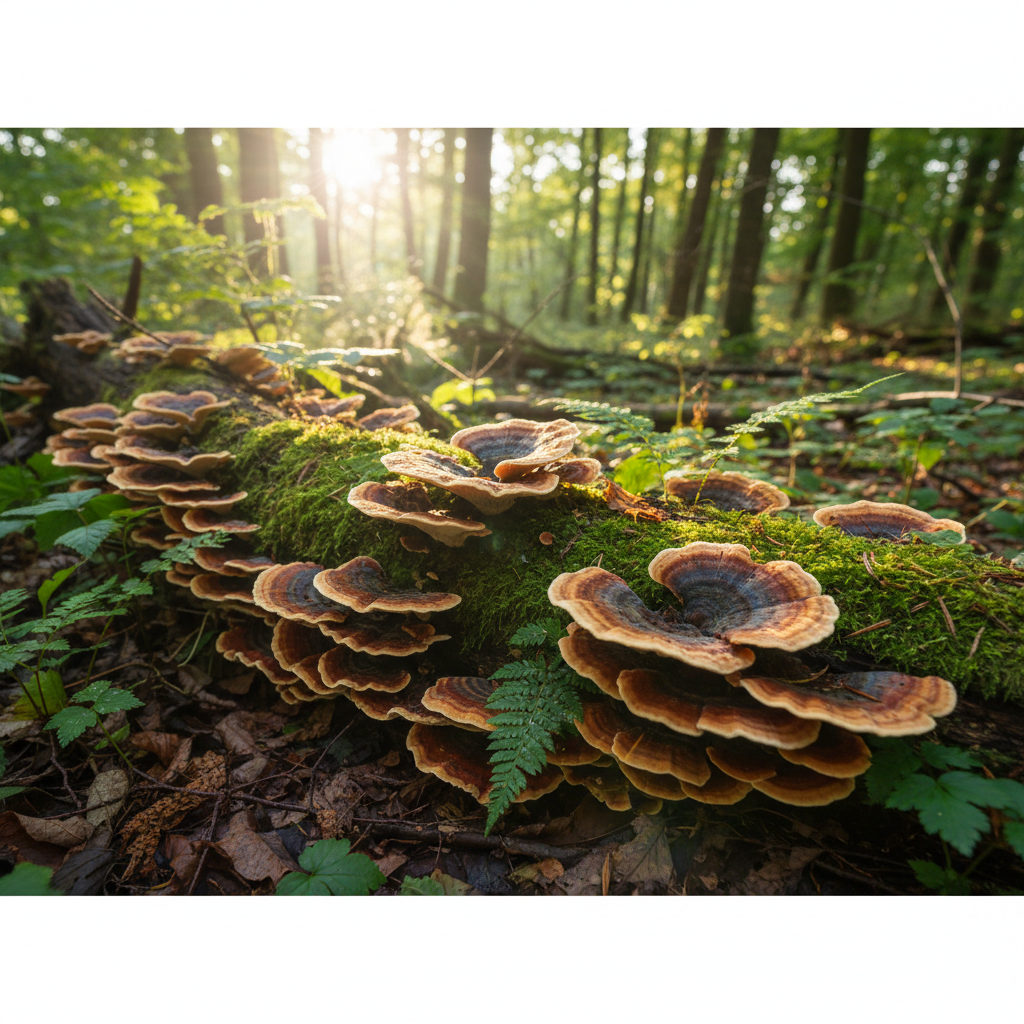
Reishi Mushroom: The Mushroom of Immortality
(Ganoderma lucidum)
Known as the "Mushroom of Immortality" in Eastern cultures, Reishi is revered for its comprehensive health benefits. It's an adaptogen, meaning it helps the body adapt to stress and maintain balance. Its complex composition includes triterpenes, polysaccharides (beta-glucans), and ganoderic acids.
Benefits for Dogs:
- Stress & Anxiety Reduction: Reishi helps calm the nervous system, making it beneficial for anxious dogs, those with storm phobias, or pets undergoing stressful situations.
- Liver Support: It supports liver detoxification pathways and can protect liver cells from damage.
- Anti-inflammatory: Reishi possesses significant anti-inflammatory properties, potentially helping with conditions like arthritis, allergies, and inflammatory bowel disease.
- Cardiovascular Health: Some research suggests Reishi can support heart health by helping to regulate blood pressure and cholesterol levels.
- Immune & Anti-cancer: Like Turkey Tail, Reishi also offers robust immune support and has demonstrated anti-cancer potential, often used complementarily in cancer protocols.
Lion's Mane Mushroom: The Brain's Best Friend
(Hericium erinaceus)
This unique-looking mushroom, resembling a cascade of white icicles or a lion's mane, is gaining immense popularity for its neuroprotective and cognitive-enhancing properties. Lion's Mane is rich in hericenones and erinacines, compounds known to stimulate Nerve Growth Factor (NGF) synthesis in the brain.
Benefits for Dogs:
- Cognitive Function: For aging dogs experiencing Canine Cognitive Dysfunction (CCD), Lion's Mane can be a game-changer. It helps improve memory, focus, and overall mental clarity.
- Nerve Regeneration: Its ability to stimulate NGF makes it promising for nerve damage repair and supporting neurological health.
- Mood & Anxiety: By supporting brain health, it can also positively impact mood and reduce anxiety in some dogs.
- Gut-Brain Axis: Emerging research highlights its role in supporting the gut microbiome, which, in turn, influences brain health through the gut-brain axis.
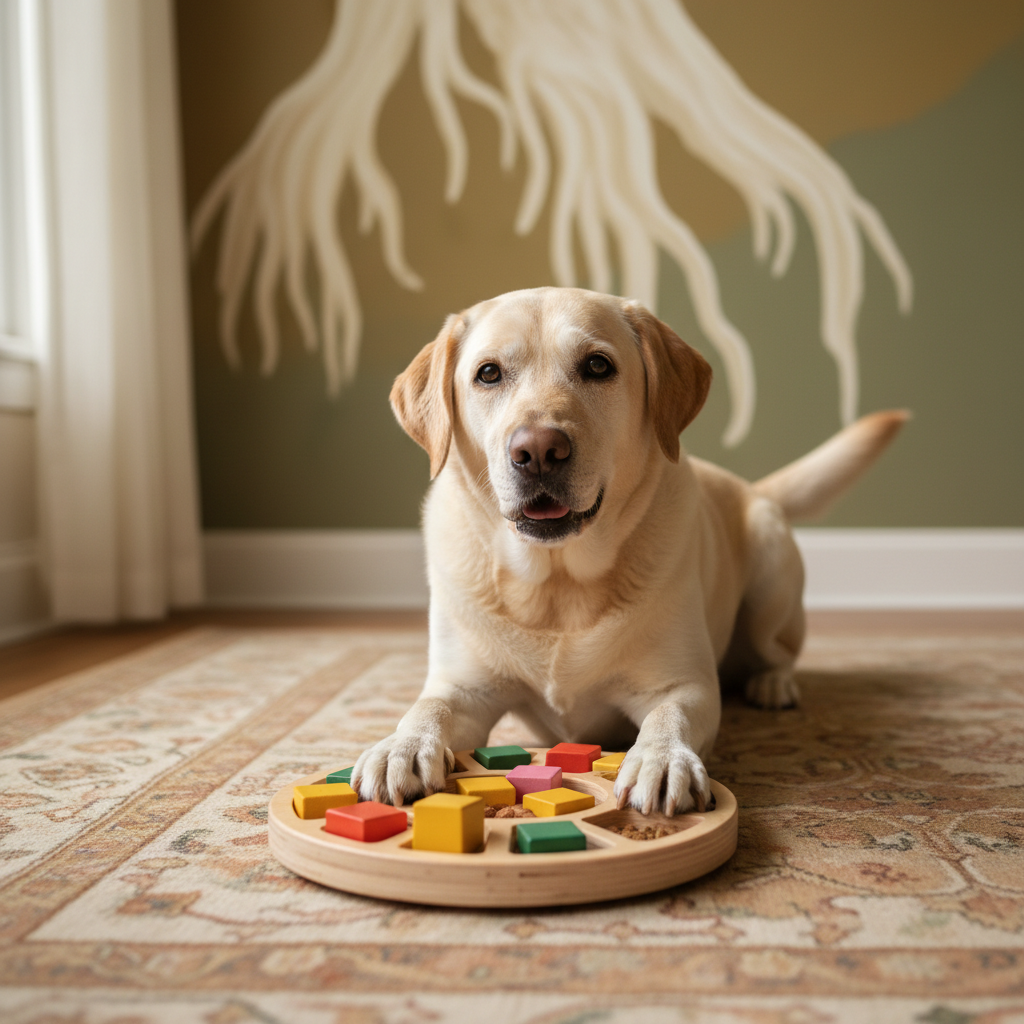
Cordyceps Mushroom: The Energy & Stamina Booster
(Cordyceps sinensis/militaris)
Traditionally valued by athletes for its energy-boosting properties, Cordyceps is now being recognized for its benefits in dogs, particularly in supporting vitality, respiratory function, and overall endurance. It contains cordycepin, adenosine, and polysaccharides.
Benefits for Dogs:
- Energy & Stamina: Cordyceps can improve ATP (adenosine triphosphate) production, vital for cellular energy, making it excellent for active dogs, senior dogs needing a boost, or those recovering from illness.
- Respiratory Health: It supports lung function and oxygen utilization, making it beneficial for dogs with respiratory issues or those prone to exercise intolerance.
- Kidney Support: Some studies suggest Cordyceps can help protect kidney function and improve renal parameters.
- Immune Modulator: While not as potent as Turkey Tail, Cordyceps still offers valuable immune support.
- Anti-tumor Properties: Research indicates Cordyceps has anti-tumor effects, particularly by inhibiting cancer cell proliferation and inducing apoptosis (programmed cell death).
Sourcing, Dosage, and Administration: What Pet Parents Need to Know
As with any supplement, quality profoundly matters. The efficacy and safety of functional mushrooms depend heavily on how they are sourced, processed, and administered. This isn't a DIY project; seek out reputable brands and consult with your veterinarian.
Quality is Key: What to Look For
- Fruiting Body Extracts: Always opt for supplements made from the fruiting body of the mushroom, not just the mycelium grown on grain. The fruiting body contains the highest concentration of beneficial compounds like beta-glucans.
- Hot Water Extracts: Many beneficial compounds are locked within the mushroom's chitin cell walls. Hot water extraction breaks these down, making the compounds bioavailable for your dog.
- Organic & Lab-Tested: Ensure the product is organic to avoid pesticides and heavy metals. Look for third-party lab testing for purity and potency.
- Veterinary Formulated: Choose products specifically formulated for pets, as they often consider canine physiology and palatability.
Dosage Guidelines
Dosage will vary significantly based on your dog's size, age, health condition, and the specific mushroom product concentration. Always follow the manufacturer's recommendations and, more importantly, consult your holistic veterinarian. They can provide personalized guidance, especially if your dog has existing health conditions or is on other medications. Starting with a lower dose and gradually increasing is often a prudent approach.
Administration Tips
Most functional mushroom supplements come in powder or capsule form. Powders can be easily mixed into your dog's wet food, sprinkled over kibble (you might need to add a little broth to make it stick), or mixed into a favorite treat. Capsules can often be opened and sprinkled, or given whole if your dog is accustomed to taking pills. Palatability is rarely an issue, as mushroom extracts often have an earthy, umami flavor that many dogs find appealing.

Real-World Impact & Expert Insight
Veterinary practitioners like Dr. Sarah Johnson, a leading integrative veterinarian specializing in canine oncology, notes, "We've seen remarkable improvements in the quality of life and even extended remission times in our cancer patients using functional mushrooms like Turkey Tail as an adjunct therapy. It's not a standalone cure, but it significantly empowers the body's natural defenses." This sentiment is echoed across the holistic veterinary community, with many reporting enhanced immune resilience in otherwise healthy dogs and improved cognitive function in their older patients.
Pet parents are also sharing their success stories. Take Max, a 12-year-old Golden Retriever who was struggling with severe arthritis and early signs of cognitive decline. After incorporating a blend of Reishi and Lion's Mane, his owner reported a noticeable improvement in his mobility and a renewed spark in his eyes – he was more engaged, less confused, and even started playing with toys again. These aren't isolated incidents; they represent a growing body of real-world evidence confirming the scientific data.
The Future is Fungal: What's Next in Canine Wellness?
The trajectory for functional mushrooms in veterinary medicine is undeniably upward. As of 2026, we're seeing more specialized research focusing on specific canine conditions, optimal dosing strategies, and synergistic blends of mushrooms to target multiple health concerns simultaneously. The trend is moving towards highly personalized mushroom protocols, tailored to individual dogs' genetic predispositions and health profiles.
Expect to see an even wider array of veterinary-exclusive formulas hitting the market, some potentially even integrated into prescription diets or treats. The collaboration between mycologists, biochemists, and veterinarians will only deepen, leading to more refined, potent, and evidence-based mushroom therapeutics for our beloved dogs. This isn't just a fleeting trend; it's a foundational shift in how we approach preventative care, immune support, and disease management in our canine companions.
By embracing the power of these incredible fungi, we're not just offering our dogs a supplement; we're giving them a profound advantage in their journey towards a long, vibrant, and healthy life. So, are you ready to unlock your dog's natural superpowers with the help of the mushroom revolution? Your furry friend will thank you!
Frequently Asked Questions
Are functional mushrooms safe for all dogs?+
Functional mushrooms are generally considered safe for most dogs when sourced from reputable brands and administered correctly. However, consulting with your holistic veterinarian is crucial, especially if your dog has existing health conditions, is pregnant, or is on other medications. Quality and proper dosage are key to ensuring safety and efficacy.
How long does it take to see results from mushroom supplements in dogs?+
The time it takes to see results can vary widely depending on the dog's individual health, the specific mushroom being used, and the condition being addressed. Some pet parents report subtle changes within a few weeks, while more significant improvements, especially for chronic conditions or immune support, might take 1-3 months of consistent use. Patience and consistency are important.
Can I give my dog mushrooms directly from a grocery store?+
No, it is not recommended to give your dog mushrooms from a grocery store or foraged wild mushrooms. Grocery store mushrooms do not offer the concentrated therapeutic compounds found in functional mushroom extracts. Wild mushrooms can be highly toxic and even deadly. Always use high-quality, veterinary-grade functional mushroom supplements specifically formulated for pets.
Sources
Related Reading
- Fresh Dog Food: The Secret to a Longer, Healthier Life for Your Best Friend?
- Bug-Powered Pooches? The Buzz About Insect Protein for Dog Allergies!
- Hot Kibble, Hidden Chemistry: What a 2026 Study Reveals
- Bonqat / Zenrelia: The First Dual-Purpose Anxiety Medication for Dogs Approved by FDA!
- TikTok's Viral Barking Trend: Why Experts Warn of Fear, Stress & Bites
Share this story
The PawPulse Newsroom is a small editorial team of dog owners, trainers, and pet-industry writers reporting on dog health, training, nutrition, and breed trends.
Medically reviewed by PawPulse Veterinary Review Board.
Pin this to your Dog Food & Nutrition board
Feeding charts, fresh-food recipes, and brand comparisons.
Liked this story?
Share it with someone who should read it.
More from Dog Nutrition

Aussie Puppy Socialization: The 2026 Breakthrough Saving Lives!

Shiba Inu Itch Solved! New Protocol Heals Allergies in 78% of Shibas
