Dutch Shepherd Dogs: The Unsung Heroes Taking Over K9 Units & Your Heart?
Move over, Malinois! The Dutch Shepherd is experiencing an unprecedented surge in popularity among police K9 units, search-and-rescue teams, and high-drive sport enthusiasts. With a staggering 340% increase in AKC registrations since 2023, this under-the-radar working breed is finally getting its moment in the spotlight. But what's it really like to live with one?

The Brindle Revolution: Why Dutch Shepherds Are Taking Over in 2026
For years, when you pictured a top-tier working dog – whether sniffing out contraband, tracking a lost person, or dominating in Schutzhund – your mind likely went straight to the sleek, intense Belgian Malinois. And for good reason; they've been the undisputed champions. But something remarkable has been happening behind the scenes, a quiet revolution in the working dog world that's now bursting into the mainstream.
As of July 2026, new American Kennel Club (AKC) registration data reveals a seismic shift: the Dutch Shepherd has seen an astonishing 340% spike in registrations since 2023, officially surpassing the Malinois as the fastest-growing choice among American police K9 units, search-and-rescue handlers, and high-drive sport homes. This isn't just a trend; it's a testament to a breed finally gaining the recognition it profoundly deserves.
So, what's behind this meteoric rise? Is the Dutch Shepherd truly the 'new Malinois,' or is there something uniquely special about this brindle beauty that makes it stand out? Let's dive deep into the heart of this incredible working breed.
Quick Summary
- Explosive Growth: Dutch Shepherd AKC registrations are up 340% since 2023, now leading in K9 and sport circles.
- Balanced Drive: Experts praise the Dutchie's 'off-switch' compared to the Malinois, making them more adaptable for home life.
- Essential Enrichment: Five non-negotiables for first-time owners: structured walks, cooperative grooming, puzzle feeders, a sport outlet, and solid crate routines.
- Health Watch: Be aware of Inflammatory Myopathy, hip dysplasia (especially in KNPV lines), and sensitive stomachs.
- Buyer Beware: Understand the working-line vs. show-line distinction to avoid common pitfalls.
Why the World is Falling for the Dutch Shepherd: A Deep Dive
It’s no secret that working dog handlers and sport enthusiasts are constantly seeking the next edge, the perfect blend of intelligence, drive, and trainability. For decades, the Belgian Malinois fit that bill almost perfectly. Yet, their relentless intensity can be a double-edged sword, demanding an extraordinary level of commitment that not every handler or family can sustain.
Enter the Dutch Shepherd. Originating from the Netherlands as an all-around farm dog, herding livestock and guarding property, this breed developed a robust, adaptable nature. They share a similar lineage and many characteristics with the Malinois and German Shepherd but often possess a nuanced temperament that is proving incredibly appealing.
The 'Off-Switch' Advantage: A Trainer's Perspective
One of the most compelling reasons for the Dutch Shepherd's surge in popularity, particularly among professional K9 handlers and dedicated sport enthusiasts, is what positive-reinforcement trainers at the Karen Pryor Academy affectionately call their 'off-switch.'
“While a Malinois often operates at a ten out of ten, all the time, many Dutch Shepherds, particularly those from well-bred lines, possess an impressive ability to work intensely when asked, then settle down calmly when duty is done,” explains KPA Certified Training Partner, Sarah Chen. “This isn’t to say they are low-energy – far from it! But that capacity for calm downtime makes an enormous difference in a handler’s quality of life and the dog’s emotional well-being.”
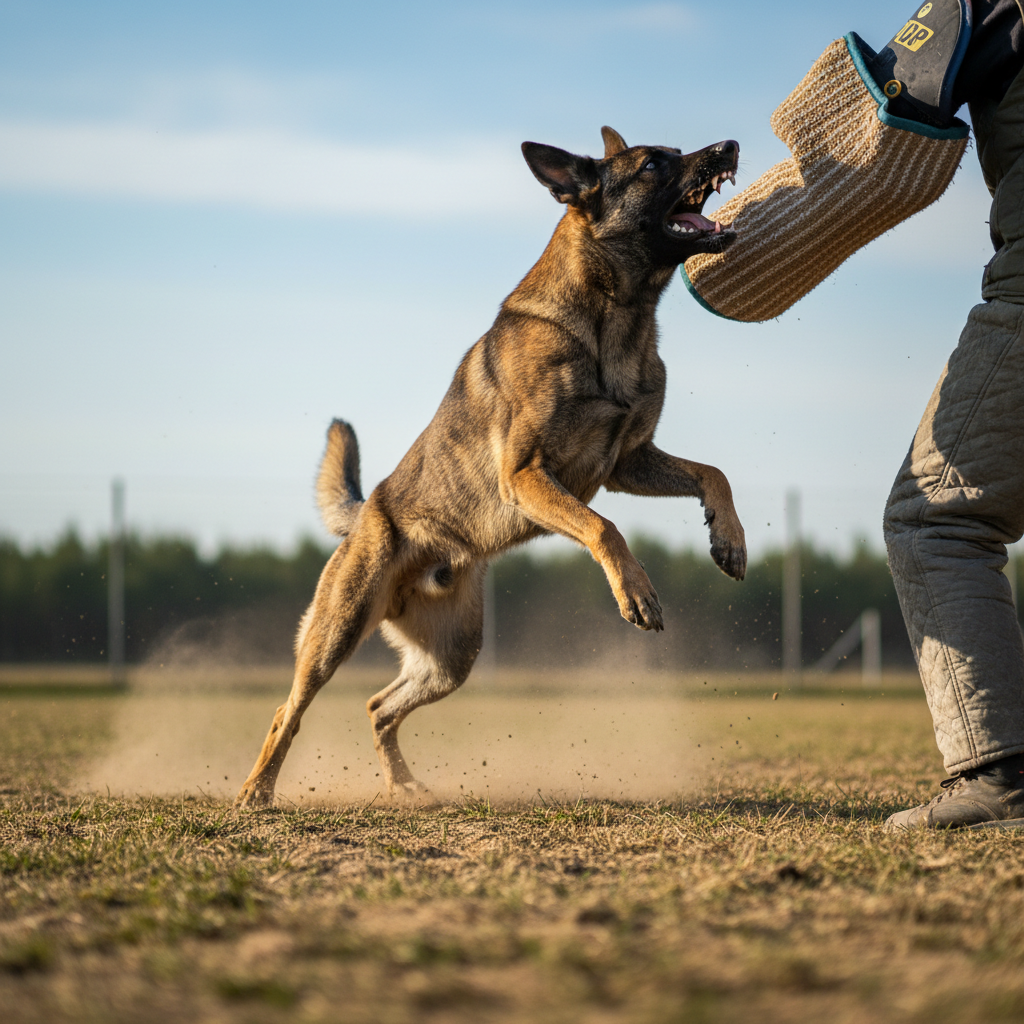
This 'off-switch' is critical for dogs working in demanding environments. A K9 officer needs a dog that can transition from high-octane pursuit to calm patrol in a busy public space. A search-and-rescue dog must be able to conserve energy and remain focused over long deployments. For sport dog owners, it means a dog that can blast through an agility course then relax politely by their side during downtime.
Living With a Brindle Herder in a Suburban Townhouse: The Honest Truth
Beyond the elite working world, many families are drawn to the striking looks and evident intelligence of the Dutch Shepherd. The brindle coat patterns are captivating, and their keen, intelligent eyes promise endless possibilities. However, the 'honest truth' about living with a Dutchie, especially in a suburban townhouse, is that it requires profound commitment and a deep understanding of their innate needs.
This is not a breed for the faint of heart, or for those who envision a casual stroll around the block fulfilling their dog's exercise requirements. A Dutch Shepherd needs a job, a purpose, and immense amounts of mental and physical stimulation. Without it, they can quickly become destructive, anxious, or develop undesirable behaviors.
The Five Enrichment Non-Negotiables for Every First-Time Dutchie Owner
If you're considering welcoming a Dutch Shepherd into your life, especially if it's your first time owning a high-drive working breed, these five enrichment pillars are not optional; they are foundational for a happy, well-adjusted dog (and owner):
- Structured Decompression Walks: Beyond just 'exercise,' these are walks specifically designed for mental enrichment and stress reduction. Think long lines, sniffing opportunities, exploring new scents, and allowing the dog to move naturally in a quiet environment. This isn't about covering mileage; it's about mental unwinding.
- Cooperative Care Grooming: Dutch Shepherds have dense double coats that shed. They need regular brushing. Start early with positive reinforcement, making grooming a pleasant, cooperative experience rather than a battle. This builds trust and makes vet visits easier, too.
- Puzzle Feeders & Snuffle Mats: Ditch the bowl! Make your Dutchie work for their meals. Puzzle feeders, snuffle mats, and scatter feeding leverage their natural foraging instincts, providing vital mental stimulation that can burn as much energy as a physical walk.
- Bitework or Sport Outlet: This is often the biggest missing piece for many owners. Dutch Shepherds excel in sports like Schutzhund, Mondioring, agility, obedience, dock diving, and scent work. Providing an appropriate, safe outlet for their incredibly high prey drive and desire to work is paramount. This isn't about aggression; it's about channeling natural instincts into a structured, rewarding activity.
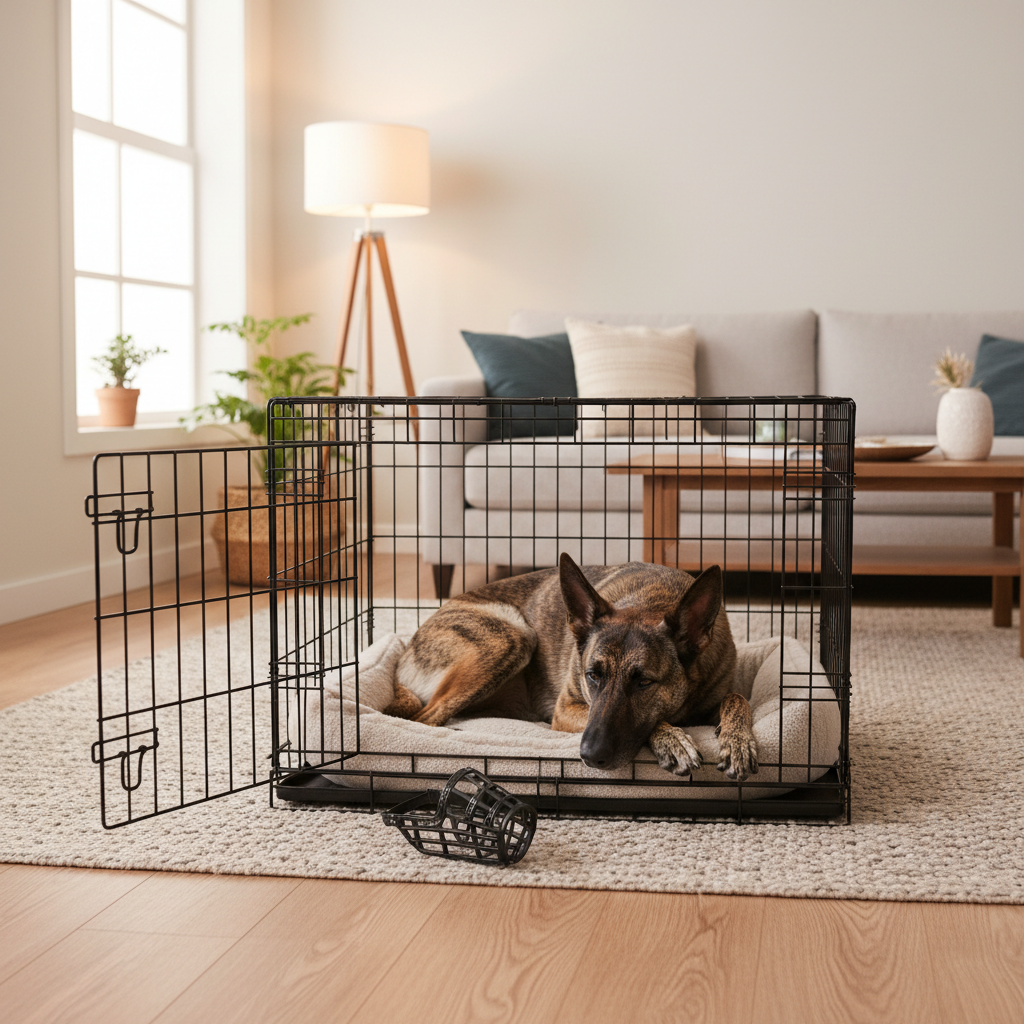
- A Rock-Solid Crate Routine: A crate is a Dutch Shepherd's sanctuary, not a prison. Proper, positive crate training establishes a safe space, aids in house-training, prevents destructive behavior, and provides that all-important 'off-switch' when they need to settle. Consistency is key.
Deeper Dive Into Dutch Shepherd Health Considerations
Like all breeds, Dutch Shepherds have certain health predispositions that prospective owners should be aware of. Board-certified veterinarians at Cornell University are closely monitoring a few key areas, and responsible breeders will always be upfront about these concerns.
Inflammatory Myopathy
One emerging concern within the breed is Inflammatory Myopathy, a condition that affects the muscles. While not widespread, breeders are diligently testing for it, and Cornell's canine genetics lab is doing groundbreaking work to understand its inheritance. Symptoms can include muscle weakness, exercise intolerance, and difficulty swallowing. Early detection and management are crucial, so working with a vet who understands the breed is important.
Hip Dysplasia in KNPV Lines
Hip and elbow dysplasia are unfortunately common in many larger, active breeds, and Dutch Shepherds are no exception. While responsible breeders screen their dogs rigorously (OFA/PennHIP certifications are non-negotiable), there's a particular watch-out for certain KNPV (Royal Dutch Police Dog Association) lines, which historically prioritized working ability over strict orthopedic clearances. This is changing, but buyers must be vigilant when researching pedigrees.
Sensitive Stomachs on High-Fat Kibble
Many high-performance dog foods are quite rich, formulated for intensely active dogs. However, some Dutch Shepherds, particularly those with more sensitive digestive systems, can react negatively to very high-fat kibble, leading to gastrointestinal upset. Working with your vet to find a balanced diet that supports their energy needs without causing digestive issues is essential. Often, a moderate protein, moderate fat, high-quality carbohydrate diet works best.
The Working-Line Versus Show-Line Divide: What American Buyers Get Wrong
This is perhaps the most significant pitfall for first-time Dutch Shepherd owners. The breed, like many working breeds, has a distinct divide between working lines and show lines. American buyers, often captivated by the look, frequently misunderstand the implications.
Working Lines: These dogs are bred almost exclusively for their working ability – drive, nerve, temperament, and trainability for police work, protection sports, search-and-rescue, or herding. Their appearance is secondary. These dogs will have intense drives and will require significant, consistent engagement.
Show Lines: Bred for conformation to the breed standard, aiming for success in the show ring. While they should still retain breed type and some working characteristics, their drives are typically lower than true working lines. They can still be very active and demanding, but generally less so than their working counterparts.
The mistake many buyers make is acquiring a working-line Dutch Shepherd thinking they are getting a slightly less intense Malinois, only to be overwhelmed by the dog's relentless drive and need for a job. A reputable breeder will always discuss their lines and help you determine if a working-line or a more moderate, sport-oriented line is appropriate for your lifestyle. Never assume; always ask detailed questions about the parents' temperaments and working titles.
Heartfelt Reality Check: Before You Sign That Breeder Contract This Spring
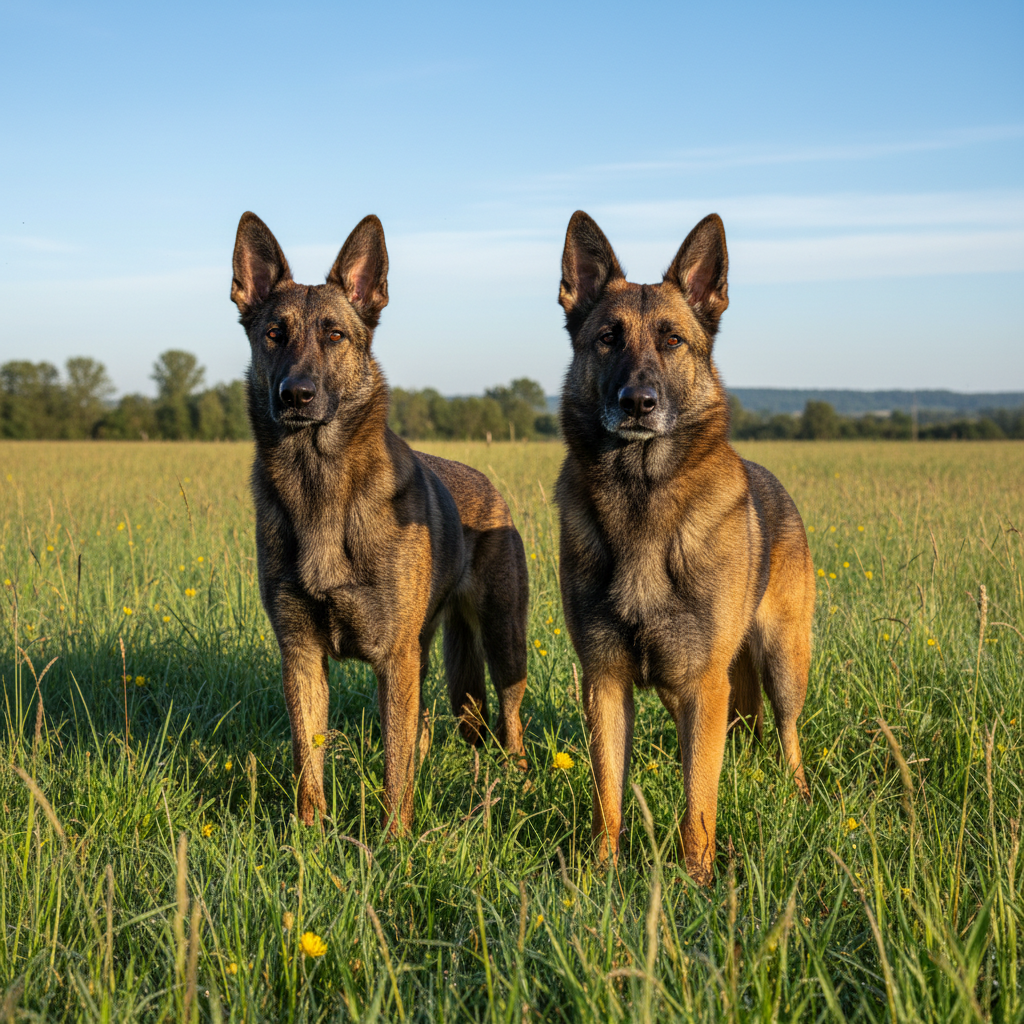
The Dutch Shepherd's rise is well-deserved. They are brilliant, capable, and profoundly loyal dogs. But this surge in popularity also brings a responsibility for prospective owners to truly understand what they are getting into. Before you sign that breeder contract this spring, take a heartfelt reality check:
- Time Commitment: Do you truly have 2+ hours daily to dedicate to physical exercise and mental stimulation, year-round, rain or shine? This includes training sessions, structured walks, and dedicated play.
- Financial Commitment: Can you afford high-quality food, potential sport training classes, specialized veterinary care, and insurance? These dogs are an investment.
- Lifestyle Match: Is your lifestyle truly compatible with a high-drive working dog? Do you enjoy dog sports, long hikes, and consistent training? Or are you looking for a casual companion? Be brutally honest.
- Ethical Breeder Search: Have you thoroughly researched breeders, visited kennels, met parent dogs, and asked about health testing and temperament guarantees? Avoid puppy mills and backyard breeders at all costs.
The Dutch Shepherd is not merely a pet; they are a partner, a project, and a profound commitment. For the right person or family, they are an unparalleled, intelligent, and deeply rewarding companion. For those unprepared, the journey can be challenging for both dog and owner. Do your homework, connect with experienced owners, and ensure you're ready for the wonderful, demanding, brindle adventure that awaits.
Key Takeaways
- The Dutch Shepherd is rapidly growing in popularity, especially in working dog fields, due to their balance of high drive and an impressive 'off-switch.'
- Essential enrichment includes structured walks, cooperative grooming, puzzle feeders, a sport outlet, and a solid crate routine to prevent behavioral issues.
- Be aware of potential health concerns like Inflammatory Myopathy, hip dysplasia (especially in KNPV lines), and dietary sensitivities.
- Understanding the difference between working lines and show lines is critical for choosing a Dutch Shepherd that fits your lifestyle.
- A Dutch Shepherd requires significant time, financial, and lifestyle commitment; thorough research and an honest self-assessment are crucial before adoption.
Frequently Asked Questions About Dutch Shepherds
Q: Are Dutch Shepherds good family dogs?
A: For the right, active, and committed family, a well-socialized and properly exercised Dutch Shepherd can be an excellent family dog. They are loyal and protective. However, they are high-energy working dogs and require consistent training, boundaries, and a significant outlet for their drives. They are generally not recommended for first-time dog owners or families seeking a low-maintenance pet.
Q: How much exercise does a Dutch Shepherd need daily?
A: Dutch Shepherds typically require at least 1.5 to 2 hours of dedicated physical exercise daily, which should include vigorous activities like running, fetching, or structured walks. Crucially, they also need extensive mental stimulation through training, puzzle feeders, and dog sports to truly be content and well-behaved.
Q: What is the average lifespan of a Dutch Shepherd?
A: With proper care, nutrition, and regular veterinary check-ups, Dutch Shepherds generally live between 11 to 14 years. Responsible breeding practices and proactive health management contribute significantly to their longevity.
Q: Do Dutch Shepherds shed a lot?
A: Yes, Dutch Shepherds have a dense double coat and are moderate to heavy shredders, particularly during seasonal changes. Regular brushing (2-3 times a week, more during shedding season) is essential to manage loose hair and maintain coat health.
Q: What's the main difference between a Dutch Shepherd and a Belgian Malinois?
A: While both are high-drive working breeds, Dutch Shepherds often exhibit a slightly more pronounced 'off-switch,' allowing them to settle down more easily after intense activity compared to the often relentless energy of a Malinois. Dutch Shepherds are also known for a more stable temperament in varied situations, though both breeds require expert handling and extensive training.
Frequently Asked Questions
Are Dutch Shepherds good family dogs?+
For the right, active, and committed family, a well-socialized and properly exercised Dutch Shepherd can be an excellent family dog. They are loyal and protective. However, they are high-energy working dogs and require consistent training, boundaries, and a significant outlet for their drives. They are generally not recommended for first-time dog owners or families seeking a low-maintenance pet.
How much exercise does a Dutch Shepherd need daily?+
Dutch Shepherds typically require at least 1.5 to 2 hours of dedicated physical exercise daily, which should include vigorous activities like running, fetching, or structured walks. Crucially, they also need extensive mental stimulation through training, puzzle feeders, and dog sports to truly be content and well-behaved.
What is the average lifespan of a Dutch Shepherd?+
With proper care, nutrition, and regular veterinary check-ups, Dutch Shepherds generally live between 11 to 14 years. Responsible breeding practices and proactive health management contribute significantly to their longevity.
Do Dutch Shepherds shed a lot?+
Yes, Dutch Shepherds have a dense double coat and are moderate to heavy shredders, particularly during seasonal changes. Regular brushing (2-3 times a week, more during shedding season) is essential to manage loose hair and maintain coat health.
What's the main difference between a Dutch Shepherd and a Belgian Malinois?+
While both are high-drive working breeds, Dutch Shepherds often exhibit a slightly more pronounced 'off-switch,' allowing them to settle down more easily after intense activity compared to the often relentless energy of a Malinois. Dutch Shepherds are also known for a more stable temperament in varied situations, though both breeds require expert handling and extensive training.
Sources
Related Reading
- Cane Corso Craze: Why This Giant Breed is Taking Over American Suburbs
- The 2026 Cirneco dell'Etna Awakening: Your City Apartment's Next Low-Shedding Companion
- The Silken Windhound Surge of 2026: Why This Gentle American Sighthound is Winning Hearts
- Lagotto Romagnolo Craze 2026: Why This Truffle Dog is Trending!
- Canicross Explosions in 2026: The Year Running with Your Dog Became a Phenomenon
Share this story
Pin this to your Dog Lifestyle & Breeds board
Breed profiles, gear roundups, and dog-friendly travel inspo.
Liked this story?
Share it with someone who should read it.
More from Dog Breeds & Lifestyle

Puppy Socialization Rewritten: Why 20 Weeks is the New 14!

Bird Flu in Dogs 2026: Urgent H5N1 Warnings for Dog Owners
