Canicross Explosions in 2026: The Year Running with Your Dog Became a Phenomenon
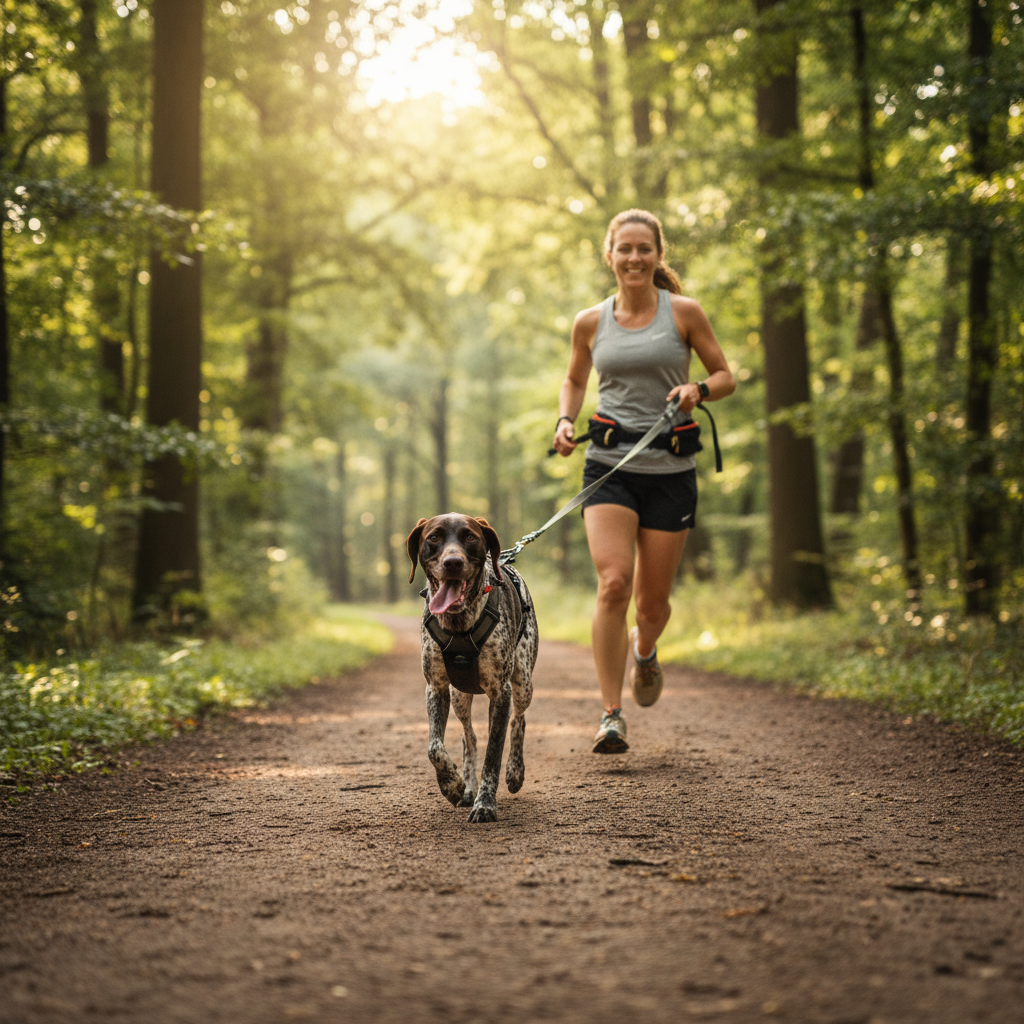
Canicross, the exhilarating sport of running with your dog, has officially taken the world by storm in 2026! What was once a niche activity for a dedicated few has exploded into a mainstream fitness phenomenon. This year, millions of dog owners are lacing up their shoes and harnessing their pups, eager to experience the incredible physical and emotional benefits of this dynamic outdoor sport. From urban trails to forest paths, canicross is everywhere, making 2026 the year of the dog-powered athlete. Ready to join the revolution? We've got everything you need to know to get started.

Canicross, the exhilarating sport of running with your dog, has officially taken the world by storm in 2026! What was once a niche activity for a dedicated few has exploded into a mainstream fitness phenomenon. This year, millions of dog owners are lacing up their shoes and harnessing their pups, eager to experience the incredible physical and emotional benefits of this dynamic outdoor sport. From urban trails to forest paths, canicross is everywhere, making 2026 the year of the dog-powered athlete. Ready to join the revolution? We've got everything you need to know to get started.
Quick Summary
- Canicross is booming: 2026 marks the year canicross went mainstream, with participation soaring globally.
- Benefits galore: Enjoy improved fitness, stronger dog-owner bonds, and a fantastic outdoor experience.
- Gear up smart: Essential equipment includes a canicross harness, bungee line, and waist belt.
- Breed isn't everything: While some breeds excel, many dogs can enjoy canicross with proper training.
- Start slow, stay consistent: A progressive training plan is key to safely introducing your dog to the sport.
The Canicross Craze: Why 2026 is Its Apex Year
Just a few years ago, canicross was a well-kept secret among Nordic sports enthusiasts and a small but passionate community of trail runners. Fast forward to June 7, 2026, and it's practically impossible to scroll through social media, fitness blogs, or even mainstream news without seeing stories of happy humans and their even happier dogs flying through trails, united by a bungee line. So, what ignited this sudden, explosive growth?
Several factors have converged to create the perfect storm for canicross's ascendance. Firstly, the ongoing global emphasis on outdoor activities and mental well-being has pushed people to seek new, engaging ways to stay active. Traditional gym routines can feel monotonous, and solo running, while beneficial, sometimes lacks that extra spark. Enter canicross, offering a unique blend of cardiovascular exercise, mental stimulation for dogs, and an unparalleled bonding experience.
Secondly, the advancements in canicross gear have made the sport more accessible and comfortable than ever before. Gone are the days of makeshift setups. Today, specialized harnesses, bungee lines, and ergonomic waist belts distribute pressure effectively, ensuring safety and comfort for both dog and runner. This ease of entry has significantly lowered the barrier for newcomers.
Finally, the power of community cannot be overstated. Online forums, local clubs, and social media groups dedicated to canicross have flourished, providing invaluable support, training tips, and a sense of belonging for new participants. Seeing others share their joyful dog running experiences is incredibly motivating, further fueling the trend.
The Science Behind the Smile: Benefits for You and Your Dog
The appeal of canicross isn't just anecdotal; it's backed by a wealth of physical and psychological benefits. For humans, it's an incredible full-body workout. The added pull from your dog engages your core, strengthens your legs, and provides a cardiovascular challenge that often surpasses solo running. Many runners report improved running form, increased speed, and enhanced endurance after integrating canicross into their routine.
For our canine companions, canicross is a dream come true. It taps into their natural instinct to run and pull, providing an unparalleled outlet for their energy. This isn't just about physical exertion; it's a profound form of mental enrichment. Dogs thrive on having a job, and working in partnership with their human fulfills this need. The focused effort helps reduce anxiety, curb destructive behaviors often linked to boredom, and promotes a calm, satisfied demeanor at home. It's truly a win-win situation.
Canicross Takes Center Stage: Expert Insights and Statistics
According to data released in early 2026 by the International Canicross Federation (ICF), global participation in organized canicross events saw an astonishing 300% increase in 2025 alone, with projections for 2026 indicating an even steeper rise. Major sports brands are now actively sponsoring events and developing specialized product lines, a clear indicator of the sport's mainstream arrival. Dr. Amelia Ramirez, a renowned canine sports physiologist, notes, "We're seeing an unprecedented understanding of the dog as an athletic partner. Canicross isn't just about exercise; it's about fostering a deeper, more active relationship, and that resonates deeply with today's pet owners."
The economic impact is also significant. The canicross equipment market, encompassing everything from harnesses to safety lights, is estimated to reach over $500 million globally by year-end, creating jobs and fostering innovation within the pet and fitness industries. Local parks and trail networks are reporting increased usage, highlighting the positive impact on community health and outdoor engagement.
The Best Canicross Breeds: Who Can Join the Fun?
While some breeds are undeniably born for the trails, the beauty of canicross is its inclusivity. Many dogs, regardless of their specific breed, can become fantastic canicross partners with the right approach. The key is to assess your dog's individual fitness level, enthusiasm, and overall health.
Top Contenders (Naturally Gifted Trail Hounds)
- Siberian Huskies & Alaskan Malamutes: These breeds are literally built for pulling! Their endurance, strength, and love for running make them natural canicross stars. They thrive in cooler weather and require significant exercise.
- German Shorthaired Pointers & Vizslas: High-energy, intelligent, and eager to please, these hunting breeds possess excellent stamina and a desire to work. They are often incredibly fast and agile on trails.
- Border Collies & Australian Shepherds: Known for their intelligence and boundless energy, these herding breeds excel in sports that require focus and a strong partnership. They love having a job to do.
- Mixed Breeds: Don't underestimate the power of a good mixed breed! Many shelter dogs, particularly those with a blend of the above characteristics, can make phenomenal canicross companions. Look for medium-sized dogs with lean builds and apparent endurance.
Unexpected Stars (With the Right Training)
Even breeds not traditionally associated with endurance running can enjoy canicross, provided they are healthy and introduced appropriately.
- Labrador Retrievers & Golden Retrievers: While perhaps not as naturally inclined to pull as northern breeds, their athleticism, trainability, and eagerness to please make them adaptable canicross partners. Focus on consistent, positive reinforcement training.
- Standard Poodles: Surprisingly strong and athletic, Standard Poodles have the stamina and intelligence to excel. Their low-shedding coats can also be a plus for some owners.
- Beagles & Coonhounds: These scent hounds possess incredible stamina and a love for the outdoors. The main challenge often lies in managing their strong prey drive, but with consistent training, they can be excellent partners.
Important Note: Brachycephalic (flat-faced) breeds like Pugs, Bulldogs, and French Bulldogs are generally not suited for canicross due to their compromised respiratory systems, which can lead to overheating and severe health issues during strenuous activity. Similarly, very small toy breeds or giant breeds with joint concerns may find the sport too demanding. Always consult your veterinarian before starting any new intensive exercise program with your dog.
Gearing Up for Canicross: Essential Equipment
One of the reasons for canicross's popularity surge is its relatively low barrier to entry regarding equipment. You don't need highly specialized, expensive machinery. However, having the right gear is crucial for safety, comfort, and performance for both you and your dog.
1. The Canicross Harness (For Your Dog)
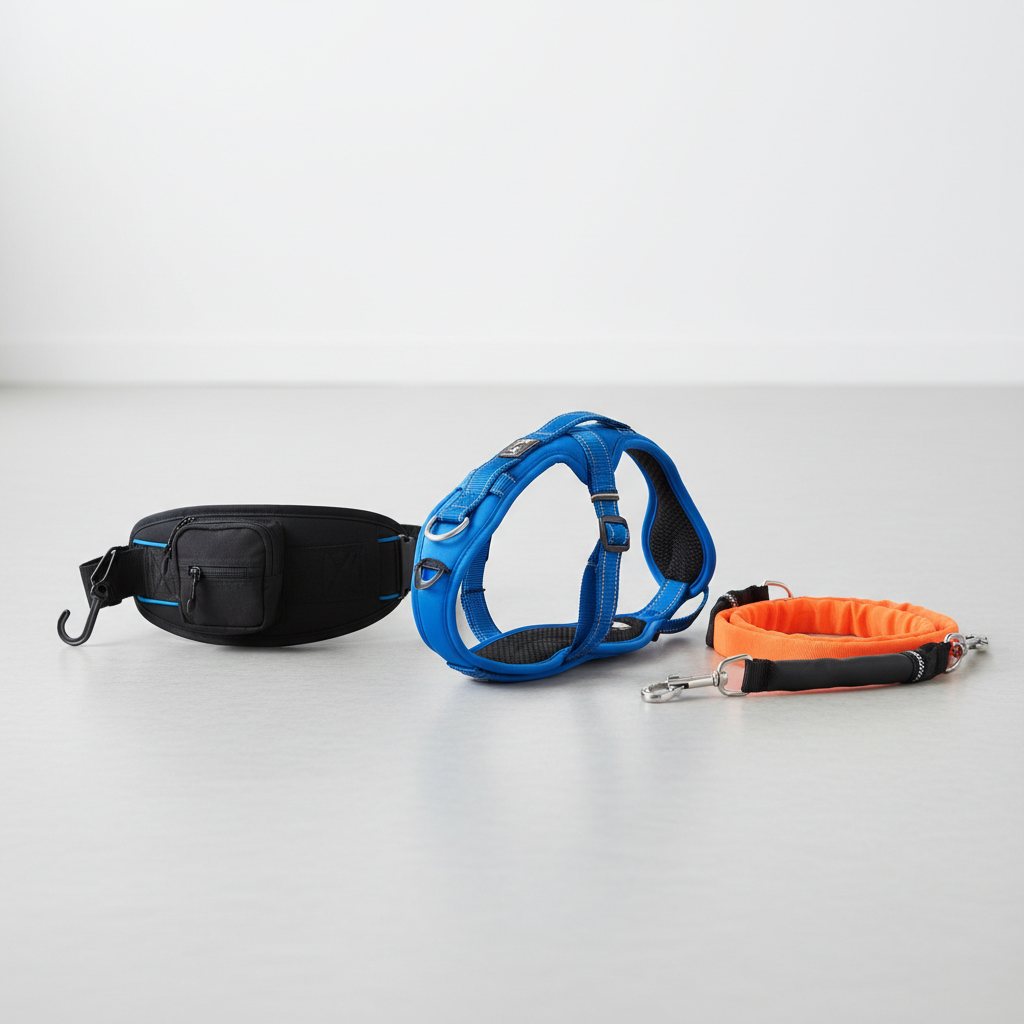
This is perhaps the most critical piece of equipment. A proper canicross harness is designed specifically for pulling, distributing pressure evenly across your dog's chest and shoulders, away from their neck and throat. Look for:
- X-back or H-back design: These styles allow for maximum freedom of movement and efficient power transfer.
- Padded construction: Essential for preventing chafing and ensuring comfort on longer runs.
- Adjustability: A good fit is paramount. Ensure the harness allows for a full range of motion without restricting breathing or stride.
Avoid using a regular walking harness or, worse, a collar, as these can cause injury to your dog's neck and spine when pulling.
2. The Bungee Line (Your Connection)
Also known as a tow line, this is the leash that connects you to your dog's harness. The canicross line is specially designed with an integrated bungee section that acts as a shock absorber. This smooths out any sudden pulls, protecting both your dog's spine and your lower back. Look for:
- Appropriate length: Typically between 1.8 to 2.5 meters (6-8 feet) when extended, allowing your dog enough space to run comfortably ahead of you without getting tangled.
- Strong, durable material: Must withstand repeated pulling and various weather conditions.
3. The Canicross Waist Belt (For You)
This ergonomic belt is worn around your hips, allowing you to run hands-free and distribute the pulling force across your core, rather than your arms or back. This protects your spine and maintains a natural running posture. Key features include:
- Wide, padded design: Spreads the load comfortably across your lower back and hips.
- Leg loops (optional but recommended): Prevent the belt from riding up, especially on inclines or when your dog pulls hard.
- Attachment point for the bungee line: A secure, usually quick-release, connection point for safety.
4. Running Shoes (For You)
While not specific to canicross, a good pair of trail running shoes with adequate grip and cushioning is essential, especially when navigating varied terrain. Your dog will be pulling you forward, and reliable footwear helps prevent slips and provides stability.
5. Other Useful Items
- Water bottle and collapsible bowl: Hydration is paramount for both of you.
- Poop bags: Always be a responsible trail user!
- GPS watch or fitness tracker: To monitor your progress and routes.
- Headlamp/reflective gear: If running in low light conditions.
Your Weekend Training Plan: Starting Canicross Safely
Excited to hit the trails? Fantastic! But rushing into canicross without proper preparation can lead to injury or discourage your dog. A slow, progressive approach is crucial. Here's a beginner-friendly plan to get you and your dog started this weekend (weather permitting, of course!).
Day 1: Gear Introduction & Positive Association (Saturday Morning)
Goal: Get your dog comfortable with the harness and bungee line.
- Harness Time (15-20 minutes): Put the canicross harness on your dog inside the house. Reward heavily with treats and praise. Let them wear it for short periods while playing or giving them a meal. The goal is positive association. Do NOT attach the bungee line yet.
- Short Walk (15 minutes): Once comfortable with the harness, go for a very short, relaxed walk with your dog in the harness and on their regular leash. Pay attention to their movement. Does anything chafe? Is their stride free?
- Introduce the Bungee (5-10 minutes): Back inside or in a quiet, fenced yard, attach the bungee line to the harness and hold the other end (don't attach to your waist belt yet). Let your dog sniff it, walk around with it dragging, and reward calm behavior. Maybe even a few gentle tugs from you, followed by treats, to introduce the idea of pressure and reward. Keep it fun and low-pressure.
Day 2: First Short Pulls & Commands (Sunday Morning)
Goal: Introduce the concept of pulling and basic canicross commands.
- Gear Up & Walk (20 minutes): Put on your waist belt, attach the bungee line to your dog's harness and your belt. Go for a brisk walk in a familiar, quiet area (a park or wide path is ideal) where distractions are minimal. Start with a very loose line.
- Introduce 'Forward' (10-15 minutes): As you walk, when your dog is slightly ahead and moving in the desired direction, use your chosen command for
Frequently Asked Questions
What is Canicross?+
Canicross is an exhilarating outdoor sport where a runner is connected to their dog via a bungee line and a specialized harness worn by the dog. The dog runs ahead, pulling the human, making it a fantastic team activity that combines running and dog mushing principles.
Is Canicross safe for all dogs?+
No, canicross is not suitable for all dogs. Brachycephalic (flat-faced) breeds, very small toy breeds, puppies, senior dogs, and dogs with underlying health conditions or joint issues should generally not participate. Always consult your veterinarian to ensure your dog is fit for canicross before starting.
What's the most important piece of Canicross equipment?+
The dog's harness is arguably the most crucial piece of equipment. A specially designed canicross harness (like an X-back or H-back) distributes pressure evenly across the dog's chest and shoulders, preventing injury and allowing for free movement, as opposed to a regular walking harness or collar.
How long should my first Canicross runs be?+
Your very first 'runs' should be more like brisk walks with your dog gently pulling for short bursts – think 5-10 minutes of actual pulling, interspersed with walking. Gradually increase duration over weeks and months, always watching your dog for signs of fatigue or discomfort.
Can I train my dog to pull for Canicross?+
Yes! Most dogs can be trained to pull for canicross using positive reinforcement. Start with clear verbal cues like 'Forward' or 'Gee' (right) and 'Haw' (left), rewarding them when they move in the desired direction or apply pressure to the line. Consistency and patience are key.
Sources
Related Reading
Share this story
The PawPulse Newsroom is a small editorial team of dog owners, trainers, and pet-industry writers reporting on dog health, training, nutrition, and breed trends.
Pin this to your Dog Lifestyle & Breeds board
Breed profiles, gear roundups, and dog-friendly travel inspo.
Liked this story?
Share it with someone who should read it.
More from Dog Breeds & Lifestyle

The Rhodesian Ridgeback: America's New Favorite Family Dog?

Night Barking Solved! Why Your LGD Isn't Misbehaving After Dark
