Eco-Friendly Dog Gear: Sustainable Swaps for the Conscious Pet Parent
A practical, stylish guide to sustainable dog gear swaps that reduce waste, support better materials, and still keep your dog comfortable and safe.

Eco-Friendly Dog Gear: Sustainable Swaps for the Conscious Pet Parent
If you love dogs and care about the planet, you’ve probably noticed how quickly “pet stuff” adds up: collars, toys, beds, bowls, coats, bags, and the constant cycle of replacing worn-out gear. The good news? Going greener with your dog’s essentials doesn’t have to mean sacrificing style, durability, or comfort.
Small swaps can make a meaningful difference. A hemp leash instead of a synthetic one. A recycled-fiber bed instead of a foam-heavy version. A refillable waste-bag dispenser instead of single-use packaging every month. These choices won’t make a dog “zero waste” overnight, but they can shrink your footprint while supporting brands that do better.
This guide breaks down eco-friendly dog gear in a practical, no-guilt way. You’ll learn what to look for, what to skip, and how to build a more sustainable routine for your dog—without overbuying.
Quick Summary
- Sustainable dog gear usually means durable materials, repairability, and less packaging—not perfection.
- Swap the most-used items first: collars, leashes, beds, toys, bowls, and poop bags.
- Look for recycled, renewable, biodegradable, or responsibly sourced materials, but check quality and safety too.
- Buying fewer, better-made items is often the greenest choice.
- You can save money over time by choosing gear that lasts longer and can be washed, refilled, or repaired.
Why Eco-Friendly Dog Gear Matters
Pet products are a big business, and not all of them are designed with longevity in mind. Fast-turnover pet gear can mean more plastic, more packaging, and more landfill waste when items wear out or get “upgraded” before they’re actually done.
For dog parents, sustainability is usually about three things:
- Materials: What the product is made from
- Durability: How long it lasts in real-world use
- End-of-life: Whether it can be reused, repaired, recycled, or composted
That matters because dogs use a lot of stuff. Even a fairly minimalist home may cycle through multiple toys, several leashes, bedding, treat containers, grooming tools, and travel accessories over a dog’s lifetime.
The most eco-friendly gear is often the gear you do not need to replace often.
How to Shop Sustainably Without Falling for Greenwashing
“Eco-friendly” is a popular label, but it is not always a guarantee. Some products use leafy branding while still relying on vague claims and hard-to-recycle components.
Before you buy, ask a few simple questions:
1. What is it made of?
Good signs include:
- Organic cotton
- Hemp
- Recycled polyester
- Recycled nylon
- Natural rubber
- Stainless steel
- Bamboo from responsible sources
- Wool or felt from transparent supply chains
Be cautious with products that say “plant-based” or “eco” without naming the actual material percentages.
2. Will it last?
A truly sustainable product should hold up to your dog’s lifestyle. If your dog is a leash chewer, a flimsy “green” leash is not a good swap.
Look for:
- Reinforced stitching
- Replaceable parts
- Washable fabrics
- Strong hardware
- Clear size and weight guidance
3. Can it be repaired or reused?
Some brands offer repair programs, replacement parts, or return take-back systems. Those features can make a real difference.
4. Is the packaging minimal?
Low-waste packaging matters too, especially for frequently replaced items like treats, waste bags, and grooming supplies.
5. Does the brand share details?
Better brands tend to explain where materials come from, how items are made, and what certifications or standards they use.
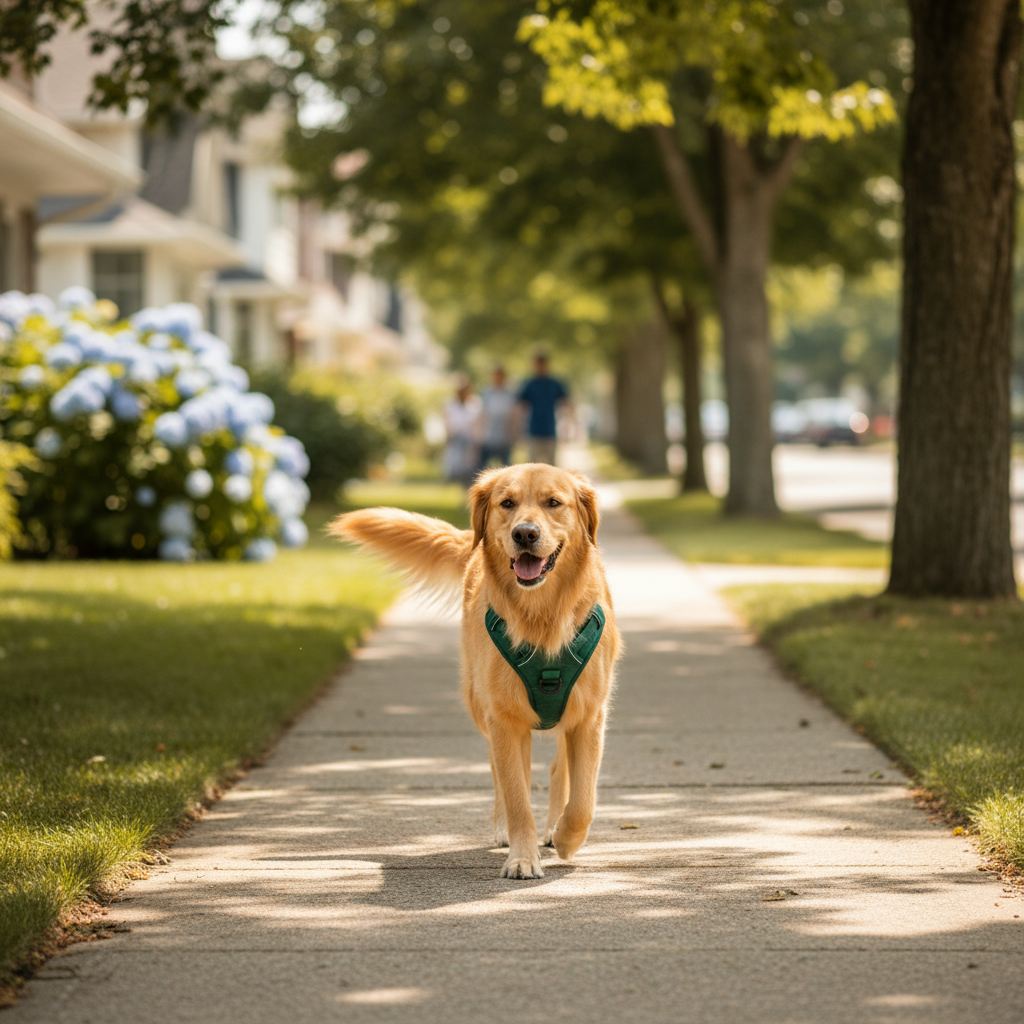 A durable harness can be both practical and lower-impact.
The Best Sustainable Swaps for Everyday Dog Gear
You do not need to replace everything at once. Start with the items your dog uses most often, then upgrade as things wear out.
1. Collars and harnesses: choose recycled or plant-based fibers
Collars and harnesses are among the easiest places to make a smart swap.
Look for:
- Recycled nylon or polyester webbing
- Hemp blends
- Organic cotton padding
- Metal hardware instead of plastic clips where appropriate
Why it helps:
- Stronger materials last longer
- Recycled fibers reduce demand for virgin plastic
- Well-made harnesses are often adjustable and easier to reuse for another dog later
Practical tip: If your dog pulls, prioritize fit and structure first. A sustainable harness that does not fit correctly is not sustainable in practice.
2. Leashes: buy fewer, better-made options
A leash is one of those items that can seem simple—but quality matters. A durable leash can last years.
Eco-conscious leash options may include:
- Recycled climbing-rope styles
- Hemp webbing leashes
- Leather from responsibly managed by-products, if that aligns with your values
- Repairable designs with replaceable clips or clasps
What to avoid:
- Cheap hardware that bends
- Weak stitching at stress points
- Overly trendy designs that will be replaced quickly
If you walk daily, a well-made leash can become one of the best long-term investments in your dog kit.
3. Beds: go for washable, refillable, and recycled-fill designs
Dog beds are often bulky, which makes them a big sustainability opportunity.
Better bed features include:
- Removable, washable covers
- Recycled-fiber fill
- Replaceable inserts
- Organic cotton or durable canvas covers
- Firm construction that keeps shape over time
A washable cover is especially helpful if your dog sheds, drools, or brings in outdoor dirt.
A smart move is to replace just the cover when possible rather than the whole bed.
4. Toys: choose durable, safe, and low-waste
Dog toys can be one of the biggest sources of quick waste. Many cheap toys are designed to be destroyed fast, which is rough on your wallet and the planet.
Sustainable toy ideas include:
- Natural rubber chew toys
- Hemp rope toys
- Recycled-fabric plush toys
- Stuffable toys that can be used with scraps or DIY fillers
- Puzzle toys that reduce how many toys you need overall
A word of caution: “natural” does not always equal safe for every dog. Always choose toys sized correctly for your dog and supervise new items, especially if your dog is an enthusiastic chewer.
5. Food and water bowls: upgrade to long-lasting materials
Bowls are a low-drama swap that can last a very long time.
Best eco-friendly options often include:
- Stainless steel
- Ceramic from a reputable maker
- Recycled or BPA-free materials with transparent sourcing
Stainless steel is a strong favorite because it is durable, easy to clean, and widely recyclable.
If you use elevated feeders, look for sturdy construction and replaceable bowls rather than all-in-one units that are hard to repair.
6. Poop bags: choose compostable only when it makes sense
Waste bags are one of the most obvious everyday plastic-use issues for dog parents. Biodegradable and compostable bags are popular alternatives, but it is worth reading the fine print.
Look for:
- Clear certification
- Compostable claims that match your local waste system
- Recycled-content packaging
- Easy-to-carry, minimal packaging
Important note: Not all compostable bags can go into backyard compost or municipal green bins. Many require industrial composting facilities, which may not be available in your area.
In other words, the “greenest” bag is the one that fits your local disposal rules and reduces plastic where possible.
7. Grooming tools: buy tools that last
Brushes, combs, nail clippers, and shampoo bottles can also be part of a more sustainable routine.
Better choices include:
- Metal combs and slicker brushes with replaceable pads
- Refillable shampoo or concentrated formulas
- Tools made with stainless steel, bamboo, or durable recycled handles
- Reusable wash mitts instead of disposable grooming wipes when possible
A quality brush can serve multiple dogs over many years, especially if you clean and store it well.
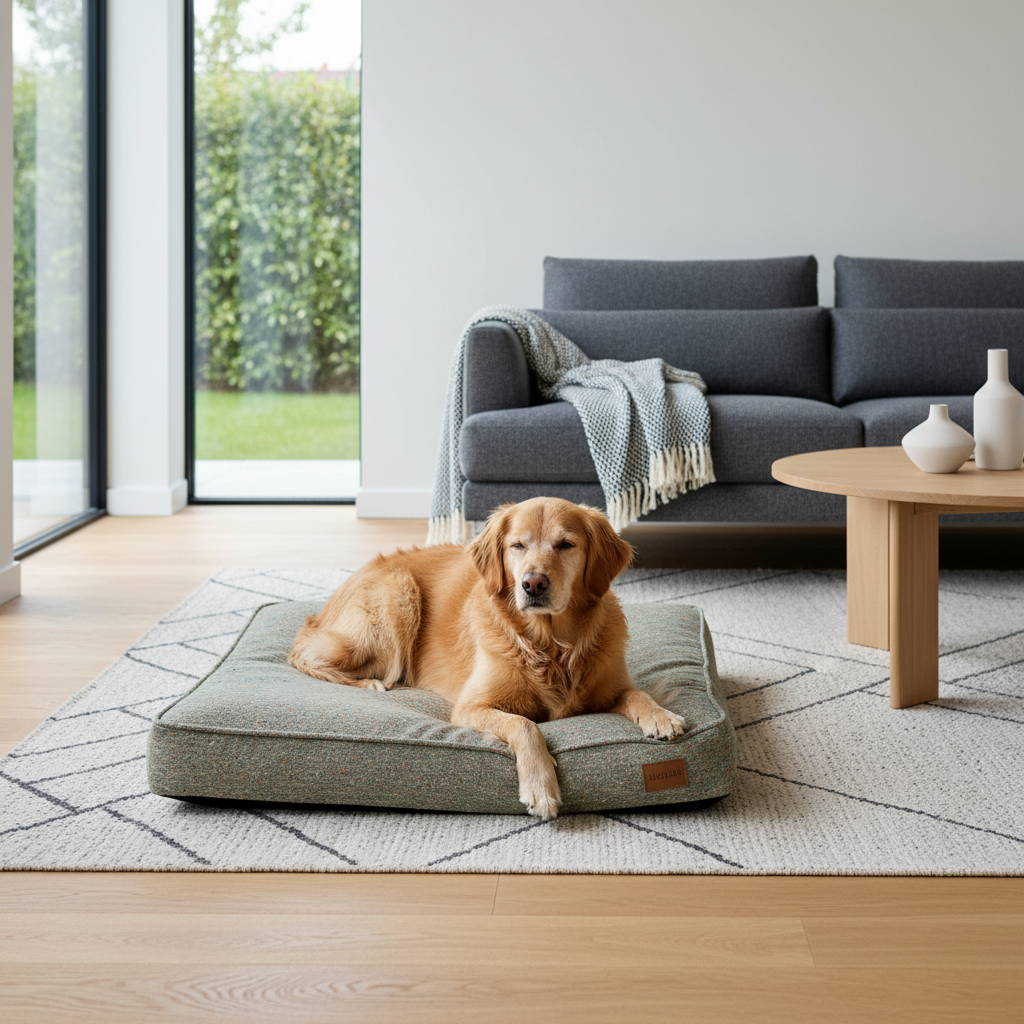 Washable, refillable beds are a smart long-term swap.
Sustainable Swaps by Dog Lifestyle
The best eco-friendly gear depends on how you and your dog live. A tiny apartment dog, an off-grid adventurer, and a beach-loving Labrador will not need the same setup.
For city dogs
Urban dogs often benefit from compact, multifunctional gear:
- Foldable bowls
- One durable walking leash instead of several fashion versions
- A washable coat or rain shell
- A compact treat pouch made from recycled fabric
City life often means more pavement wear, so shoes or paw protection may also be worth considering in extreme heat or winter, but only if your dog tolerates them well.
For hiking and outdoor dogs
If your dog spends a lot of time on trails, durability becomes the priority.
Look for:
- Strong harnesses with reflective details
- Recycled or hemp rope leashes
- Packable water gear
- Lightweight first-aid storage pouches
- Tough toys made for high-chew dogs
It is better to buy one trail-ready harness that lasts than to replace two flimsy ones.
For senior dogs
Older dogs often need comfort-focused gear that still holds up.
Smart swaps include:
- Orthopedic beds with removable, washable covers
- Non-slip bowls
- Easy-step harnesses with soft padding
- Blankets made from recycled or organic fibers
Senior comfort and sustainability can absolutely go together if you choose well-made, easy-care products.
For puppies
Puppies are adorable, chaotic, and famously hard on gear.
The sustainable move is not to buy a pile of cute stuff. It is to buy a small number of sturdy items and expect to replace only what is truly outgrown.
Focus on:
- Adjustable collars and harnesses
- Durable chew toys
- Washable bedding
- Simple feeding gear
Puppies change quickly, so avoid overcommitting to ultra-specific sizes or seasonal accessories unless you know they will be used.
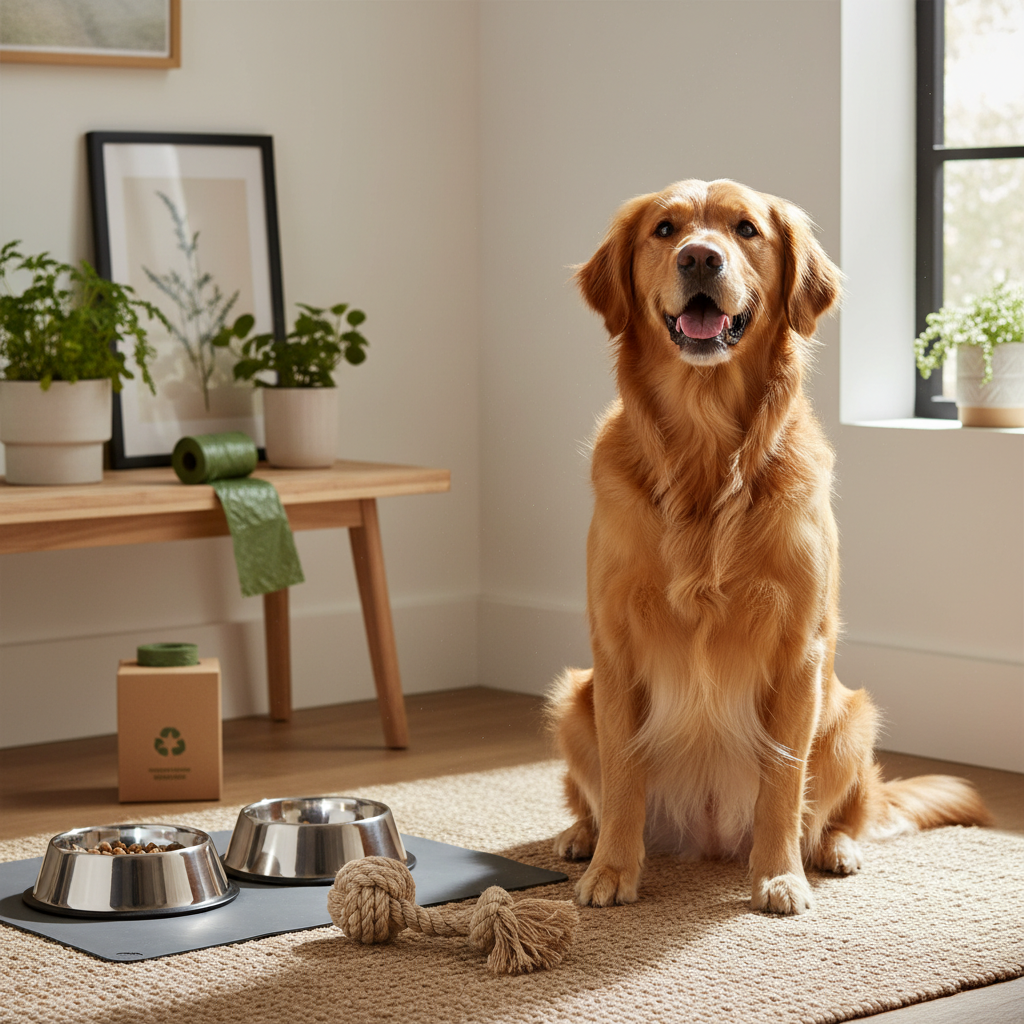 Simple everyday items can lower waste without complicating your routine.
Materials to Look For, and Materials to Question
Eco-friendly shopping becomes easier once you know the common materials.
Materials worth seeking out
- Hemp: Strong, naturally durable, and often lower-impact than synthetic fibers
- Organic cotton: Good for soft accessories and bedding covers
- Recycled polyester/nylon: Helps reduce demand for virgin plastics
- Natural rubber: Common in chew toys and some mats
- Stainless steel: Excellent for bowls and some grooming tools
- Bamboo: Can be a solid option when sourced responsibly
Materials to question
- PVC: Often less desirable from an environmental standpoint
- Mixed-material products: Harder to recycle when glued or fused together
- Overly cheap synthetic fabrics: May wear out quickly, leading to more waste
- Unclear “eco” blends: If you cannot tell what it is, it is harder to judge its impact
The goal is not to memorize every material. It is to notice when a product is built for reuse instead of replacement.
How to Build a Sustainable Dog Gear Kit on a Budget
Going green does not have to mean going premium on everything. In fact, some of the most sustainable shopping habits are budget-friendly.
Start with a “replace, don’t stockpile” rule
Only upgrade items as they wear out. There is no need to throw away usable gear just because a new eco-friendly version exists.
Buy multi-use items
Examples:
- A harness that works for daily walks and car travel
- A towel that handles both baths and muddy hikes
- A treat pouch that clips to a leash or belt
- A washable blanket that doubles as crate bedding
Check secondhand first
Used gear can be a great sustainable choice if it is clean, safe, and structurally sound.
Good secondhand candidates:
- Crates
- Beds with replaceable covers
- Rain coats
- Bowls
- Back-up leashes
Avoid secondhand items with:
- Frayed straps
- Cracked plastic
- Weak hardware
- Hidden odor or cleaning issues
Repair before replacing
A broken clip or a torn seam may be fixable. Small repairs can extend the life of a favorite item and reduce waste.
Choose neutral, timeless designs
A well-made, simple collar in a classic color is less likely to feel outdated than something trend-driven that you’ll want to swap out next season.
What to Do With Old Dog Gear
The sustainable journey does not end when you upgrade. End-of-life planning matters too.
Here are a few options:
- Donate gently used gear to shelters or rescue groups if accepted
- Pass it along to friends, neighbors, or family with dogs
- Repurpose old blankets as crate liners or car covers
- Recycle metal parts where local programs accept them
- Discard responsibly if the item is damaged, contaminated, or unsafe for reuse
For anything involving food residue, pests, or heavy wear, safety comes first. Not every item should be donated.
A Simple Sustainable Dog Gear Checklist
If you want a quick shopping guide, use this:
- Is it durable enough for my dog’s actual lifestyle?
- Can it be washed, repaired, refilled, or reused?
- Does the brand explain the materials clearly?
- Is the packaging minimal?
- Do I truly need this item, or am I replacing something that still works?
- Can I buy secondhand or choose a longer-lasting version instead?
That one checklist can prevent a lot of impulse buys.
The Bottom Line
Eco-friendly dog gear is not about perfection or owning the most “green” products. It is about making thoughtful swaps that lower waste, last longer, and fit your dog’s real life.
If you start with the items your dog uses every day—collar, leash, bed, bowl, toys, and waste bags—you can make meaningful progress without overwhelming your budget or your routine.
The most sustainable pet-parent habit is simple: buy less, buy better, and use what you already have as long as it remains safe and functional.
FAQs
What is the most eco-friendly dog gear swap to make first?
The easiest place to start is usually with items you replace often, like waste bags, toys, or bedding covers. If your current collar or leash is still safe and sturdy, keep using it until it wears out.
Are compostable poop bags really better for the environment?
Sometimes, but only if your local waste system can handle them properly. Compostable bags are not automatically better everywhere, so check disposal rules in your area.
Is secondhand dog gear safe?
Often, yes—if the item is clean and in good condition. Prioritize safety and structural integrity. Avoid used items with broken hardware, major fraying, or contamination.
What material is best for a sustainable dog bowl?
Stainless steel is a strong option because it is durable, easy to clean, and long-lasting. Ceramic can also work well if it is high quality and chip-resistant.
Do eco-friendly dog products cost more?
Sometimes upfront, yes. But higher-quality gear often lasts longer, which can lower replacement costs over time.
Key Takeaways
- The greenest dog gear is durable, repairable, and truly useful.
- Start with everyday essentials: leash, collar, bed, toys, bowls, and poop bags.
- Look for transparent material sourcing and minimal packaging.
- Secondhand, refillable, and washable products can reduce waste without sacrificing convenience.
- Sustainability is about buying less and choosing better—not chasing perfection.
Frequently Asked Questions
What should I replace first if I want more eco-friendly dog gear?+
Start with high-use items that wear out often, such as waste bags, toys, bed covers, or a worn leash. Replacing only what is needed is usually the most sustainable approach.
Are hemp leashes and collars durable enough for active dogs?+
They can be, if the product is well-made and sized correctly for your dog. Always check stitching, hardware, and weight recommendations before buying.
Can I donate old dog gear?+
Yes, if it is clean, safe, and in good condition. Shelters and rescue groups often appreciate usable crates, beds, leashes, and bowls, but always confirm what they can accept.
Are compostable poop bags always the best option?+
Not always. They are only a better choice if your local disposal system can process them correctly. Check local rules before buying.
Sources
Share this story
The PawPulse Newsroom is a small editorial team of dog owners, trainers, and pet-industry writers reporting on dog health, training, nutrition, and breed trends.
Pin this to your Dog Lifestyle & Breeds board
Breed profiles, gear roundups, and dog-friendly travel inspo.
Liked this story?
Share it with someone who should read it.
More from Dog Breeds & Lifestyle

The Rhodesian Ridgeback: America's New Favorite Family Dog?

Night Barking Solved! Why Your LGD Isn't Misbehaving After Dark
