Dog Dementia Breakthroughs: Early Detection & New Hope for Australian Shepherds
In 2026, the landscape of canine cognitive dysfunction (CCD), often called 'dog dementia,' is undergoing a revolutionary shift, especially for beloved Australian Shepherds. We're now equipped with advanced tools and knowledge to detect CCD years before traditional symptoms like sundowning or pacing become apparent. This early intervention, combined with groundbreaking treatments and dietary approaches, is offering families an unprecedented opportunity to extend and enrich the lives of their senior dogs.

Dog Dementia Breakthroughs: Early Detection & New Hope for Australian Shepherds
As of 2026, the fight against canine cognitive dysfunction (CCD), often heartbreakingly referred to as 'dog dementia,' has entered a new era. For Australian Shepherd owners, this is particularly significant, as we're now capable of identifying early markers of cognitive decline years before the tell-tale signs of sundowning, confused staring, or pacing become evident. This isn't just about extending life; it's about preserving the joyful, vibrant spirit of our companions for as long as possible.
Imagine knowing that your nine-year-old Australian Shepherd, still seemingly full of life, might be experiencing the subtle beginnings of cognitive changes. Thanks to cutting-edge research and new diagnostic tools, this isn't a dystopian vision but a powerful opportunity for early intervention that promises an average of 19 extra quality months, according to UC Davis geriatric veterinary data. This article will delve into these remarkable advancements, from revolutionary MRI biomarkers and screening tools to validated diets and effective treatment protocols, offering a beacon of hope for senior dogs and their adoring families.
Quick Summary
- Early Detection is Key: New MRI biomarkers and the SLATE-CD screening tool can identify Canine Cognitive Dysfunction in Australian Shepherds years before symptoms are noticeable.
- Dietary Power: A Mediterranean-style brain diet, validated by Tufts researchers, shows significant promise in supporting cognitive health.
- Treatment Advancements: A comparison of treatments like Selegiline, Senilife, and Purina Bright Mind reveals real-world effectiveness.
- Nighttime Anxiety Solutions: Innovative protocols are helping senior dogs sleep through the night, alleviating common 'sundowning' anxiety.
- Quality of Life Extended: Early intervention before Stage 2 CCD can add an average of 19 quality months to a dog's life, according to UC Davis data.
The Silent Threat: Understanding Canine Cognitive Dysfunction
Canine Cognitive Dysfunction is a progressive neurodegenerative disorder that mirrors Alzheimer's disease in humans. It affects senior dogs, leading to changes in memory, learning, awareness, and responsiveness. While the exact cause is complex and multifactorial, it involves plaque buildup in the brain, neuroinflammation, and oxidative stress.
Traditionally, a CCD diagnosis relied heavily on owner observations of behavioral changes, often categorized by the acronym DISHA: Disorientation, Interactions alterations, Sleep-wake cycle alterations, House-soiling, and Activity changes. However, by the time these symptoms become obvious, the disease is often already in a more advanced stage.
For Australian Shepherds, known for their intelligence, energy, and strong bond with their families, the onset of CCD can be particularly distressing. These active, biddable dogs thrive on mental stimulation, and a decline in their cognitive abilities can profoundly impact their quality of life and the human-animal bond.
Why Australian Shepherds? A Breed-Specific Look
While CCD can affect any breed, certain breeds, including Australian Shepherds, may be predisposed or exhibit particular symptom patterns. Their inherent intelligence and need for routine can make the confusion and disorientation of CCD even more pronounced and heartbreaking to witness. Understanding these breed-specific nuances is vital for both early detection and tailored management strategies.
2026's Game-Changer: MRI Biomarkers and the SLATE-CD Tool
The year 2026 marks a pivotal moment in our ability to combat CCD. We're moving beyond mere observation to objective, measurable diagnostics. Two groundbreaking advancements are leading the charge: new MRI biomarkers and the SLATE-CD screening tool.
Unlocking the Brain: New MRI Biomarkers
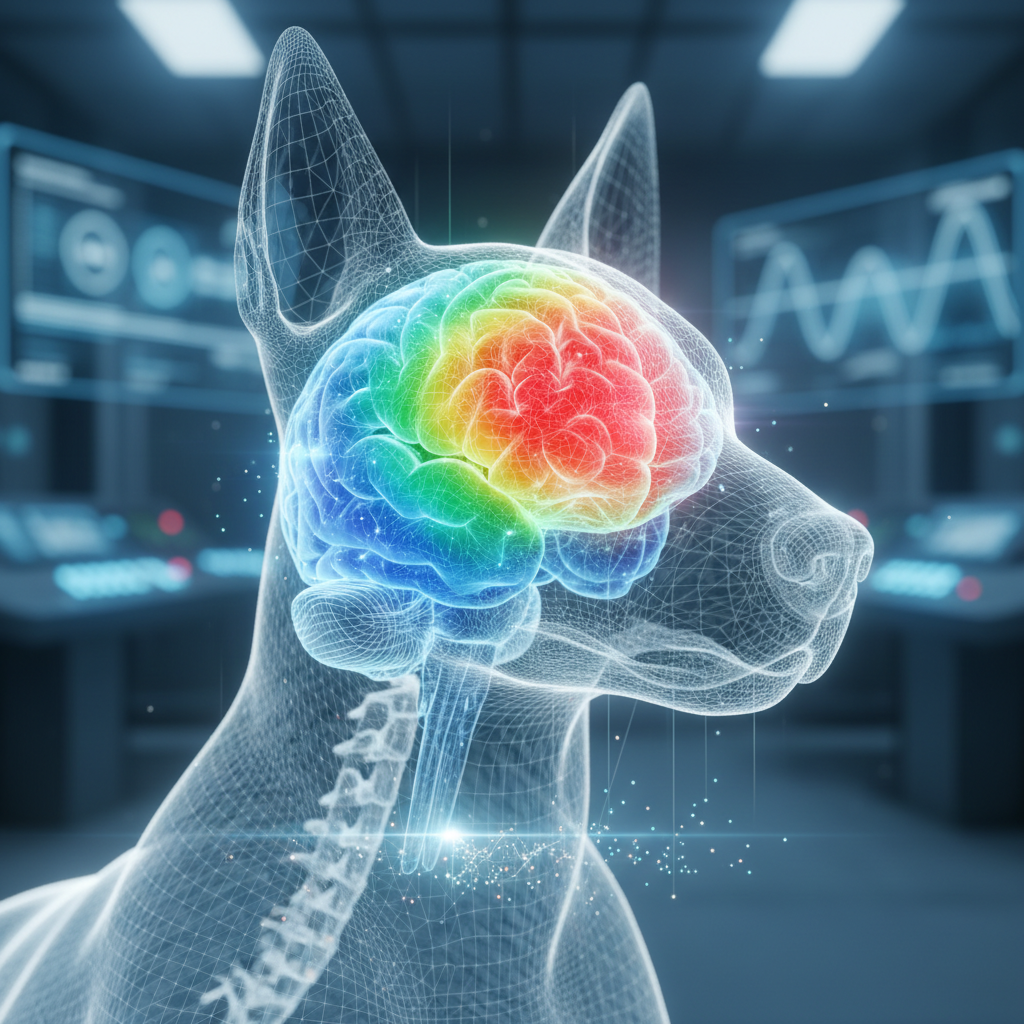
For years, definitive diagnosis of CCD often occurred post-mortem through brain tissue analysis. Now, thanks to advanced veterinary neurology and imaging techniques, we're seeing the emergence of specific MRI biomarkers that can indicate the presence of neuropathological changes associated with CCD in living dogs. These aren't just general scans; these are sophisticated imaging protocols designed to identify subtle alterations in brain structure, white matter integrity, and even metabolic activity.
Researchers are identifying patterns in brain atrophy, ventricular enlargement, and changes in diffusion tensor imaging (DTI), which measures water molecule movement in brain tissue. These subtle shifts can be indicative of neuronal damage and are often present long before behavioral symptoms manifest. For a nine-year-old Australian Shepherd, for example, these biomarkers could provide a two-year head start on intervention, allowing families to take proactive steps.
The SLATE-CD Screening Tool: A New Era of Early Detection
Alongside MRI advancements, the SLATE-CD (Senior Lifestyle Assessment and Targeted Efficacy for Canine Dementia) screening tool is revolutionizing early detection. Developed by an international consortium of veterinary neurologists and ethologists, SLATE-CD is a comprehensive, multi-faceted assessment designed to be administered by veterinarians during routine senior wellness exams. It's not just a questionnaire; it combines owner-reported observations with objective behavioral assessments, cognitive tasks, and even some biomarker analysis from blood work, looking at inflammatory markers and specific proteins.
The genius of SLATE-CD lies in its ability to identify subtle deviations from a dog's normal behavior and cognitive function, even if the owner hasn't yet noticed significant problems. For Australian Shepherds, whose intelligence can sometimes mask early cognitive decline, SLATE-CD provides a crucial objective lens, allowing veterinarians to flag at-risk individuals and recommend further diagnostics, including advanced MRI.
The Power of Prevention: The Mediterranean-Style Brain Diet
While early detection is vital, prevention and management through nutrition are equally important. Tufts University researchers have recently validated a fascinating approach: a Mediterranean-style brain diet tailored for senior dogs.
What is a Mediterranean-Style Diet for Dogs?
Drawing inspiration from the well-documented cognitive benefits of the Mediterranean diet in humans, this canine adaptation emphasizes:
- Omega-3 Fatty Acids: Rich sources like fish oil (EPA and DHA) are crucial for brain health, reducing inflammation, and supporting neuronal function.
- Antioxidants: Abundant in colorful fruits and vegetables (berries, spinach, kale), these combat oxidative stress, a key contributor to cognitive decline.
- Moderate Protein: High-quality, easily digestible protein sources to maintain muscle mass and provide essential amino acids for neurotransmitter production.
- Limited Processed Foods & Simple Carbohydrates: Avoiding ingredients that can lead to inflammation and blood sugar spikes.
- MCTs (Medium-Chain Triglycerides): Found in coconut oil, MCTs provide an alternative energy source for the brain, which can become glucose-deficient in CCD.
Tufts' year-long study demonstrated significant improvements in cognitive function and a slower progression of CCD symptoms in dogs fed this specialized diet compared to control groups. This isn't just about feeding your dog a
Frequently Asked Questions
At what age should I start screening my Australian Shepherd for Canine Cognitive Dysfunction?+
Given the new advancements, it's recommended to start discussing cognitive health screenings with your vet for Australian Shepherds around 7-8 years of age, or even earlier if they have a family history of cognitive decline. The SLATE-CD tool can detect subtle changes years before noticeable symptoms like sundowning begin.
Can the Mediterranean-style brain diet completely cure dog dementia?+
While the Mediterranean-style brain diet is a powerful tool for supporting cognitive health and slowing the progression of CCD symptoms, it is not a cure. It's a proactive dietary intervention designed to enhance brain function and improve quality of life when combined with other veterinary-recommended treatments and management strategies.
What are the key differences between Selegiline, Senilife, and Purina Bright Mind?+
Selegiline (Anipryl) is a prescription medication that acts as a MAO-B inhibitor, increasing dopamine in the brain to improve cognitive function. Senilife is a nutraceutical supplement containing antioxidants and phosphatidylserine to support brain health. Purina Pro Plan Bright Mind is a specialized dog food containing enhanced botanical oils (MCTs) to provide an alternative energy source for the brain. Your vet can advise on the best option or combination for your dog.
My senior Australian Shepherd gets very anxious and paces at night. What's the 'Nighttime Anxiety Protocol'?+
The Nighttime Anxiety Protocol is a multi-pronged approach that can include optimizing evening routines, providing a tranquil sleep environment, using calming pheromones or supplements, and sometimes prescription anxiolytics from your vet. It's designed to minimize the disorientation and anxiety often associated with 'sundowning' in senior dogs, promoting restful sleep for both dog and owner.
If my dog is diagnosed with CCD, how can I ensure they have a good quality of life?+
Ensuring a good quality of life involves a holistic approach: regular vet check-ups (every 3-6 months), adherence to prescribed medications and supplements, a brain-healthy diet, environmental modifications (e.g., consistent routine, nightlights, ramps), gentle exercise, mental enrichment with appropriate puzzle toys, and most importantly, consistent love and patience. Early intervention is critical for maximizing these quality months.
Sources
Related Reading
- Ear Disease in Small-Breed Dogs: What a New 2026 CT Study Reveals
- Cane Corso Craze: Why This Giant Breed is Taking Over American Suburbs
- The 2026 Cirneco dell'Etna Awakening: Your City Apartment's Next Low-Shedding Companion
- The Silken Windhound Surge of 2026: Why This Gentle American Sighthound is Winning Hearts
- Lagotto Romagnolo Craze 2026: Why This Truffle Dog is Trending!
Share this story
The PawPulse Newsroom is a small editorial team of dog owners, trainers, and pet-industry writers reporting on dog health, training, nutrition, and breed trends.
Pin this to your Dog Lifestyle & Breeds board
Breed profiles, gear roundups, and dog-friendly travel inspo.
Liked this story?
Share it with someone who should read it.
More from Dog Breeds & Lifestyle

The Rhodesian Ridgeback: America's New Favorite Family Dog?

Night Barking Solved! Why Your LGD Isn't Misbehaving After Dark
