Ear Disease in Small-Breed Dogs: What a New 2026 CT Study Reveals
Researchers scanning small dogs for dental work uncovered hidden ear disease in many of them. Here is what the April 2026 study found and what owners can do.

If your small dog goes in for a dental cleaning, the vet may find more than just tartar. A new April 2026 study published in Frontiers in Veterinary Science used cone-beam CT scans on small-breed dogs undergoing dental procedures and discovered a striking number had silent middle or external ear disease — even when owners noticed nothing wrong.
Quick Summary
- A 2026 cone-beam CT (CBCT) study scanned small-breed dogs during dental procedures and found a high prevalence of previously undetected ear disease.
- Otitis media (middle ear inflammation) was often silent — no head shaking, no smell, no scratching.
- Floppy-eared and brachycephalic small breeds (Cavaliers, Cocker Spaniels, Shih Tzus, French Bulldogs) appear most affected.
- If your small dog needs anesthesia for dental work, ask your vet whether ear imaging or a deep otoscopic exam can be added.

What the new 2026 study actually found
The study, published 22 April 2026 in Frontiers in Veterinary Science (Veterinary Imaging section), looked at small-breed dogs that were already under anesthesia for routine dental procedures. While the dogs were sedated, researchers ran a cone-beam CT (CBCT) scan — the same 3D imaging technology used in human dentistry — and reviewed the middle and external ear canals along with the teeth.
The headline result: a substantial proportion of these dogs had imaging-confirmed ear disease that had not been picked up on a regular awake exam. Many had otitis media — inflammation or fluid behind the eardrum — without classic symptoms like head shaking, ear odor, or pawing at the ear.
Why "silent" ear disease matters
Middle ear infections in dogs are notoriously hard to spot because the eardrum hides the problem. Owners usually only notice external ear infections (otitis externa). By the time signs appear — head tilt, balance issues, chronic scratching, smell — the middle ear may have been inflamed for months. Untreated, this can lead to chronic pain, hearing loss, and in rare cases neurological signs.
Which small breeds appear most at risk?
The study and broader veterinary literature point repeatedly at the same shapes:
- Long, floppy, hairy ears — Cavalier King Charles Spaniels, Cocker Spaniels, Shih Tzus, Lhasa Apsos. The ear flap traps moisture and reduces airflow.
- Brachycephalic (flat-faced) small breeds — French Bulldogs, Pugs, Boston Terriers. Their abnormal skull and Eustachian tube anatomy makes middle ear drainage harder.
- Narrow ear canals — common in many toy breeds, which can predispose to chronic low-grade inflammation.
If you own one of these breeds, it pairs naturally with the broader pattern we covered in our guide to small dog breed health and the recent 2026 RVC Chihuahua study, which showed how often small dogs carry hidden chronic conditions.

Signs of ear trouble owners actually can see
Even though the new study highlights silent disease, most ear problems do eventually show. Watch for:
- Head shaking or tilting to one side
- Scratching at the ear or rubbing the head on furniture
- Yeasty or foul smell from the ear
- Brown, yellow, or bloody discharge
- Redness or swelling inside the ear flap
- Sudden sensitivity when you touch around the ears or jaw
- Reluctance to chew hard food (often confused with dental pain)
Because the ear and jaw share nerves, ear pain in small dogs is sometimes mistaken for dental pain — which is exactly why this new dental-clinic study is so revealing.
What you can do at home (safely)
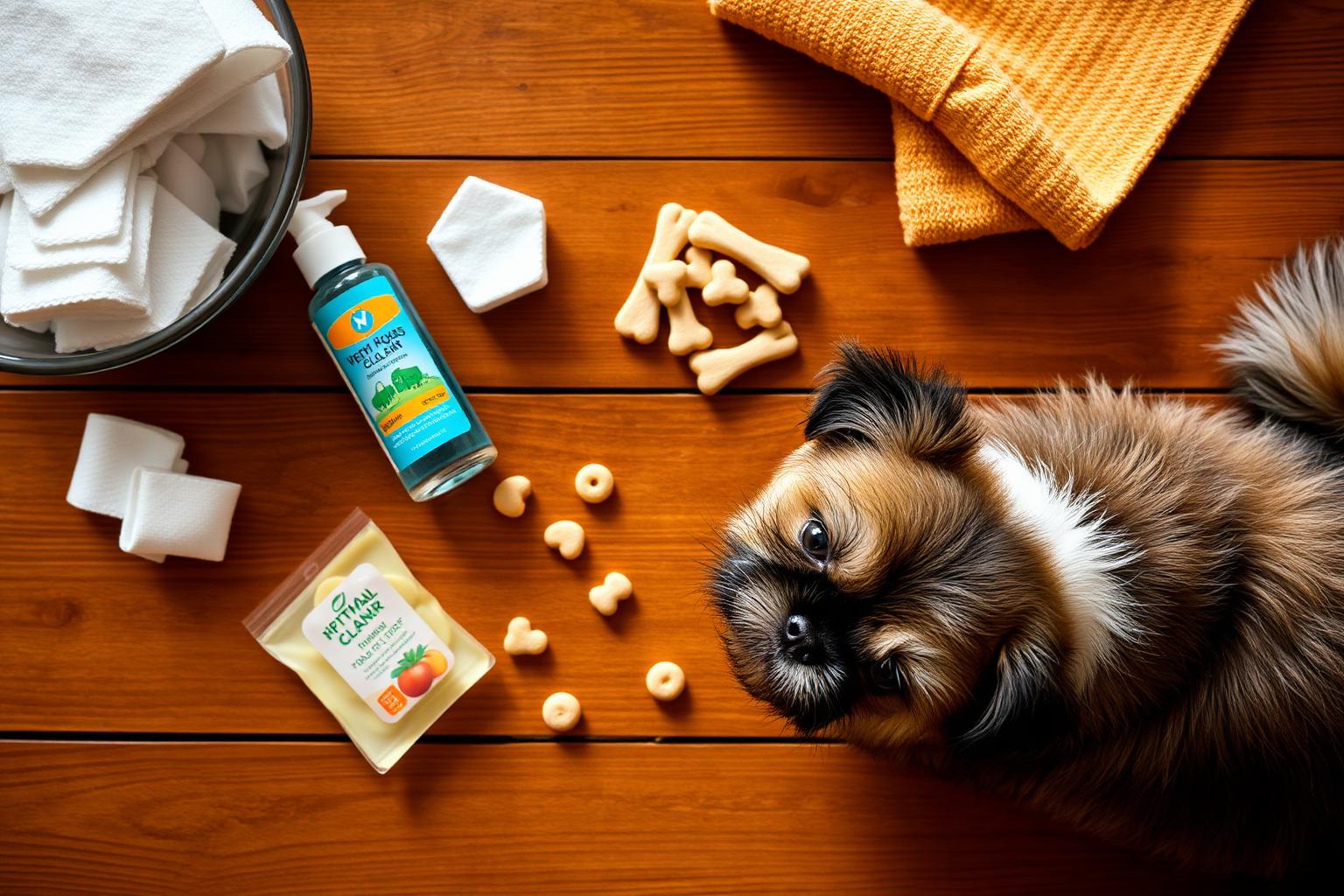
1. Do a weekly visual check
Lift the ear flap in good light. Healthy ears are pale pink, low-odor, and have minimal wax. Anything dark brown, black, or strongly smelly deserves a vet visit.
2. Use only vet-approved ear cleaners
Skip cotton swabs (Q-tips) deep in the canal — you can push debris toward the eardrum. Use a dog-safe ear cleaning solution recommended by your vet, fill the canal, massage the base of the ear for 20–30 seconds, then let your dog shake it out and wipe the visible part with a cotton pad.
3. Dry the ears after baths and swimming
Moisture is the single biggest driver of external ear infections in floppy-eared small dogs.
4. Don't ignore "training" issues that might be pain
Sudden flinching, snapping when handled near the head, or refusing usual cues can be ear or jaw pain — not stubbornness. If you're unsure whether it's behavior or health, our guide to reward-based training and stress signals walks through how to tell the difference, and our puppy socialization guide covers desensitizing ear handling early.
What to ask your vet at the next visit
- "Given my dog's breed and ear shape, are they higher risk for otitis media?"
- "If we anesthetize for a dental, can you do a deep otoscopic exam — or imaging — at the same time?"
- "Is a course of medicated ear flushes appropriate as a preventive, or only if signs appear?"
- "How often should I be cleaning at home for this breed?"
Key takeaways
- An April 2026 CBCT study found surprisingly high rates of hidden ear disease in small dogs at the dentist.
- Middle ear disease is often silent in small breeds — symptoms appear late.
- Floppy-eared and brachycephalic small breeds are at the highest anatomical risk.
- Weekly home checks, vet-approved cleaners, and drying after baths cut risk significantly.
- Combine ear screening with already-scheduled dental anesthesia when possible — fewer sedations, better data.
Veterinary Disclaimer
This article is for general educational purposes and is not a substitute for professional veterinary advice. Always consult your veterinarian about your individual dog's ear health, especially before using any cleaning product or medication.
Frequently Asked Questions
What is otitis media in dogs?+
Otitis media is inflammation or infection of the middle ear, the space behind the eardrum. It often follows a chronic external ear infection but can also occur on its own and may show no obvious external symptoms.
Which small breeds get ear infections most often?+
Floppy-eared breeds like Cavalier King Charles Spaniels, Cocker Spaniels, Shih Tzus, and Lhasa Apsos, plus flat-faced breeds like French Bulldogs and Pugs, are most commonly affected.
How often should I clean my small dog's ears?+
For most healthy small dogs, a quick visual check weekly and a vet-approved clean every 2–4 weeks is enough. Floppy-eared or swimming dogs may need more frequent cleaning.
Can I use cotton swabs in my dog's ears?+
No. Cotton swabs can push debris toward the eardrum and cause injury. Use a vet-approved liquid cleaner and wipe only the visible outer ear with a cotton pad.
What does the 2026 cone-beam CT study mean for my dog?+
It suggests many small dogs have ear disease their owners don't notice. If your small dog is going under anesthesia for a dental, ask your vet whether they can do a deep ear exam or imaging at the same time.
Sources
Related Reading
Share this story
Pin this to your Dog Lifestyle & Breeds board
Breed profiles, gear roundups, and dog-friendly travel inspo.
Liked this story?
Share it with someone who should read it.
More from Dog Breeds & Lifestyle

Bird Flu in Dogs 2026: Urgent H5N1 Warnings for Dog Owners

Dog Dementia Breakthroughs: Early Detection & New Hope for Australian Shepherds
