Ozempic for Dogs? New Drug Trial Shows Promise for Canine Weight Loss
Could 'Ozempic for dogs' be the answer to canine obesity? A groundbreaking new trial shows a once-weekly semaglutide analog helped dogs lose 18% of body weight. But what does this mean for your pet's future, and why are vets still emphasizing traditional methods first?

Ozempic for Dogs? New Drug Trial Shows Promise for Canine Weight Loss
As of June 30, 2026, a groundbreaking study from the Cornell University College of Veterinary Medicine and Royal Veterinary College London has sent ripples through the veterinary world. For years, pet parents of overweight dogs have grappled with the challenges of canine obesity, a condition that shortens lives and diminishes quality of life. Now, there's a new beacon of hope: a once-weekly canine-formulated semaglutide analog—similar to the human GLP-1 weight loss drugs like Ozempic—has shown remarkable success in a recent joint trial.
This isn't just another diet fad. The trial, focusing on breeds predisposed to weight gain such as Labrador Retrievers, Pugs, and Dachshunds, demonstrated an average body weight reduction of 18% in just 24 weeks. Even more critically, this impressive weight loss was achieved without muscle wasting or triggering pancreatitis flare-ups, two significant concerns with aggressive weight loss in canines. So, is 'Ozempic for dogs' truly on the horizon for your vet clinic in 2027? Let's dive in.
Why This Matters Now: The Canine Obesity Epidemic
Canine obesity isn't just about a dog carrying a few extra pounds; it's a serious health crisis. The Association for Pet Obesity Prevention (APOP) consistently reports that over half of American dogs are overweight or obese. This excess weight contributes to a myriad of health problems, including:
- Joint issues: Arthritis, hip dysplasia, luxating patellas exacerbate under increased strain.
- Diabetes: Insulin resistance becomes more prevalent.
- Heart disease: Increased workload on the cardiovascular system.
- Respiratory problems: Especially in brachycephalic breeds.
- Reduced life expectancy: Studies show that even a 10% weight loss can add up to two healthy years to a senior dog's life.
For far too long, managing canine obesity has relied primarily on dietary restrictions and increased exercise – methods that, while effective, often prove challenging for busy pet owners to implement consistently.
Quick Summary
- A new 2026 Cornell/RVC joint trial found a canine-formulated semaglutide analog helped obese dogs lose 18% of body weight in 24 weeks.
- The drug showed no signs of muscle wasting or pancreatitis flare-ups, key safety concerns.
- While promising, board-certified veterinary nutritionists still emphasize traditional methods like slow-feeder bowls and sniff walks.
- Five hidden causes of stubborn canine obesity often go unnoticed by owners.
- A 10% weight loss can significantly extend a senior dog's healthy lifespan.
The Science Behind the Breakthrough: GLP-1 Analogs for Dogs
GLP-1 (Glucagon-Like Peptide-1) is a hormone that plays a crucial role in regulating appetite and glucose metabolism. In humans, GLP-1 receptor agonists like semaglutide (Ozempic, Wegovy) have revolutionized weight loss by:
- Slowing gastric emptying: Making you feel fuller for longer.
- Increasing insulin secretion: Helping to control blood sugar.
- Reducing glucagon secretion: Further stabilizing blood sugar.
- Acting on the brain's appetite centers: Reducing hunger and cravings.
The canine-formulated semaglutide analog used in the Cornell/RVC trial works on similar principles. Researchers carefully designed this drug to be effective and safe for canine physiology, addressing concerns about dosage and potential side effects that might arise from simply adapting human medications. The results are compelling: a significant, sustained body weight reduction, demonstrating the potential for pharmacological intervention to complement existing weight management strategies.
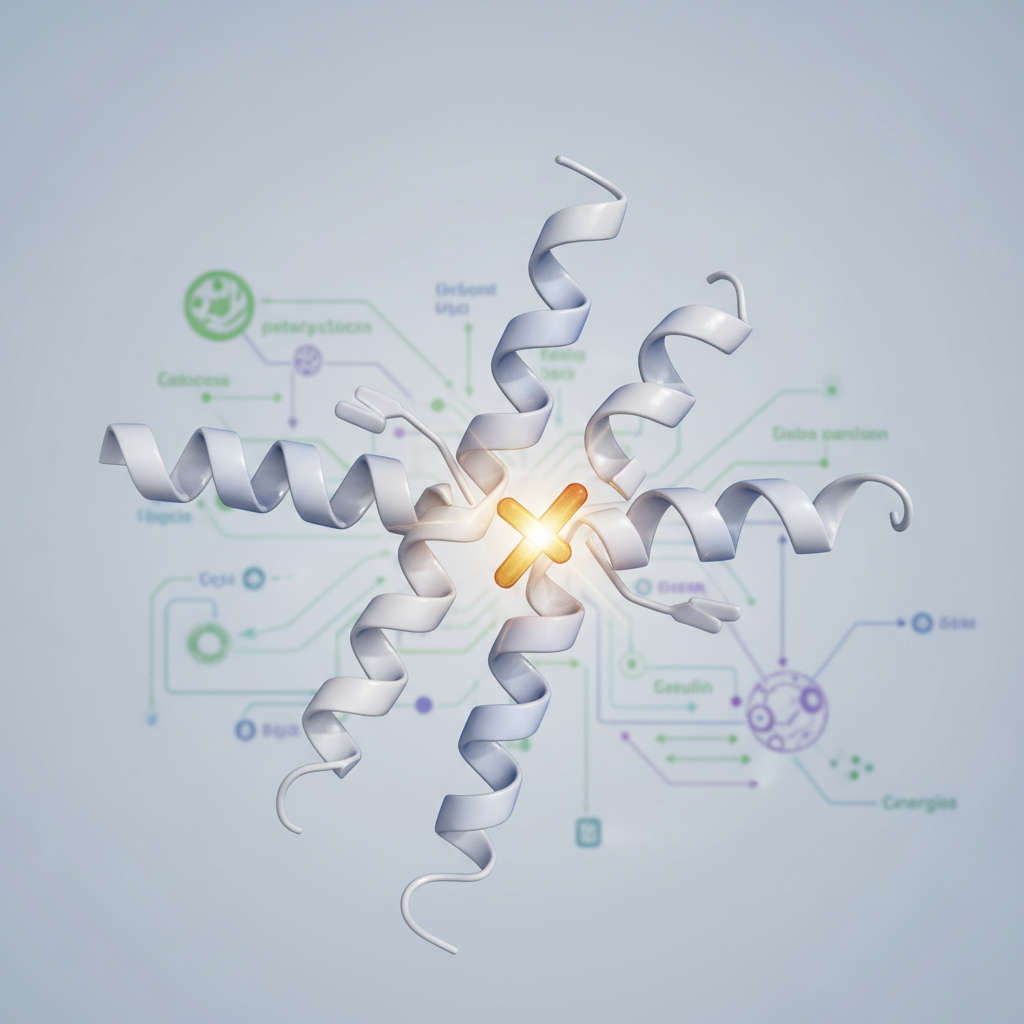 The new canine-specific GLP-1 analogs offer a targeted approach to managing appetite and metabolism.
The Honest Truth: Is 'Ozempic for Dogs' Coming Soon?
So, with such promising trial results, can pet parents expect to walk into their vet clinic in 2027 and ask for 'Ozempic for Fido'? While the future looks bright, the pathway to regulatory approval and widespread availability is still a journey. Here's what needs to happen:
- Further Trials: The initial trial is a fantastic first step, but more extensive, multi-center trials involving a larger and more diverse dog population will be necessary to confirm efficacy and long-term safety across various breeds and health conditions.
- Regulatory Approval: Veterinary drugs go through rigorous approval processes by bodies like the FDA in the US and the European Medicines Agency (EMA) in Europe. This involves demonstrating not just efficacy but also safety, manufacturing quality, and appropriate labeling.
- Manufacturing and Distribution: Scaling up production and establishing distribution channels will take time.
- Cost and Accessibility: New, innovative drugs can be expensive initially, raising questions about accessibility for all pet owners.
Industry experts project that if all goes well, a canine-specific GLP-1 analog could be available by late 2027 or early 2028. This would mark a significant shift in the approach to canine obesity, offering a powerful tool to veterinarians and a new hope for pet parents.
Why Vets Still Recommend Slow-Feeder Bowls and Sniff Walks
Despite the excitement surrounding new drug therapies, board-certified veterinary nutritionists and general practitioners alike are quick to emphasize that pharmacological solutions are not a magic bullet. The foundational pillars of healthy weight management—diet and exercise—remain paramount. In fact, many vets believe these new drugs will serve as adjuncts to, rather than replacements for, established best practices.
The Surprising Reason Good Old-Fashioned Methods Endure
Why do the simplest solutions often have the most enduring impact? Because they address the fundamental behavioral and environmental factors that contribute to obesity. Here's why your vet will still recommend a protein-first bowl, slow-feeder bowls, and 20-minute sniff walks before asking about injectables:
- Slow-Feeder Bowls: These aren't just a gimmick. They make mealtime more engaging and extend the feeding process, preventing enthusiastic eaters from gulping down food too quickly. This allows the dog's body to register satiety cues more effectively, reducing overeating. The mental stimulation also contributes to overall well-being.
- 20-Minute Sniff Walks: Beyond burning calories, sniff walks provide immense mental enrichment and stress reduction. Dogs explore the world through their noses. A good sniff walk, where they are allowed to follow interesting scents at their own pace, is far more beneficial than a quick, forced jog. It engages their brains, tires them out constructively, and reduces boredom-induced behaviors that can lead to overeating.
- Protein-First Bowl: Prioritizing protein in your dog's diet helps with satiety and maintains lean muscle mass during weight loss. High-quality protein sources keep dogs feeling full longer and support metabolic health. Coupled with controlled portions of balanced, vet-approved food, this forms the cornerstone of effective dietary management.
These practices empower owners to actively participate in their dog's health journey and foster a stronger bond, reinforcing positive habits that benefit dogs beyond just weight loss.
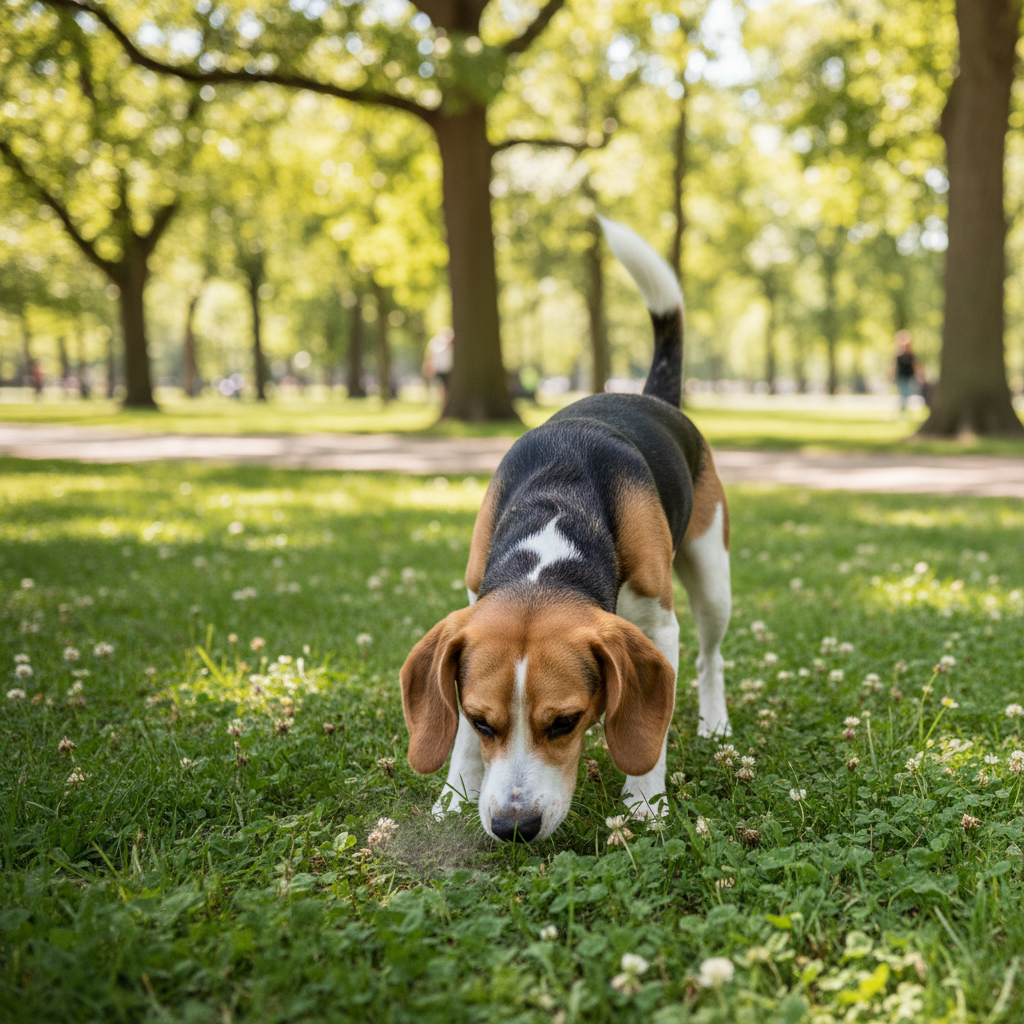 Sniff walks provide crucial mental stimulation and exercise, burning calories and reducing boredom.
Unmasking the Five Hidden Causes of Stubborn Canine Obesity
Many pet parents diligently follow feeding guidelines and provide regular walks, yet their dog still struggles with weight. If this sounds familiar, it's time to dig deeper. Here are five hidden causes of stubborn canine obesity that often go missed:
1. Hypothyroidism
Just like in humans, an underactive thyroid gland (hypothyroidism) in dogs can slow down their metabolism, making weight gain easy and weight loss incredibly difficult. Other signs might include lethargy, unexplained hair loss, and a dull coat. A simple blood test from your vet can diagnose this, and medication can help manage it.
2. Cushing's Disease (Hyperadrenocorticism)
This condition occurs when a dog's body produces too much cortisol. Besides a pot-bellied appearance and increased thirst/urination, Cushing's can lead to significant weight gain and muscle weakness. Though more common in older dogs, it can affect various ages and breeds. Diagnosis involves specific blood and urine tests.
3. Neutering Metabolism Shift
Spaying or neutering your dog is a responsible choice, but it can significantly alter their metabolism. Their caloric needs can drop by as much as 20-30% after the procedure. If their food intake isn't adjusted accordingly, weight gain is almost inevitable. Many owners are unaware of this crucial metabolic change.
4. Steroid Prescriptions for Allergies and Other Conditions
Corticosteroids, commonly prescribed for allergies, arthritis, and other inflammatory conditions, are notorious for increasing appetite and causing fluid retention, which can present as weight gain. While often necessary, it's vital to discuss the management of this side effect with your vet, exploring the lowest effective dose or alternative treatments if possible.
5. Free-Choice Treat Culture in Multi-Pet Homes (and Single-Pet Ones!)
Frequently Asked Questions
What are GLP-1 drugs, and how do they work in dogs?+
GLP-1 (Glucagon-Like Peptide-1) is a natural hormone. GLP-1 drugs for dogs are analogs designed to mimic this hormone, helping to slow gastric emptying, increase satiety, and regulate blood sugar. This reduces appetite and leads to weight loss.
Are there any side effects or risks associated with GLP-1 drugs for dogs?+
The recent Cornell/RVC trial showed the canine-formulated semaglutide analog was well-tolerated, with no reported muscle wasting or pancreatitis flare-ups. However, as with any new drug, further research will more fully explore potential side effects across a broader dog population. Always consult your vet.
How can I tell if my dog is overweight or obese?+
The best way is to perform a Body Condition Score (BCS) self-audit. You should be able to easily feel your dog's ribs, see a distinct waist tuck behind the ribs when viewed from above, and have an abdominal tuck when viewed from the side. If not, your dog is likely overweight. Your vet can provide a professional assessment.
Why is a 10% weight loss so significant for dogs?+
Even a modest 10% reduction in body weight can have a profound impact on a dog's health. It reduces strain on joints, lowers the risk of conditions like diabetes and heart disease, improves mobility, and can add up to two healthy years to a senior dog's life, significantly enhancing their quality of life.
What should I discuss with my vet about my dog's weight?+
Before your next annual wellness exam, prepare to discuss your dog's current diet, exercise routine, treat consumption, and any weight concerns you have. Ask your vet to perform a professional Body Condition Score, inquire about potential hidden causes of weight gain, and explore a personalized weight management plan. Mentioning the emerging GLP-1 research can also open a dialogue about future options.
Sources
Related Reading
- Doggy Dementia Breakthrough: New At-Home Test Catches CCD Early!
- Bonqat / Zenrelia: The First Dual-Purpose Anxiety Medication for Dogs Approved by FDA!
- Is Your Senior Dog Showing These Subtle Signs? New Study Reveals How to Fight Dog Dementia!
- H5N1 Bird Flu: What Dog Owners *Must* Know Now
- Is Your Dog's Gut Secretly Fueling Their Anxiety? The Surprising Link You Need to Know
Share this story
Pin this to your Healthy Happy Dogs board
Vet-vetted wellness, symptom guides, and senior dog care pins.
Liked this story?
Share it with someone who should read it.
More from Dog Health & Wellness

Is Your Senior Dog Showing These Subtle Signs? New Study Reveals How to Fight Dog Dementia!

Doggy Dementia Breakthrough: New At-Home Test Catches CCD Early!
