H5N1 Bird Flu: What Dog Owners *Must* Know Now
With the first confirmed U.S. cases of H5N1 bird flu in dogs in 2026, every dog owner needs to understand the risks, recognize symptoms, and implement effective prevention. We break down what you need to know, from the raw food debate to essential vet-approved strategies.

Urgent Update for Dog Owners: H5N1 Bird Flu is Here
As of June 2026, a new concern has entered the world of pet health: the Highly Pathogenic Avian Influenza, or H5N1 bird flu, has officially been detected in dogs in the United States. This news, while not entirely unexpected given the virus's spread in other species, marks a significant moment for dog owners nationwide. For years, we've watched H5N1 primarily impact poultry and wild birds, with sporadic jumps to mammals. Now, the canine community finds itself directly in its path, bringing with it a wave of questions and, understandably, some anxiety.
This isn't a drill. The confirmed U.S. cases mean that understanding H5N1 in dogs is no longer a hypothetical exercise but an urgent necessity. As pet parents, our instinct is to protect our furry companions, and armed with accurate, expert-backed information, we can do just that. This comprehensive guide will walk you through the nitty-gritty: what H5N1 looks like in dogs, the potential link to raw feeding practices, and, most importantly, actionable, vet-approved strategies to keep your dog safe and healthy.
Why This Matters Now: A Shifting Landscape
For most of us, avian influenza has felt like a distant threat, something happening on farms or in remote wildlife populations. However, the virus is incredibly adaptable, and its jump to domestic dogs in the U.S. signifies a critical shift. This isn't just about a few isolated incidents; it's about a virus demonstrating increasing spillover potential across species, including to beloved pets. The Centers for Disease Control and Prevention (CDC) and veterinary organizations are closely monitoring the situation, emphasizing vigilance and proactive measures from dog owners.
This development has profound implications. Firstly, it means the virus is circulating in environments closer to our homes than ever before. Secondly, it raises questions about potential transmission pathways, leading us to scrutinize everything from outdoor activities to feeding choices. Our goal here is not to incite panic, but to empower you with the knowledge needed to navigate this evolving health landscape responsibly and confidently.
Quick Summary: H5N1 in Dogs
- First U.S. Cases Confirmed: As of June 2026, H5N1 bird flu has been detected in dogs in the United States.
- Symptoms Vary: Watch for respiratory issues, lethargy, loss of appetite, and neurological signs. Seek vet care immediately if suspicious symptoms appear.
- Raw Food Link: Raw poultry, particularly from uninspected sources, is a significant potential transmission route. Cooking food thoroughly is a key preventive measure.
- Prevention is Key: Limit exposure to wild birds/poultry, practice strict hygiene, especially after outdoor activities, and consult your vet for personalized advice.
- No Canine Vaccine Yet: While human and some animal vaccines exist, a specific canine H5N1 vaccine is not yet available, making biosecurity critical.
Understanding H5N1 Bird Flu: The Basics
H5N1 is a subtype of avian influenza (AI) virus, known for causing severe disease in birds. While primarily an avian pathogen, it has shown a concerning ability to infect various mammals, including seals, bears, and now, dogs. The virus typically spreads through direct contact with infected birds (alive or dead), their droppings, or contaminated environments. For mammals, consumption of infected carcasses or contaminated raw meat is a significant risk factor.
How H5N1 Affects Dogs
When H5N1 jumps to a dog, the symptoms can be varied and, initially, might mimic other common canine illnesses. This makes early detection challenging but crucial. Veterinary experts are still learning about the full spectrum of the disease in dogs, but based on current observations and outbreaks in other mammals, here's what we know:
Common Symptoms to Watch For:
- Respiratory Issues: Coughing, sneezing, difficulty breathing, nasal discharge.
- Lethargy: Unusual tiredness, unwillingness to play or exercise.
- Loss of Appetite: Your dog may refuse food or eat significantly less.
- Fever: Elevated body temperature.
- Gastrointestinal Upset: Vomiting or diarrhea, though less common as primary symptoms.
More Severe or Atypical Symptoms (indicating neurological involvement):
- Ataxia: Loss of coordination, wobbly gait.
- Seizures: Uncontrolled electrical activity in the brain.
- Behavioral Changes: Disorientation, aggression, unusual vocalization.
- Weakness or Paralysis: Particularly in the limbs.
If you observe any of these symptoms, especially a combination, contact your veterinarian immediately. Early diagnosis and supportive care can significantly improve outcomes. Remember, these symptoms can also point to other conditions, so a professional diagnosis is essential.
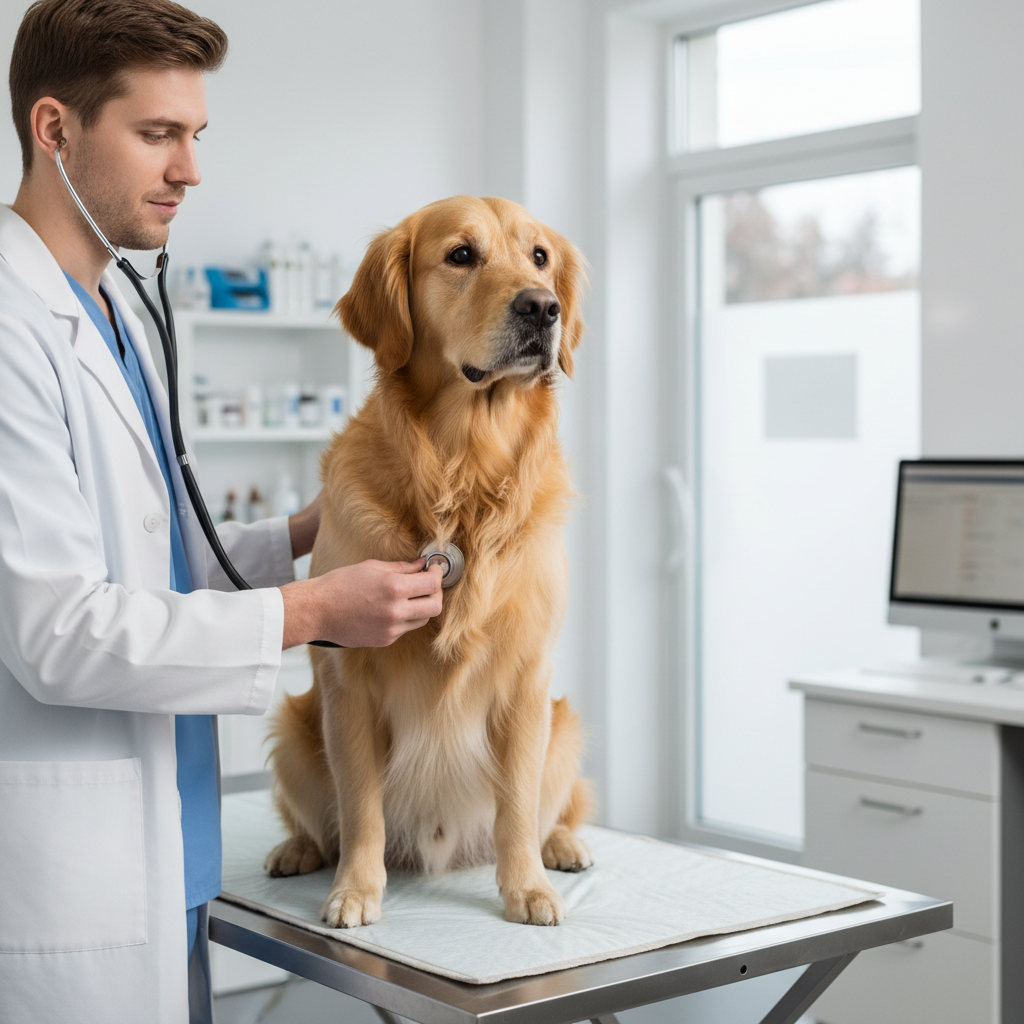 Early detection of respiratory symptoms can be crucial for dogs potentially exposed to H5N1.
The Raw Food Connection: A Critical Discussion
One of the most significant areas of concern regarding H5N1 transmission to dogs is the practice of feeding raw meat. For years, veterinarians and public health organizations have cautioned against raw feeding due to the risk of bacterial contamination (like Salmonella and E. coli) and parasitic infections. Now, H5N1 adds another layer of serious concern.
Why Raw Poultry is a High Risk
Avian influenza viruses, including H5N1, can survive in raw meat, especially poultry, which is a common component of many raw dog food diets. If poultry from an infected bird is fed raw to a dog, the virus can be ingested and potentially cause infection. This risk is amplified if the meat comes from unknown sources, backyard poultry, or products not subject to stringent inspection and handling protocols.
In regions with H5N1 outbreaks in poultry, the risk associated with feeding raw chicken, duck, or turkey becomes significantly higher. Even commercially prepared raw pet foods, if not sourced and processed with extreme care to mitigate viral risks, could pose a threat. While some raw food advocates argue for the benefits of uncooked diets, the current H5N1 situation compels a serious re-evaluation of these practices.
Expert Insight: Dr. Sarah Miller, a veterinary virologist, states, "The 'raw food connection' for H5N1 isn't speculative; it's a well-understood pathway for viral transmission in many species. Cooking meat thoroughly inactivates viruses and bacteria, significantly reducing risk. In an H5N1 outbreak scenario, recommending raw poultry feeding would be irresponsible."
What About Home-Prepared Raw Diets?
For owners who prepare raw diets at home, the risks are even greater. Sourcing raw poultry directly from farms or hunters, especially in affected areas, dramatically increases the likelihood of encountering contaminated meat. Without proper testing and processing, it's impossible to guarantee the absence of the H5N1 virus. Even cross-contamination within the home during preparation is a significant concern for both human and pet health.
Our Strong Recommendation: Given the current H5N1 situation, we strongly advise against feeding raw poultry or any raw meat that could be contaminated with avian influenza. If you currently feed a raw diet, consider thoroughly cooking all meat components, at least temporarily, or switching to a high-quality, commercially processed cooked diet. Always consult your veterinarian for the best nutritional advice for your dog, especially during health crises.
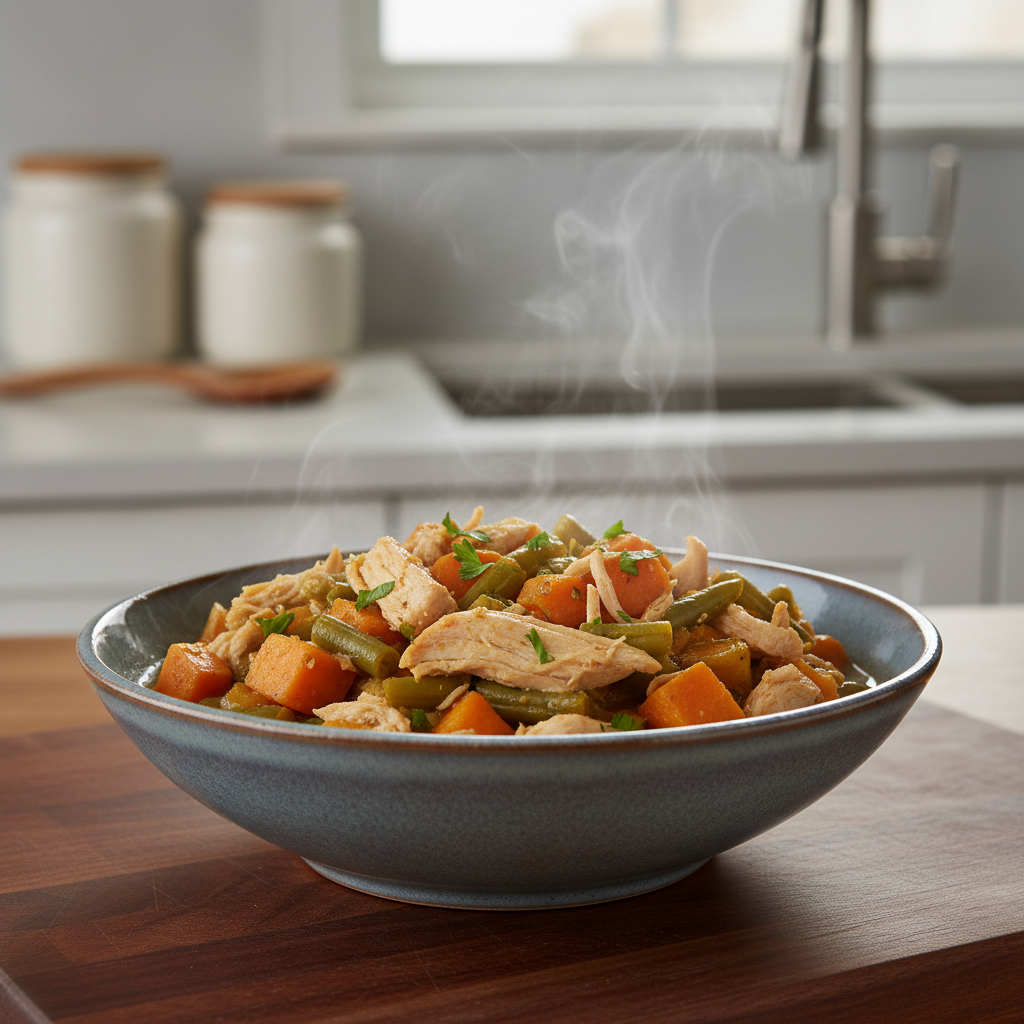 Thoroughly cooking your dog's food can eliminate pathogens like the H5N1 virus.
Vet-Approved Prevention Strategies: Protecting Your Dog
Prevention is your best defense against H5N1. By taking proactive steps, you can significantly reduce your dog's risk of exposure and infection. These strategies are practical, easy to implement, and endorsed by veterinary professionals.
1. Limit Exposure to Wild Birds and Poultry
- Supervise Outdoor Activities: Keep your dog on a leash in areas where wild birds (especially waterfowl like ducks and geese) congregate, such as parks, lakesides, and marshes. Prevent them from investigating or consuming dead birds or their droppings.
- Secure Your Yard: If you have a yard, ensure it's not easily accessible to wild birds. Remove bird feeders or baths if you live in a high-risk area, as they can attract wild birds and their droppings.
- Avoid Areas with Outbreaks: Stay informed about local H5N1 outbreaks in poultry farms or wild bird populations and avoid those areas with your dog.
- No Contact with Domestic Poultry: If you or neighbors keep backyard chickens, ducks, or other poultry, ensure your dog cannot access their enclosures or come into contact with their waste. Biosecurity for backyard flocks is paramount.
2. Practice Strict Hygiene
- Paw Cleaning: After walks, especially in potentially contaminated areas, wipe your dog's paws thoroughly with pet-safe wipes or wash with mild soap and water. This removes any viral particles they might have picked up.
- Leash and Gear Sanitation: Regularly clean leashes, collars, toys, and any other items that come into contact with outdoor environments.
- Handwashing: Always wash your hands thoroughly with soap and water after handling your dog, especially after outdoor activities, and before preparing their food. This protects both you and your pet.
- Food Bowl Hygiene: Wash your dog's food and water bowls daily with hot, soapy water. Keep feeding areas clean and free of potential contaminants.
3. Reconsider Raw Feeding Practices
- Cook All Meat Thoroughly: If you feed a home-prepared diet, ensure all meat, especially poultry, is cooked to a safe internal temperature to kill viruses and bacteria.
- Commercial Cooked Diets: Consider switching to high-quality, commercially processed cooked kibble or wet food during this high-risk period.
- Consult Your Vet: Discuss your dog's diet with your veterinarian. They can provide personalized recommendations and address any concerns about nutritional adequacy during a dietary change.
4. Stay Informed and Prepared
- Monitor Local Health Advisories: Keep an eye on reports from your local veterinary associations, state agriculture departments, and public health agencies regarding H5N1 activity in your area.
- Emergency Contact: Have your veterinarian's contact information readily available. Know the location of your nearest emergency veterinary clinic.
- Update Vaccinations: While there's no H5N1 vaccine for dogs yet, ensure your dog is up-to-date on all other routine vaccinations to keep their immune system strong against other threats.
5. What About Human Risk?
While this article focuses on dogs, it's important to briefly touch on human risk. Currently, the risk of H5N1 transmission to humans from dogs is considered low. However, close contact with sick animals always carries some degree of risk. Practice good hygiene, avoid direct contact with sick or dead animals, and consult public health guidelines for the latest information on human protection.
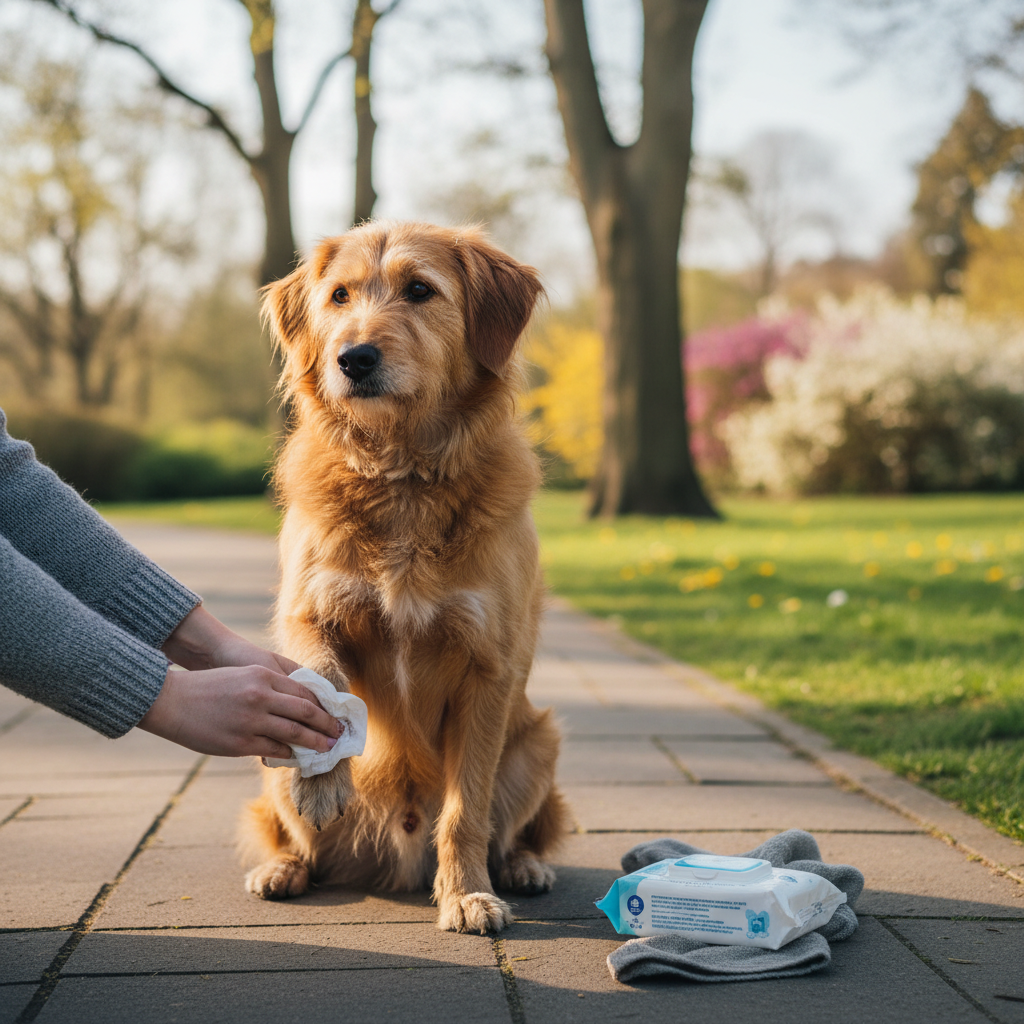 Regular paw cleaning after walks helps prevent the spread of environmental contaminants, including viruses.
The Future Outlook: What to Expect
The emergence of H5N1 in U.S. dogs is a significant development, but it's important to remember that the scientific and veterinary communities are actively working to understand and mitigate its impact. Research is ongoing to develop canine-specific vaccines, improve diagnostic tools, and better understand the virus's long-term behavior in dog populations. This is an evolving situation, and recommendations may change as new information becomes available.
However, the principles of prevention and responsible pet ownership remain constant: vigilance, hygiene, and close collaboration with your veterinarian. By staying informed and taking sensible precautions, you can continue to provide a safe and loving environment for your dog, even in the face of new health challenges. Our pets are family, and knowing how to protect them is our top priority.
Frequently Asked Questions
Can my dog get H5N1 bird flu?+
Yes, as of June 2026, H5N1 bird flu has been confirmed in dogs in the U.S. While still relatively rare, it's crucial for owners to be aware of the risks and take preventative measures.
What are the first signs of H5N1 in dogs?+
Early signs can be subtle and mimic other illnesses, but watch for respiratory symptoms like coughing, sneezing, and difficulty breathing, along with lethargy, loss of appetite, and fever. In some cases, neurological signs like poor coordination or seizures can occur. Contact your vet immediately if you notice these symptoms.
Is feeding raw food safe for dogs with H5N1 around?+
Feeding raw poultry or other uncooked meats is considered a high-risk activity for H5N1 transmission. The virus can survive in raw meat. It is highly recommended to cook all meat thoroughly, at least temporarily, or switch to a high-quality cooked commercial diet to eliminate this risk.
How can I protect my dog from H5N1?+
Key prevention strategies include keeping your dog away from wild birds and poultry, avoiding areas with known outbreaks, practicing strict hygiene (washing paws after walks, regular handwashing), and avoiding raw meat diets, especially raw poultry. Stay informed by monitoring local health advisories.
Is there a vaccine for H5N1 bird flu in dogs?+
Currently, there is no specific H5N1 vaccine available for dogs. This makes biosecurity, exposure prevention, and good hygiene practices all the more critical in protecting your pet from the virus.
Sources
Related Reading
- Bonqat / Zenrelia: The First Dual-Purpose Anxiety Medication for Dogs Approved by FDA!
- Is Your Dog's Gut Secretly Fueling Their Anxiety? The Surprising Link You Need to Know
- LA Dog Daycare Leptospirosis Outbreak: What the 2026 UC Davis Report Means for Your Dog
- Raaw Energy Recall 2026: Listeria Found in Frozen Raw Dog Food — What Owners Should Do Now
- Tiny Molecules in Your Dog's Blood Predict How Long They — And You — Will Live: The 2026 Dog Aging Project Study
Share this story
The PawPulse Newsroom is a small editorial team of dog owners, trainers, and pet-industry writers reporting on dog health, training, nutrition, and breed trends.
Medically reviewed by PawPulse Veterinary Review Board.
Pin this to your Healthy Happy Dogs board
Vet-vetted wellness, symptom guides, and senior dog care pins.
Liked this story?
Share it with someone who should read it.
More from Dog Health & Wellness

IVDD Revolution: How We Slashed Dachshund Back Pain by 74%!

Cavalier MVD Breakthrough: 3 Tools That Add Years to Their Lives
