Tiny Molecules in Your Dog's Blood Predict How Long They — And You — Will Live: The 2026 Dog Aging Project Study
Researchers at the University of Washington analyzed blood samples from nearly 1,000 dogs in the Dog Aging Project's precision cohort and discovered that a handful of small molecules — metabolites — predict mortality. Then they checked humans. The same molecules worked.

When Ben Harrison saw the data come back, he said one word: shocking. The same tiny molecules that predicted which dogs in the Dog Aging Project would die first also predicted lifespan in humans. Published March 16, 2026 in The Journals of Gerontology, Series A, this study quietly redrew the line between veterinary medicine and human longevity research — and it started with a simple blood draw from family pets like yours.
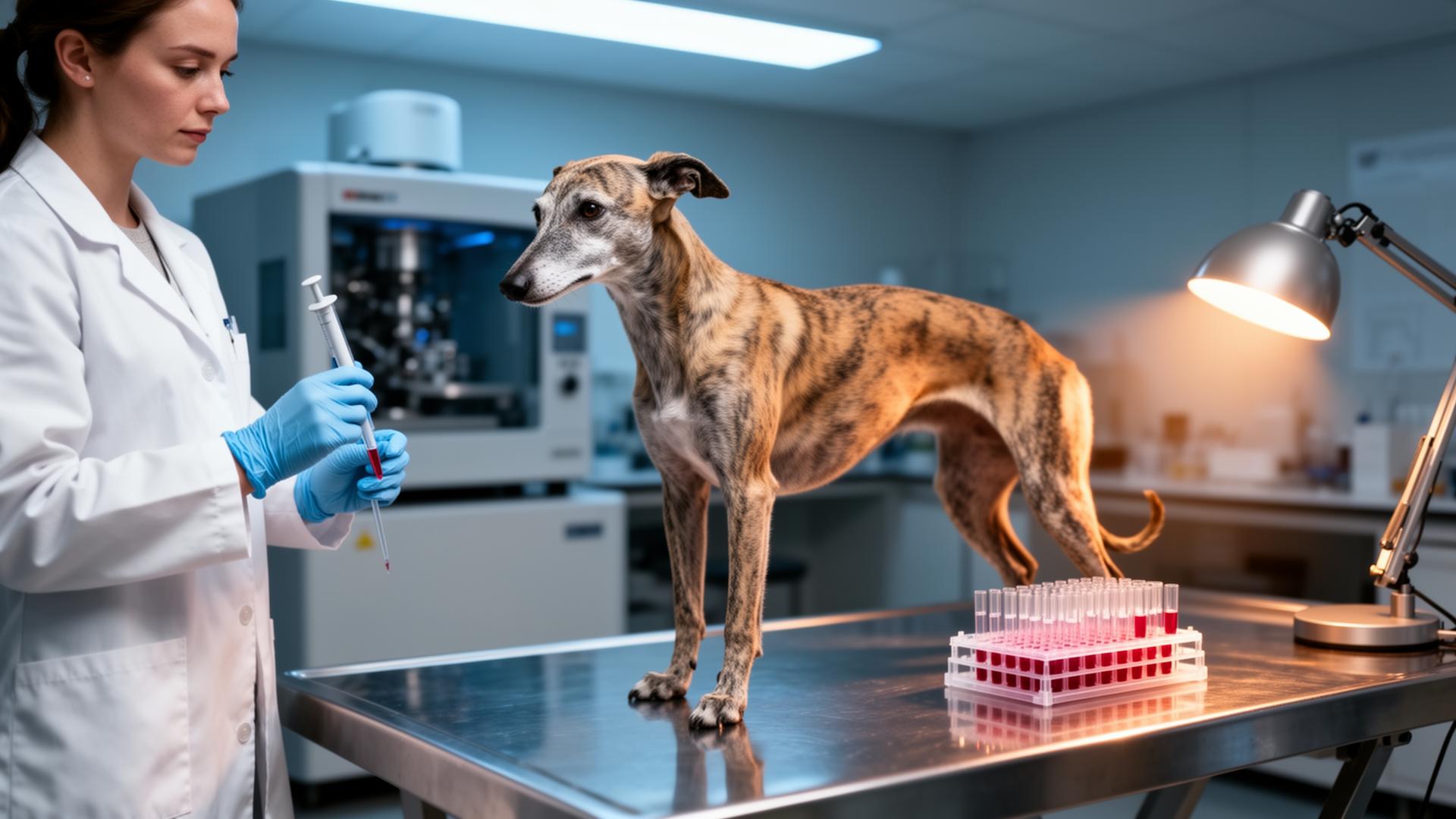 Mass spectrometry turns a single vial of dog plasma into a fingerprint of hundreds of metabolites — the building blocks of life.
What the researchers actually did
The Dog Aging Project launched in 2020 and has enrolled more than 51,000 dogs. Around 1,000 of them belong to the "precision cohort" — pets whose owners submit annual blood, hair, urine, and fecal samples and whose whole genomes are sequenced. Roughly a quarter of those dogs have died since the project began, giving researchers, for the first time, a real-world dataset to ask: which molecules in a healthy-looking dog''s blood predict who won''t make it to the next checkup?
Lead author Ben Harrison, PhD, and senior author Daniel Promislow, PhD, focused on metabolites — small molecules including amino acids, lipids, sugars, vitamins, and nucleic acid fragments. Metabolites are the chemical receipts of everything happening inside a body: what it ate, how it''s breaking food down, how stressed it is, how inflamed it is. Crucially, dogs and humans share most of them.
The shocking part: the same molecules work in humans
After identifying which blood metabolites best predicted mortality in the precision-cohort dogs, the team pulled up published human aging studies and asked whether those same molecules predicted death in people. They did. The overlap was so strong that Harrison''s reaction made it into the press release: "It was shocking."
This isn''t coincidence. Metabolites are, in Promislow''s words, "fundamental building blocks, and they''re deeply evolutionarily preserved." A dog and a human share roughly 85% of their protein-coding genes and almost their entire kitchen, couch, air, and water supply. When the same biochemical signal predicts death in both species, you''re looking at a mechanism, not a quirk.
 Dogs age roughly seven times faster than we do — which is exactly why they''re such powerful witnesses to how aging actually works.
Why dogs are the best model for human aging
Lab mice live in identical cages, eat identical chow, and never catch a flu from a toddler. Your dog sleeps in your bed, drinks your tap water, breathes your wildfire smoke, and develops the same cancers, the same arthritis, and increasingly the same dementias you do. As Promislow put it: "We can learn lessons from dogs almost 10 times more quickly than from humans about aging." A ten-year longitudinal study in dogs is roughly equivalent to a seventy-year study in people — except you can actually finish it.
That''s the engine behind a wave of 2026 findings. We''ve already covered how the gut microbiome predicts cancer-vaccine survival in pet dogs, how a 2 mL blood draw can catch tumors before they''re visible on imaging, and how a lifetime of sport delays canine cognitive decline. Metabolite-based mortality prediction is the connective tissue underneath all of it.
What kinds of metabolites are we talking about?
The paper itself spans dozens of molecules, but the families that lit up are familiar to anyone who follows human aging research:
- Branched-chain amino acids (BCAAs) — leucine, isoleucine, valine. Chronically elevated levels are linked to insulin resistance and shorter lifespan in humans.
- Acylcarnitines — fingerprints of how efficiently mitochondria are burning fat. Bad ratios show up in heart disease and frailty.
- Tryptophan metabolites (especially the kynurenine pathway) — a tell of chronic low-grade inflammation, also seen in human "inflammaging."
- Specific lipid species — certain ceramides and lysophosphatidylcholines climb as biological age outpaces calendar age.
None of these are diagnoses. They''re weather reports — they tell you which direction the body is drifting, years before a vet or doctor can point to anything on imaging.
What this means for your dog right now
Practically, today: nothing changes at your vet visit. There''s no commercial "longevity metabolite panel" for pets yet, and the study is a research finding, not a clinical test. But the deeper story matters, because it tells you which everyday choices have evidence behind them — the ones that move these exact molecules in the right direction:
- Keep your dog lean. BCAAs and acylcarnitines respond fast to body condition. A dog at ideal weight has cleaner metabolite signatures, full stop.
- Mind the diet. The 2026 fresh-food versus kibble microbiome study showed that diet reshapes the gut bacteria that produce many of these molecules. Quality of fuel matters.
- Move every day. Aerobic activity is the single fastest way to shift acylcarnitine and lipid profiles toward a younger phenotype — in dogs and humans alike.
- Treat chronic inflammation. Dental disease, untreated allergies, and persistent skin infections all raise kynurenine pathway activity. Don''t let them simmer.
- Bank a baseline. Ask your vet for an annual wellness blood panel, even when your dog seems fine. Trends matter more than any single number — and the metabolite era is coming for veterinary medicine within the decade.
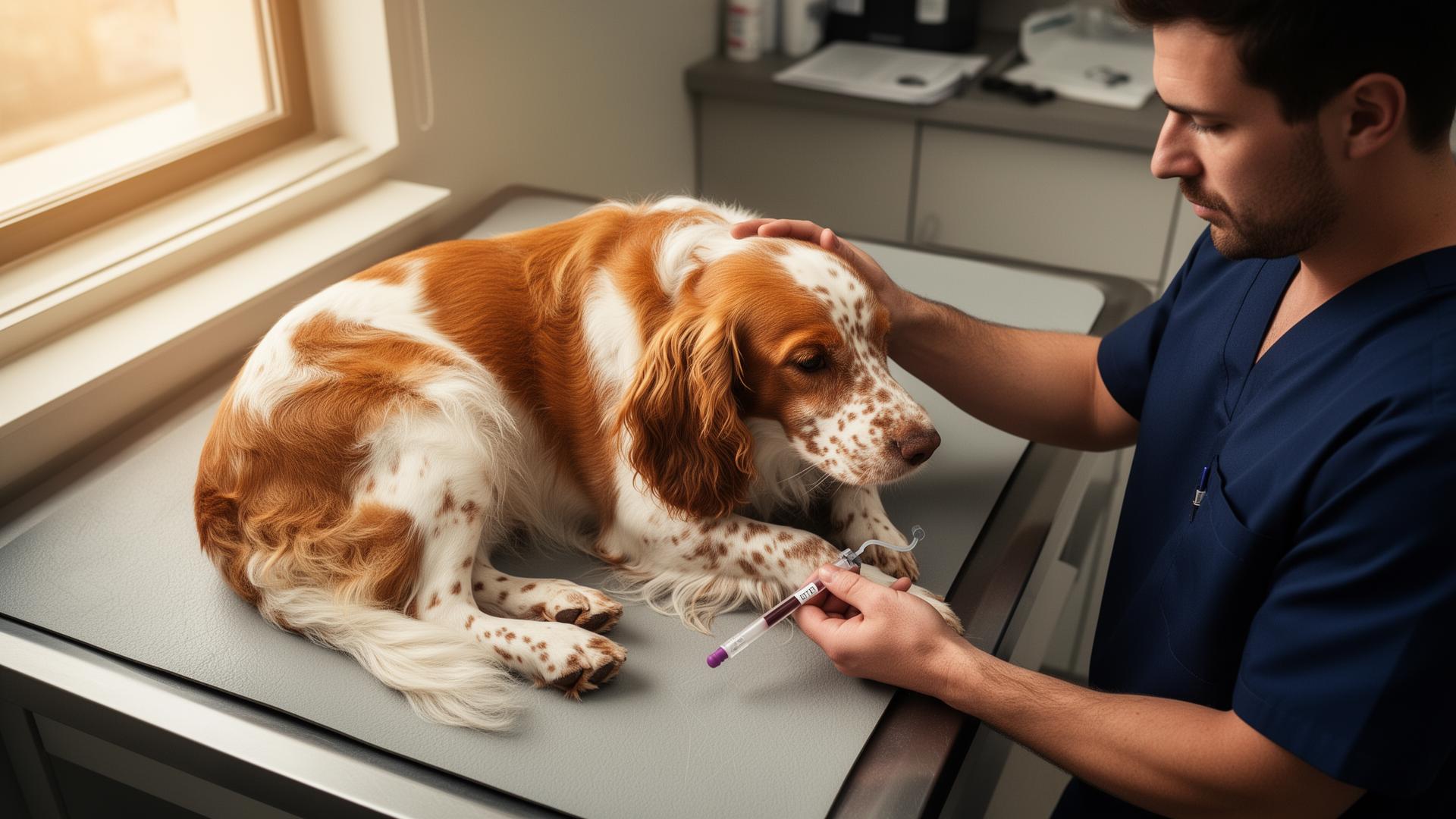 One small EDTA tube. Hundreds of molecules. A research-grade biography of how your dog is aging right now.
The bigger picture: a two-way street
Until now, dogs have benefitted from human medicine — chemotherapy protocols, joint replacements, MRI machines. The Dog Aging Project flips that. This time, what we learn from dogs feeds straight back into human longevity science, and at roughly ten times the speed of a comparable human trial. Some of the most exciting work happening on aging in 2026 — from behavior and intelligence genetics in Golden Retrievers to SORCS1 and the genetics of guide-dog success — is happening because researchers finally stopped treating pet dogs as veterinary patients and started treating them as the most informative biomedical model we''ve ever had.
Your senior dog dozing in the sunbeam isn''t just family. According to Harrison, dogs are "the closest representation of human aging that anybody''s ever found." The next breakthrough drug that adds five years to a human life may be validated, first, in a Cocker Spaniel.
Bottom line
The 2026 Dog Aging Project metabolites paper is one of those quiet milestones that won''t make the evening news but will reshape an entire field. The actionable message for owners is the boring one we already knew — keep them lean, fed well, moving, and inflammation-free — but it now has biochemical evidence stamped on it, drawn from real pet blood, in real homes, with real outcomes. That''s rare. Hug your dog.
Frequently Asked Questions
What is the Dog Aging Project?+
A long-running, NIH-funded study launched in 2020 that has enrolled more than 51,000 pet dogs across the United States to study how dogs age and what extends healthy lifespan. About 1,000 of those dogs are in an intensive precision cohort with annual biological sampling.
What is a metabolite?+
A metabolite is a small molecule produced or used during metabolism — amino acids, sugars, lipids, vitamins, and nucleic acid fragments. Together they form a chemical fingerprint of what''s happening inside the body in real time.
Can I get this metabolite test for my dog?+
Not yet as a commercial product. The 2026 paper is a research finding, not a vet-clinic test. But several aging-focused veterinary startups are working on bringing metabolite panels to general practice over the next few years.
What can I do today to help my dog age well?+
Keep your dog at an ideal body weight, feed high-quality food, exercise daily, treat dental disease and chronic inflammation early, and run an annual wellness blood panel so your vet has trend data — not just snapshots.
Why are dogs better than mice for studying human aging?+
Dogs share our homes, water, food, air, and most of our diseases. Lab mice live in controlled cages on identical diets and miss the real-world exposures that drive most human aging. Dogs also age about seven times faster than we do, so studies finish in years rather than decades.
Sources
Related Reading
Share this story
Pin this to your Healthy Happy Dogs board
Vet-vetted wellness, symptom guides, and senior dog care pins.
Liked this story?
Share it with someone who should read it.
More from Dog Health & Wellness

Cavalier MVD Breakthrough: 3 Tools That Add Years to Their Lives

IVDD Breakthrough: New Protocol Slashes Dachshund Risk by 63%!
