Your Dog's Gut Bacteria May Decide How Long They Survive Cancer: The 2026 Oregon State Study
A 51-dog clinical trial out of Oregon State University just found that the microbes living in a dog's gut can shape how well a brand-new cancer vaccine actually works — and which patients live longest.

Cancer is the leading cause of death in dogs that reach age 10. Now, a 2026 Oregon State University clinical trial published in Veterinary Oncology suggests that one of the strongest predictors of how long a dog survives may not be the tumor itself — it may be the microbes in their gut.
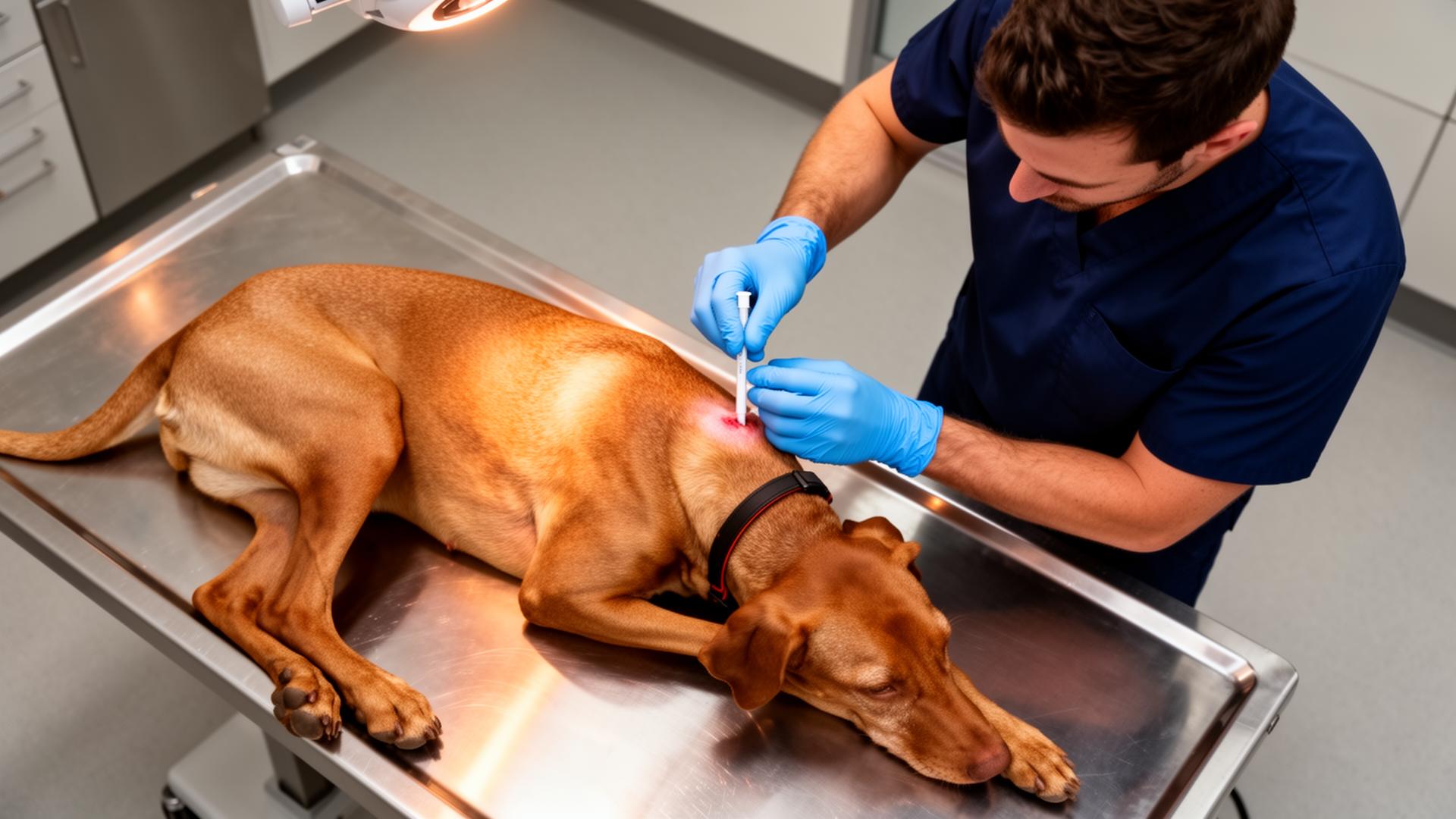 Researchers collected a simple rectal swab from each dog before the first vaccine dose — no surgery, no anesthesia.
What the Oregon State team actually did
The trial, co-led by Dr. Natalia Shulzhenko at OSU''s Carlson College of Veterinary Medicine and Dr. Andrey Morgun at the OSU College of Pharmacy, enrolled 51 pet dogs of mixed breeds and ages, all diagnosed with naturally occurring malignancies — including osteosarcoma (bone cancer) and hemangiosarcoma (blood vessel cancer).
Each dog received a new experimental cancer vaccine targeting two proteins, EGFR and HER2, that tell tumor cells to keep growing and dividing. Before the first dose, the team collected a single rectal swab from every dog and sequenced the bacterial DNA inside it.
11 bacteria that quietly decide who lives longer
When the team matched microbiome profiles to survival times, the pattern was unmistakable. Eleven specific bacterial taxa were tied to outcome — some strongly associated with longer survival, others with shorter survival. In other words, two dogs with the same tumor, the same age, and the same vaccine could have completely different prognoses depending on what was living in their colon.
That matters because the canine gut is enormous: trillions of microbes, with roughly 240 species making up more than 80% of the community. Until now, almost none of that was being measured before treatment.
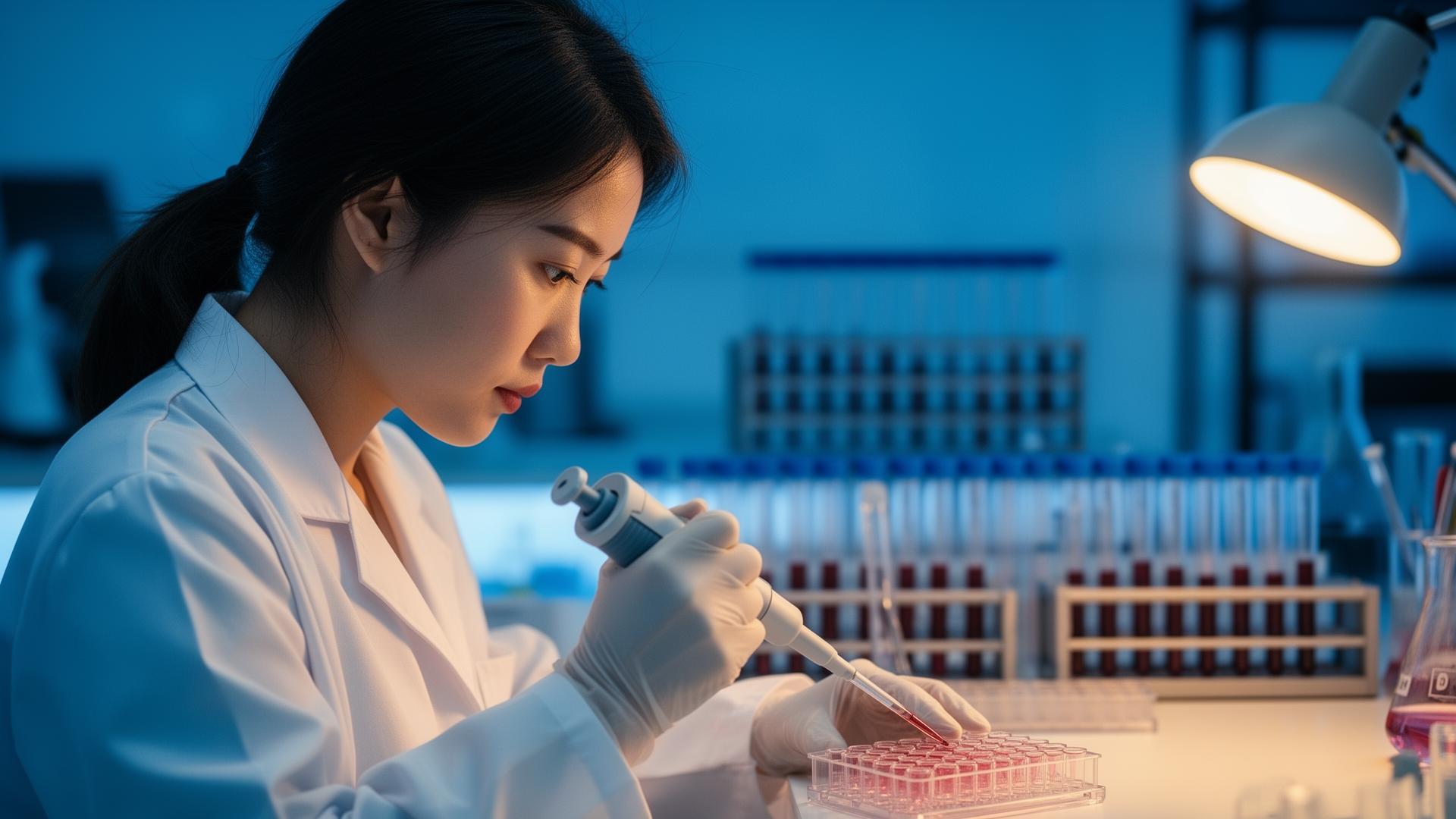 The OSU team sequenced bacterial DNA from each swab and cross-referenced it with survival data.
Why the gut talks to the immune system
Cancer immunotherapy — including the anti-EGFR/HER2 vaccine used here — works by waking up the body''s own T cells to attack tumor cells. The gut microbiome trains and tunes those same T cells every day. Certain "good" microbes produce short-chain fatty acids and metabolites that prime immune cells to respond more aggressively; "bad" microbes can dampen that response or actively promote inflammation that helps tumors hide.
This same gut-immunity axis explains why the microbiome has also been linked to canine anxiety and why what your dog eats reshapes their gut in just two weeks.
What this means for pet owners today
It''s important to be clear: this is an early study, and a microbiome swab is not yet a routine cancer test you can order from your vet. But the direction of travel is now obvious.
- Prognosis tools are coming. A pre-treatment swab could one day tell you and your oncologist how likely the immunotherapy is to work — before you spend months and thousands of dollars.
- The microbiome can be modified. Diet changes, fiber, targeted probiotics, and even fecal transplants are already being tested as ways to "fix" an unfavorable gut before treatment begins.
- Dogs are a real model for human cancer. Because dogs get the same cancers we do and live with us, what Shulzhenko''s team learns here may flow back into human oncology within years, not decades.
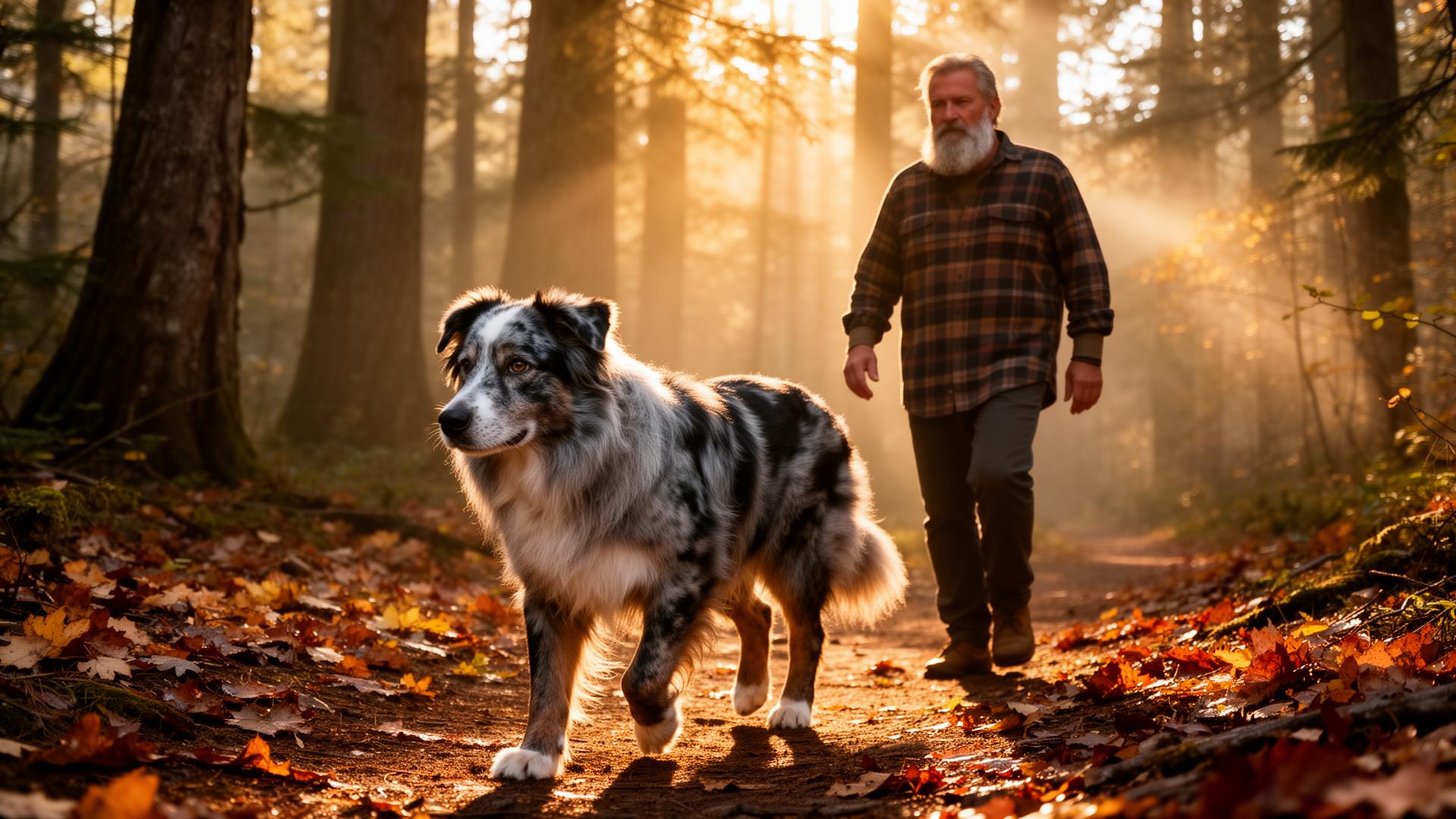 For dogs already in treatment, daily walks, fiber, and consistent routine all help shape a healthier gut community.
How this fits with the rest of 2026 canine cancer research
The OSU trial doesn''t live in isolation. It joins a wave of 2026 breakthroughs that are quietly rewriting canine oncology: a 2 mL blood test that detects tumor DNA, histotripsy that destroys bone tumors without amputation, and the 150-dog anti-PD-1 trial for oral melanoma. The microbiome data fits on top of all of them — it could help decide which dog gets which therapy.
And on the prevention side, scent-detection work like the Manchester sebum study is showing how sensitive canine biology really is to small biochemical shifts — the same kind of shifts that the gut microbiome is now revealing.
The bottom line
For the first time, your dog''s prognosis on a modern cancer vaccine may depend partly on something you can actually influence: their gut. Talk to your vet before changing diet during active treatment, but the era of personalized canine oncology — guided by a simple swab — has officially started.
Frequently Asked Questions
Is this microbiome test available at my vet right now?+
Not yet. This was a clinical trial — the test isn''t a routine commercial offering. But comparable microbiome panels for dogs already exist in research settings and are expected to reach specialty oncology clinics over the next few years.
My dog already has cancer. Should I change their diet?+
Talk to your veterinary oncologist before making any change during active treatment. Sudden diet swaps can disturb the microbiome at exactly the wrong moment. A consistent, vet-approved diet with adequate fiber is usually safer than experimenting.
Does this only apply to the OSU vaccine?+
The vaccine was the test case, but the gut-immunity link applies to most cancer immunotherapies. Similar microbiome effects have been seen in human checkpoint-inhibitor trials.
Which breeds were in the study?+
Mixed — 51 pet dogs of various ages and breeds with naturally occurring cancers including bone and blood-vessel tumors. The findings are not breed-specific.
Could probiotics help my dog''s cancer treatment?+
It''s plausible but unproven. Off-the-shelf probiotics rarely contain the specific bacteria identified as protective in this study. Wait for vet-guided products built on this kind of data.
Sources
Related Reading
Share this story
Pin this to your Healthy Happy Dogs board
Vet-vetted wellness, symptom guides, and senior dog care pins.
Liked this story?
Share it with someone who should read it.
More from Dog Health & Wellness

Cavalier MVD Breakthrough: 3 Tools That Add Years to Their Lives

IVDD Breakthrough: New Protocol Slashes Dachshund Risk by 63%!
