IVDD Breakthrough: New Protocol Slashes Dachshund Risk by 63%!
Breaking news for Dachshund lovers! A groundbreaking joint study from UC Davis and Dachshund Health UK reveals a new protocol that has slashed Intervertebral Disc Disease (IVDD) incidence by an incredible 63%. This isn't just about 'no jumping' anymore; it's a comprehensive approach combining ramp-only furniture access, a front-clip Y-shaped harness, core-strengthening cavaletti walks, and maintaining a lean body condition. Get ready to transform your Dachshund's health and reduce their IVDD risk significantly!

IVDD Breakthrough: New Protocol Slashes Dachshund Risk by 63%!
For Dachshund owners, the specter of Intervertebral Disc Disease (IVDD) has always loomed large. This debilitating spinal condition can strike suddenly, leaving our beloved long-bodied companions in severe pain and potentially paralyzed. For years, advice has focused primarily on preventing jumping, a crucial piece of the puzzle, but as a groundbreaking new study from the University of California Davis School of Veterinary Medicine and Dachshund Health UK reveals, it's simply not enough on its own.
Today, on July 9, 2026, we're thrilled to share insights from a joint longitudinal study that's set to revolutionize how we approach IVDD prevention for Miniature and Standard Dachshunds. This comprehensive research, spanning six years and involving thousands of dogs, has unveiled a combined protocol that cut IVDD incidence by a remarkable 63% in Dachshunds aged 3 to 8. This isn't just a minor improvement; it's a game-changer that offers real hope and a clear path forward for preventing this devastating disease.
Quick Summary
- Revolutionary Protocol: A new combined approach featuring ramp-only furniture access, a Y-shaped harness, core-strengthening cavaletti walks, and a lean body condition has proven to reduce IVDD risk by 63%.
- Early Detection is Key: Learn to recognize six subtle early warning signs of IVDD that many owners miss, enabling quicker intervention.
- Beyond 'No Jumping': The study highlights why muscle conditioning is vital and how the traditional 'no jumping' rule alone is insufficient.
- New Spinal Screening: Board-certified neurologists now recommend a PennHIP-style spinal screening X-ray protocol for Dachshunds at age two.
- Hope for Recovery: Understand how advanced rehabilitation methods like the Dodds Rehab Method's underwater treadmill sessions can rebuild post-episode mobility.
The Groundbreaking 2026 Study: A New Era for Dachshund Health
The collaborative efforts of the University of California Davis School of Veterinary Medicine and Dachshund Health UK have culminated in a landmark study that redefines IVDD prevention. By meticulously tracking a large cohort of Dachshunds, researchers identified key interventions that, when implemented together, dramatically reduce the likelihood of disc herniation. The findings underscore the importance of a holistic approach that goes beyond single preventative measures.
Why the Old 'No Jumping' Rule Alone Fails
For years, the mantra for Dachshund owners was simple: 'no jumping.' While restricting jumping and stair climbing is undeniably important for reducing acute spinal trauma, the new research reveals its limitations. The study found that dogs whose owners only adhered to the 'no jumping' rule still experienced a significant rate of IVDD episodes.
The missing piece, according to the researchers, is muscle conditioning. A strong core and well-developed spinal musculature act as a natural brace for the delicate Dachshund spine. Without this foundational strength, the spine remains vulnerable to the cumulative stresses of everyday movement, even without high-impact activities. Think of it like a building with a weak foundation; even minor tremors can cause damage.
The 2026 IVDD Prevention Protocol: Four Pillars of Protection
The new protocol isn't complex, but it requires consistency and commitment. It's built upon four synergistic pillars that address various aspects of spinal health.
Pillar 1: Ramp-Only Furniture Access
This is perhaps the most straightforward, yet often overlooked, intervention. The study unequivocally demonstrated that Dachshunds who exclusively used ramps to access furniture (sofas, beds) and vehicles had a significantly lower incidence of IVDD. Even small jumps off a sofa can exert considerable force on the delicate discs. Ramps eliminate these micro-traumas, preserving spinal integrity over time. This isn't just about safety; it's about cumulative wear and tear.
Pillar 2: The Front-Clip Y-Shaped Harness
Leash walks are a daily necessity, but the type of harness used can make a big difference. The research showed a clear advantage for front-clip Y-shaped harnesses over traditional back-clip or halter-style harnesses.
Why a Y-shaped design? It distributes pressure evenly across the chest and shoulders, avoiding strain on the neck and spine. The front-clip design also discourages pulling by gently redirecting the dog, preventing sudden jerks that can injure the neck and back. Collars, even flat ones, should be avoided entirely for walks and any kind of restraint, as they can put direct pressure on the cervical spine.
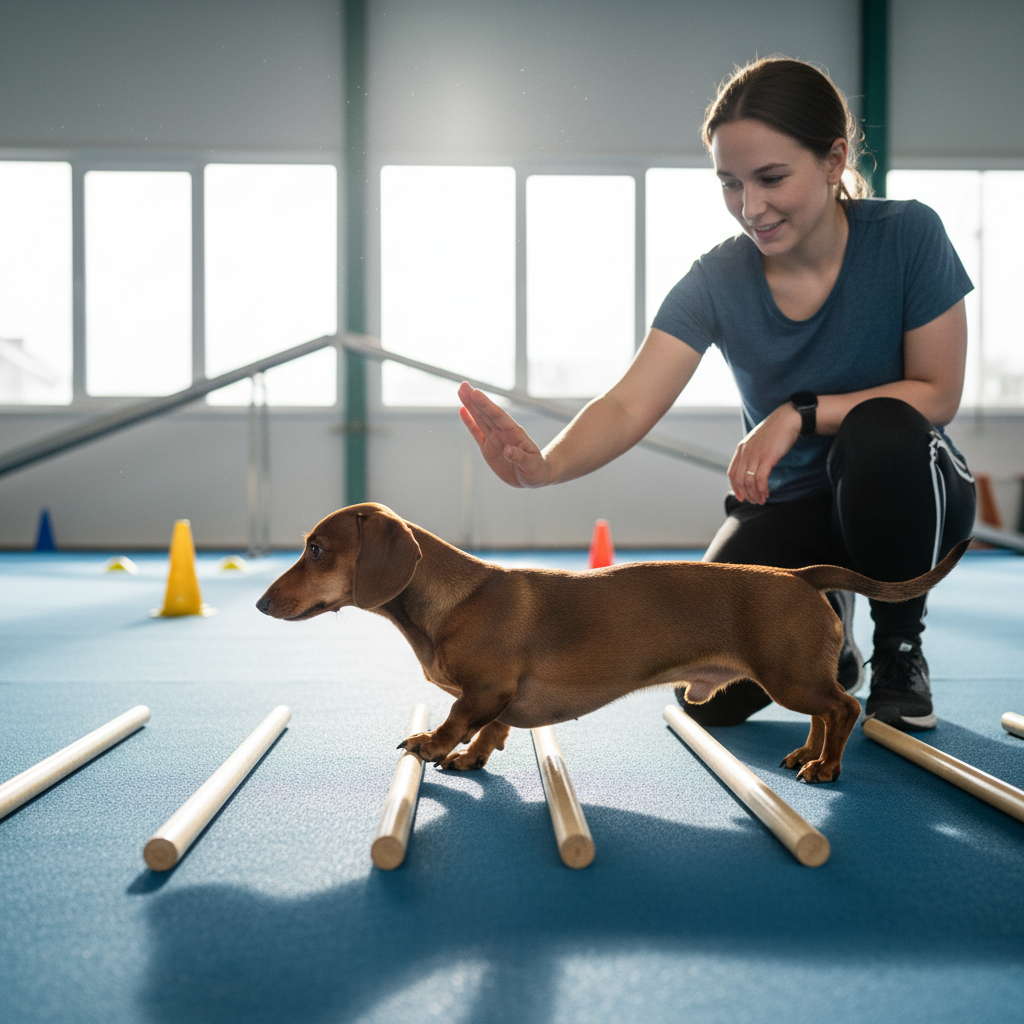
Pillar 3: Twice-Weekly Core-Strengthening Cavaletti Walks
Here's where the vital component of muscle conditioning comes in. Cavaletti poles are low obstacles that dogs step over, promoting proprioception (awareness of body position) and engaging core muscles. The study prescribed twice-weekly 10-15 minute sessions of Cavaletti walks.
These exercises encourage leg lift and flexion, strengthening the abdominal muscles, hindquarters, and supporting muscles along the spine. It's low-impact but highly effective. Start with poles very close to the ground, gradually increasing height and spacing as your Dachshund gains strength and confidence. Always supervise and keep sessions positive and short to avoid overexertion.
Pillar 4: A Lean Body Condition Score (BCS) of 4/9
Excess weight is a known risk factor for many canine health issues, and IVDD is no exception. The study highlighted that Dachshunds maintained at a lean body condition score of 4 out of 9 had significantly lower IVDD rates.
A BCS of 4/9 means your dog has a noticeable waist when viewed from above, and their ribs are easily palpable with a thin layer of fat covering them. Consult your veterinarian for an accurate assessment and guidance on achieving and maintaining this ideal weight. Every extra pound your Dachshund carries puts added stress on their spine, accelerating disc degeneration.
The Six Subtle Early Warning Signs Owners Miss
One of the most critical aspects of IVDD management is early detection. The sooner an episode is identified, the better the prognosis for recovery. The study identified six subtle early warning signs that many owners unknowingly overlook:
- Reluctance to Shake Off After a Bath: A healthy Dachshund vigorously shakes off water. A dog experiencing early spinal discomfort might shake off less enthusiastically or avoid it altogether due to pain when twisting their torso.
- Skipping the Second Step on the Stairs: If your Dachshund usually takes stairs one by one but suddenly starts skipping or hesitating on the second step (or any step), it could indicate back pain.
- A Slight Roach in the Topline at Rest: While some Dachshunds naturally have a slight arch, a sudden or increased roach (curving upwards) in the topline when your dog is standing still, not engaged in activity, can be a sign of spinal discomfort.
- Yelping When Lifted Under the Armpits: If a previously tolerant Dachshund suddenly yelps or shows discomfort when being picked up in this manner, it can signify pain in the neck or upper back.
- Slower Tail Wags in the Morning: A lower, slower, or less enthusiastic tail wag, particularly first thing in the morning, can be a subtle indicator of spinal stiffness or pain that impacts their ability to move their tail freely.
- Sudden Refusal to Play Tug: Tug-of-war, with its twisting and sudden movements, can be painful for a dog with an early disc injury. A sudden, uncharacteristic refusal to engage in this favorite game should raise a red flag.
If you observe any of these signs, even intermittently, contact your veterinarian immediately. Early intervention is paramount.
The New PennHIP-Style Spinal Screening X-Ray Protocol
Predictive diagnostics are also advancing. Board-certified neurologists now recommend a PennHIP-style spinal screening X-ray protocol for Dachshunds at age two. Similar to how PennHIP evaluates hip dysplasia risk, this specialized X-ray series provides a detailed assessment of disc health and spinal alignment before clinical signs appear.
This screening allows veterinarians and owners to proactively identify dogs at higher risk for IVDD, enabling even more targeted prevention strategies and close monitoring. It's a proactive step towards personalized preventive care.
Bratwurst's Tender Story: A Full Recovery
Meet Bratwurst, a lively red smooth Miniature Dachshund who, despite his owner's best efforts with the 'no jumping' rule, experienced a Grade 2 IVDD episode at age four. Bratwurst suddenly showed reluctance to go up the two steps to the back door and had a noticeable wobble in his hind end.
His owner, distraught, rushed him to the vet. After diagnosis, instead of immediate surgery, they opted to try the new 2026 protocol. Bratwurst began a strict 90-day crate rest period, along with hydrotherapy.
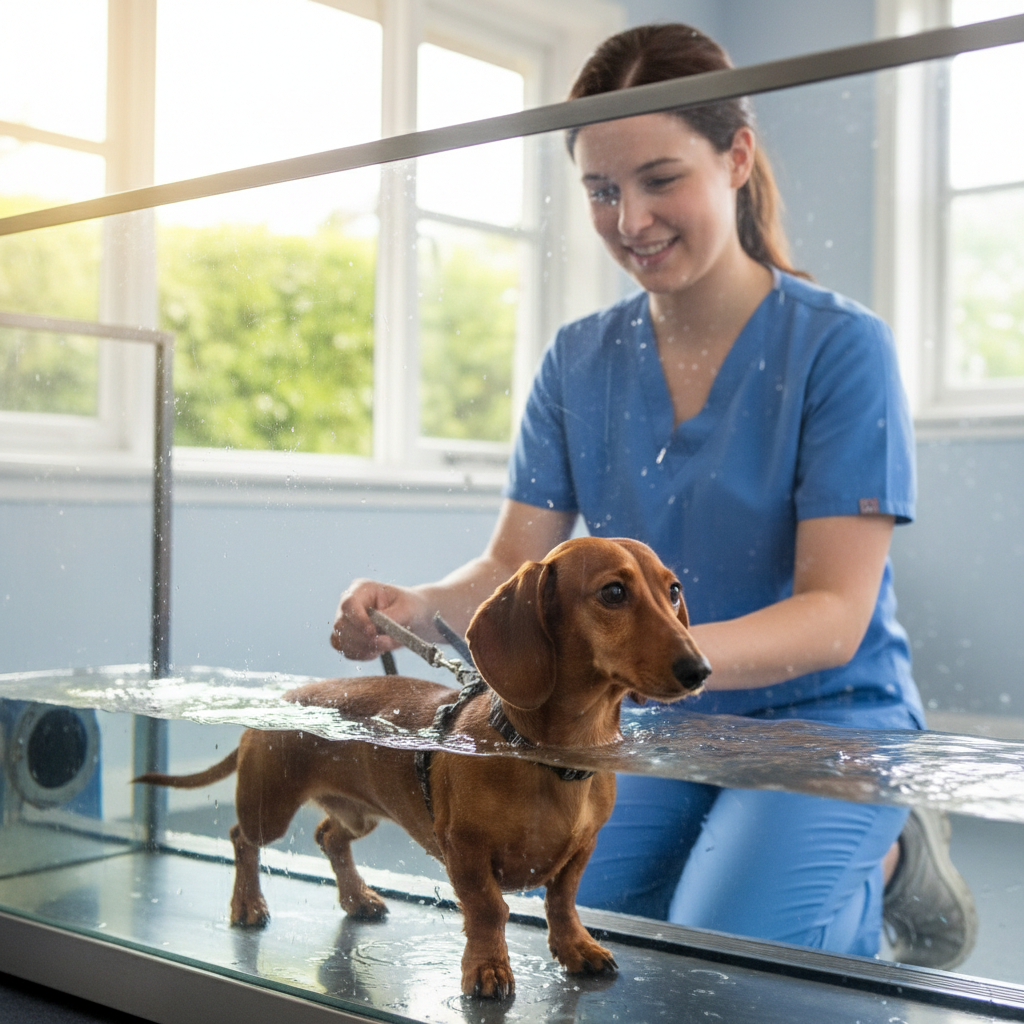
His rehabilitation included gentle, supervised underwater treadmill sessions following the Dodds Rehab Method, which customizes exercises to rebuild muscle strength without impact. His owner diligently followed the ramp-only rule, switched to a Y-shaped harness, and once cleared, introduced slow, carefully monitored Cavaletti walks. He also adjusted Bratwurst's diet to maintain a lean BCS of 4/9.
Twelve weeks later, Bratwurst's Grade 2 episode had fully resolved. He's back to his cheerful self, carefully managed on the full 2026 prevention protocol, a testament to the power of comprehensive, proactive care. His story is a beacon of hope for many.
Rebuilding Post-Episode Mobility: The Dodds Rehab Method
Should an IVDD episode occur, advancements in rehabilitation offer incredible hope for restoring mobility. The Dodds Rehab Method, developed by leading canine rehabilitation specialists, focuses on progressive, low-impact exercises to rebuild strength, coordination, and proprioception.
Key to this method are underwater treadmill sessions. The buoyancy of water reduces weight-bearing stress on the spine, allowing dogs to exercise muscles and practice gait patterns without pain or excessive strain. This controlled environment builds core strength, improves hindlimb function, and promotes neurological recovery. Other components include therapeutic exercises, massage, and laser therapy.
The Honest Conversation: Hemilaminectomy Surgery and Crate Rest
While prevention is paramount, it's also crucial to have an honest understanding of treatment options, especially when an IVDD episode is severe. Hemilaminectomy surgery is often recommended for dogs with severe neurological deficits (Grade 3-5, including paralysis) or those who don't respond to conservative management.
This surgery involves removing part of the vertebral bone to relieve pressure on the spinal cord. It can be life-saving and restore mobility, but it comes with significant considerations:
- Cost: Hemilaminectomy is a major surgical procedure, and costs can range from $5,000 to $10,000 or more, depending on location, complexity, and post-operative care.
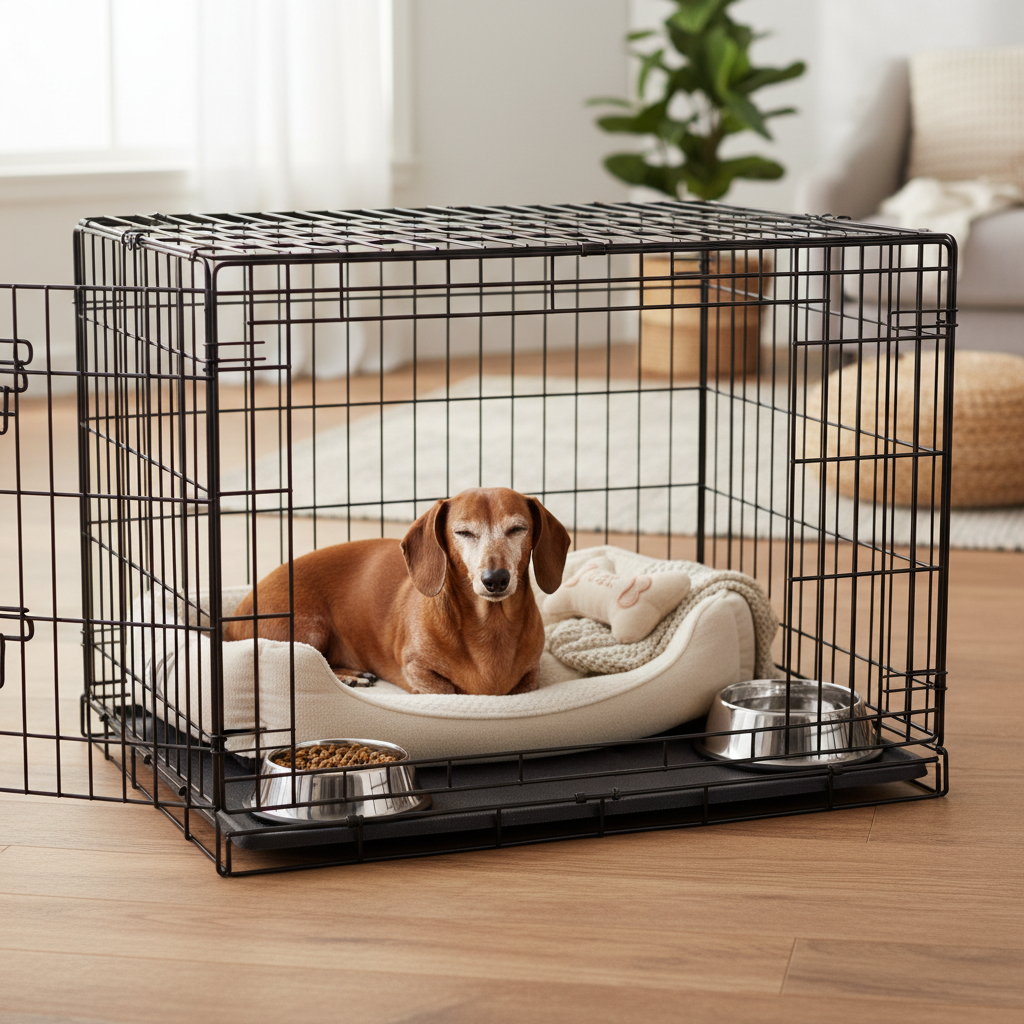
- 90-Day Crate Rest Reality: Post-surgery, an absolute and strict 90-day crate rest period is typically required. This is non-negotiable for proper healing and to prevent re-injury. It means minimal movement, only out for potty breaks on a leash, and constant supervision. This can be emotionally and physically challenging for both dog and owner, requiring immense dedication.
Understanding these realities beforehand allows owners to make informed decisions and prepare for the commitment involved.
The Future Outlook: More Healthy Dachshund Years Ahead
The 2026 Dachshund IVDD Prevention Protocol marks a pivotal moment in canine health. By combining preventative measures with early detection and advanced rehabilitation, we are truly empowered to give our Dachshunds longer, healthier, and happier lives, free from the debilitating pain of IVDD. This is a testament to dedicated research and the unwavering love we have for our unique, long-bodied companions. Embrace this new protocol, share it widely, and look forward to a future where IVDD is no longer the inevitable threat it once was.
Key Takeaways
- Multifaceted Prevention: A combined approach using ramps, Y-harnesses, cavaletti walks, and lean body condition significantly reduces IVDD risk in Dachshunds.
- Muscle is Core: Strengthening core muscles is crucial for spinal support, going beyond just preventing 'no jumping' to actively fortify the spine.
- Vigilance Pays Off: Recognize subtle early IVDD signs immediately to seek veterinary attention and improve prognosis.
- Proactive Diagnostics: Consider the new PennHIP-style spinal screening X-ray at age two for early risk assessment and personalized prevention.
- Rehab Renews Hope: Advanced rehabilitation techniques, like underwater treadmills, offer excellent recovery potential for dogs post-IVDD episode.
Frequently Asked Questions
What is IVDD and why are Dachshunds so prone to it?+
Intervertebral Disc Disease (IVDD) is a condition where the discs between the vertebrae in the spine bulge or rupture, pressing on the spinal cord. Dachshunds are genetically predisposed due to their chondrodystrophic (dwarf-like) build, which leads to premature degeneration of their discs, making them more susceptible to injury.
How quickly should I act if I suspect my Dachshund has IVDD?+
Immediately. If you notice any of the subtle warning signs or sudden weakness, pain, or paralysis, contact your veterinarian right away. Early diagnosis and intervention significantly improve the chances of a positive outcome and can prevent progression to more severe stages.
Can older Dachshunds also benefit from this new prevention protocol?+
Absolutely! While the study focused on ages 3-8, implementing these protocols can benefit Dachshunds of all ages. For older dogs, it can help maintain existing spinal health, prevent further degeneration, and improve overall quality of life, potentially reducing the risk of future episodes.
Is the PennHIP-style spinal screening X-ray painful for my Dachshund?+
No, the screening is not painful. It's similar to standard X-rays but requires specific positioning. Your veterinarian will likely use sedation to ensure your dog is comfortable and still, allowing for clear and accurate images without stress.
What if my Dachshund refuses to use ramps or cooperate with Cavaletti walks?+
Patience and positive reinforcement are key! For ramps, start with treats and praise, gradually encouraging them to use it. For Cavaletti, begin with very low heights and short sessions, making it a fun game with rewards. If your dog is consistently resistant, consult with a professional dog trainer or a canine rehabilitation specialist for guidance and alternative exercises suitable for your dog's temperament and physical condition.
Sources
Related Reading
- Berner Lifespan DOUBLED! New Protocol Adds Years to Your Dog's Life
- Heatstroke Horror: How to Save Your Australian Cattle Dog This Summer
- Cavalier King Charles Spaniel Syringomyelia: A New Hope for Our Beloved Royals
- The Silent Reflux Epidemic: Saving Flat-Faced Puppies in 2026
- Is Your Senior Poodle Showing Early Sundowning Signs? New Hope for CCDS!
Share this story
Pin this to your Healthy Happy Dogs board
Vet-vetted wellness, symptom guides, and senior dog care pins.
Liked this story?
Share it with someone who should read it.
More from Dog Health & Wellness

Berner Lifespan DOUBLED! New Protocol Adds Years to Your Dog's Life

Heatstroke Horror: How to Save Your Australian Cattle Dog This Summer
