Is Your Senior Poodle Showing Early Sundowning Signs? New Hope for CCDS!
Is your senior dog starting to seem 'off' in the evenings? The latest research from UC Davis and the Dog Aging Project reveals groundbreaking insights into Canine Cognitive Dysfunction Syndrome (CCDS) and new intervention strategies to slow decline. If you have a Standard Poodle, Shiba Inu, or Rat Terrier approaching age 9, understanding these early sundowning signs could be a game-changer for their golden years.

Is Your Senior Poodle Showing Early Sundowning Signs? New Hope for CCDS!
As our beloved dogs age, we often anticipate a bit of gray around the muzzle, slower walks, and perhaps a few more naps in sunbeams. What we don't always expect, or even recognize, are the subtle shifts in behavior that can signal something more profound: Canine Cognitive Dysfunction Syndrome (CCDS), often referred to as 'doggy dementia.' For owners of Standard Poodles, Shiba Inus, and Rat Terriers, especially, new longitudinal data from the University of California Davis School of Veterinary Medicine and the Dog Aging Project is shedding crucial light on early-warning 'sundowning' signs that can manifest before age nine. The really exciting news? This research isn't just about identifying the problem; it's revealing a powerfully effective, combined protocol that significantly slows cognitive decline.
Today, on July 3, 2026, we're talking about a paradigm shift in how we approach senior dog care. We're moving beyond simply accepting decline as 'just getting old' and empowering owners with the knowledge to intervene early and effectively. This isn't just theory; it's backed by robust science and making a tangible difference in the lives of countless senior dogs and their families.
Why This Matters Now: A New Era For Senior Dog Health
For too long, CCDS has been a mystery, often misdiagnosed or dismissed. The heartbreak of watching a once-vibrant companion become confused, anxious, or disoriented is profound. But the landscape of senior dog health is rapidly evolving. Groundbreaking studies, like those from UC Davis and the Dog Aging Project, are providing an unprecedented understanding of canine brain aging. Their latest findings, particularly relevant to breeds like the Standard Poodle, Shiba Inu, and Rat Terrier, paint a clear picture: early intervention is key, and specific, multi-modal approaches can yield remarkable results.
These breeds, known for their intelligence and active minds, appear particularly susceptible to certain pre-symptomatic cognitive changes. Recognizing these subtle shifts before they become debilitating is the first step toward preserving their quality of life for as long as possible. And with a 47% slowed cognitive decline over 18 months in dogs on the new intervention protocol, the implications are truly revolutionary.
Quick Summary
- Early Recognition is Key: New UC Davis and Dog Aging Project data highlights early sundowning signs of CCDS in Standard Poodles, Shiba Inus, and Rat Terriers before age 9.
- Proven Protocol: A combined approach of MCT-oil-enriched diet, daily nose work, melatonin-timed routines, and veterinary-supervised Selegiline slowed cognitive decline by 47% over 18 months.
- Don't Dismiss Subtle Signs: Learn to identify the five critical behavioral red flags often mistaken for normal aging.
- Proactive Care: Implement home modifications and cognitive enrichment to support your senior dog's brain health.
- Consult Your Vet: Always partner with your veterinarian for diagnosis and treatment plans for CCDS.
Understanding Canine Cognitive Dysfunction Syndrome (CCDS)
Canine Cognitive Dysfunction Syndrome is a neurodegenerative disorder that mirrors aspects of Alzheimer's disease in humans. It's characterized by a progressive decline in cognitive abilities, affecting memory, learning, awareness, and the ability to respond appropriately to stimuli. While it can affect any aging dog, the latest research is providing breed-specific insights, helping us better understand its nuances.
The DISHA-AL Screening Checklist: A Vet's Tool
Board-certified veterinary behaviorists and general practitioners alike are increasingly utilizing screening tools like the DISHA-AL checklist at annual senior wellness exams. This acronym helps veterinarians and owners systematically assess changes in:
- Disorientation: Getting lost in familiar places, staring at walls, getting stuck.
- Interactions: Changes in social interaction with family members or other pets.
- Sleep-Wake Cycles: Reversed patterns, restlessness at night (sundowning).
- House-training: Accidents in the house despite being previously house-trained.
- Activity: Decreased or altered activity levels, repetitive behaviors.
- Anxiety: Increased anxiety, often expressed as pacing, vocalization, or clinginess.
- Learning/Memory: Difficulty learning new tasks, forgetting previously learned commands.
This comprehensive approach moves beyond anecdotal observations, providing a structured way to identify and track potential cognitive decline. If your vet brings up DISHA-AL, embrace it as a valuable tool for your dog's long-term health.
The New Early-Warning Sundowning Signs You Can't Ignore
'Sundowning' refers to a state of increased confusion, anxiety, and restlessness that often occurs in the late afternoon, evening, or night. While recognized in human dementia for some time, its manifestation in dogs, particularly as an early CCDS indicator, is only now gaining critical attention thanks to studies like those from UC Davis. For Standard Poodles, Shiba Inus, and Rat Terriers, these signs can appear surprisingly early – sometimes even before their ninth birthday.
Here are five subtle, yet crucial, behavioral red flags that owners often dismiss as 'just getting old,' but which warrant immediate veterinary consultation:
1. Staring at Walls or Into Space
Imagine your dog, who once eagerly greeted you at the door, now standing motionless, staring blankly at a wall or into an empty corner for extended periods. This isn't just zoning out; it can be a significant sign of disorientation, a core component of CCDS. Their brain may be struggling to process their environment, leading to a disconnect from their surroundings.
2. Getting Stuck Behind Furniture or in Corners
Previously navigable spaces suddenly become traps. Your dog might walk behind a chair, then seem unable to figure out how to back out or turn around. This indicates a decline in spatial awareness and problem-solving skills. It's no longer just clumsiness; it's a cognitive processing issue.
3. Reversed Sleep-Wake Cycles and Nighttime Restlessness
This is a classic 'sundowning' symptom. A dog that once slept soundly through the night might now pace, whine, bark, or seem agitated and confused during evening hours, only to sleep heavily and deeply during the day. This disruption of the circadian rhythm is a strong indicator of cognitive changes and can be incredibly distressing for both dog and owner.
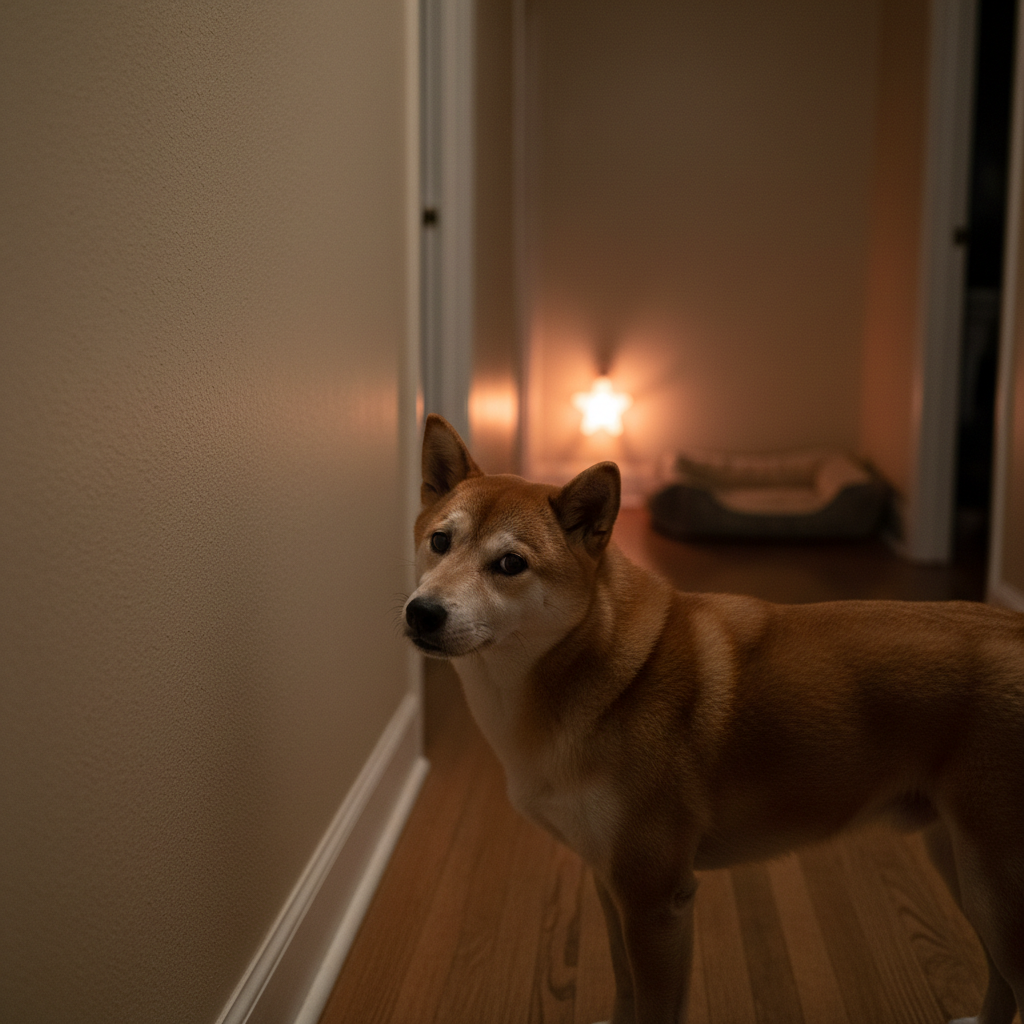 Nighttime confusion and staring at walls are often early indicators of sundowning in senior dogs.
4. House-Training Regression
An otherwise perfectly house-trained dog suddenly begins having accidents indoors, despite having ample opportunities to go outside. This isn't defiance; it's often a loss of memory regarding learned behaviors, decreased awareness of bodily functions, or an inability to signal their need to go out. It's heartbreaking but a clear sign that something is amiss cognitively.
5. Failing to Recognize Familiar Family Members
Perhaps the most distressing sign for owners is when their dog, even for a fleeting moment, seems to look at them with a blank stare, as if they're a stranger. While brief, these moments of non-recognition can be profoundly painful and are a strong indicator of memory and recognition deficits associated with CCDS.
If you observe any of these signs, even intermittently, it's crucial to consult your veterinarian. Early detection opens the door to early intervention, which as we'll see, offers significant hope.
The Breakthrough Protocol: Slowing Decline by 47%
The latest longitudinal data from the University of California Davis School of Veterinary Medicine and the Dog Aging Project has not only refined our ability to detect CCDS but has also unveiled a powerful, multi-modal intervention protocol. This groundbreaking research, tracking thousands of dogs over many years, demonstrated that a combined approach dramatically slowed cognitive decline by 47% over 18 months in the study population. This is phenomenal news for senior dogs and their families, offering a tangible strategy to improve and extend their quality of life.
The protocol integrates four key components:
1. MCT-Oil-Enriched Diet
Medium-chain triglyceride (MCT) oil, derived from coconut oil, provides an alternative energy source for the brain. In dogs with CCDS, glucose metabolism in the brain can become impaired. MCTs are converted into ketones, which can cross the blood-brain barrier and fuel brain cells, potentially improving cognitive function. The study utilized diets specifically formulated with enriched levels of MCTs.
What to do: Discuss with your veterinarian adding a canine-specific MCT oil supplement or a prescription diet formulated for cognitive support. Never add human-grade oils or supplements without vet guidance, as dosages and purity can vary significantly. Some commercial dog foods are now including MCTs as a cognitive health ingredient.
2. Daily 15-Minute Nose Work Games
Beyond physical exercise, mental stimulation is paramount for neuroplasticity – the brain's ability to reorganize itself by forming new neural connections. Scent work, or 'nose work,' is incredibly enriching and neurologically demanding for dogs. Just 15 minutes a day can make a significant difference.
What to do: Simple nose work games include hiding treats around the house, using snuffle mats, or playing 'find the toy.' The key is to engage their most powerful sense (smell) in a directed, problem-solving way. These activities are low-impact physically, making them suitable for seniors, but high-impact cognitively.
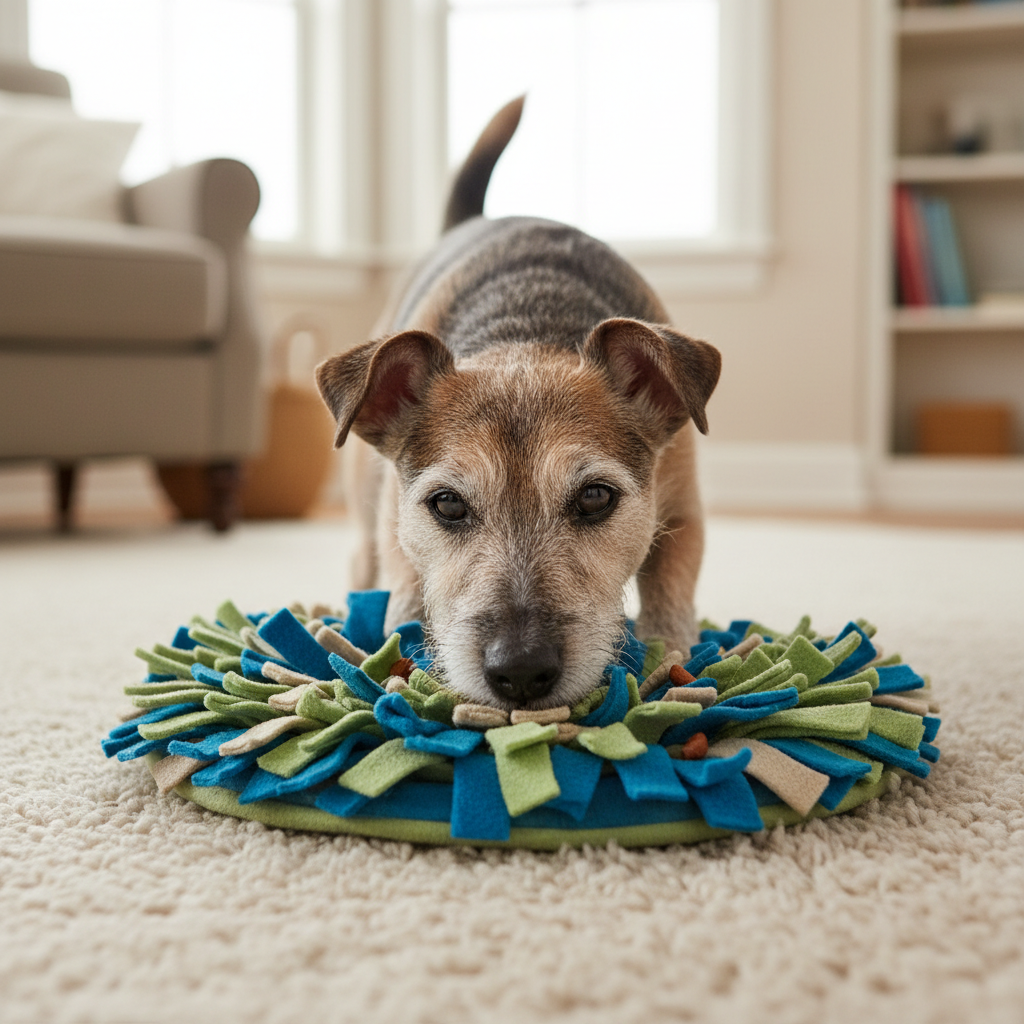 Daily nose work for just 15 minutes can significantly boost a senior dog's brain health.
3. Melatonin-Timed Evening Routines
The disruption of sleep-wake cycles (sundowning) is a significant aspect of CCDS. Melatonin, a natural hormone that regulates sleep, can help re-establish a more normal circadian rhythm. When combined with a consistent, calming evening routine, its effects are amplified.
What to do: Consult your vet about appropriate melatonin dosing for your dog. Establish a predictable evening routine: a gentle, short walk, a quiet potty break, a comfortable bed, and dim lighting. Administer melatonin at a consistent time each evening to help cue their body for sleep. Avoid exciting play or loud noises late in the day.
4. Selegiline Under Veterinary Supervision
Selegiline (Anipryl®) is a prescription medication approved for the treatment of canine cognitive dysfunction. It works by increasing dopamine levels in the brain and acting as an antioxidant, reducing oxidative damage. It's a critical component of many veterinary-managed CCDS protocols.
What to do: Selegiline is a prescription-only medication and requires a veterinary diagnosis of CCDS. Your vet will determine if it's appropriate for your dog, considering their overall health and any other medications they may be on. It's a cornerstone of the UC Davis study's success and should always be part of a comprehensive plan under professional guidance.
Puppy-Proofing for Seniors: Home Modifications for Safety and Comfort
Just as we make adjustments for puppies, a home environment can be modified to better support a cognitively declining senior dog. These changes can reduce anxiety, prevent injuries, and improve their overall quality of life.
Nightlights and Non-Slip Runners
Dogs with CCDS often experience vision impairment and disorientation, especially in low light. Nightlights in hallways, near their bed, and in areas they frequent can reduce confusion and anxiety during nighttime wandering. Non-slip runners or rugs on hard-surface floors provide better traction, preventing slips and falls that can cause injury, especially for dogs with concurrent arthritis or mobility issues.
Creating a Safe Space
Establish a quiet, easily accessible 'den' for your senior dog where they can retreat and feel secure. This might be a comfortable dog bed in a low-traffic area, away from young children or other boisterous pets. Ensure their food and water bowls are easily reachable and stable.
The Power of Enrichment: Puzzle Feeders vs. Passive TV Time
While some owners might think a quiet evening watching TV with their dog is beneficial, for a dog with cognitive decline, passive activities offer little brain stimulation. Active, engaging enrichment is far superior for maintaining neuroplasticity.
Why Enrichment Puzzle Feeders Win
Puzzle feeders and snuffle mats require your dog to problem-solve to get their food. This mental engagement strengthens neural pathways, encourages focus, and provides a sense of accomplishment. It's a form of mental exercise that truly helps keep their minds sharp.
- Benefits: Stimulates problem-solving, reduces boredom, slows eating, and often reduces anxiety by providing a focused activity.
- Examples: Kongs (stuffed with wet food and frozen), slow feeder bowls, interactive puzzle toys that require pawing or nudging to release treats.
Contrast this with simply lying by the TV – while it might offer companionship, it doesn't provide the active cognitive challenge necessary to combat decline.
Biscuit's Story: A Beacon of Hope
Meet Biscuit, a lovable 13-year-old rescue Standard Poodle. For months, his owner, Sarah, noticed concerning changes. Biscuit began pacing restlessly most evenings, bumping into furniture, and sometimes seemed to forget where he was, standing confused in the middle of a room. His once pristine house-training deteriorated, and he often slept deeply during the day, only to be wide awake and anxious at 2 AM. Sarah, initially brushing it off as classic 'old age,' eventually sought help from her veterinarian, Dr. Chen.
Dr. Chen, recognizing the classic sundowning signs, diagnosed Biscuit with early-stage CCDS. Together, they implemented a comprehensive cognitive support plan based on the latest research. Biscuit's diet was switched to a prescription formula enriched with MCTs. Sarah began hiding small, healthy treats around the house each afternoon, engaging Biscuit in 15 minutes of dedicated nose work. They established a strict evening routine, and with vet approval, started a low dose of melatonin before bed, along with Selegiline.
The transformation was remarkable. Within six weeks, Biscuit's nighttime pacing had significantly reduced. His confusion seemed to lessen, and while he still had his senior moments, his overall demeanor improved. He started engaging more with Sarah during their nose work sessions, and his sleep patterns gradually normalized. Biscuit’s story is a powerful testament to the fact that with early intervention and a dedicated plan, senior dogs can regain a significant portion of their quality of life, finding peace and comfort in their golden years.
 Restful sleep is a key indicator of improved cognitive health, as seen in Biscuit's remarkable progress.
Proactive Steps for Every Owner of a Senior Standard Poodle, Shiba Inu, or Rat Terrier
If you have one of these intelligent and sensitive breeds approaching or past age nine, be proactive. Don't wait for significant signs of decline. Talk to your veterinarian about incorporating cognitive health assessments into their annual wellness exams. Discuss preventative strategies, even before symptoms appear. The research is clear: early, multi-faceted intervention is the most effective approach.
Your dog has given you a lifetime of unconditional love and companionship. By being vigilant, informed, and proactive, you can help ensure their golden years are as comfortable, joyful, and cognitively robust as possible. The future for senior dog care is brighter than ever, and together with your vet, you can make a profound difference.
Frequently Asked Questions
What is 'sundowning' in dogs, and why is it important for CCDS?+
Sundowning in dogs refers to a period of increased confusion, anxiety, and restlessness, typically occurring in the late afternoon, evening, or night. It's a significant early-warning sign of Canine Cognitive Dysfunction Syndrome (CCDS) because it indicates a disruption in the dog's circadian rhythm and an early decline in cognitive function, often preceding more severe symptoms.
Can diet really impact canine cognitive decline?+
Yes, absolutely! The UC Davis research highlighted that an MCT-oil-enriched diet was a key component of the protocol that slowed cognitive decline by 47%. MCTs provide an alternative energy source for the brain (ketones), which can be crucial when the brain's ability to use glucose is impaired due in CCDS. Always consult your vet for specific dietary recommendations or supplements.
How can I tell the difference between normal aging and early CCDS?+
While some slowing down is normal with age, specific behavioral changes point to CCDS. Normal aging might include slower responses or less energy, but CCDS involves disorientation (staring at walls), loss of learned behaviors (house-training accidents), altered social interactions, and disrupted sleep-wake cycles (nighttime pacing). If you observe these specific 'red flags,' consult your veterinarian for assessment using tools like the DISHA-AL checklist.
Is it safe to give my dog melatonin or Selegiline?+
Melatonin and Selegiline can be effective tools for managing CCDS symptoms, but their use should *always* be under veterinary supervision. Your vet will determine the appropriate dosage for melatonin and whether Selegiline is suitable for your dog based on a proper diagnosis and their overall health. Never self-prescribe medications or supplements for your pet.
What are some simple nose work games I can do with my senior dog?+
Simple nose work games are excellent for mental stimulation. Start by hiding a favorite treat under one of three cups and let your dog find it. Progress to hiding treats in a snuffle mat or a rolled-up towel. You can also hide treats around a room and encourage your dog to 'find it.' Keep sessions short (10-15 minutes) and positive, ending before your dog gets bored or frustrated.
Sources
Related Reading
- Doggy Dementia Breakthrough: New At-Home Test Catches CCD Early!
- Is Your Senior Dog Showing These Subtle Signs? New Study Reveals How to Fight Dog Dementia!
- Ozempic for Dogs? New Drug Trial Shows Promise for Canine Weight Loss
- H5N1 Bird Flu: What Dog Owners *Must* Know Now
- Bonqat / Zenrelia: The First Dual-Purpose Anxiety Medication for Dogs Approved by FDA!
Share this story
Pin this to your Healthy Happy Dogs board
Vet-vetted wellness, symptom guides, and senior dog care pins.
Liked this story?
Share it with someone who should read it.
More from Dog Health & Wellness

Ozempic for Dogs? New Drug Trial Shows Promise for Canine Weight Loss

Is Your Senior Dog Showing These Subtle Signs? New Study Reveals How to Fight Dog Dementia!
