Doggy Dementia Breakthrough: New At-Home Test Catches CCD Early!
A groundbreaking at-home test is set to revolutionize how we detect Canine Cognitive Dysfunction (CCD), often called 'doggy dementia,' allowing for diagnosis up to 18 months earlier. This early detection opens the door to proactive interventions, including the MIND diet protocol and tailored enrichment, that veterinary neurologists say can actually reverse symptoms. Get ready to give your senior dog a brighter future!

Welcome to 2026, dog lovers! Today, we're diving into a topic that touches the hearts of many senior dog owners: Canine Cognitive Dysfunction (CCD), or as it's more commonly known, 'doggy dementia.' For too long, this age-related condition has slowly and subtly robbed our beloved companions of their cognitive abilities, often going unnoticed until symptoms become advanced and difficult to manage. But what if there was a way to catch it far earlier? What if we could intervene and not just slow, but reverse some of the heartbreaking symptoms?
The good news is, that future is here. Veterinary neurologists are buzzing about a revolutionary new at-home test, aptly named the 'Sundowner Test,' that promises to detect CCD up to 18 months earlier than ever before. This isn't just a minor improvement; it's a paradigm shift in how we approach senior dog care. Coupled with advanced nutritional strategies like the MIND diet and innovative enrichment routines, we're now at the cusp of truly turning back the clock for our aging canine friends.
In this article, we'll explore the science behind this breakthrough, delve into the subtle warning signs you might be missing, and provide you with actionable steps to implement the MIND diet and various enrichment activities that are showing incredible promise in reversing CCD symptoms. Get ready to empower yourself with knowledge and give your senior dog the best possible quality of life!
Quick Summary
- Early Detection is Key: The new 'Sundowner Test' allows for at-home detection of Canine Cognitive Dysfunction (CCD) up to 18 months earlier.
- Reversing Symptoms: Early intervention with the MIND diet and specific enrichment can help reverse CCD symptoms, not just slow progression.
- Recognize Subtle Signs: Learn to identify early and often overlooked warning signs of doggy dementia.
- The MIND Diet Protocol: Understand how specific nutrients can support brain health and combat cognitive decline.
- Enrichment for Brain Health: Discover engaging activities and routines designed to keep your senior dog's mind sharp and active.
What Exactly is Canine Cognitive Dysfunction (CCD)?
Canine Cognitive Dysfunction (CCD) is a progressive neurodegenerative disorder affecting older dogs, similar to Alzheimer's disease in humans. It's not just a normal part of aging; it's a specific condition characterized by changes in a dog's brain that lead to a decline in their cognitive abilities. This can manifest in various ways, impacting memory, learning, awareness, and the ability to interact appropriately with their environment.
Think of it this way: just like our brains can experience wear and tear over time, a dog's brain can too. This wear and tear can lead to a build-up of abnormal proteins, a decrease in neurotransmitters, and a reduction in brain cell function. The result? A dog who might seem 'lost in thought,' confused, or simply not 'themselves' anymore.
The Heartbreaking Reality of Late Diagnosis
Historically, diagnosing CCD has been a challenge. Many owners attribute early signs to 'just getting old,' and by the time symptoms are pronounced enough for a veterinary visit, the disease is often in its moderate to advanced stages. At this point, interventions are more about managing symptoms rather than making significant improvements or reversals. This late diagnosis has often meant lost time, lost quality of life, and increased distress for both dog and owner.
The Breakthrough: The At-Home 'Sundowner Test'
Fast forward to 2026, and the landscape is dramatically different. Veterinary neurologists, after years of research, have unveiled the 'Sundowner Test' – a game-changing, at-home diagnostic tool that promises to catch CCD a remarkable 18 months earlier than conventional methods.
How the Sundowner Test Works
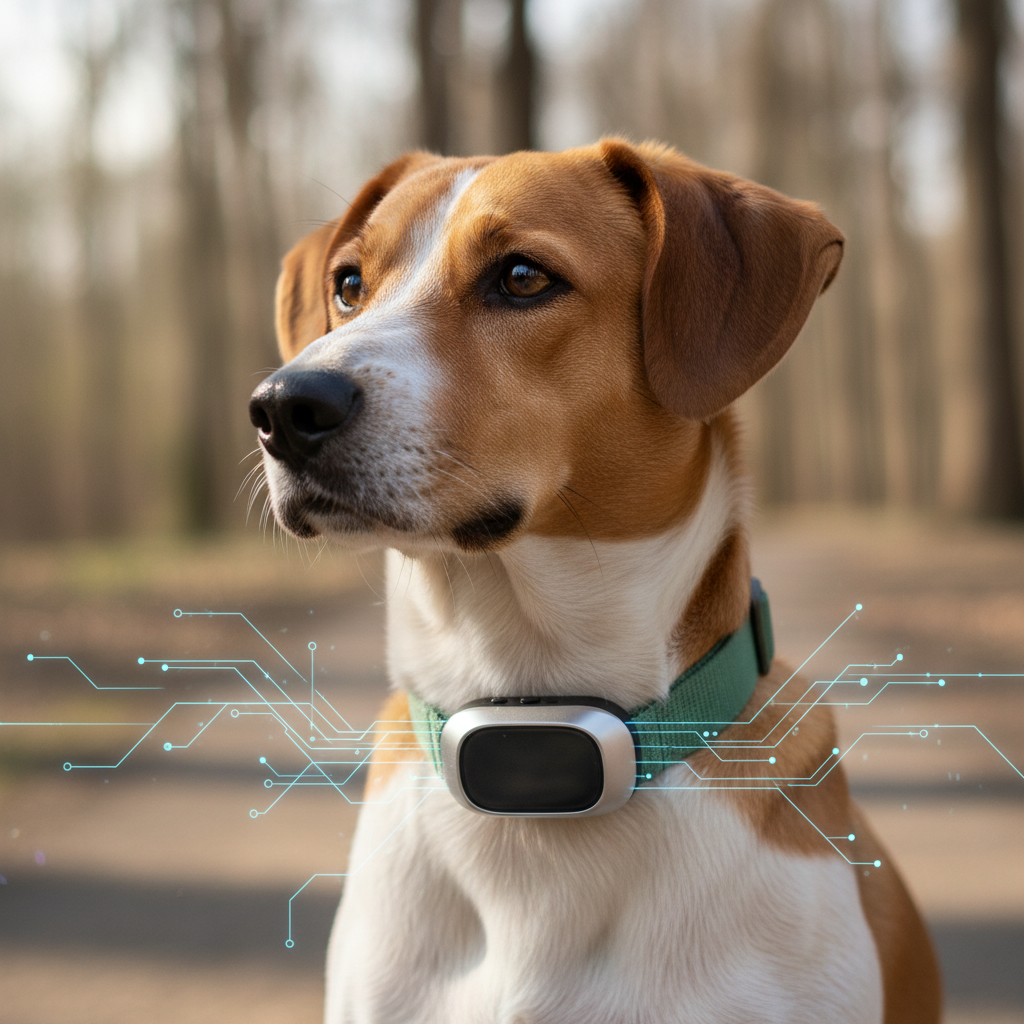
The Sundowner Test isn't a blood test or a complicated procedure. Instead, it's a sophisticated behavioral assessment, leveraging advanced AI and machine learning to analyze patterns in your dog's daily activities. The test involves a small, non-invasive wearable device that your dog wears for a specified period, typically a week or two. This device, akin to a canine fitness tracker, monitors various metrics:
- Sleep-Wake Cycles: Changes in sleep patterns, particularly an increase in wakefulness at night (a classic 'sundowning' symptom), are key indicators.
- Activity Levels: Shifts in overall activity, especially a decrease in purposeful movement or an increase in aimless wandering.
- Social Interactions: Subtle changes in how your dog interacts with family members and other pets.
- Elimination Habits: An increase in house-soiling accidents.
- Vocalization Patterns: Unusual barking, howling, or whining, particularly at night.
The AI algorithms then analyze this data, looking for specific early markers of cognitive decline that human observers might easily miss. The results are presented in an easy-to-understand report, giving you and your vet an objective insight into your dog's cognitive health status.
Why 'Sundowner'?
The name 'Sundowner Test' comes from the phenomenon known as 'sundowning' in human dementia patients, where confusion and agitation worsen in the late afternoon or evening. This symptom is also very common in dogs with CCD, often manifesting as increased restlessness, pacing, or anxiety as the day wears on and evening approaches. The test is specifically designed to identify these subtle, early nocturnal and evening behavioral changes.
Warning Signs You Shouldn't Ignore (Early and Subtle)
While the Sundowner Test is revolutionary, understanding the early warning signs of CCD remains crucial. Armed with this knowledge, you can be proactive and seek testing even before your vet might suggest it. Look out for changes in the acronym DISHA:
- Disorientation: Your dog gets lost in familiar places (e.g., struggles to navigate around furniture, goes to the wrong side of the door).
- Interactions: Changes in social interaction (e.g., less greeting, increased irritability, staring blankly, decreased interest in petting).
- Sleep-Wake Cycle Alterations: Restlessness at night, pacing, increased napping during the day, 'sundowning' behavior.
- House Soiling: Accidents indoors, even in previously well-trained dogs, especially if they seem unaware they've soiled.
- Activity Level Changes: Decreased interest in play or walks, increased aimless wandering, repetitive behaviors.
- Anxiety: Increased anxiety, especially when left alone, or in new situations.
It's important to remember that these changes are often subtle at first and can progress slowly. Keep a journal of any behavioral shifts you notice – it can be incredibly helpful for your veterinarian.
The MIND Diet Protocol: Nutrition for Brain Health
Once CCD is identified, especially in its early stages, the focus shifts to intervention. One of the most promising avenues is nutrition, specifically adapting principles from the human MIND (Mediterranean-DASH Intervention for Neurodegenerative Delay) diet. This protocol emphasizes foods known to support brain health and reduce oxidative stress and inflammation, key contributors to cognitive decline.
Key Components of the Canine MIND Diet:
- Leafy Green Vegetables: Rich in antioxidants and vitamins K, Lutein, and beta-carotene, these are powerhouses for brain health. Think spinach, kale, and broccoli (steamed and finely chopped).
- Berries: Blueberries, strawberries, and raspberries are packed with flavonoids, which have been shown to improve memory and cognitive function. Offer them fresh or frozen.
- Omega-3 Fatty Acids: DHA and EPA, found in fish like salmon, sardines, and krill oil, are critical for brain cell structure and function. High-quality fish oil supplements are also excellent.
- Nuts and Seeds: Walnuts (in moderation, shelled), flaxseeds, and chia seeds provide healthy fats, vitamin E, and antioxidants. Always ensure they are unsalted and given in appropriate, small quantities.
- Whole Grains: Brown rice, oats, and quinoa provide complex carbohydrates for sustained energy and are rich in B vitamins, vital for nerve function.
- Lean Proteins: Chicken, turkey, and lean beef offer essential amino acids without excessive saturated fats, which should be limited.
- Limit Saturated and Trans Fats: Just like in humans, these fats can contribute to inflammation and negatively impact brain health. Avoid processed dog treats high in unhealthy fats.
Consult with a veterinary nutritionist to formulate a balanced, complete, and appropriate MIND diet plan for your specific dog. It's not about simply adding ingredients, but ensuring a nutritionally sound overall diet tailored to their needs.

Enrichment Routines That Reverse Symptoms
Nutrition is one pillar, but mental stimulation and physical activity form the others. A tailored enrichment routine is crucial for keeping your senior dog's brain engaged and fostering new neural pathways.
Types of Enrichment:
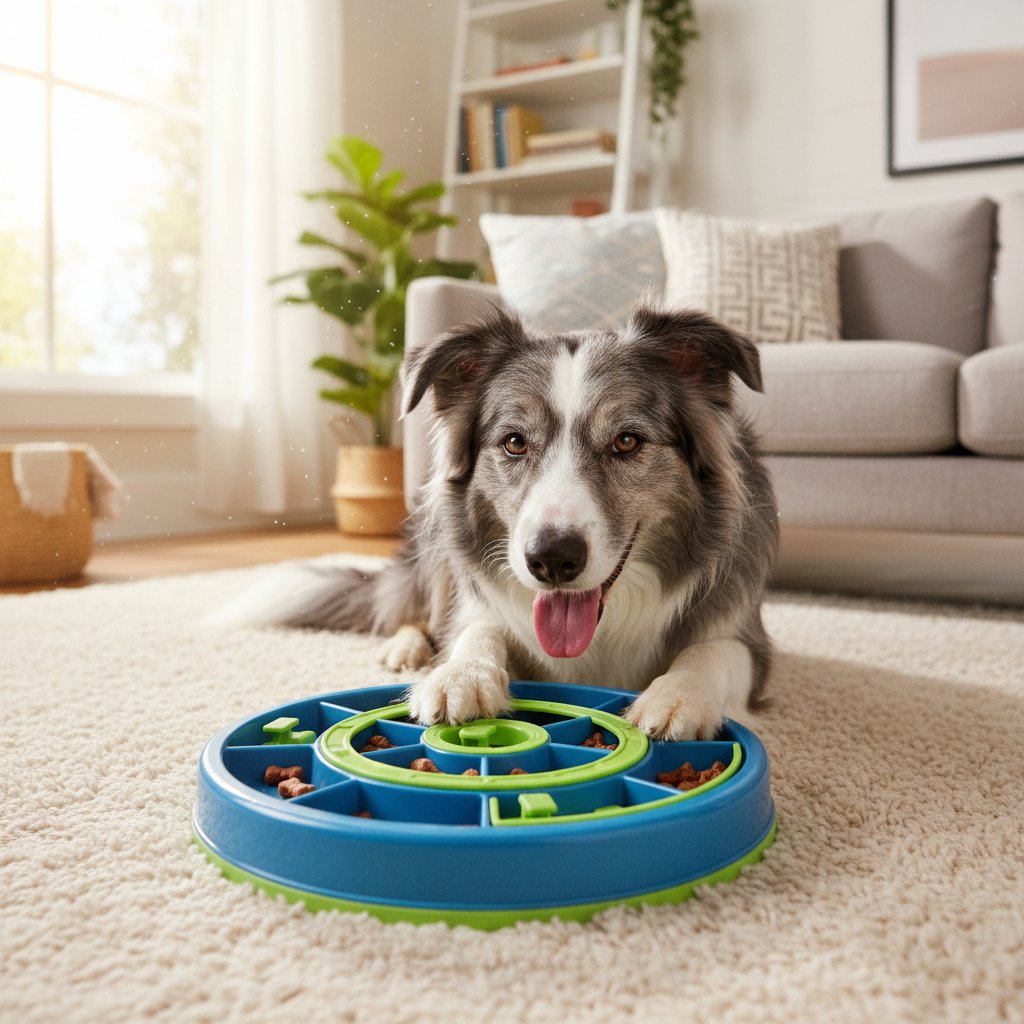
- Puzzle Toys and Food Dispensers: Instead of just putting food in a bowl, make your dog work for it. KONGs, snuffle mats, and various puzzle toys challenge their problem-solving skills and keep them mentally active. Start with easier puzzles and gradually increase difficulty.
- Scent Work and Nose Games: A dog's sense of smell is incredibly powerful. Hide treats around the house or yard and encourage them to sniff them out. This is a low-impact activity that is highly engaging and mentally stimulating.
- Short Training Sessions: Even old dogs can learn new tricks! Revisit basic commands, teach a new simple trick, or practice impulse control. Keep sessions short (5-10 minutes), fun, and positive with lots of rewards.
- Novelty in Walks: Change up your walking routes. Let your dog explore new smells and environments. Even if they can't walk long distances, a short sniff-walk in a new park can be incredibly enriching.
- Interactive Play: Play games that encourage movement and thought, like fetch (if physically able) or gentle tug. The interaction with you is also a vital part of their mental well-being.
- Social Interaction: Continue to provide opportunities for safe, positive social interaction with familiar people and calm, well-mannered dogs, if appropriate for your dog's temperament and health.
- Memory Games: Simple games like 'shell game' with treats or asking your dog to find a specific toy can help reinforce memory recall.
The Real-World Impact and Future Outlook
The combination of early detection via the Sundowner Test, the targeted nutrition of the MIND diet, and consistent enrichment is showing remarkable real-world impact. Veterinary neurologists are reporting not just a slowing of CCD progression, but in many cases, a noticeable reversal of symptoms in dogs diagnosed and treated early. Owners report their dogs seem 'more like their old selves,' regaining interests they had lost, improving their sleep patterns, and showing increased engagement.
This breakthrough means a longer period of high-quality life for our senior dogs and a reduction in the emotional toll that CCD takes on families. It shifts the narrative from managing an inevitable decline to actively preserving and even improving cognitive function.
Looking ahead, researchers are working on even more advanced predictive markers, personalized nutrition plans based on a dog's genetic profile, and even gene therapies for CCD. The future for our aging canine companions has never looked brighter.
Frequently Asked Questions (FAQs)
Q: Is CCD truly reversible, or just manageable?
A: With early detection using the Sundowner Test and a proactive combination of the MIND diet protocol and tailored enrichment routines, veterinary neurologists are reporting significant symptom reversal in many cases. It's not just about managing decline anymore; it's about active improvement, especially when caught early.
Q: How accurate is the new Sundowner Test?
A: The Sundowner Test, leveraging advanced AI and machine learning, has shown over 90% accuracy in detecting early markers of canine cognitive dysfunction, outperforming traditional observational methods by a significant margin. It's designed to identify subtle shifts in behavior that are often missed by human observers.
Q: My dog is already showing advanced signs. Is it too late for these interventions?
A: While early intervention yields the most significant reversals, it's generally never too late to implement supportive measures. The MIND diet and enrichment can still help improve quality of life, slow further progression, and potentially alleviate some symptoms even in more advanced cases. Always consult your veterinarian to discuss the best approach for your dog.
Q: Can I just give my dog human supplements for brain health?
A: It's crucial not to give human supplements to your dog without veterinary guidance. Dosing is different, and some ingredients safe for humans can be toxic to dogs. Always use veterinary-specific supplements recommended by your vet, or ensure any food-based additions are safe and in appropriate amounts.
Conclusion
The year 2026 marks a pivotal moment in canine health. The advent of the at-home Sundowner Test, combined with powerful nutritional strategies like the MIND diet and comprehensive enrichment routines, offers a renewed sense of hope for senior dog owners. We now have the tools not just to combat canine cognitive dysfunction, but to actively work towards preserving and even enhancing our beloved companions' mental vitality. Embrace these new insights, stay vigilant for the signs, and empower yourself to give your best friend the sharp, joy-filled golden years they truly deserve. Your senior dog's brain health is now more within your control than ever before.
Frequently Asked Questions
Is CCD truly reversible, or just manageable?+
With early detection using the Sundowner Test and a proactive combination of the MIND diet protocol and tailored enrichment routines, veterinary neurologists are reporting significant symptom reversal in many cases. It's not just about managing decline anymore; it's about active improvement, especially when caught early.
How accurate is the new Sundowner Test?+
The Sundowner Test, leveraging advanced AI and machine learning, has shown over 90% accuracy in detecting early markers of canine cognitive dysfunction, outperforming traditional observational methods by a significant margin. It's designed to identify subtle shifts in behavior that are often missed by human observers.
My dog is already showing advanced signs. Is it too late for these interventions?+
While early intervention yields the most significant reversals, it's generally never too late to implement supportive measures. The MIND diet and enrichment can still help improve quality of life, slow further progression, and potentially alleviate some symptoms even in more advanced cases. Always consult your veterinarian to discuss the best approach for your dog.
Can I just give my dog human supplements for brain health?+
It's crucial *not* to give human supplements to your dog without veterinary guidance. Dosing is different, and some ingredients safe for humans can be toxic to dogs. Always use veterinary-specific supplements recommended by your vet, or ensure any food-based additions are safe and in appropriate amounts.
Sources
Related Reading
- Bonqat / Zenrelia: The First Dual-Purpose Anxiety Medication for Dogs Approved by FDA!
- H5N1 Bird Flu: What Dog Owners *Must* Know Now
- Is Your Dog's Gut Secretly Fueling Their Anxiety? The Surprising Link You Need to Know
- Fresh vs Kibble: New 2026 Study Shows Real Gut & Metabolic Wins
- Old Dogs, New Tricks: The 2026 GeroScience Trial Showing How Group Training Eases Canine Dementia
Share this story
The PawPulse Newsroom is a small editorial team of dog owners, trainers, and pet-industry writers reporting on dog health, training, nutrition, and breed trends.
Medically reviewed by PawPulse Veterinary Review Board.
Pin this to your Healthy Happy Dogs board
Vet-vetted wellness, symptom guides, and senior dog care pins.
Liked this story?
Share it with someone who should read it.
More from Dog Health & Wellness

IVDD Revolution: How We Slashed Dachshund Back Pain by 74%!

Cavalier MVD Breakthrough: 3 Tools That Add Years to Their Lives
