Heatstroke Horror: How to Save Your Australian Cattle Dog This Summer
Summer 2026 is here, and a new study reveals a shocking 240% increase in exertional heatstroke among working Australian Cattle Dogs, Blue Heelers, Red Heelers, and Kelpies. Learn the critical early warning signs and the life-saving AVMA field-cooling protocol that replaces outdated myths.

Heatstroke Horror: How to Save Your Australian Cattle Dog This Summer
Summer 2026 is upon us, and for the tireless Australian Cattle Dog, Blue Heeler, Red Heeler, and Australian Kelpie breeds working ranches and dominating agility fields across America, it brings a terrifying and urgent threat: a dramatic surge in exertional heatstroke cases. A groundbreaking joint field study from the prestigious University of Queensland School of Veterinary Science and Texas A&M College of Veterinary Medicine has just unveiled a truly alarming statistic: a 240% spike in exertional heatstroke between 11 AM and 3 PM in these resilient working breeds. This isn't just a concern; it's a crisis demanding immediate attention from every ranch owner, weekend sport handler, and loving companion of these incredible dogs.
For too long, myths and outdated practices have put our four-legged partners at risk. But today, armed with the latest scientific findings and expert recommendations, we have the power to protect them. This article will equip you with the knowledge to recognize the subtle, oft-missed early warning signs of heatstroke, understand the updated, life-saving AVMA field-cooling protocol, and prepare your dog's environment to mitigate risk. We'll delve into the specifics of why certain age groups are more vulnerable, the role of proper hydration, and even how to interpret the Wet Bulb Globe Temperature index – a crucial tool for preventing tragedy. The stakes are incredibly high, as the heartbreaking yet ultimately triumphant story of Dusty, a Red Heeler whose life hung in the balance, will powerfully illustrate.
Quick Summary
- Urgent Crisis: A new 2026 study reveals a 240% spike in exertional heatstroke in Australian Cattle Dogs, Blue Heelers, Red Heelers, and Kelpies between 11 AM and 3 PM.
- Early Detection is Key: Learn the six critical early warning signs, including sticky gum line, brick-red tongue edges, and wide-stance panting, that handlers often miss.
- New AVMA Cooling Protocol: Ditch the ice bath! The updated protocol emphasizes continuous cool running water over the groin, armpits, and paw pads until rectal temperature drops to 103.5°F.
- Hazardous Myths Debunked: Discover why rubbing alcohol on paw pads is actively harmful and other outdated practices to avoid.
- Prevention & Preparation: Understand the importance of the Wet Bulb Globe Temperature Index, recommended electrolyte water, and essential cooling gear like vests and elevated cots.
The Alarming Data: A 240% Spike
The findings from the University of Queensland School of Veterinary Science and Texas A&M College of Veterinary Medicine joint field study are a seismic shift in our understanding of exertional heatstroke in Australian Cattle Dogs, Blue Heelers, Red Heelers, and Australian Kelpies. Their extensive research, spanning countless ranches and agility fields across the United States, meticulously documented a staggering 240% increase in heatstroke incidents during peak heat hours. This isn't a statistical anomaly; it's a clear, quantifiable crisis.
Why these breeds? Their inherent drive, incredible stamina, and strong work ethic, while admirable, can ironically be their downfall in extreme heat. Unlike some breeds that will self-regulate and stop when they're too hot, Heelers and Kelpies often push through discomfort, driven by their deep-seated instinct to work. This dedication, coupled with their dense double coats and often dark pigmentation, makes them exceptionally vulnerable when temperatures soar.
The 11 AM to 3 PM window is particularly dangerous. This is when ambient temperatures and solar radiation are typically at their highest, creating a perfect storm for heat-related illness. Understanding this critical timeframe is the first step in proactive management.
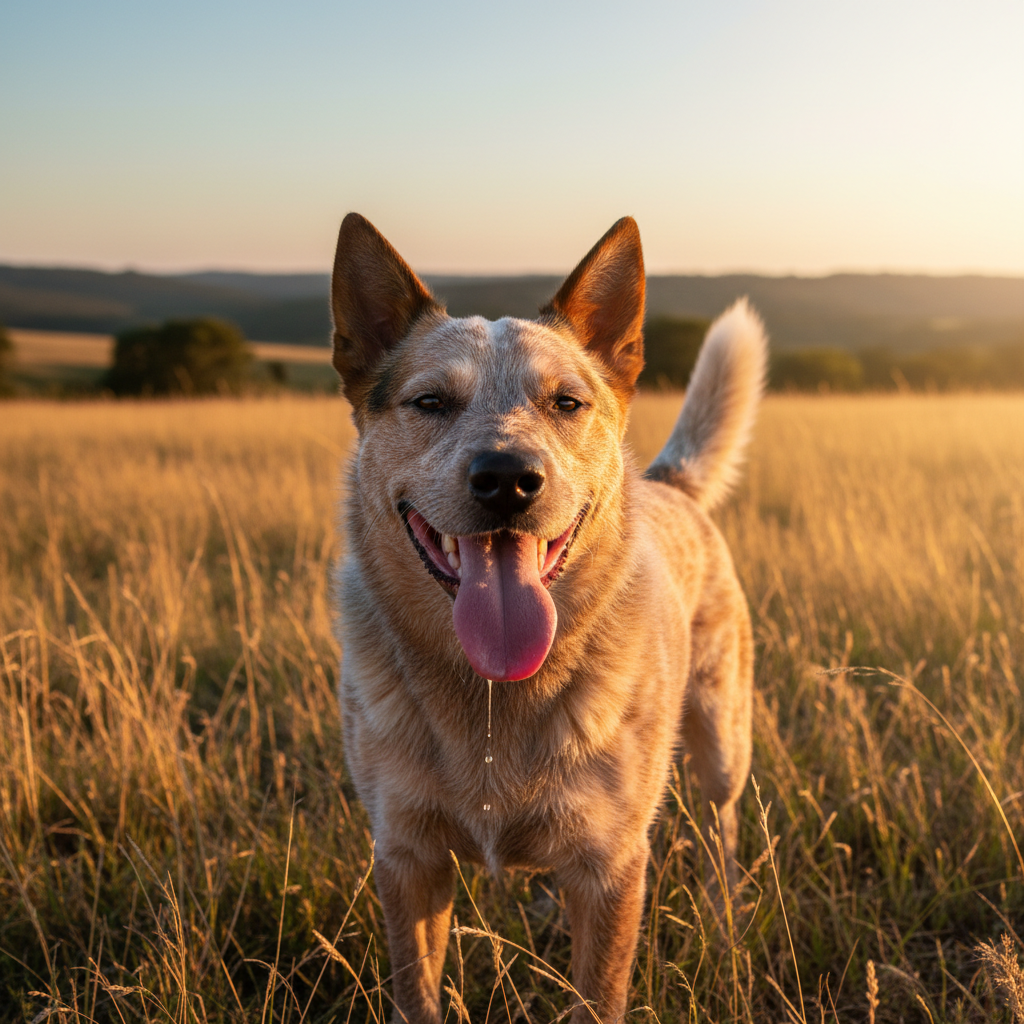
Six Early Warning Signs You Cannot Afford to Miss
Recognizing the subtle precursors to full-blown heatstroke is paramount. This new study highlights six early warning signs that ranch owners and weekend sport handlers frequently overlook, often mistaking them for normal exertion. Catching these signs can mean the difference between a swift recovery and a life-threatening emergency.
1. Sticky Gum Line
This is one of the earliest and most telling signs of dehydration and impending heat stress. Healthy gums should feel wet and slick. If you gently lift your dog's lip and touch their gums, and they feel tacky, sticky, or dry to the touch, it's a red flag. This indicates significant fluid loss and your dog is already struggling to regulate its body temperature.
2. Brick-Red Tongue Edges
Similar to gum color, the color of your dog's tongue can provide vital clues. While a healthy tongue is typically pink, a dog experiencing heat stress may present with a brighter, almost brick-red hue, particularly along the edges. This intense redness is a sign of vasoconstriction and increased blood flow to dissipate heat, but also indicates the circulatory system is under immense strain.
3. Wide-Stance Panting
Panting is a dog's primary way to cool down. However,
Frequently Asked Questions
What is exertional heatstroke and why are Australian Cattle Dogs, Blue Heelers, Red Heelers, and Kelpies particularly vulnerable?+
Exertional heatstroke is a severe, life-threatening condition where a dog's body temperature rises dangerously high due to intense physical activity in hot conditions. Australian Cattle Dogs, Blue Heelers, Red Heelers, and Kelpies are especially susceptible because of their high drive, dense double coats, and tendency to push themselves past their limits, making them less likely to self-regulate when overheating.
How can I tell the difference between normal panting and heatstroke-related panting?+
Normal panting is usually steady and controlled. Heatstroke-related panting is often exaggerated, rapid, shallow, and can involve a 'wide-stance' posture where the dog stretches its neck and spreads its front legs to open the airway as much as possible. Look for other signs like a brick-red tongue, sticky gums, and refusal to lie down in the shade.
Why is the new AVMA cooling protocol better than an ice bath?+
The new AVMA protocol, using cool running water over specific areas, allows for gradual and effective cooling without the vasoconstriction caused by ice baths. Ice baths can constrict blood vessels, trapping heat in the core organs and making it harder for the dog's body to cool down safely, potentially worsening their condition. Continuous cool water promotes efficient heat transfer away from the body.
Can older or very young Australian Cattle Dogs, Blue Heelers, Red Heelers, and Kelpies participate in summer activities?+
Dogs under 18 months and over 8 years old are considered high-risk cohorts due to their less developed or declining thermoregulatory systems. While they can still enjoy activities, extreme caution, shorter durations, frequent breaks, and constant monitoring are essential. It's often best to limit strenuous activity to the coolest parts of the day or find alternatives indoors.
What should I do if my dog's temperature doesn't drop to 103.5°F after applying the new cooling protocol?+
If your dog's rectal temperature does not drop to 103.5°F within 10-15 minutes of continuous cooling, or if they show signs of worsening condition, seek immediate veterinary care. Continue cooling during transport. Even if the temperature drops, a vet visit is crucial as heatstroke can cause internal organ damage that may not be immediately apparent.
Sources
Related Reading
- Cavalier King Charles Spaniel Syringomyelia: A New Hope for Our Beloved Royals
- The Silent Reflux Epidemic: Saving Flat-Faced Puppies in 2026
- Is Your Senior Poodle Showing Early Sundowning Signs? New Hope for CCDS!
- Ozempic for Dogs? New Drug Trial Shows Promise for Canine Weight Loss
- Is Your Senior Dog Showing These Subtle Signs? New Study Reveals How to Fight Dog Dementia!
Share this story
Pin this to your Healthy Happy Dogs board
Vet-vetted wellness, symptom guides, and senior dog care pins.
Liked this story?
Share it with someone who should read it.
More from Dog Health & Wellness

Cavalier King Charles Spaniel Syringomyelia: A New Hope for Our Beloved Royals

The Silent Reflux Epidemic: Saving Flat-Faced Puppies in 2026
