Anti-PD-1 Immunotherapy for Dogs With Oral Melanoma: What the 2026 Yamaguchi 150-Dog Study Means for Your Pet
A 150-dog Japanese trial just published the largest veterinary anti-PD-1 dataset ever. Here is what it changes for owners facing canine oral melanoma — and why MSI status and a routine blood panel may soon decide treatment.

 For dogs with advanced oral melanoma, immunotherapy is no longer just a human-medicine story.
Canine oral malignant melanoma (OMM) is one of the most ruthless cancers your veterinarian will ever name in an exam room. It grows fast inside the mouth, spreads early to lymph nodes and lungs, and — until recently — most owners were told that once it had moved beyond what surgery and radiation could reach, the toolkit was almost empty.
That conversation is starting to change. On January 23, 2026, a team at Yamaguchi University and the Kyoto Animal Medical Center published in the Journal for ImmunoTherapy of Cancer the largest veterinarian-initiated anti-PD-1 trial ever conducted in dogs: 150 client-owned dogs with advanced OMM, all treated with a caninized anti–canine PD-1 monoclonal antibody (ca-4F12-E6) every two weeks.
The results are not a cure. But for the first time, we have a real, statistically meaningful answer to two questions every owner asks: does this work, and how do we know in advance if it will work for my dog?
What the study actually found
Of the 95 dogs where pre- and post-treatment tumor measurements were available, the best overall response rate — meaning measurable tumor shrinkage — was 16.7%. Roughly one in six dogs with advanced, treatment-refractory disease saw their tumors regress on imaging or physical exam. Some responders achieved durable survival measured in many months, not weeks.
That number sounds modest until you remember the baseline: these were dogs who had already failed, or were not candidates for, surgery and radiation. In that setting, most chemotherapy and targeted-drug regimens deliver response rates in the single digits with significant toxicity. Adverse events with ca-4F12-E6 were overwhelmingly mild and manageable.
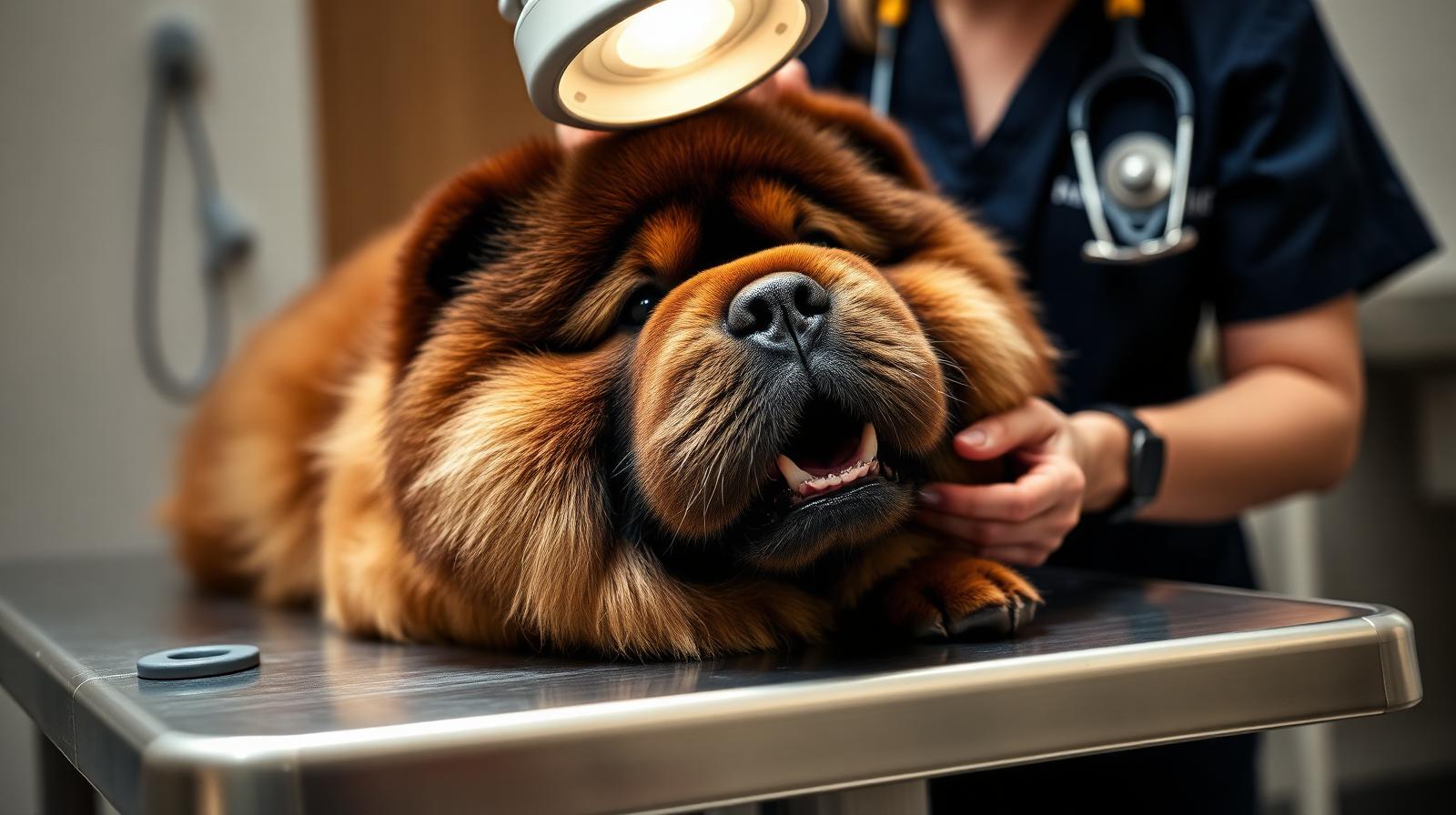 Most oral melanomas are first spotted during routine dental or wellness exams — the lip-lift takes ten seconds.
The real news: two biomarkers that predict response
The headline isn't the 16.7%. The headline is that the team identified who those responders were before treatment even started.
1. MSI status (microsatellite instability)
Microsatellites are short, repetitive DNA sequences scattered across the genome. When a tumor's DNA-repair machinery breaks down, those sequences accumulate errors — a state called MSI-High. In human oncology, MSI-High tumors are famously responsive to PD-1 blockade because they carry more mutations, which makes them look more "foreign" to the immune system.
The Yamaguchi team confirmed the same pattern in dogs. Median overall survival was 200 days in MSI-High dogs versus 95 days in MSI-Low / microsatellite-stable dogs. That is the first large-scale evidence linking MSI status to PD-1 blockade outcome in canine cancer, and it argues strongly for MSI testing on the tumor biopsy before committing to immunotherapy.
2. Routine pre-treatment bloodwork
You don't need a genomic test to get the second clue. Dogs with elevated baseline systemic inflammation — high white blood cell counts and elevated C-reactive protein (CRP) — responded worse. A standard CBC and CRP, already part of most pre-treatment workups, can help flag dogs unlikely to benefit and prompt the team to consider combination strategies, supportive care, or alternative approaches earlier.
Why this matters even if your dog doesn't have melanoma
The deeper story is that veterinary oncology is finally getting its own checkpoint inhibitor evidence base. For years, owners were told some version of "this works wonders in humans, but we don't have it for dogs." That ended in 2026. The same Yamaguchi group has signaled plans to extend ca-4F12-E6 trials to other tumor types, and ear, oral, and nasal cancers — areas we've covered in our pieces on ear disease in small breeds and risk factors for oral tumors — are obvious next candidates.
It also reinforces a quieter trend across veterinary medicine: precision is replacing one-size-fits-all. We're seeing it in pain management with the bedinvetmab vs. grapiprant osteoarthritis trial, in cognitive aging with the IGF-1 work on large breeds, and now in oncology. The right drug for the right dog, identified before treatment starts.
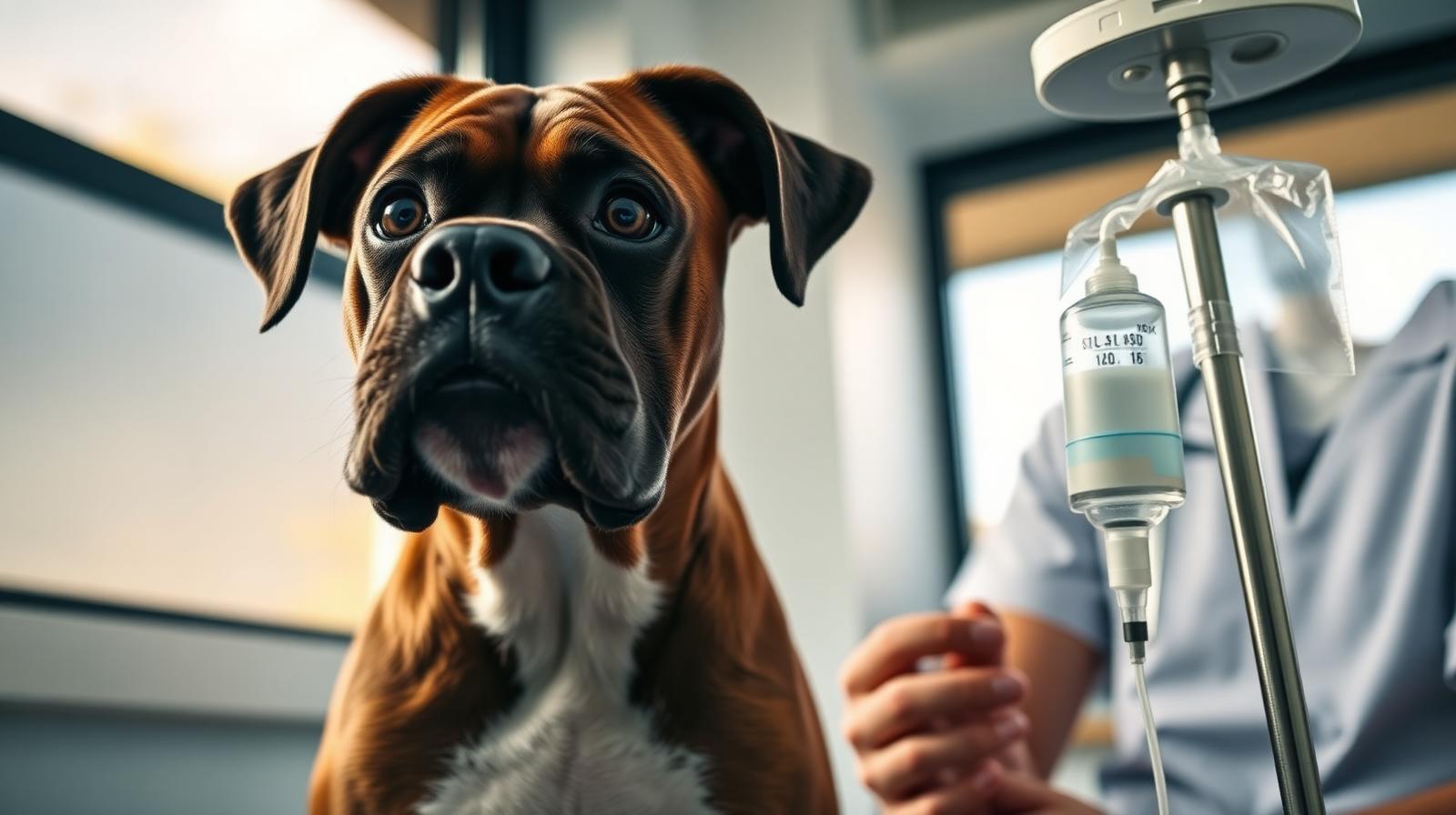 Infusions are given every two weeks; most dogs tolerate them with only mild side effects.
What to ask your veterinarian
- Is this an oral mass or pigmented gum lesion? If yes, push for a biopsy rather than "let's watch it." OMM is one of the fastest-spreading canine cancers — weeks matter.
- If melanoma is confirmed, can the tumor be submitted for MSI testing? Even if ca-4F12-E6 isn't yet available in your country, MSI status is becoming a meaningful prognostic marker in its own right.
- Are baseline CBC and CRP being run before any systemic therapy? They are cheap, fast, and now have validated prognostic weight.
- Is referral to a veterinary teaching hospital or oncology specialist on the table? Caninized anti-PD-1 antibodies are currently most accessible through academic centers and clinical-trial pipelines.
The honest limits
A 16.7% response rate means roughly five out of six dogs will not see their tumor shrink on this drug alone. The study was single-arm — there was no chemotherapy comparator — and follow-up, while substantial, will keep maturing. The drug is not yet commercially licensed in most countries. None of this erases the result; it just frames it.
What 2026 gives owners is something the field didn't have in 2024: a real immunotherapy with a real response rate, two simple tests to identify likely responders, and a clear path toward combination protocols that may push that 16.7% considerably higher.
Frequently Asked Questions
What is canine oral malignant melanoma (OMM)?+
OMM is an aggressive cancer arising in the mouth — gums, lips, palate or tongue — that spreads quickly to local lymph nodes and lungs. It is the most common oral malignancy in dogs and historically has had limited systemic treatment options once surgery and radiation are exhausted.
How does anti-PD-1 immunotherapy work in dogs?+
PD-1 is a brake on T cells that tumors exploit to evade immune attack. A caninized anti-PD-1 antibody like ca-4F12-E6 blocks that brake, restoring the immune system's ability to recognize and kill tumor cells. The same mechanism won the 2018 Nobel Prize in human medicine.
What does MSI-High mean for my dog?+
MSI-High means the tumor has accumulated many DNA-replication errors, usually because its mismatch-repair machinery is broken. These tumors typically carry more mutations, look more foreign to the immune system, and — in the 2026 Yamaguchi study — survived more than twice as long on anti-PD-1 therapy.
Is ca-4F12-E6 available outside Japan?+
As of 2026 it remains primarily accessible through academic and veterinarian-initiated clinical research, mostly in Japan. Other caninized checkpoint inhibitors are in development worldwide. Ask a veterinary oncologist or teaching hospital about current trial enrollment in your country.
What side effects should I expect from canine immunotherapy?+
In the 150-dog study, most adverse events were mild and manageable — fatigue, transient appetite changes, mild GI upset. Serious immune-related effects exist but were uncommon. This is one reason PD-1 blockade is considered feasible in routine practice.
Sources
Related Reading
Share this story
Pin this to your Healthy Happy Dogs board
Vet-vetted wellness, symptom guides, and senior dog care pins.
Liked this story?
Share it with someone who should read it.
More from Dog Health & Wellness

Is Your Senior Dog Showing These Subtle Signs? New Study Reveals How to Fight Dog Dementia!

Doggy Dementia Breakthrough: New At-Home Test Catches CCD Early!
