Backyard Barbecues and Dog Mouth Cancer: What the 2026 São Paulo Study Found
A new Brazilian case-control study links backyard barbecue smoke, age, and large body size to a higher risk of solid oral tumors in dogs — and flags periodontal disease as another red flag.

Mouth tumors are one of the most under-discussed cancers in dogs, accounting for roughly 6% of all canine malignancies. A new 2026 case–control study from Frontiers in Veterinary Science, conducted across 30 clinics in São Paulo, Brazil, set out to find the everyday exposures that nudge that risk up — and the results land closer to the patio than most owners would expect.
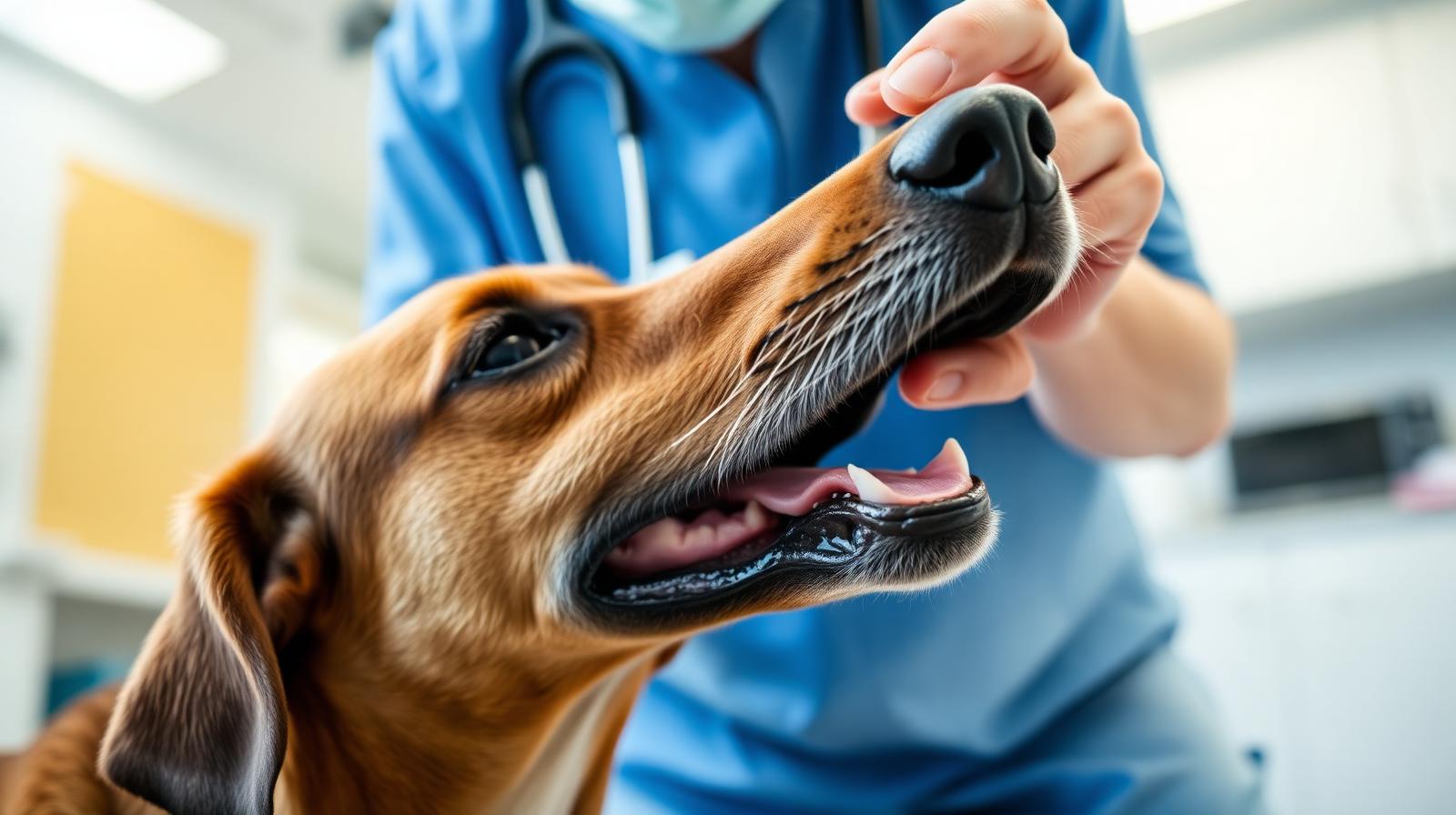 Most canine oral tumors are first spotted during routine dental or wellness exams.
What the study actually did
Researchers compared 80 dogs with histologically confirmed solid oral tumors to 95 matched controls (similar age, breed size, and sex) seen at the same clinics. Owners completed a structured questionnaire covering diet, water source, dental history, reproductive status, and indoor/outdoor exposures. The team then ran univariate and multivariate logistic regression to isolate which factors independently raised the odds of disease.
Among the 80 cases, melanoma was by far the most common diagnosis (about 39%), followed by squamous cell carcinoma and fibrosarcoma — the same three tumor types that dominate canine oral oncology globally.
The big surprise: barbecue smoke
After adjusting for age, weight, and other variables, dogs whose owners reported regular exposure to backyard barbecue smoke had an adjusted odds ratio of 2.98 (95% CI 1.13–8.41, p = 0.032) for developing a solid oral tumor. That is nearly triple the baseline risk.
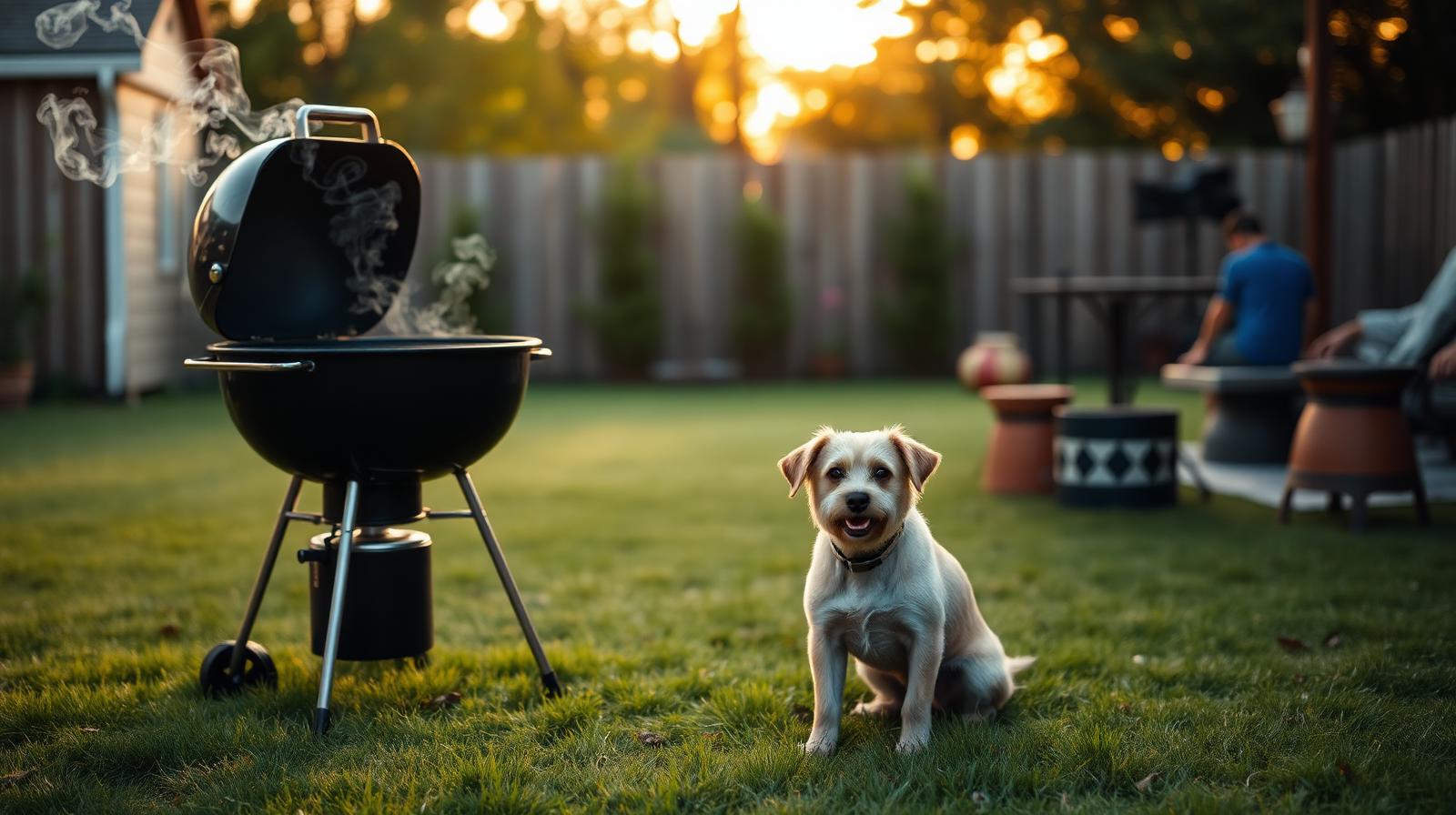 Smoke from charcoal grills carries the same polycyclic aromatic hydrocarbons (PAHs) classified as carcinogenic in humans.
The mechanism is biologically plausible. Charcoal and wood smoke contain polycyclic aromatic hydrocarbons (PAHs), benzene, and fine particulate matter — all known mucosal irritants and human carcinogens. A dog standing nose-height to a grill, often for hours, inhales a far higher dose per kilogram of body weight than the humans cooking nearby.
Other independent risk factors
- Age — each year added to a dog's life raised the odds (aOR 1.86, p = 0.007). Affected dogs had a median age of 11 vs 7 in controls.
- Body weight — heavier dogs were significantly more likely to be diagnosed (aOR 1.64, p = 0.016), echoing the broader pattern of higher cancer rates in larger breeds we covered in our piece on why large-breed dog brains and bodies age differently.
- Periodontal disease history — dogs with a record of gum disease had 2.39× the odds of an oral tumor in univariate analysis. Chronic oral inflammation is a recognised driver of malignant transformation in mucosal tissue.
What looked protective
Two findings cut the other way. Dogs whose diets included regular fruits and vegetables had a univariate OR of 0.36 (p = 0.002) — a roughly 64% lower likelihood of being a case. And, more puzzlingly, exposure to indoor incense showed a significant inverse association (aOR 0.34, p = 0.019). The authors caution this is almost certainly a confounder rather than a causal "protective" effect; households that burn incense may differ systematically in diet, ventilation, or smoking habits.
The dental-cleaning paradox
Dogs that received professional dental cleanings appeared to have higher odds of an oral tumor diagnosis (aOR 2.43, p = 0.055). Before you cancel your dog's next dental, read the authors' interpretation: this is a textbook surveillance bias. Dogs under anesthesia for a dental cleaning get their entire oral cavity inspected by a veterinarian — so tumors are found, not caused. The same logic explains why early-stage masses are routinely discovered at six-monthly senior wellness visits.
 Daily home brushing reduces the periodontal inflammation linked to oral cancer risk.
What this means for owners
The headline takeaways are practical, not alarmist:
- Keep dogs upwind of the grill. If you barbecue regularly, set up a shaded zone away from the smoke plume rather than letting your dog hover beside the coals. The exposure pattern in this study was chronic, not occasional.
- Take dental disease seriously. Halitosis, drooling, and reluctance to chew are not just "old dog problems" — they are early warnings. The same logic applies to other quiet-but-serious diseases we covered in our piece on heartworm-positive dogs and surgical risk.
- Lift the lip once a week. Run a finger along the gum line and look for masses, ulcers, or asymmetric swelling. Most malignant oral tumors are visible long before they cause pain.
- Don't skip senior dental cleanings. The "increased risk" association is a detection artefact. Cleanings are still one of the few times the entire mouth is examined under anesthesia.
- Feed a balanced diet with plant matter. The fruit-and-vegetable signal in this study echoes the gut and inflammation findings from our coverage of minimally processed diets and the canine microbiome.
How this fits with other 2026 cancer research
This is the second registry-style cancer paper we have covered this month. The Italian team behind our recent study on second cancers in dogs reached a similar conclusion: longevity, body size, and chronic inflammation are the most consistent risk amplifiers across tumor types. And as our 2026 GSA biomarker study coverage showed, many of the same systemic ageing markers that predict mortality in humans now predict it in dogs too.
Limits to keep in mind
This was an observational case–control study with 175 dogs from a single Brazilian state, recruited through clinics — not a representative population sample. Owner-reported exposure data is subject to recall bias, and "barbecue smoke exposure" was not quantified in hours or particulate concentration. The protective association of incense almost certainly reflects unmeasured confounding rather than biology. The authors explicitly call for prospective studies to confirm the smoke link.
That said, the biological plausibility is strong, the effect size is large, and the intervention is essentially free: move the dog away from the grill.
Frequently Asked Questions
Does barbecue smoke really cause cancer in dogs?+
This 2026 case-control study found a strong association (aOR 2.98) between regular barbecue smoke exposure and solid oral tumors, but association is not proof of causation. The biological mechanism — PAHs and fine particulate matter as mucosal carcinogens — is well established in humans, so the link is plausible. Prospective studies are needed to confirm it.
What are the early signs of mouth cancer in dogs?+
Bad breath that won't go away, drooling more than usual, blood-tinged saliva, a visible mass or ulcer on the gums, reluctance to chew hard food, and asymmetric facial swelling. Lift your dog's lip weekly and check the gum line.
Should I stop taking my dog to the BBQ?+
You don't need to ban your dog from the yard, but don't let them station themselves next to the grill for hours. Set up a shaded resting spot upwind, where they're not in the direct smoke plume.
Are dental cleanings actually risky for cancer?+
No. The study found cleanings were associated with more diagnoses, but that's because dogs under anesthesia get a thorough oral exam — tumors that already existed are simply spotted earlier. Cleanings remain one of the best ways to catch problems early.
Which dog breeds are most prone to oral tumors?+
Pigmented breeds — Chow Chows, Cocker Spaniels, and Poodles — are over-represented for oral melanoma specifically. Larger breeds in general show higher overall cancer risk, which this study reinforced.
Sources
Related Reading
Share this story
Pin this to your Healthy Happy Dogs board
Vet-vetted wellness, symptom guides, and senior dog care pins.
Liked this story?
Share it with someone who should read it.
More from Dog Health & Wellness

Doggy Dementia Breakthrough: New At-Home Test Catches CCD Early!

H5N1 Bird Flu: What Dog Owners *Must* Know Now
