Minimally Processed vs. Kibble: What the 2026 Microbiome Study Reveals
A new 2026 Frontiers study compared minimally processed dog food to extruded kibble — with surprising gut microbiome and metabolic results. Here is what it means for your dog.

A new April 2026 study published in Frontiers in Veterinary Science compared minimally processed dog food to traditional extruded kibble — and the metabolic and gut microbiome differences are striking. Here is what pet parents need to know before changing bowls.
 Fresh, lightly cooked diets are reshaping how researchers think about canine nutrition in 2026.
Quick Summary
- A 2026 Frontiers study found dogs fed a minimally processed diet showed favorable shifts in gut microbiome diversity and serum metabolites versus extruded kibble.
- Researchers observed lower inflammation markers and more Faecalibacterium-like beneficial bacteria in the fresh-fed group.
- Kibble is not "bad" — but processing temperature and structure measurably change how a dog digests and absorbs nutrients.
- Always transition diets gradually over 7–10 days and consult your veterinarian, especially for puppies, seniors, or dogs with chronic conditions.
What the 2026 Study Actually Found
The randomized crossover trial fed adult pet dogs either a minimally processed (lightly cooked, refrigerated) complete-and-balanced diet or a nutritionally matched extruded kibble for several weeks, then swapped them. Researchers analyzed blood metabolites and stool samples to map digestive and metabolic shifts.
Three findings stood out:
- Microbiome diversity rose on the fresh diet, with increases in fiber-fermenting bacteria associated with gut barrier health.
- Short-chain fatty acid (SCFA) profiles changed, particularly butyrate precursors that help colonocytes function.
- Serum metabolite signatures hinted at lower oxidative stress in the fresh-fed phase.
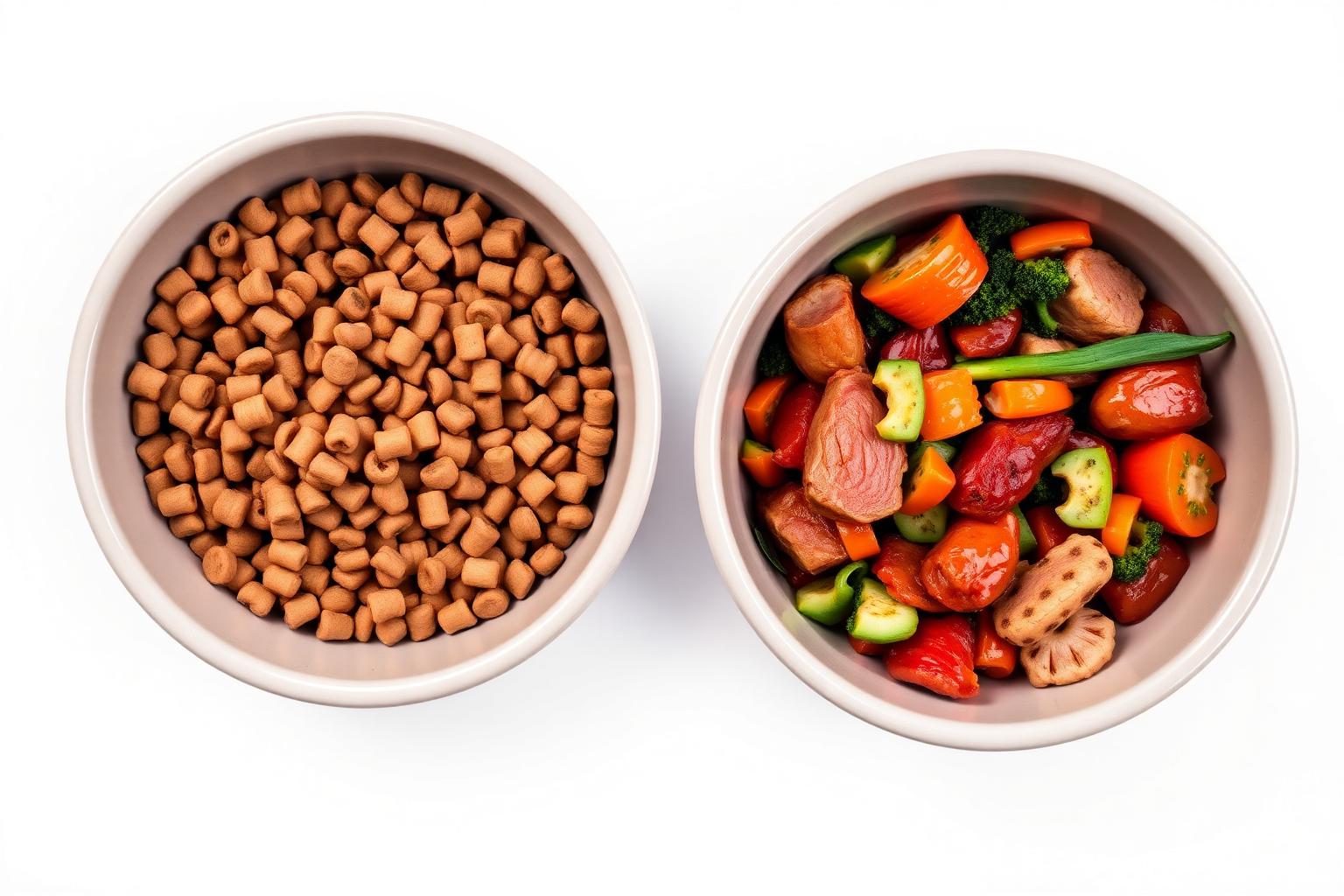 Same nutrients on paper — different forms, different downstream effects in the gut.
Why Processing Matters More Than We Thought
Extrusion cooks ingredients at very high temperatures and pressures to create the shelf-stable pellets most dogs eat. That process is convenient and safe, but it also denatures proteins, generates Maillard reaction products (advanced glycation end-products, or AGEs), and changes how starches behave in the gut. Minimally processed diets use lower-temperature cooking, preserving more of the food's native structure.
This isn't entirely new science. Earlier work on growth-factor and longevity pathways in large-breed dogs has hinted that diet composition influences inflammatory aging. The 2026 study adds direct gut and metabolic evidence in everyday adult pet dogs.
What "Minimally Processed" Actually Means
- Whole-food ingredients (muscle meat, organs, vegetables, grains) cooked gently — typically steamed or sous-vide style.
- Refrigerated or frozen, not shelf-stable.
- Formulated to AAFCO complete-and-balanced standards for the dog's life stage.
It is not the same as a raw diet, a homemade recipe pulled from social media, or a "human food" topper sprinkled on kibble. Those carry their own risks the 2026 study did not evaluate.
Should You Switch Your Dog?
The honest answer from veterinary nutritionists: it depends. A high-quality extruded kibble can absolutely keep a dog healthy for life, and price, convenience, and storage matter for most households. But if your dog has chronic GI issues, allergies, or you simply want to optimize their gut health, this study supports trying a vet-formulated minimally processed option.
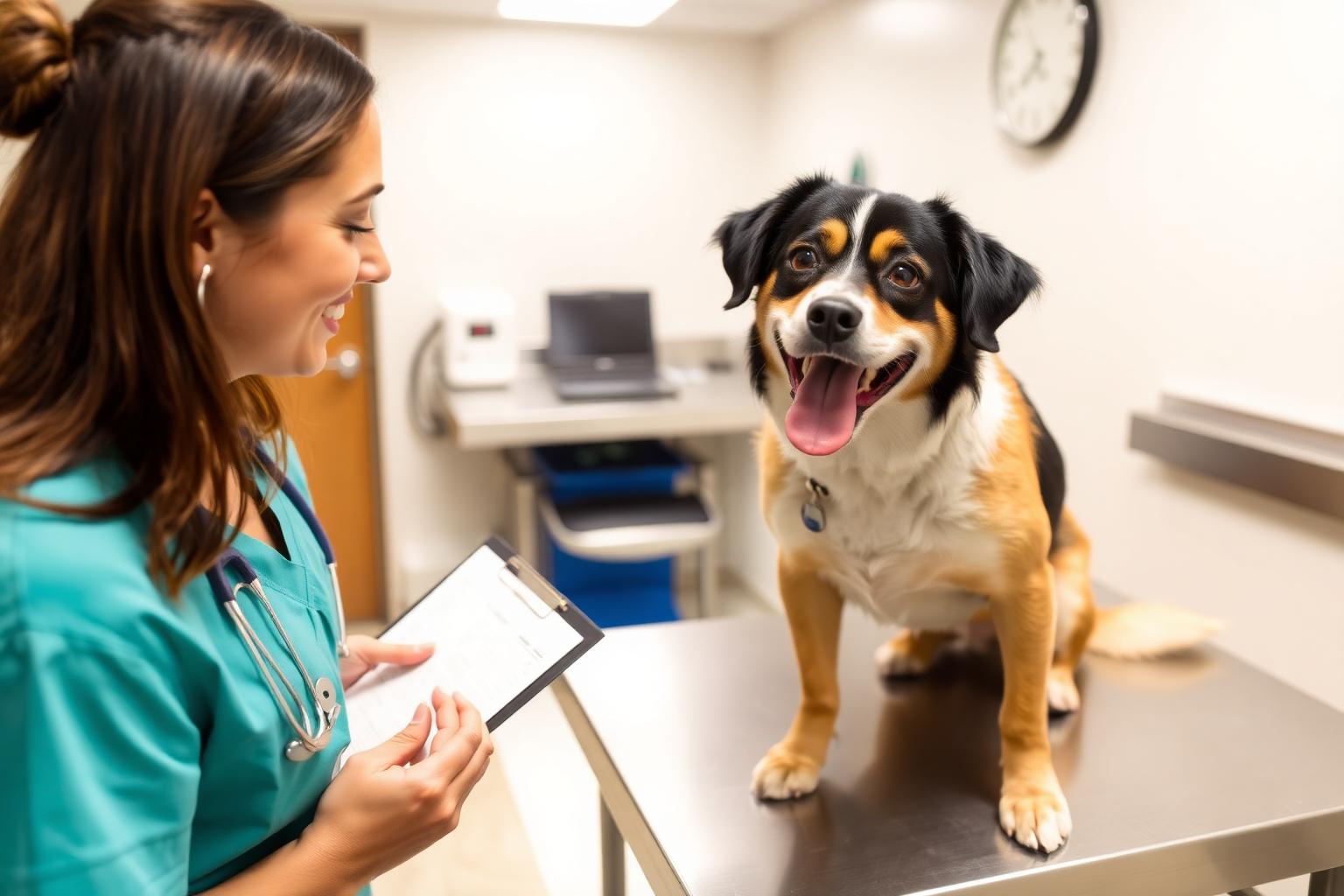 Diet changes — especially for puppies, seniors, or dogs with health conditions — should always be vet-guided.
Safer Switching: A 7–10 Day Plan
- Days 1–3: 75% old food, 25% new.
- Days 4–6: 50/50 mix.
- Days 7–9: 25% old, 75% new.
- Day 10+: 100% new diet. Watch stool quality, energy, and skin/coat for two more weeks.
Special Considerations
Puppies
Growing puppies have non-negotiable calcium, phosphorus, and energy requirements. Pair any diet change with the developmental milestones in our puppy socialization 3–16 week guide, and never switch a large-breed puppy without veterinary input — over-supplementation can cause orthopedic disease.
Small Breeds
Tiny dogs have fast metabolisms and small stomachs. Watch portion sizes carefully. If you have a Chihuahua or similar toy breed, our piece on Chihuahua health risks covers diet-related conditions worth flagging to your vet.
Sensitive Stomachs and Ear Issues
Food sensitivities can show up in unexpected places — including chronic ear inflammation. If your small-breed dog has recurring ear problems, the diet may be one piece of the puzzle alongside the anatomy described in our 2026 ear disease CT study breakdown.
What This Study Does NOT Prove
- It does not show that fresh food makes dogs live longer — that requires multi-year cohort studies.
- It does not mean every fresh-food brand is superior; quality and formulation vary widely.
- It does not validate raw diets, which carry pathogen and nutritional-balance risks not covered by this research.
Veterinary Disclaimer
This article summarizes peer-reviewed research for educational purposes. It is not a substitute for individualized veterinary advice. Talk to your veterinarian — ideally a board-certified veterinary nutritionist (DACVIM-Nutrition) — before making major diet changes, especially if your dog has kidney disease, pancreatitis, food allergies, or is pregnant.
Frequently Asked Questions
Is minimally processed dog food better than kibble?+
The 2026 study found measurable gut microbiome and metabolic benefits, but it does not prove longer life or superiority for every dog. High-quality kibble remains a safe, complete option.
Is minimally processed the same as raw?+
No. Minimally processed diets are gently cooked to reduce pathogen risk. Raw diets are uncooked and carry separate safety concerns the 2026 study did not address.
How long does it take to switch dog foods?+
Plan on 7–10 days, mixing increasing amounts of the new food into the old to avoid GI upset.
Can puppies eat minimally processed food?+
Only if the formula is labeled complete and balanced for growth (and "for all life stages including large-breed puppies" if applicable). Always confirm with your vet.
Will fresh food fix my dog’s allergies?+
Not by itself. Allergy diagnosis requires elimination diets and veterinary guidance — fresh food may help but is not a cure.
Sources
Related Reading
Share this story
Pin this to your Healthy Happy Dogs board
Vet-vetted wellness, symptom guides, and senior dog care pins.
Liked this story?
Share it with someone who should read it.
More from Dog Health & Wellness

Doggy Dementia Breakthrough: New At-Home Test Catches CCD Early!

H5N1 Bird Flu: What Dog Owners *Must* Know Now
