Ractopamine and Your Dog's Heart: What the 2026 Texas A&M Study Means
Texas A&M researchers found that ractopamine — a common livestock feed additive — can cause measurable heart damage in dogs. Here's what owners need to know.

A new Texas A&M veterinary study is sounding the alarm about ractopamine, a livestock feed additive used to boost lean muscle in cattle, swine, and poultry. Researchers found that even modest exposure can damage the canine heart — raising fresh concerns for dogs fed raw, scrap, or trim-heavy diets sourced from conventionally raised meat.
Quick Summary
- Ractopamine is a beta-agonist added to livestock feed to promote lean growth before slaughter.
- The 2026 Texas A&M study found measurable myocardial injury in dogs exposed to ractopamine residues.
- Dogs may encounter ractopamine through raw-meat diets, butcher trim, or organ meats from non-organic sources.
- Symptoms can be silent — echocardiography may be the only way to detect early changes.
- Choosing ractopamine-free, organic, or EU-sourced meats can reduce risk.
 Subtle heart changes from ractopamine exposure may only be picked up on a thorough cardiac exam.
What Is Ractopamine — and Why Is It in the Food Chain?
Ractopamine hydrochloride is a beta-adrenergic agonist fed to cattle, pigs, and turkeys in the final weeks before slaughter. It redirects nutrients away from fat and into lean muscle, increasing carcass yield. While the U.S. FDA permits its use, more than 160 countries — including the entire European Union, China, and Russia — have banned ractopamine in food animals over human and animal safety concerns.
Residues persist in muscle and especially in organ meats like liver and kidney. For dogs, who often eat trim, scrap, and offal that humans don't, the cumulative dose can be much higher than what reaches a person's plate.
What the 2026 Texas A&M Study Found
Led by Dr. Sonya Wesselowski at the Texas A&M School of Veterinary Medicine & Biomedical Sciences, the study evaluated dogs exposed to ractopamine at concentrations consistent with feed-residue contamination. Key findings:
- Myocardial injury markers rose in exposed dogs, mirroring earlier greyhound case reports.
- Echocardiograms revealed subclinical contractility changes — damage you can't see from the outside.
- Effects were dose-dependent: higher residues → more pronounced cardiac stress.
- Even short exposure windows produced measurable changes, suggesting no clear "safe" dose for dogs.
The team's concern: ractopamine acts on the same beta-receptors that regulate heart rate and contractility. In dogs — who metabolize beta-agonists differently than livestock — those receptors may be far more vulnerable.
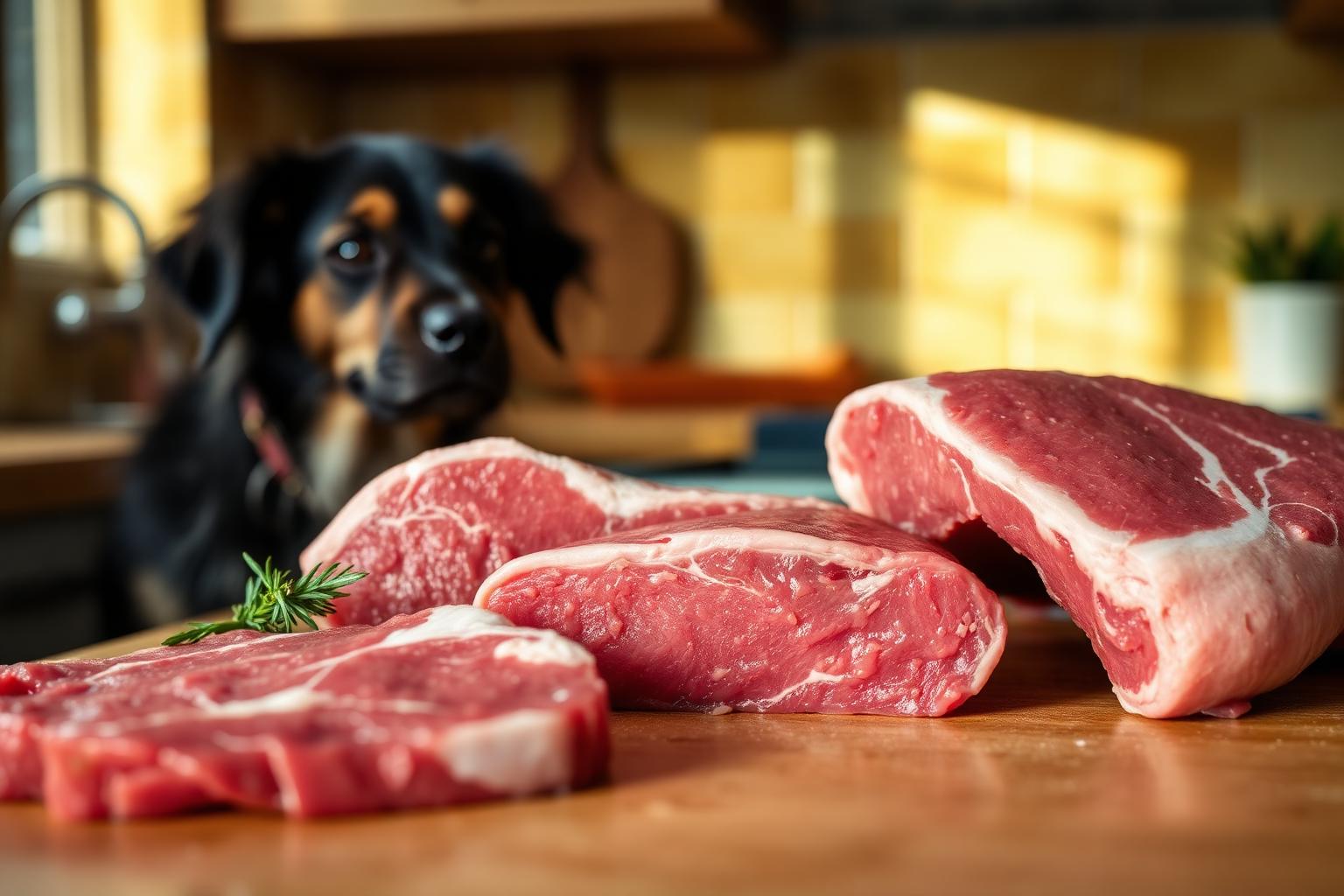 Raw-fed and BARF-style dogs may be at higher risk because they often consume trim and offal from conventionally raised animals.
How Could Your Dog Be Exposed?
Most pet owners have never heard of ractopamine, but exposure pathways are surprisingly common:
1. Raw and BARF Diets
Raw feeders frequently buy bulk meat, trim, or organ packs from conventional suppliers. Because ractopamine concentrates in liver and kidney, organ-heavy meals can deliver outsized doses. If you feed raw, this complements the gut-health concerns we covered in our minimally processed vs. kibble microbiome guide.
2. Butcher Scraps and Table Trim
Pork and beef trim handed over by neighborhood butchers often comes from feedlot animals finished on ractopamine-supplemented feed.
3. Some Commercial Treats
Jerky-style treats made with non-organic pork or beef can carry residues — a separate concern from the copper accumulation issues raised in 2026 JAVMA studies.
4. Cross-Contaminated Feed
Documented cases show ractopamine drifting into non-target feed during manufacturing — a problem the FDA has flagged repeatedly.
Signs of Cardiac Stress to Watch For
The scary part of the Texas A&M findings is how silent ractopamine-related heart changes can be. Still, these signs warrant a same-day vet visit:
- Unexplained exercise intolerance or sudden refusal to play
- Coughing, especially at night or after lying down
- Rapid or irregular breathing at rest
- Fainting, weakness, or collapse
- Restlessness, pacing, or trembling after meals
Small breeds may be especially vulnerable — see our deep dive on Chihuahua-specific cardiac risks from the 2026 RVC study and the broader small-breed health profile.
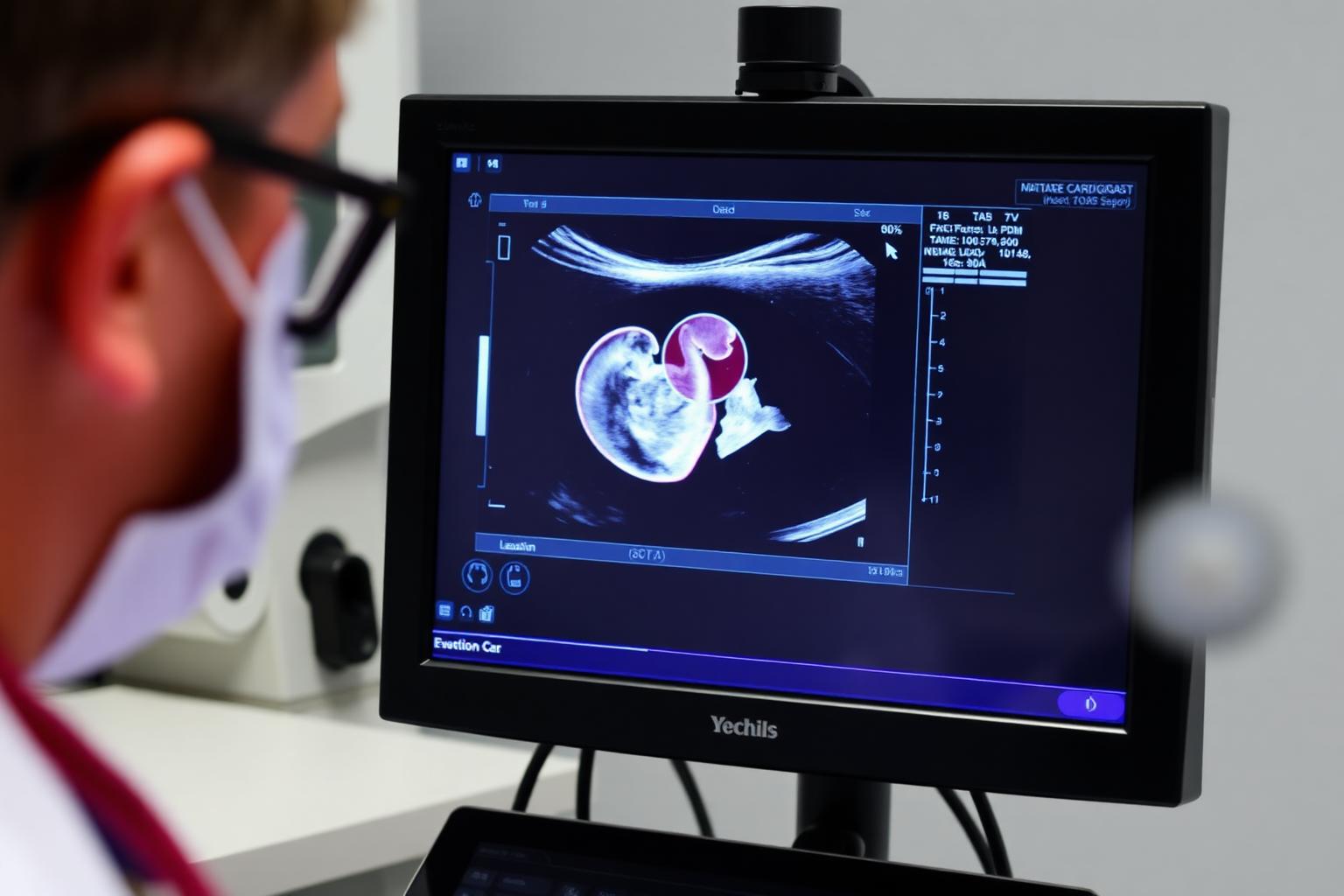 Echocardiography is currently the most sensitive tool for catching subclinical ractopamine-linked changes.
How to Lower Your Dog's Risk
- Choose ractopamine-free meat. Look for "USDA Organic," "Certified Grassfed," or EU-imported labels. Ractopamine is prohibited under all of these standards.
- Skip conventional pork organ meats. Pig liver and kidney are among the highest-residue tissues.
- Diversify protein sources. Rotating between organic chicken, lamb, and fish reduces cumulative exposure.
- Ask your raw supplier. Reputable commercial raw companies will share residue testing or sourcing certifications.
- Schedule baseline cardiac screening at age 6+, especially for active dogs and senior pets — similar to the longevity-minded approach we covered in our exercise & cognitive decline post.
Veterinary Disclaimer
This article summarizes a peer-reviewed 2026 study and is for educational purposes only. It is not a substitute for professional veterinary advice. If you suspect your dog has been exposed to ractopamine or is showing cardiac symptoms, contact your veterinarian or an emergency clinic immediately.
Frequently Asked Questions
Is ractopamine legal in U.S. dog food?
It is not added to commercial dog food directly, but residues can appear in meat ingredients sourced from livestock fed ractopamine. The FDA has not set a specific tolerance for canine consumption.
Are kibble-fed dogs safe?
Kibble undergoes extensive heat processing, but ractopamine is heat-stable. Risk is lower than with raw feeding but not zero — particularly for foods using meat-meal byproducts.
Can damage from ractopamine be reversed?
Mild subclinical changes may improve once exposure stops, but more severe myocardial fibrosis is generally permanent. Early detection is key.
Should I switch my dog to organic meat tomorrow?
If raw feeding, yes — the change is straightforward and immediately reduces exposure. For kibble-fed dogs, prioritize organic only if other risk factors (age, breed, heart history) are present.
Is there a blood test for ractopamine exposure?
Specialized urine and tissue tests exist but are not part of routine vet panels. Echocardiography remains the most accessible way to assess potential cardiac impact.
Key Takeaways
The 2026 Texas A&M study is one of the strongest signals yet that a livestock additive most owners have never heard of may be quietly affecting canine heart health. Combined with mounting evidence on aging biology and cancer epidemiology, it's another reminder that what's in your dog's bowl matters as much as how much is in it.
Frequently Asked Questions
Is ractopamine legal in U.S. dog food?+
Not added directly, but residues can appear in meat ingredients from livestock fed ractopamine.
Are kibble-fed dogs safe?+
Risk is lower than raw feeding but not zero, particularly for foods with meat-meal byproducts.
Can the damage be reversed?+
Mild subclinical changes may improve after exposure stops; severe fibrosis is typically permanent.
Should I switch to organic meat?+
Yes for raw feeders. For kibble-fed dogs, prioritize organic if other cardiac risk factors exist.
Is there a test for exposure?+
Specialized residue tests exist but are not routine. Echocardiography is the most accessible cardiac screen.
Sources
Related Reading
Share this story
Pin this to your Healthy Happy Dogs board
Vet-vetted wellness, symptom guides, and senior dog care pins.
Liked this story?
Share it with someone who should read it.
More from Dog Health & Wellness

Doggy Dementia Breakthrough: New At-Home Test Catches CCD Early!

H5N1 Bird Flu: What Dog Owners *Must* Know Now
