The SORCS1 Gene: Why Some Dogs Are Born to Be Guide Dogs (2026 PLOS One Study)
For decades, trainers have guessed why some Labradors and Goldens sail through guide-dog school while their littermates wash out. A 2026 PLOS One study finally has a molecular answer — and its name is SORCS1.

Anyone who has watched a guide-dog school knows the heartbreak: two puppies from the same litter, raised the same way, and one becomes a working partner for a blind handler while the other is rehomed as a pet. A new 2026 PLOS One paper finally puts a molecular tag on part of that mystery — a gene called SORCS1.
What the researchers actually did
The team analyzed DNA from hundreds of Labrador Retrievers enrolled in a Japanese guide-dog program, comparing dogs that graduated to dogs that were released from training for behavioral reasons (over-arousal, distractibility, fear). They then ran a genome-wide search for variants that tracked with training outcome.
One signal stood out: a region on canine chromosome 1 containing SORCS1, a "sortilin-related" receptor gene already implicated in human Alzheimer's disease, ADHD, and learning. In dogs, specific SORCS1 variants were significantly enriched in animals that finished the program.
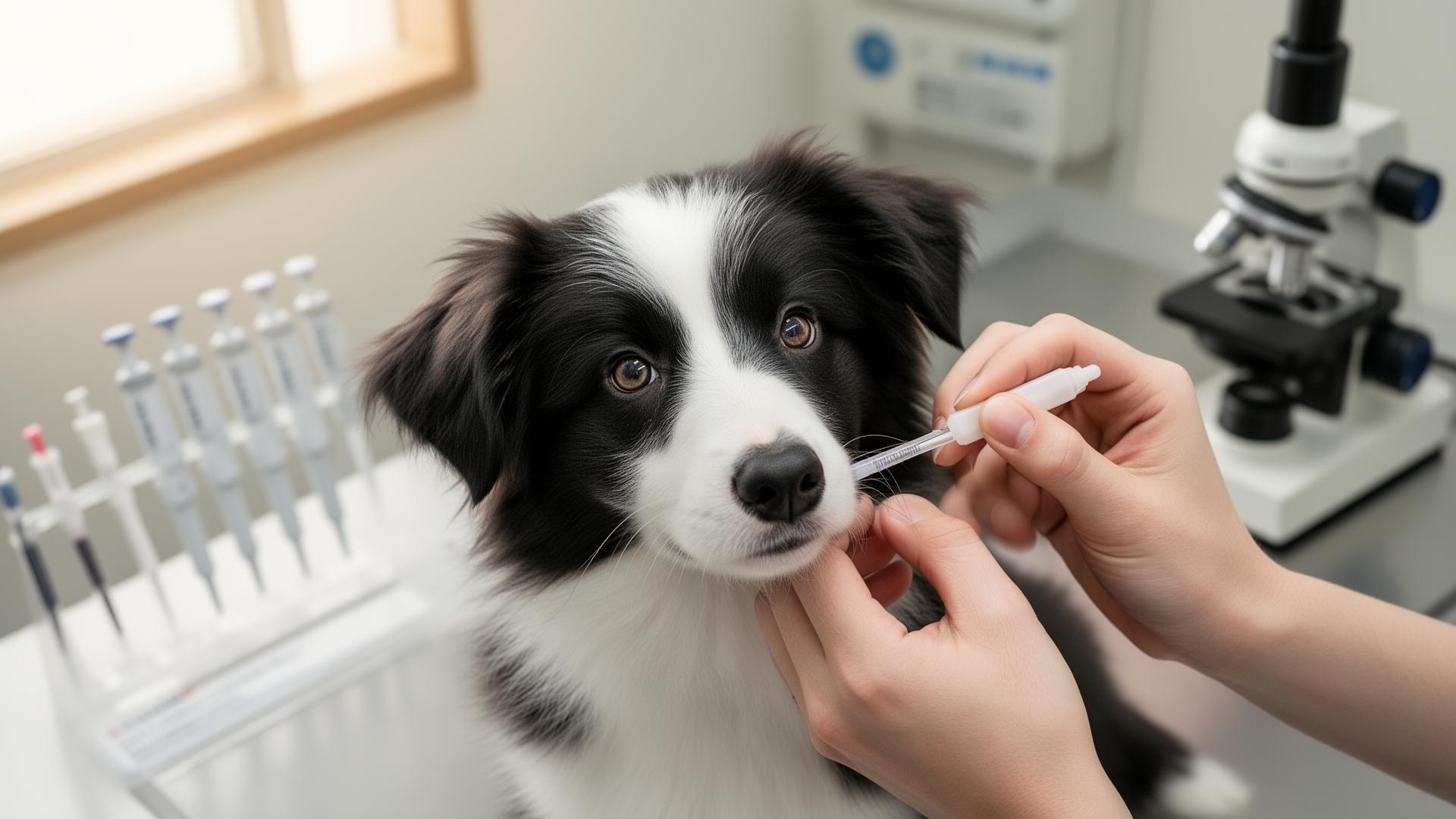 Behavioral genetics work starts with a simple cheek swab — no blood draw required.
Why SORCS1 matters for behavior
SORCS1 helps neurons sort and recycle key receptors at the synapse — including those involved in BDNF signaling, which underpins learning and memory consolidation. In mice, knocking it down impairs spatial learning. In humans, certain variants are tied to impulsivity and slower habituation to novel stimuli.
That fits the guide-dog phenotype perfectly. A graduate dog is not the smartest dog in the room — it is the one that habituates fastest to chaos (buses, crowds, food on the sidewalk) and updates its behavior smoothly when the environment changes. Both are SORCS1-flavored traits.
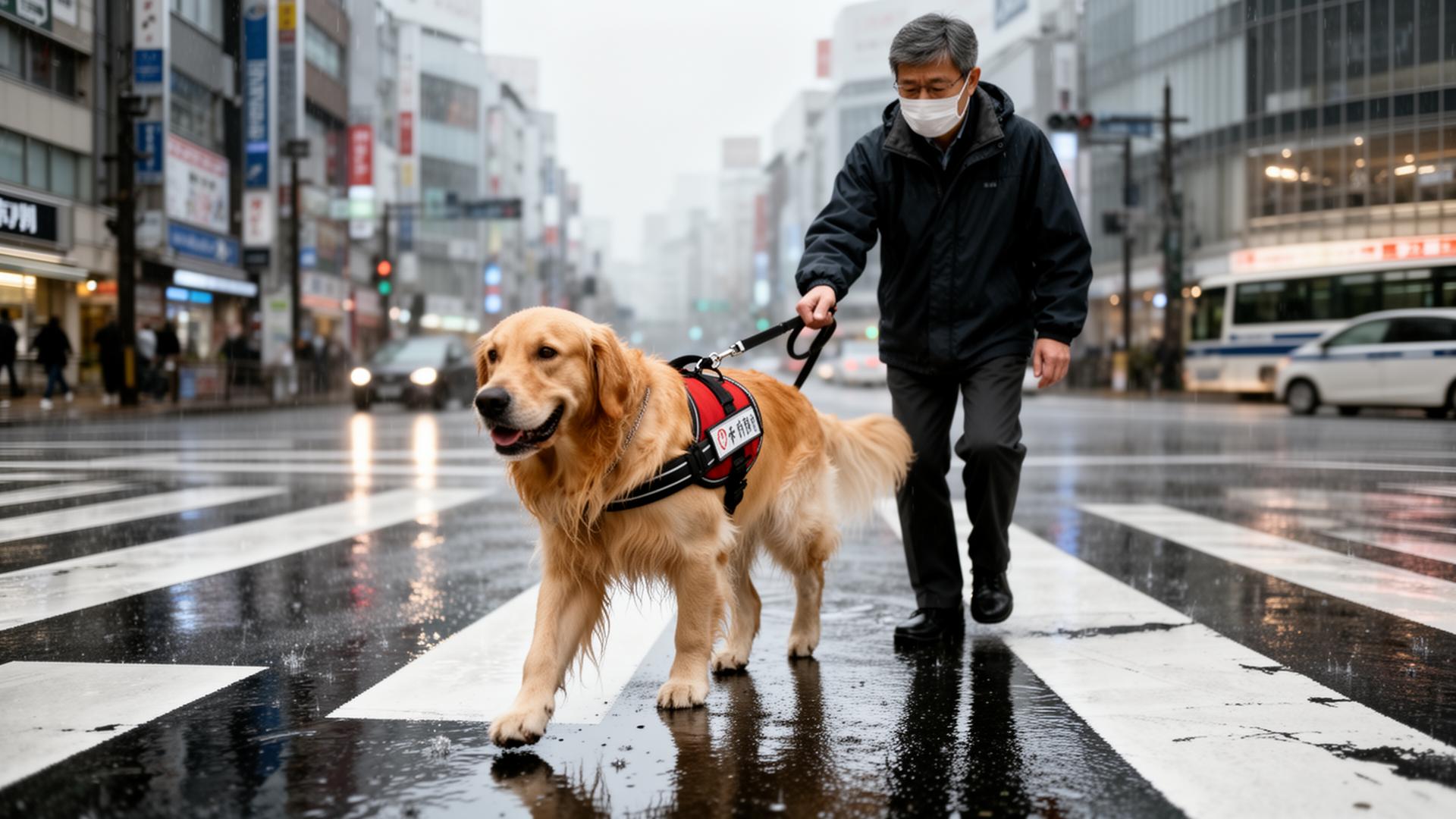 Calm under sensory overload is a measurable, partly heritable trait.
How this connects to other 2026 canine science
The SORCS1 result does not stand alone. It dovetails with a wave of recent work showing that dog behavior is more genetic than we thought, but never only genetic:
- The 2026 Cambridge GWAS in Golden Retrievers found anxiety and intelligence loci that overlap with human variants.
- The 2026 UBC reversal-learning study showed breed clades differ sharply in how fast they update wrong answers — exactly the cognitive flexibility SORCS1 may modulate.
- The 2026 RVC doodle study reminded us that crossbreeding does not erase inherited behavioral risk.
What it means if you have a working-line puppy
You cannot order a SORCS1 panel at your vet yet — it is still a research marker, not a clinical test. But the takeaway for owners is practical:
- Early, gradual exposure beats heroic exposure. Even a "genetically gifted" puppy needs the right curve.
- Wash-outs are not failures. A dog released from a guide-dog program is often a perfect family pet — its genetics simply favor a different job.
- Cognitive enrichment is lifelong. Pair training with the ELTE cognitive-aging findings: sustained mental work appears to protect the older dog brain too.
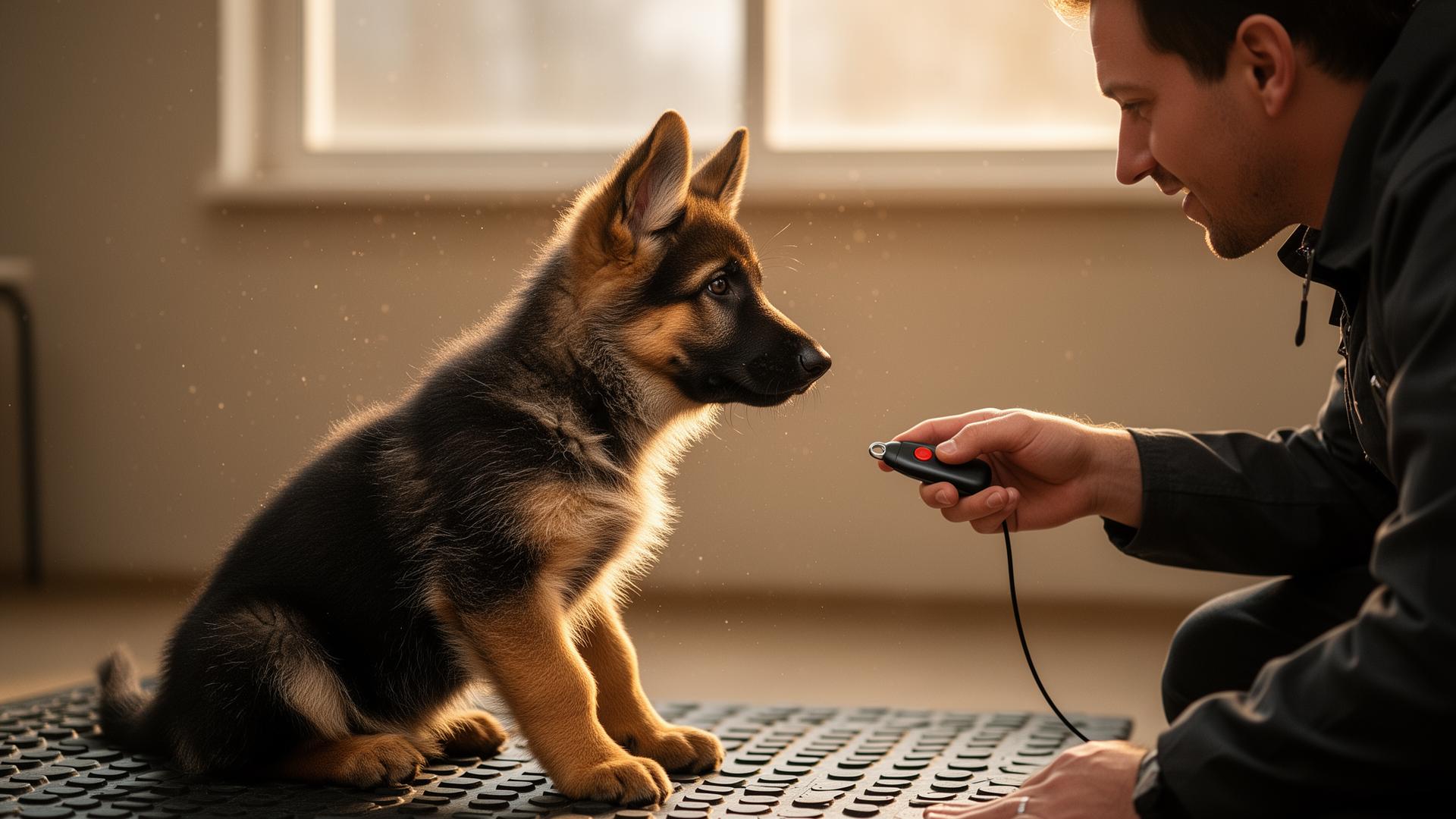 Clicker-based shaping is how trainers reveal what a puppy's genes will actually do.
The bigger picture
SORCS1 will not be the only gene in the guide-dog puzzle — behavioral traits are polygenic, and environment still does most of the heavy lifting. But finding even one robust marker is a step toward kinder breeding decisions, lower wash-out rates (currently 30–50% in most programs), and ultimately more working dogs for the people who need them.
It also closes a quiet loop with human neuroscience: the same gene family that helps a Labrador stay calm at a crosswalk may help a person retain memory in old age.
Frequently Asked Questions
Can I get my dog tested for SORCS1?+
Not yet. SORCS1 is still a research marker, not a validated clinical panel. Commercial canine DNA tests do not currently report it.
Does this apply to breeds other than Labradors?+
The study focused on Labradors, but SORCS1 is conserved across mammals, so similar effects likely exist in Golden Retrievers, German Shepherds, and other working breeds — pending replication.
Are wash-out guide dogs less intelligent?+
No. They are usually highly intelligent dogs whose temperament or arousal level is better suited to a different role, such as family pet or detection work.
Does this mean training does not matter?+
The opposite. Genetics sets a range; training determines where in that range the adult dog lands. Early, gradient socialization remains essential.
What is the guide-dog wash-out rate?+
Most programs worldwide report 30–50% of candidate puppies are released for behavioral or medical reasons before certification.
Sources
Related Reading
Share this story
Pin this to your Puppy Training 101 board
Force-free training, socialisation, and house-training cheat sheets.
Liked this story?
Share it with someone who should read it.
More from Puppy Training & Behavior

Is Your Border Collie Secretly Stressed? The 2026 Study That Explains Why

Senior Dog Suddenly Tilting Head? Understanding Canine Vestibular Disease
