LA Dog Daycare Leptospirosis Outbreak: What the 2026 UC Davis Report Means for Your Dog
A new UC Davis report exposes how vaccine gaps and shared water bowls caused a 200-dog leptospirosis outbreak in Los Angeles daycares — and what every urban dog owner should change this week.

The story broke on May 26, 2026, but the warning had been quietly building for years. UC Davis researchers, working with the Los Angeles County Department of Public Health, published a deep-dive analysis of a 2021 leptospirosis outbreak that infected more than 200 dogs across Los Angeles dog daycares and boarding facilities — and the findings have every urban dog owner on edge. The strain involved, Leptospira interrogans serovar Canicola, was supposed to be controlled by routine vaccination. It wasn't, because too many puppies never finished the series.
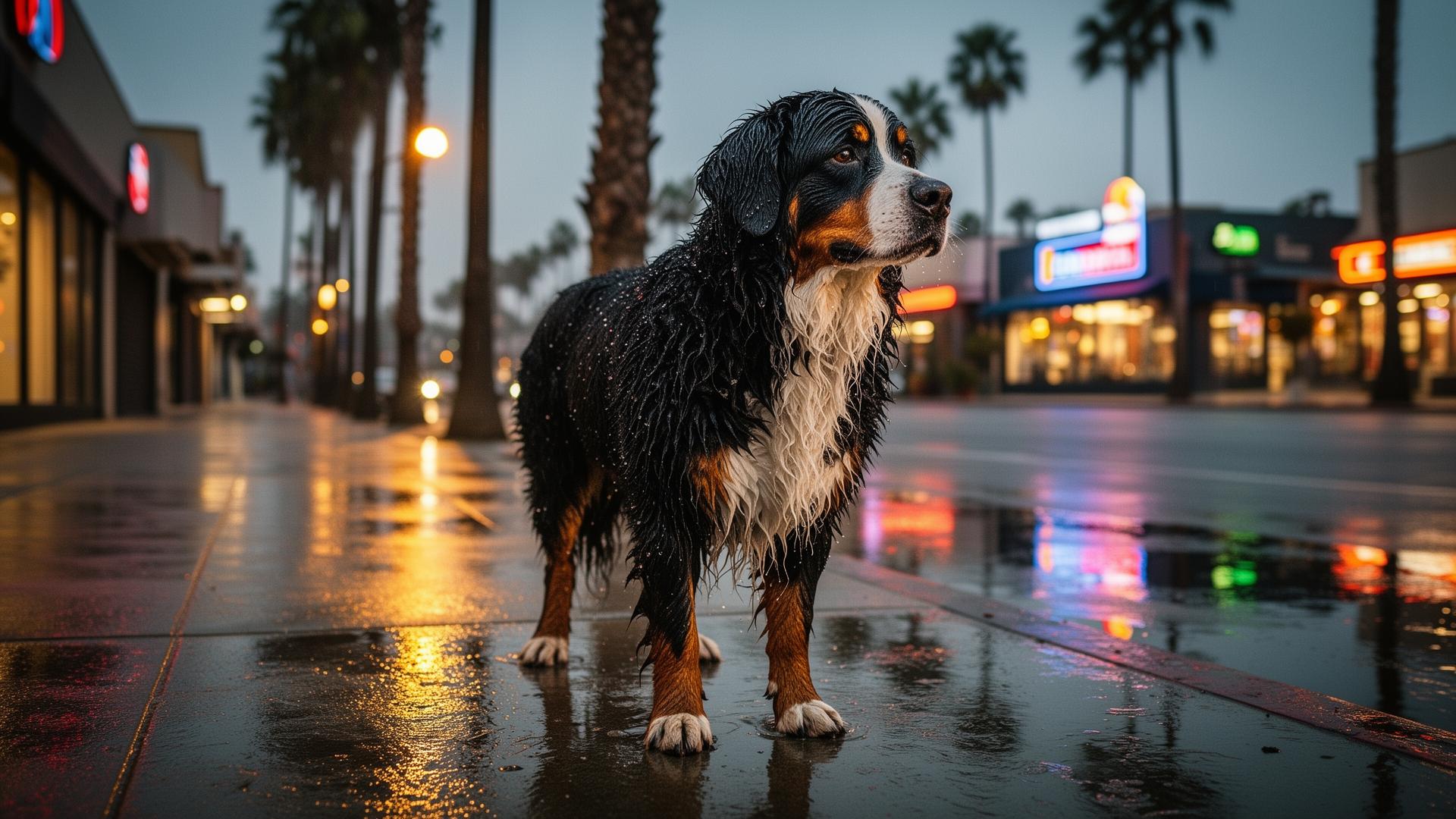
If your dog goes to daycare, drinks from puddles on a walk, or shares a water bowl at a park, the takeaway from this study lands directly in your weekend routine. Here is what actually happened, what leptospirosis does to a dog, and the exact steps vets are now recommending for 2026.
What the UC Davis report actually found
Between July and December 2021, vets across L.A. County logged 216 confirmed or probable canine leptospirosis cases, clustered around a handful of daycare and boarding facilities in the western part of the county. Roughly one in four sick dogs died or was euthanized, and several human handlers tested positive for exposure — leptospirosis is zoonotic, meaning it crosses species through urine contact with broken skin or mucous membranes.
The 2026 follow-up, led by Dr. Jane Sykes' team at UC Davis School of Veterinary Medicine and published in the Journal of Clinical Microbiology, traced almost every case back to two factors:
- Incomplete puppy vaccine series. The lepto vaccine requires an initial dose plus a booster 2–4 weeks later, then yearly. Many "vaccinated" dogs in the outbreak had received only the first shot.
- Shared water bowls and rinse areas. Leptospira bacteria survive for weeks in warm, standing water — exactly the kind of communal bowl, splash pool, or hose-down zone every busy daycare uses.
Why a 2021 outbreak is making news now
Two reasons. First, the new molecular fingerprinting confirmed the outbreak strain had not been seen in California before, which means more facilities than originally reported were likely affected. Second — and this is what got the LA Times and Phys.org picking it up — UC Davis quietly extended the same surveillance to homeless encampments in Berkeley and Sacramento, where unvaccinated dogs and rodent populations create a near-permanent reservoir.
In short: the bacteria didn't go away after 2021. The vaccine gap didn't close either.
What leptospirosis does to a dog
Symptoms usually appear 4 to 12 days after exposure and look frustratingly vague at first:
- Lethargy and refusing food
- Fever, sometimes shivering
- Vomiting and diarrhea
- Increased thirst and urination (a hallmark of kidney involvement)
- Yellowing of the gums or eyes in advanced cases
Untreated, the bacteria attack the kidneys and liver, and severe cases progress to acute kidney injury within 72 hours. Caught early, intravenous fluids and a 14-day course of doxycycline resolve most infections. Caught late, the prognosis drops fast. This is the same kind of progressive kidney damage covered in our piece on urine ammonia as a kidney disease marker — early biomarkers matter, but vaccination beats early detection every time.
The vaccine confusion that caused the outbreak
The current canine leptospirosis vaccine — known as the 4-way Lepto — covers four serovars: Canicola, Icterohaemorrhagiae, Pomona, and Grippotyphosa. It is not part of the universal "core" puppy bundle in every U.S. state, which leads to two common breakdowns:
- Owners decline it because they think their indoor-leaning city dog has no exposure risk. The L.A. outbreak proved that wrong: most affected dogs were typical urban pets going to daycare 1–3 days a week.
- Owners get the first dose and skip the booster. Immunity from a single dose is incomplete and short-lived. Without the second shot 2–4 weeks later, protection is essentially zero.
The American Animal Hospital Association (AAHA) updated its 2026 canine vaccination guidelines to recommend lepto for any dog that goes outdoors in the U.S. — which, practically, means almost every dog.
What dog daycares are changing in 2026
Several large L.A. daycare chains have already published new admission rules in response to the UC Davis findings. Expect to see these spread nationally:
- Proof of completed lepto vaccine series (both doses) before first day of attendance, with annual boosters required.
- No shared community water bowls — individual bowls washed between dogs, or touchless dispensers.
- Separate intake area for unvaccinated puppies under 16 weeks.
- Daily kennel disinfection with quaternary ammonium compounds, which inactivate Leptospira on contact.
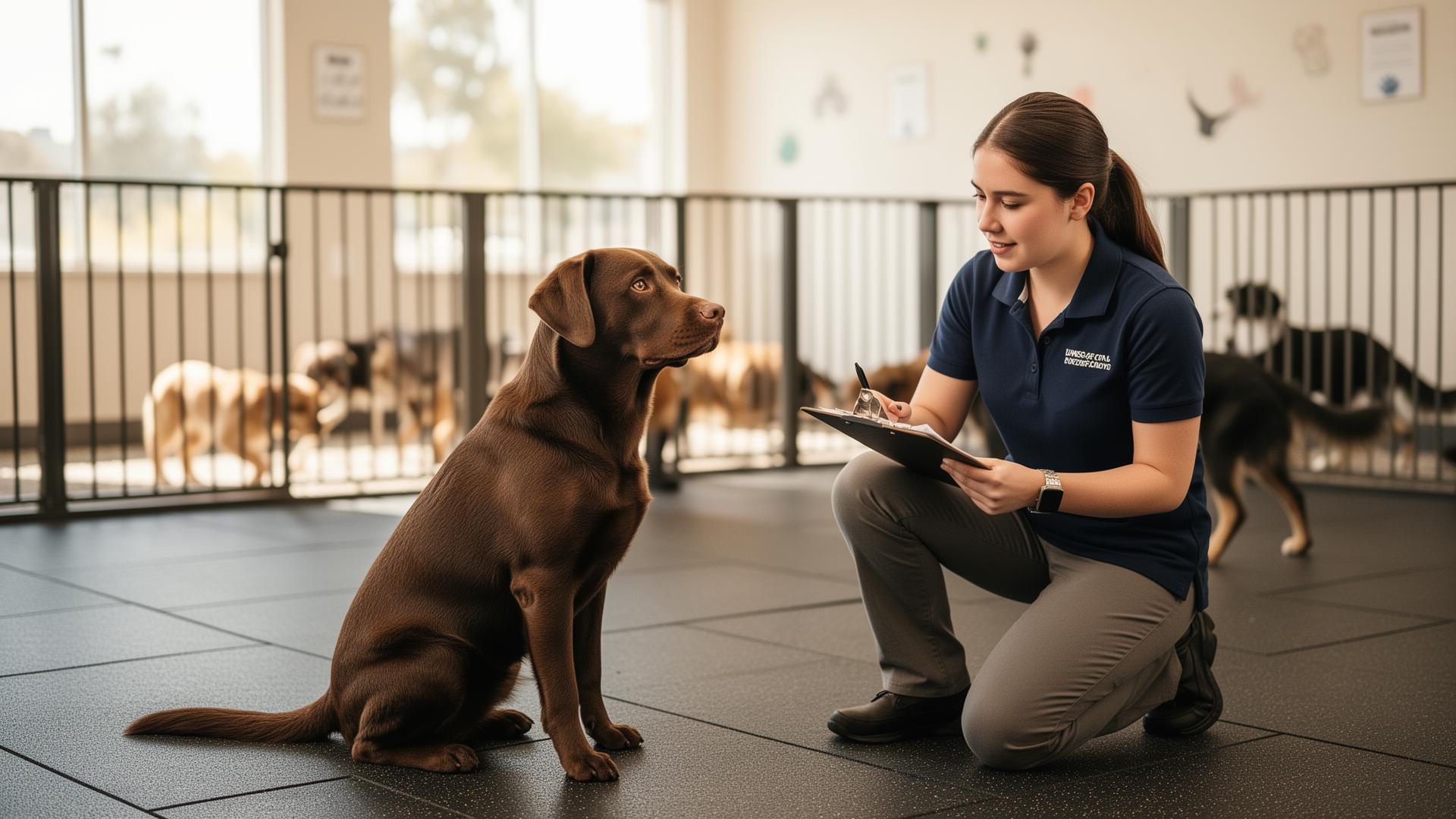
If you are choosing a new facility, ask about all four. This is the same kind of front-end vetting we recommended after the Miranda's Rescue scandal — the questions you ask before the first visit matter more than the marketing on the door.
What owners should do this week
You do not need to panic. You do need to do four things:
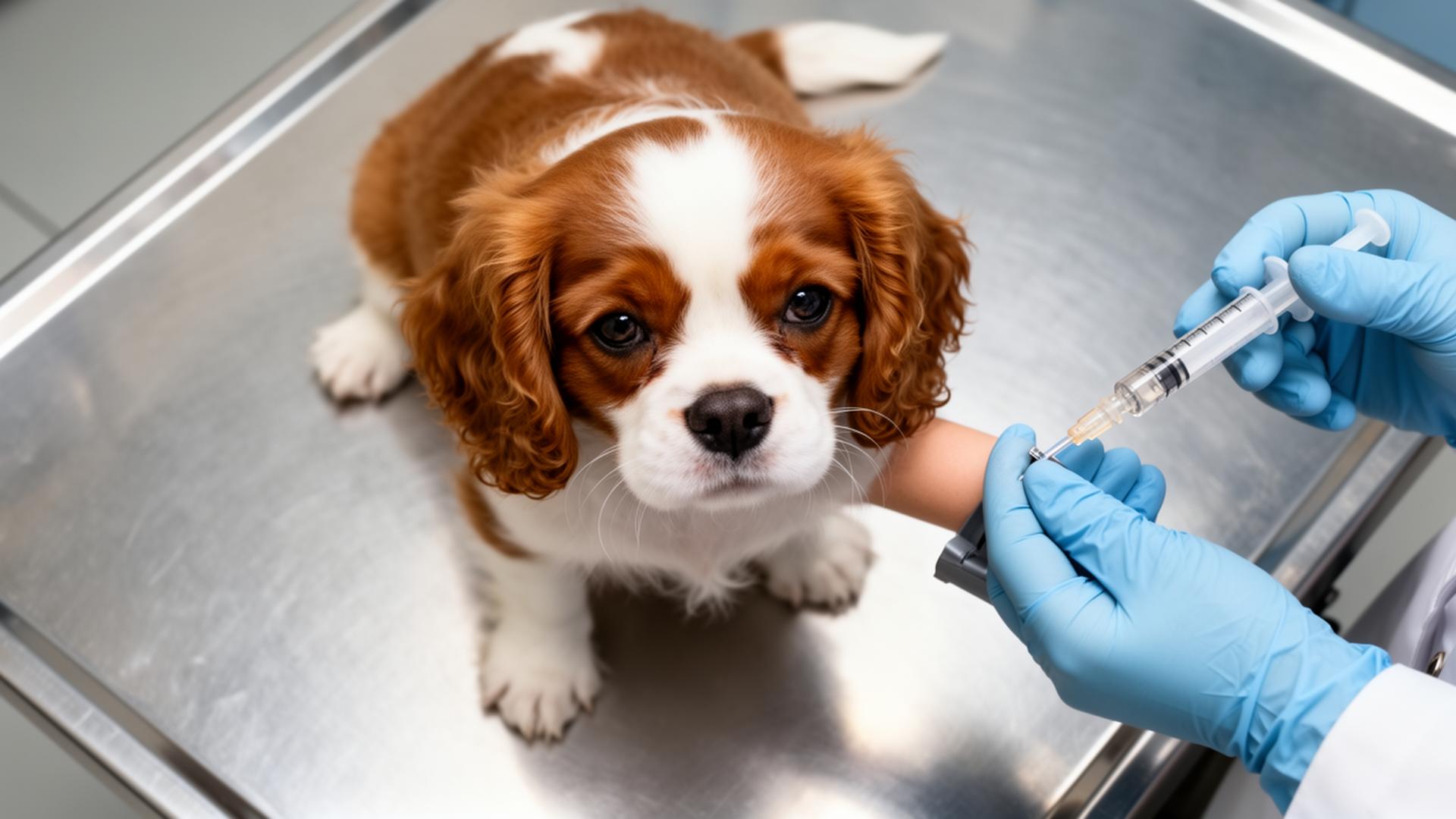
- Pull your dog's vaccine record. Look specifically for "Lepto" or "Leptospirosis 4-way" with two dates roughly 3 weeks apart, plus an annual booster within the last 12 months. If anything is missing, book a vet visit.
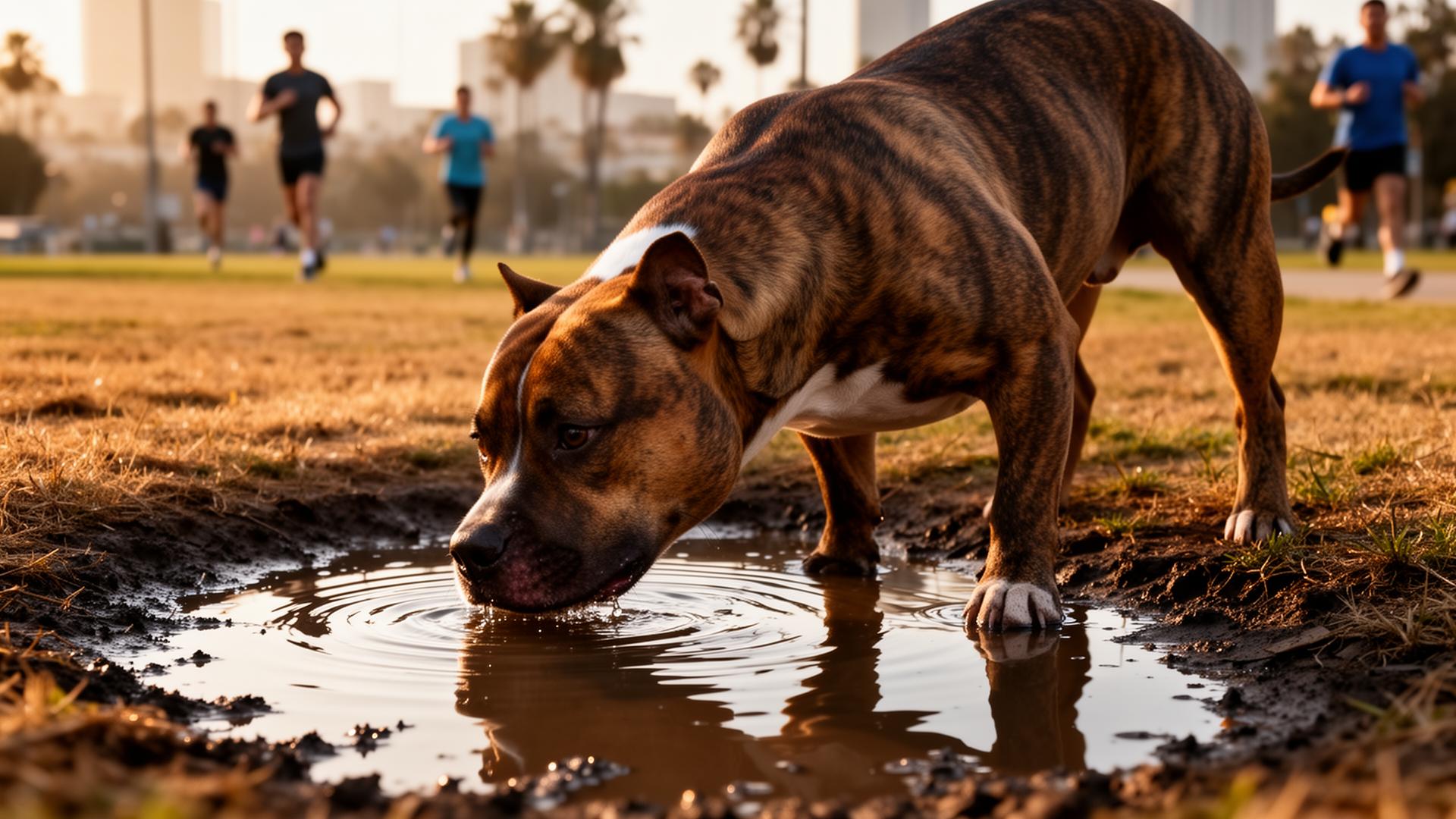
- Stop letting your dog drink from puddles, fountains, or standing pond water — especially in city parks, where rat urine concentrates after rain.
- Bring your own water bowl to daycare drop-offs, dog parks, and patios.
- Know the early warning signs. If your dog suddenly drinks twice as much water, refuses dinner, and seems lethargic 4–10 days after a daycare visit, call the vet that day, not next week.
If you live in a city where coyotes, raccoons, or rats are common — that means most of L.A., the Bay Area, Phoenix, Denver, and the entire Gulf Coast — assume your dog has environmental exposure even on routine neighborhood walks. The same logic applies during outbreak season for other waterborne and airborne pathogens, like the recent parvo outbreak in Snohomish County.
The bigger picture: zoonotic disease in shared dog spaces
Daycare and boarding aren't going away — for most working dog owners, they're non-negotiable. But the 2026 UC Davis report is the clearest evidence yet that the public-health model used for human childcare (mandatory vaccine records, isolation protocols, surface hygiene) needs to migrate into the dog economy. The trend is already visible elsewhere: service-dog programs require full immunization documentation, and the new generation of facility dogs in children's hospitals operates under stricter vaccine and screening protocols than most boarding kennels do today.
For the average dog owner, the math is simple. Two shots, $35–$60 each, once a year. That is what stands between a normal week at daycare and a $4,000 ICU stay — or worse.
Sources
- UC Davis Health, "Dog Daycare Leptospirosis Outbreak in Los Angeles Highlights Vaccination Gaps and Public Health Risks" (May 26, 2026)
- Journal of Clinical Microbiology, "Clinical and molecular characterization of an outbreak of leptospirosis in dogs from Los Angeles County, California, USA, 2021"
- LA County Department of Public Health, Veterinary Public Health Program
- American Animal Hospital Association, 2026 Canine Vaccination Guidelines
Frequently Asked Questions
Is canine leptospirosis contagious to humans?+
Yes. Leptospirosis is zoonotic and spreads through contact with infected urine via broken skin, eyes, nose, or mouth. Several human handlers tested positive during the 2021 LA outbreak. Wear gloves when cleaning up after a sick dog and wash hands thoroughly.
Does my city dog really need the lepto vaccine?+
Yes. The 2021 LA outbreak hit typical urban dogs going to daycare 1-3 days a week. Rats, raccoons, and standing water in city parks all create exposure. AAHA's 2026 guidelines recommend the vaccine for any dog that goes outdoors.
How many doses does the lepto vaccine require?+
Two initial doses given 2 to 4 weeks apart, then an annual booster. A single dose provides almost no protection — that gap was the main cause of the LA outbreak.
What are the first signs of leptospirosis in dogs?+
Lethargy, refusing food, fever, vomiting, and notably increased thirst and urination, appearing 4 to 12 days after exposure. Yellowing of the gums indicates advanced liver involvement and is a medical emergency.
How is leptospirosis treated?+
Caught early, it is treated with intravenous fluids to support the kidneys plus a 14-day course of doxycycline. Survival rates are high with early treatment but drop sharply once acute kidney injury develops.
Sources
Related Reading
Share this story
The PawPulse Newsroom is a small editorial team of dog owners, trainers, and pet-industry writers reporting on dog health, training, nutrition, and breed trends.
Medically reviewed by PawPulse Veterinary Review Board.
Pin this to your Healthy Happy Dogs board
Vet-vetted wellness, symptom guides, and senior dog care pins.
Liked this story?
Share it with someone who should read it.
More from Dog Health & Wellness

IVDD Revolution: How We Slashed Dachshund Back Pain by 74%!

Cavalier MVD Breakthrough: 3 Tools That Add Years to Their Lives
