Parvo Panic 2026: Inside the Snohomish County Outbreak and How to Keep Your Dog Safe
Canine parvovirus is ripping through parts of Snohomish County, and the Everett Animal Shelter says it is buckling under waves of sick puppies. Here is what every owner needs to know — fast.

On May 22, 2026, the Everett Animal Shelter in Snohomish County, Washington issued an urgent public plea: canine parvovirus — the brutal, often fatal gut virus better known as parvo — is tearing through local dogs, and the shelter is "scrambling" to contain it. Sick puppies are arriving in waves. Staff are working double shifts. Whole runs of kennels have been emptied for deep cleaning.
If you live anywhere near the Pacific Northwest, or just love a young or unvaccinated dog, this is the story you need to read this week.
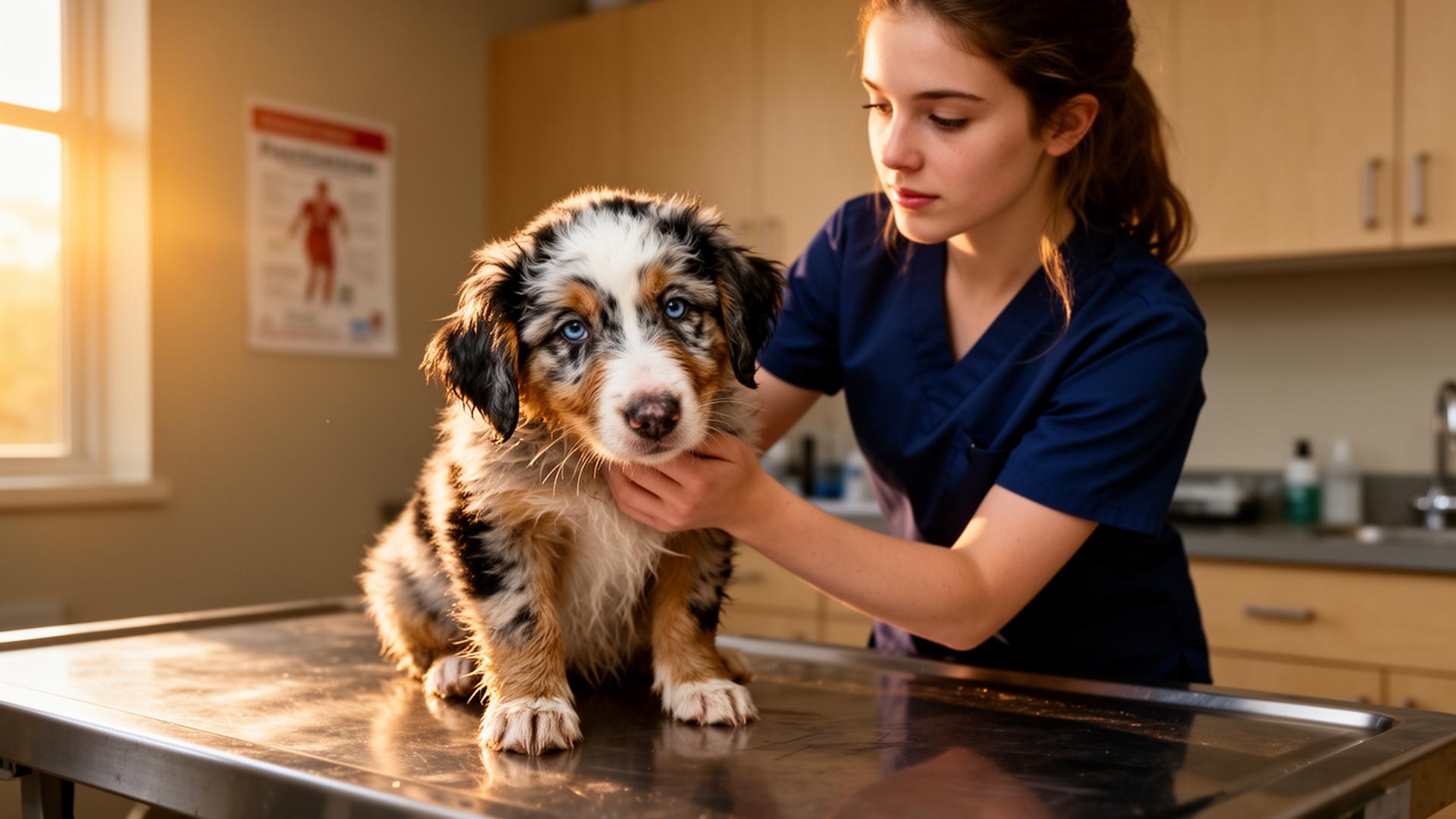
What Is Actually Happening in Snohomish County
The Everett Animal Shelter — the largest open-admission shelter in the county — confirmed multiple confirmed parvo cases this week, with more dogs arriving symptomatic at intake. According to reporting by Hoodline on May 22, 2026, the shelter is:
- Pausing some intake of unvaccinated puppies
- Asking the public to delay surrenders if possible
- Begging owners to vaccinate now, not later
- Disinfecting kennels with parvocidal cleaners (regular bleach dilutions, accelerated hydrogen peroxide)
Local veterinary clinics in Everett, Lynnwood, and Mukilteo are reporting a parallel spike in parvo cases in client-owned dogs — which means this is not just a "shelter problem." It is community spread.
What Is Parvo, in Plain English
Canine parvovirus type 2 (CPV-2) attacks the lining of a dog's intestines and, in very young puppies, the bone marrow and heart. The classic signs are textbook and terrifying:
- Sudden, profuse bloody diarrhea (often with a distinct foul, metallic smell)
- Repeated vomiting
- Total loss of appetite
- Severe lethargy — the puppy "goes flat"
- Fever early, then a dangerously low body temperature
- Rapid dehydration
Without aggressive hospitalization (IV fluids, anti-nausea medication, antibiotics for secondary infection, sometimes plasma transfusions), mortality in unvaccinated puppies runs 70–90%. With prompt, intensive care, survival jumps to 80–95%, according to the American Veterinary Medical Association.
The hardest part for owners: parvo can kill a puppy in 48 to 72 hours from the first symptom.
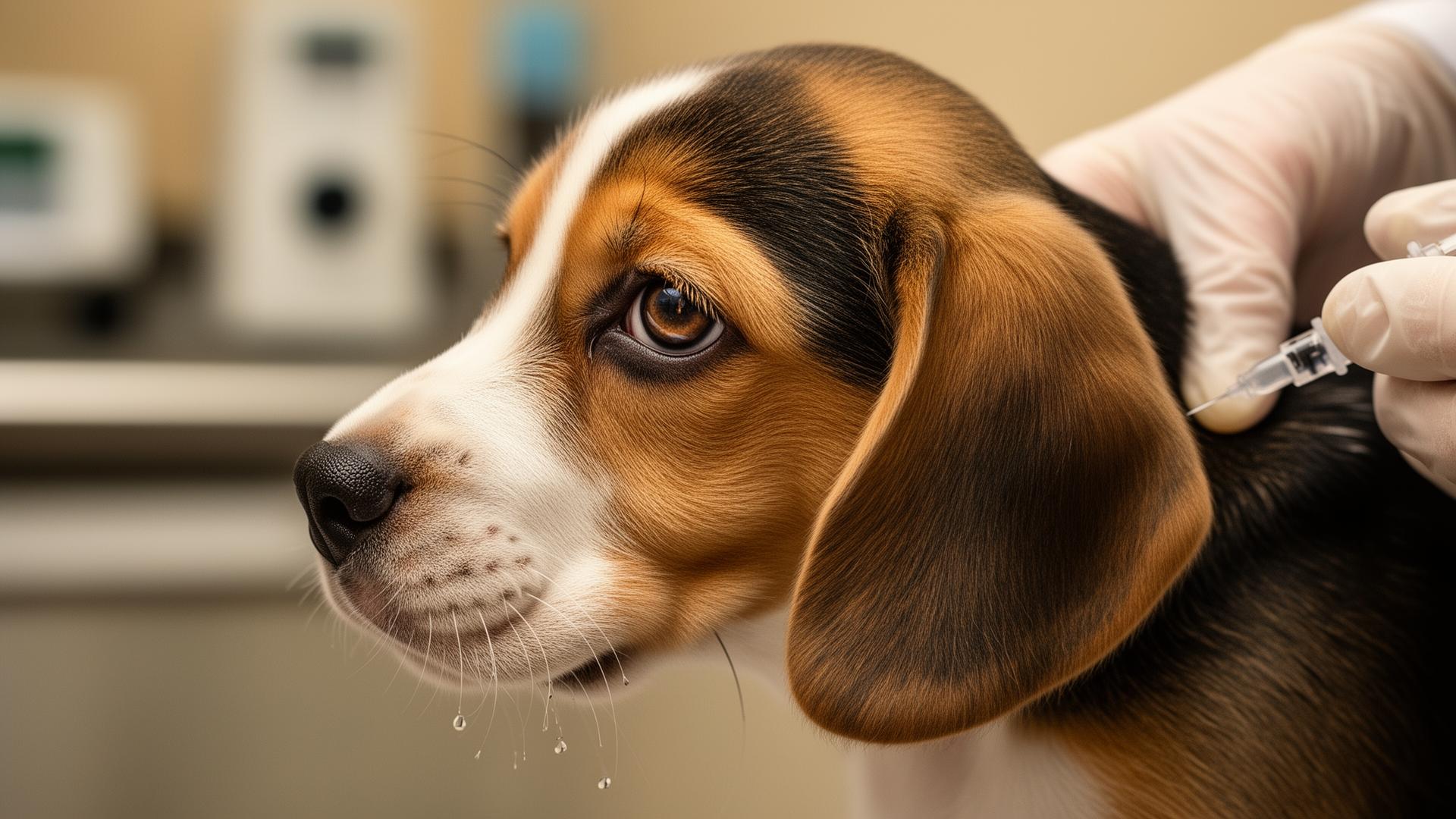 A single DA2PP booster on schedule is the cheapest, most powerful tool you have against parvo.
Why This Outbreak Is Spreading So Fast
Three factors keep stacking the deck against shelters every spring:
- Parvo is built to survive. The virus can live on grass, concrete, shoes, and food bowls for up to a year. It laughs at most household cleaners. Only bleach (1:32 dilution), accelerated hydrogen peroxide, or potassium peroxymonosulfate reliably kills it.
- Vaccine gaps after the pandemic-era puppy boom. Many dogs adopted as puppies in 2020–2022 never finished their booster series. As those dogs reproduce and as new puppies enter rescue, the unvaccinated pool grows.
- Spring intake surges. Litters born in March and April hit shelters in May. Puppies under 16 weeks have incomplete maternal immunity and incomplete vaccine protection — the worst possible window.
This is the same pattern we have warned about in our earlier reporting on shelter-borne illness. If you have followed our coverage of the 2026 Raaw Energy Listeria recall in raw dog food or the new tick-borne Rickettsia finnyi alert, you already know the playbook: an environmental pathogen meets an under-protected population, and the spike happens fast.
The 7-Point Owner Action Plan (Do This This Week)
1. Verify your dog's vaccine status today
Pull up your dog's record or call your vet. The core canine vaccine — DA2PP (sometimes labeled DHPP) — protects against parvovirus, distemper, adenovirus, and parainfluenza. Puppies need it at 6–8, 10–12, and 14–16 weeks, plus a booster at 1 year. Adults need a booster every 1–3 years.
2. Keep unvaccinated puppies off shared ground
No dog parks. No pet store floors. No sidewalks where other dogs urinate. Until your puppy is at least 7–10 days past their 16-week booster, carry them in public.
3. Disinfect anything that touched a sick dog
Standard household cleaners do not kill parvo. Use 1 part household bleach to 32 parts water on hard surfaces, left wet for 10 minutes. Throw away porous items (beds, fabric toys) you cannot bleach.
4. Change your shoes
If you have visited a shelter, dog park, or sick friend's house this month, leave those shoes at the door. Parvo travels on rubber soles.
5. Know the early warning signs
The first sign is almost always profound lethargy and refusing food, not diarrhea. If a puppy under one year skips two meals in a row, call your vet the same day.
6. Have an emergency vet number saved before you need it
Snohomish County owners: keep numbers for Animal Critical Care & Emergency Services and your nearest 24-hour clinic in your phone now. Parvo treatment delayed by even 12 hours sharply lowers survival.
7. If you can, donate or foster
The Everett Animal Shelter and other parvo-burdened shelters need bleach, isopropyl alcohol, exam gloves, Gatorade-style electrolyte powder, and foster homes for healthy, vaccinated dogs to free up isolation kennels.
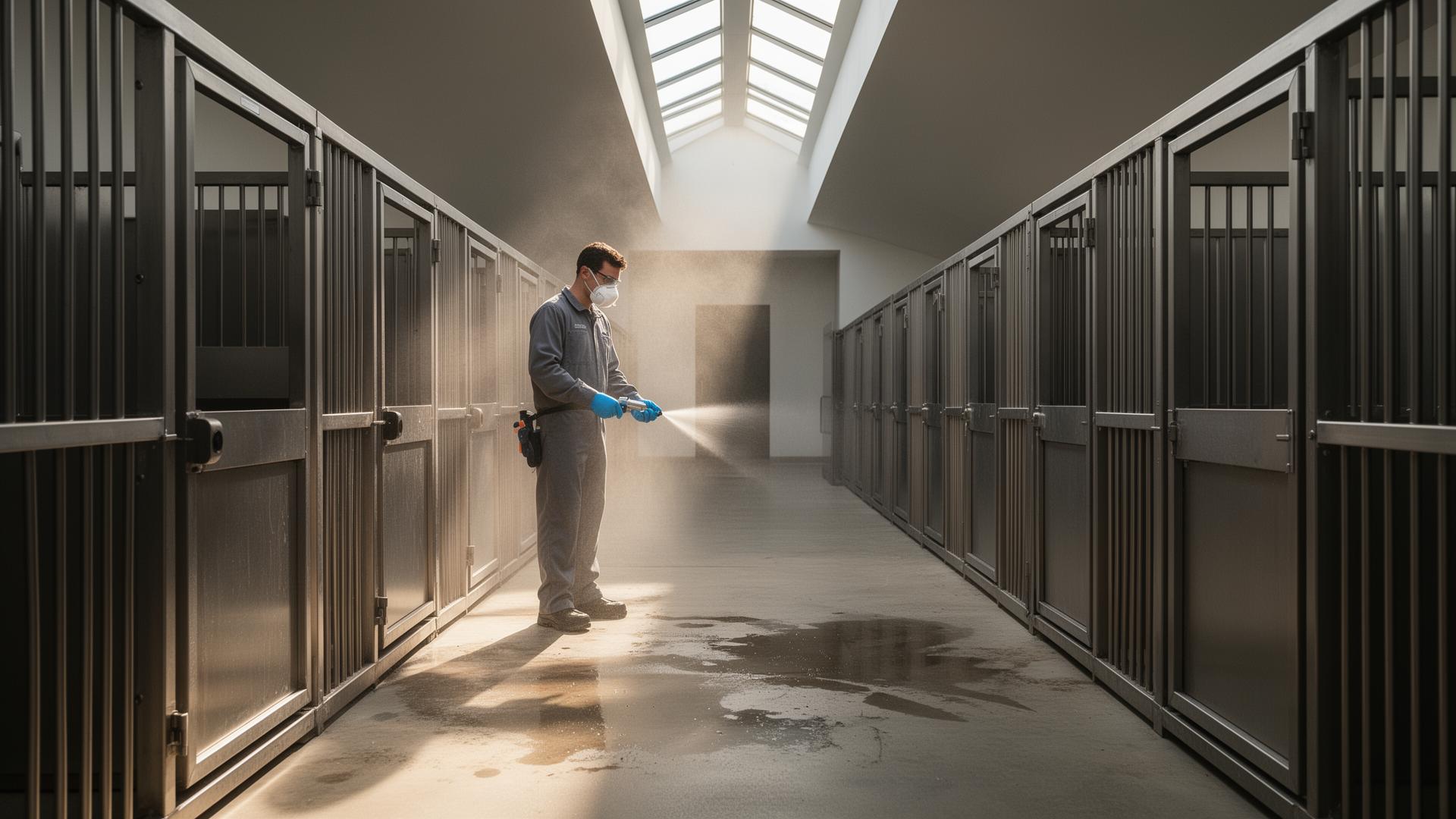 Decontamination during a parvo outbreak is relentless. Most household cleaners are useless against the virus.
What Recovery Looks Like
If your dog does catch parvo, the next 72 hours are everything. Hospitalized treatment usually includes:
- IV fluids with electrolytes (the single most important intervention)
- Anti-nausea drugs like maropitant (Cerenia) and ondansetron
- Broad-spectrum antibiotics to prevent sepsis from intestinal bacteria
- Pain management
- Nutritional support as soon as vomiting stops — early feeding actually speeds recovery, per a 2003 landmark study repeatedly confirmed since
Expect a 3–7 day hospital stay, with bills commonly running $1,500–$5,000. Pet insurance, CareCredit, and shelter-partnered low-cost clinics can help.
After discharge, recovered dogs shed virus in feces for up to two weeks and remain a risk to unvaccinated dogs. Quarantine them, bleach their messes, and wash hands obsessively.
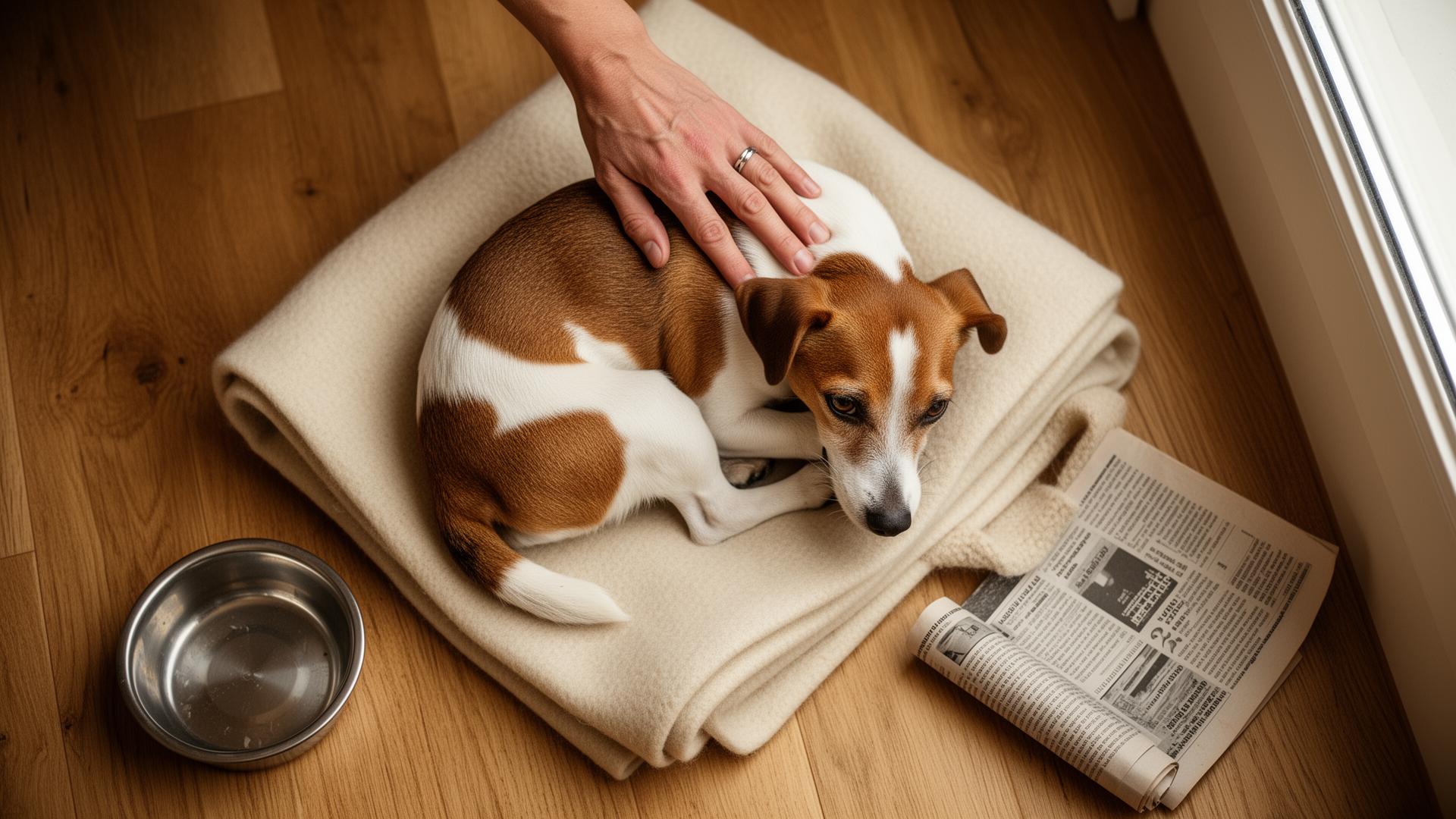 A recovered parvo survivor on day 6 at home: hydrated, quiet, and quarantined from neighborhood dogs.
The Bigger Picture: Why Outbreaks Keep Coming Back
Parvo is not a relic of the 1980s. Surveillance data from the Cornell Animal Health Diagnostic Center shows consistent annual cycles, with case counts climbing wherever vaccine coverage drops below ~70%. The 2026 Snohomish event will not be the last. We are also tracking how related stressors — diet, gut health, and even cognitive aging — affect immune resilience; for context, see our deep dives on the 2026 Frontiers study on kibble vs. fresh food and the canine microbiome and the 2026 Oregon State research linking the gut microbiome to cancer survival.
If you are choosing a new puppy in the next few months, also revisit our piece on the 2026 Pomeranian boom — small breeds are flying off shelter shelves right now, and many arrive with incomplete vaccine series.
The Bottom Line
Parvo is preventable. The vaccine works. The Snohomish outbreak is a loud, painful reminder that one missed booster — or one walk on a contaminated lawn — can cost a young dog its life. Call your vet this week. Check your records. Carry your puppy. And if you have a spare 30 minutes and a clean bedroom, foster a dog so the shelter can save another.
Frequently Asked Questions
How is parvo spread between dogs?+
Parvo spreads through contact with infected feces, contaminated surfaces (floors, bowls, leashes, shoes), and the fur of infected dogs. The virus is extremely hardy and can survive on grass, soil, or concrete for up to a year.
My puppy had only one parvo shot — is she protected?+
Not fully. One DA2PP dose provides partial immunity. Puppies need the full series at roughly 6–8, 10–12, and 14–16 weeks, with full protection 7–10 days after the final dose. Treat a partially-vaccinated puppy as unprotected in high-risk areas.
What does parvo poop look like?+
Classic parvo diarrhea is profuse, watery, often bloody, and has a very distinct foul, almost metallic smell that experienced vets recognize immediately. Vomiting usually precedes the diarrhea by 12–24 hours.
Can a vaccinated adult dog catch parvo?+
It is rare but possible, usually in dogs that are immunocompromised or have lapsed boosters. Fully-vaccinated healthy adults are at very low risk, which is why fostering for the shelter is safe if your dog is current on shots.
How do I disinfect my yard after a parvo case?+
You cannot truly sterilize soil or grass — sunlight (UV) helps, but the virus persists. Restrict unvaccinated dogs from that yard for at least 6–12 months. Hard surfaces (patios, kennels) should be cleaned with a 1:32 bleach solution left wet for 10 minutes.
Sources
Related Reading
Share this story
Pin this to your Healthy Happy Dogs board
Vet-vetted wellness, symptom guides, and senior dog care pins.
Liked this story?
Share it with someone who should read it.
More from Dog Health & Wellness

Cavalier MVD Breakthrough: 3 Tools That Add Years to Their Lives

IVDD Breakthrough: New Protocol Slashes Dachshund Risk by 63%!
