Raaw Energy Recall 2026: Listeria Found in Frozen Raw Dog Food — What Owners Should Do Now
On May 22, 2026, Raaw Energy halted production and expanded a Listeria monocytogenes recall covering eight lots of frozen raw dog food. Here is what the FDA found, the symptoms to watch in your dog and your family, and the safer feeding options vets recommend.

On May 22, 2026, New Jersey–based Raaw Energy stopped all dog food production and expanded a recall to eight lots of frozen raw products after laboratory testing turned up Listeria monocytogenes. The U.S. Food and Drug Administration issued a "do not feed" advisory the same day, warning that contaminated batches were distributed nationally between July 2025 and March 2026.
It is the second high-profile raw dog food recall in two weeks — Albright's Raw pulled a Salmonella-tainted chicken lot on May 7 — and it has put the raw-feeding community on the defensive again. If your freezer holds a Raaw Energy brick right now, this guide walks through exactly what to do, what symptoms to look for, and what veterinarians are recommending as safer alternatives.
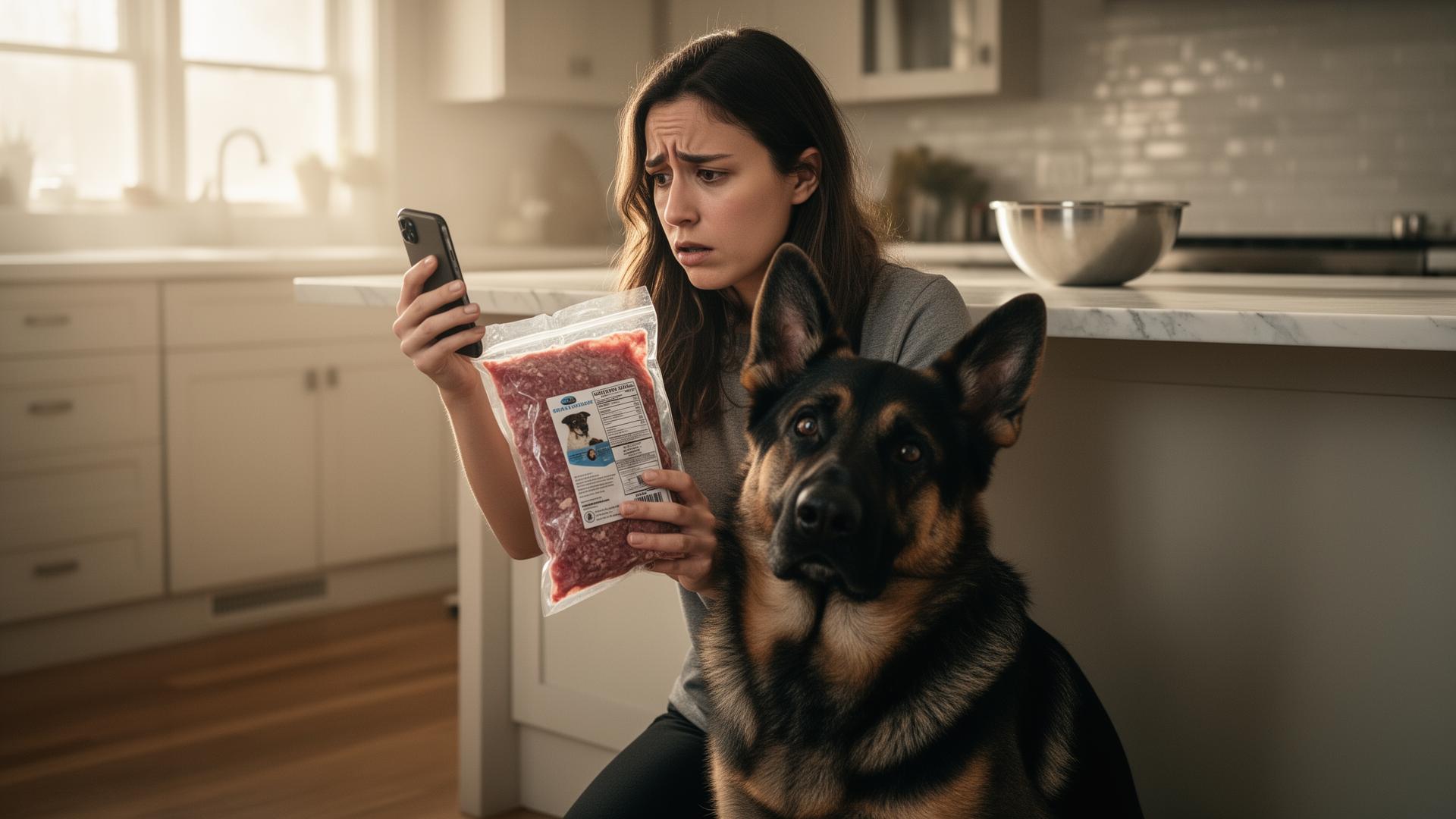 The May 2026 Raaw Energy recall has owners across the U.S. checking lot codes against the FDA advisory.
What was recalled and when
According to the FDA advisory and PetfoodIndustry reporting, the expansion covers Raaw Energy frozen raw dog food produced between July 2025 and December 2025, plus one March 31, 2026 batch. Affected products were sold in independent pet stores and shipped direct-to-consumer in vacuum-sealed bricks and tubs.
- Brand: Raaw Energy
- Products: Multiple frozen raw recipes (beef, chicken, tripe medley, and others)
- Lot codes: 8 lots listed in the FDA advisory — check the date code stamped on the package
- Reason: Listeria monocytogenes contamination confirmed by routine testing
- Production halt date: May 21, 2026
- What to do: Do not feed. Double-bag and discard, or return for a refund.
Listeria is unusually dangerous because it survives — and slowly grows — at refrigerator and freezer temperatures, which is the opposite of how most foodborne bacteria behave. That makes a contaminated raw brick a hazard for the entire household, not just the dog.
Why this keeps happening to raw diets
Raw feeding has grown into a billion-dollar segment, but the 2026 Dog Aging Project gut microbiome study in Nature Communications and earlier FDA surveillance have repeatedly flagged the same problem: raw meat is a high-pathogen substrate, and most commercial raw producers do not use a true kill step like high-pressure processing (HPP) or cooking.
In a 2026 Frontiers study comparing minimally processed and extruded kibble, researchers noted that even gently cooked diets showed dramatically lower pathogen loads than raw equivalents while still delivering most of the microbiome benefits owners are chasing.
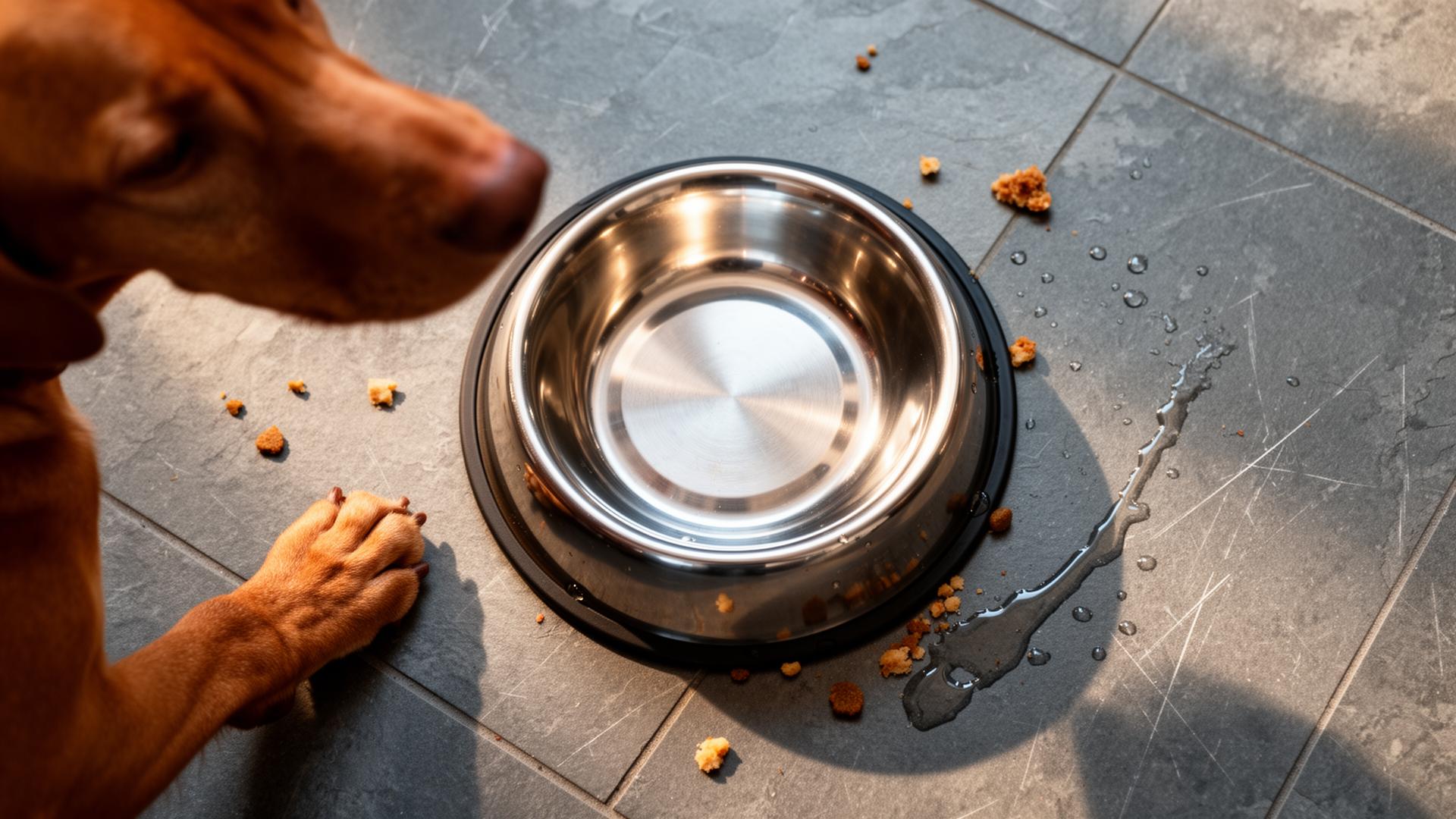 Veterinarians recommend washing bowls daily with hot soapy water — Listeria can colonize the bowl long after a contaminated meal.
Symptoms to watch in your dog
Many healthy adult dogs shed Listeria without obvious illness, which is precisely why the FDA worries about cross-contamination to humans. But puppies, seniors, and immunocompromised dogs can develop listeriosis, which looks like:
- Lethargy and refusal to eat for more than 24 hours
- Vomiting and watery or bloody diarrhea
- Fever above 103°F (39.4°C)
- Stiff neck, head tilt, circling, or other neurologic signs in severe cases
- Pregnant dogs: sudden miscarriage or stillbirth
If you see any of these signs in a dog that ate a recalled product, bring the packaging to your vet. Older dogs already managing conditions like canine cognitive dysfunction — see our coverage of the 2026 GeroScience group-training study on CCD — are especially vulnerable because their immune response is blunted.
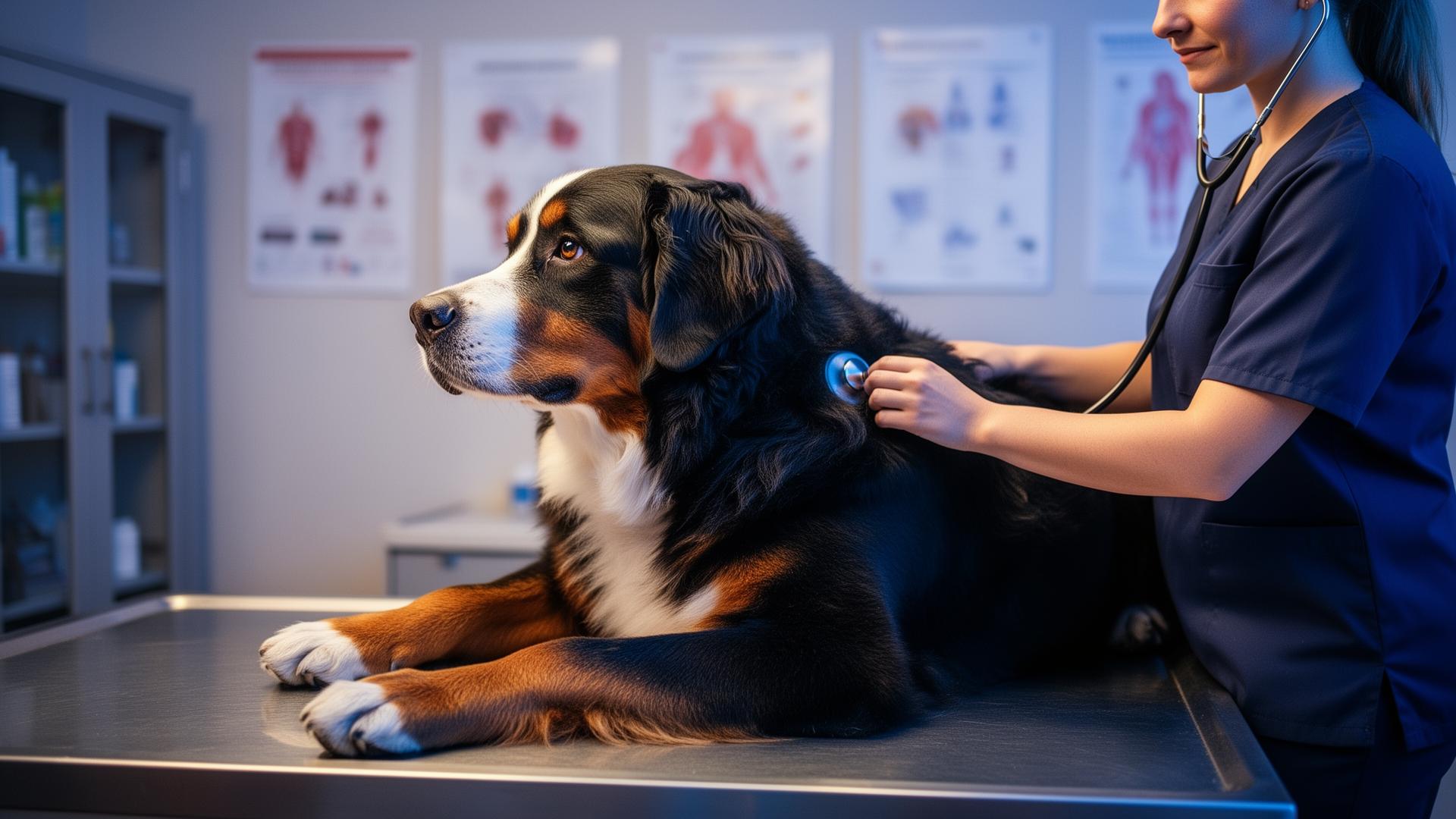 Seniors and immunocompromised dogs are most at risk of clinical listeriosis after eating contaminated raw food.
Human risk — what the FDA wants you to do today
Listeria is a serious human pathogen. CDC estimates roughly 260 deaths per year in the U.S. from listeriosis. People who are pregnant, over 65, or immunocompromised are at the highest risk. Cross-contamination from a dog bowl, a thawing tray, or unwashed hands is a real pathway.
Concrete steps tonight:
- Check the freezer. Match the lot code on every Raaw Energy package against the FDA advisory.
- Bag and bin. Double-bag affected product in sealed trash, then wash hands for 20 seconds.
- Sanitize. Wipe down the freezer shelf, thawing area, bowls, scoops, and floor with a bleach solution (1 tbsp bleach per gallon of water). Run bowls and utensils through the dishwasher on hot.
- Watch the dog and the people. Listeriosis in humans can take up to 70 days to appear. Flag any fever or GI symptoms to your doctor and mention the exposure.
- Report adverse events through the FDA's Safety Reporting Portal — this is how future recalls get triggered.
What to feed instead — safer options vets are recommending
The 2026 wave of raw recalls is pushing many vets to recommend either gently cooked fresh diets or high-pressure-processed (HPP) raw, which uses cold pressure to kill pathogens without cooking the meat. The 2026 Pomeranian popularity boom brought a flood of new small-breed owners into this exact conversation — small dogs need precise calorie control, and a homemade chicken-and-sweet-potato bowl is one of the easiest ways to get there safely.
Talk to your vet before switching, but reasonable swaps include:
- Lightly cooked fresh diets (e.g., Just Food For Dogs, The Farmer's Dog, or a vet-formulated homemade recipe)
- HPP-treated raw brands that publish their kill-step validation
- Premium kibble + fresh toppers — the lowest-friction upgrade
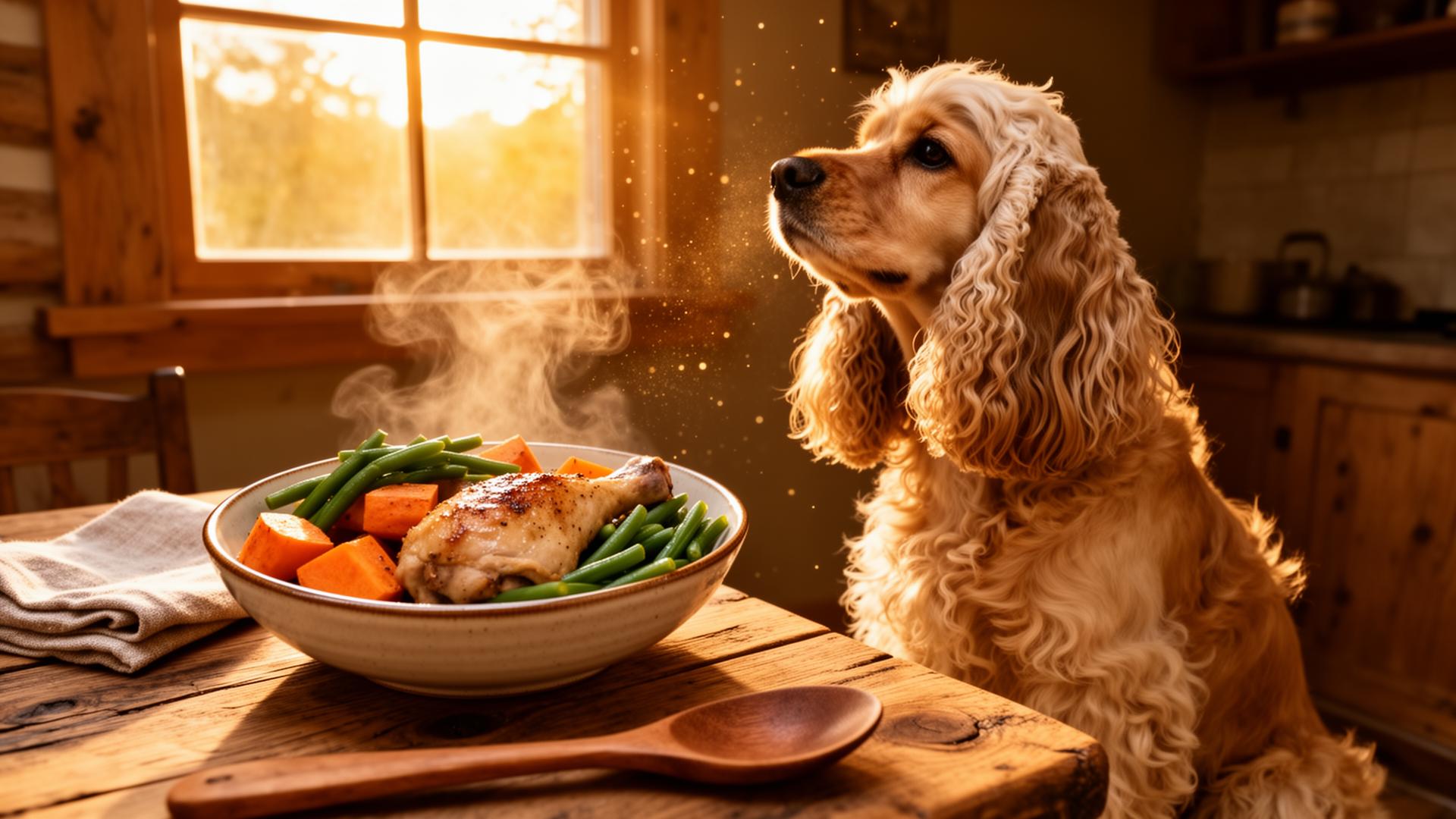 Gently cooked, vet-formulated meals are the most common veterinarian-recommended alternative after a raw recall.
The bigger picture
Two raw recalls in two weeks is not a coincidence — it is the FDA's increased surveillance catching up with a category that has grown faster than its food-safety infrastructure. Owners who chose raw for the microbiome benefits should know that newer evidence, including the 2026 Oregon State gut-microbiome cancer-vaccine study, shows that lightly cooked and HPP diets deliver most of the same microbial diversity at a fraction of the pathogen risk.
If your dog has been on Raaw Energy and is asymptomatic, you do not need to panic — most dogs clear Listeria without incident. But you do need to act tonight on the packaging, the bowls, and the human hygiene chain.
Bottom line
Pull any Raaw Energy product from your freezer, sanitize everything it touched, monitor your dog and your household for symptoms, and have a conversation with your vet about a HPP or gently cooked alternative. Recalls will keep coming for raw — building a safer routine now protects everyone in the house.
Frequently Asked Questions
How do I know if my Raaw Energy product is part of the recall?+
Check the lot code stamped on the vacuum-sealed brick against the eight lots listed in the FDA's May 22, 2026 advisory. Anything produced between July 2025 and December 2025, plus the March 31, 2026 batch, should be treated as suspect even if not explicitly listed.
My dog ate the recalled food and seems fine — should I still call the vet?+
If your dog is fully asymptomatic, monitoring at home is reasonable. Call the vet immediately if you see lethargy, vomiting, bloody diarrhea, fever, or any neurologic signs like circling or head tilt.
Can I get Listeria from my dog's bowl?+
Yes. Listeria can colonize bowls, scoops, and prep surfaces for weeks. Wash everything in hot soapy water or the dishwasher on hot, and wipe surfaces with a bleach solution (1 tbsp per gallon).
Is raw feeding still safe in 2026?+
It can be, but only with brands that use a validated kill step such as high-pressure processing (HPP). Untreated raw will keep producing recalls — the 2026 wave is not unusual, it is the new baseline.
What's the safest alternative if I want to keep feeding fresh?+
Gently cooked, vet-formulated fresh diets (commercial or homemade) deliver most of the microbiome benefits of raw without the pathogen risk. HPP raw is a middle option if your dog tolerates kibble poorly.
Sources
Related Reading
Share this story
Pin this to your Healthy Happy Dogs board
Vet-vetted wellness, symptom guides, and senior dog care pins.
Liked this story?
Share it with someone who should read it.
More from Dog Health & Wellness

Cavalier MVD Breakthrough: 3 Tools That Add Years to Their Lives

IVDD Breakthrough: New Protocol Slashes Dachshund Risk by 63%!
