The Miranda's Rescue Scandal: How to Vet a Dog Rescue Before You Trust It With a Life
In April 2026, detectives served a search warrant at Miranda's Rescue in Fortuna, California. By late May, eight dogs had been exhumed from a mass grave on the property — including animals counties across California had been told were "safely adopted." Here's how to make sure the next rescue you trust is the real thing.

On April 22, 2026, the Humboldt County Sheriff''s Office served a search warrant at Miranda''s Rescue, a long-running nonprofit on Sandy Prairie Road in Fortuna, California. By late May, investigators had exhumed eight dogs from a mass grave on the property and opened a felony investigation into animal cruelty, fraud, and conspiracy. Napa County alone had transferred more than 100 dogs to Miranda''s since 2020 — many of them, public records now suggest, with adoption confirmations that never matched a real adopter.
The story is shocking. It''s also a wake-up call. A "rescue" is not a regulated category in most U.S. states — anyone can register a nonprofit, post sad-eyed photos on social media, and start accepting dogs and donations. If you''re adopting, surrendering, or donating in 2026, the burden of verification is on you.
This guide gives you the same vetting checklist welfare investigators use, plus the red flags that, in hindsight, were visible at Miranda''s long before the search warrants.
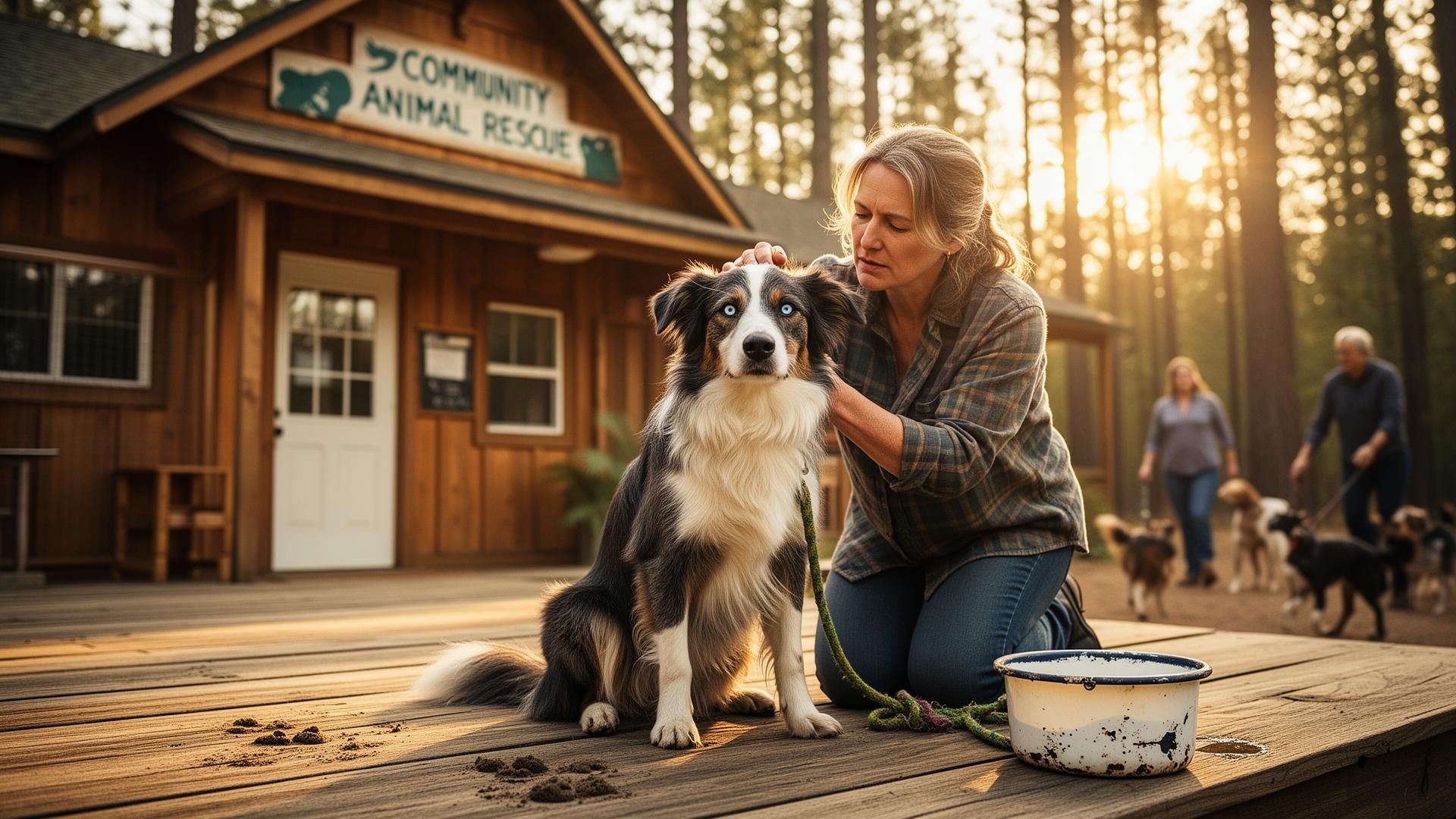
What actually happened at Miranda''s Rescue
According to the Humboldt County Sheriff''s Office and reporting from the Press Democrat and Lost Coast Outpost, the case began with a tip in April 2026: dogs that had been transferred to Miranda''s under the promise of adoption were instead being killed and buried on-site. One former volunteer told KSBW she received a text saying "Zorro was adopted" — and three days later was shown a photo of Zorro with a bullet wound to the head.
Napa County Animal Shelter has since acknowledged sending more than 105 dogs to the Fortuna facility since 2020. Other Bay Area shelters, including in Oakland, are now reviewing transfer records. As of publication, no charges have been filed, but the investigation is active and the rescue has stopped accepting new intake.
This isn''t the first scandal of its kind, and it won''t be the last. It rhymes with the 114-dog Mesquite RV hoarding case from earlier this month — both stories share the same root cause: too much trust, too little verification.
The 7-point checklist to vet any dog rescue in 2026
Print this. Use it before you adopt, surrender, foster, or donate.
1. Confirm the legal entity
A legitimate rescue is registered as a 501(c)(3) with the IRS and in good standing with its state''s charity regulator. Search the IRS Tax Exempt Organization Search and your state attorney general''s charity database. If the rescue can''t produce an EIN within a day, walk away.
2. Read the most recent Form 990
Every 501(c)(3) with more than $50,000 in revenue files a Form 990 with the IRS. It''s public. Pull it on ProPublica Nonprofit Explorer and look for:
- Veterinary spending as a percentage of total expenses (healthy rescues spend 30–60%).
- Executive compensation that''s wildly out of proportion to revenue.
- Year-over-year intake numbers that don''t match adoption numbers — a gap of hundreds of "missing" dogs is the single biggest red flag.
3. Ask for the veterinary partner — by name
A real rescue has a working relationship with a licensed veterinary clinic. Ask: "Which vet clinic spays, neuters, and treats your intakes? Can I call them?" Then call. Confirm the clinic actually treats the rescue''s dogs, and at what volume. A rescue that pulls dozens of dogs a month but has no vet record is processing them somewhere else.
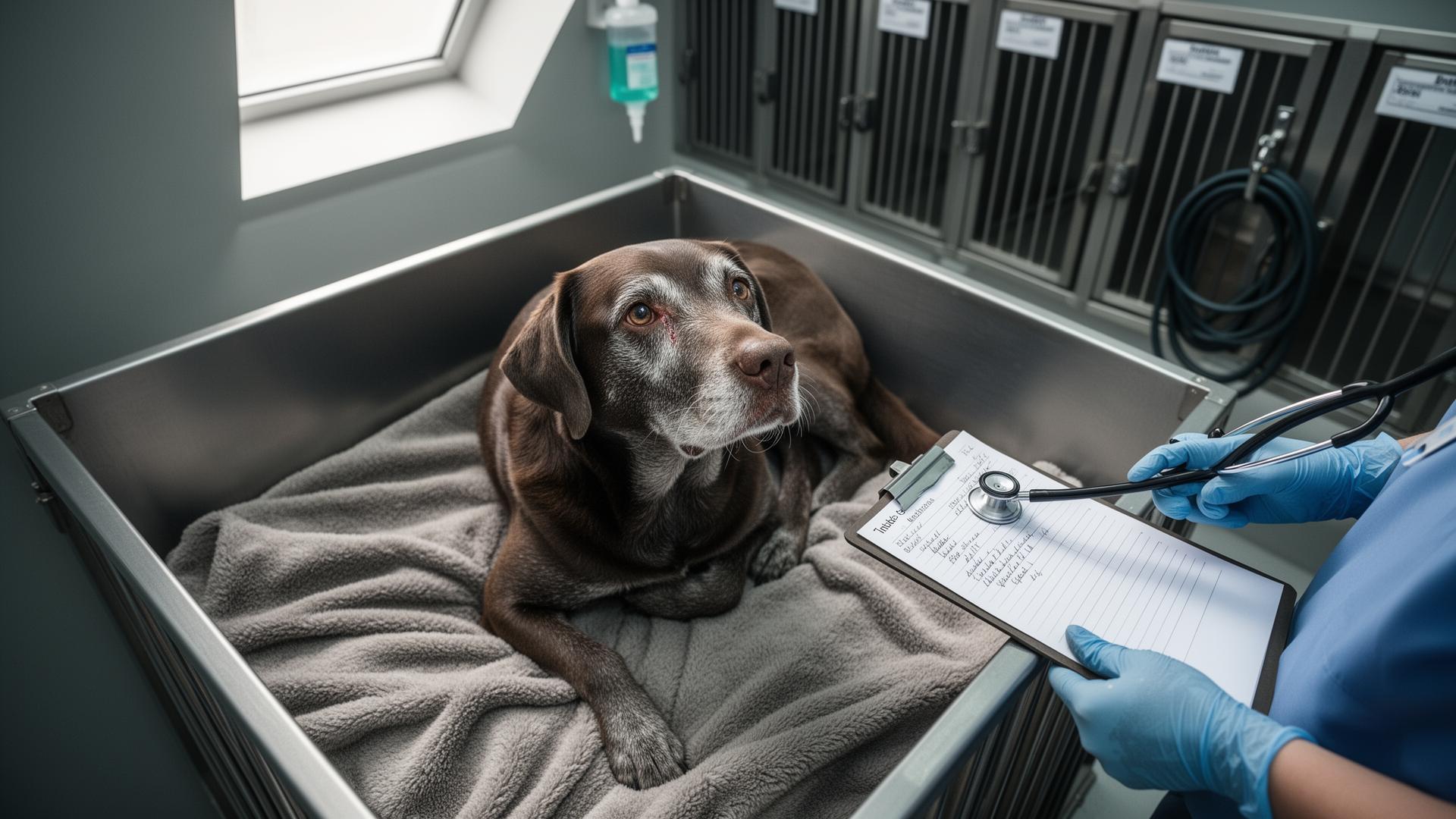
4. Visit the facility — unannounced if possible
Real rescues are proud to show you their kennels. They''ll have:
- Individually labeled enclosures with intake date, name, and medical notes.
- A separate quarantine/isolation area for new arrivals — critical for stopping outbreaks like the one we covered in the Snohomish County parvo report.
- Clean water, climate control, and a written feeding schedule on a visible whiteboard.
- Volunteers who can name the dogs they''re walking.
If you''re told you can''t see the kennels "for biosecurity reasons" but no PPE protocol is offered as an alternative, that''s a euphemism, not a policy.
5. Demand a written adoption contract and follow-up rights
A trustworthy rescue contract includes:
- A return clause requiring the dog to come back to the rescue (not be re-homed) if the adoption fails.
- Permission for the rescue to check in at 30 and 90 days post-adoption.
- A copy of the dog''s complete vaccine, microchip, and spay/neuter records.
Miranda''s reportedly sent transferring shelters text-message "adoption confirmations" with no contract attached and no adopter contact information. That alone should have ended the relationship years ago.
6. Trace the outcome statistics
Ask: "Of the last 50 dogs you took in, how many were adopted, how many were returned, how many were euthanized, and how many are still with you?" The numbers should add up to 50. If they don''t — or if the rescue refuses to share — that''s the gap Miranda''s used to disappear animals.
Live release rates above 90% with very little vet spending are also suspicious; high-volume rural rescues take in injured and senior dogs, and a small percentage of humane euthanasia is normal. Suspiciously perfect numbers usually mean someone is cooking the books.
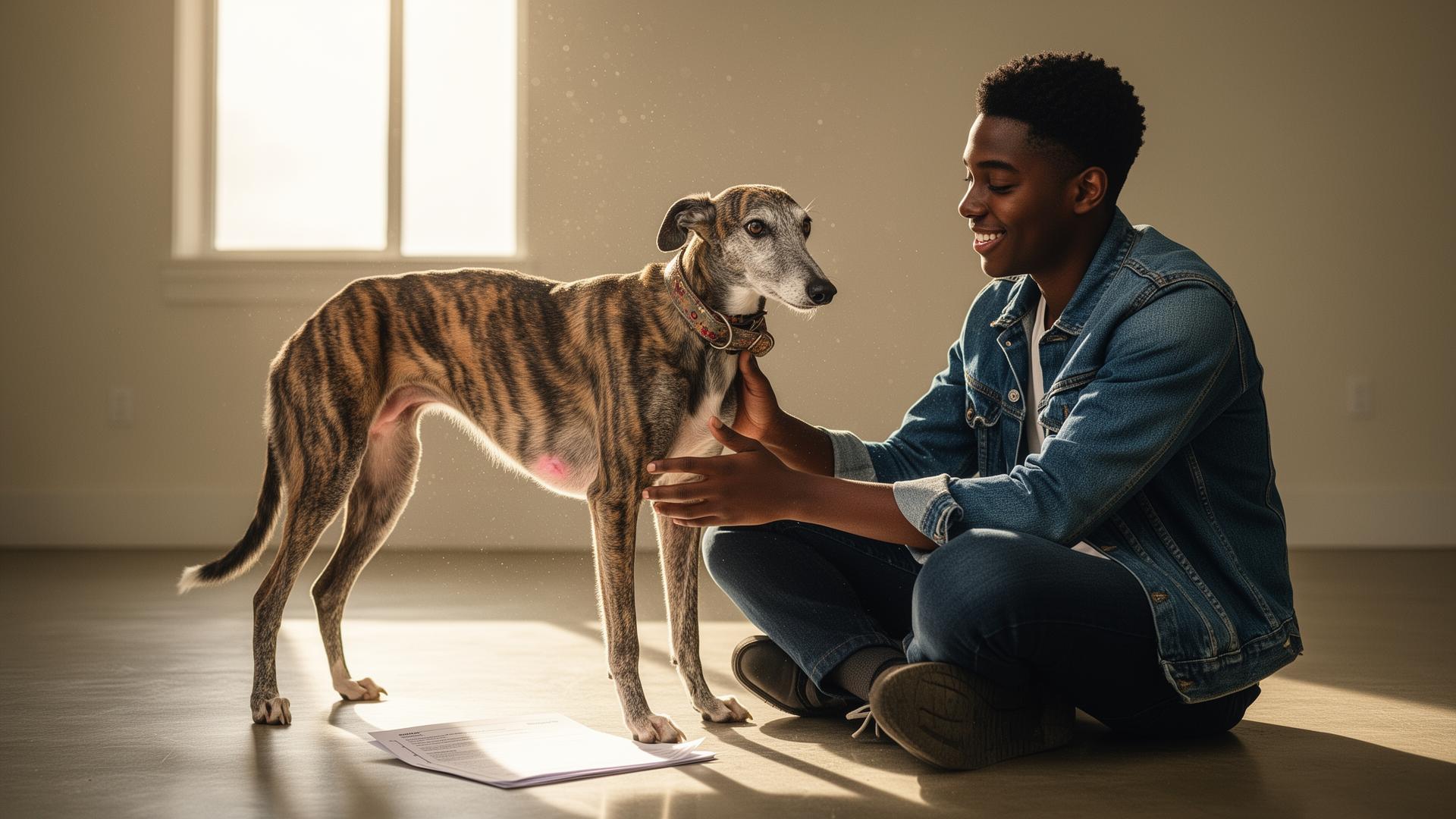
7. Check for outside accreditation
National frameworks like the Association for Animal Welfare Advancement, the Shelter Animals Count database, and the ASPCA''s shelter standards exist precisely because state-level oversight is thin. A rescue that voluntarily reports intake/outcome data to Shelter Animals Count is one that expects to be audited. That''s exactly what you want.
If you''re a shelter or municipality transferring dogs out
The Napa–Miranda''s pipeline worked because no one in the sending county physically verified what happened to the dogs after they were loaded onto the transport van. In 2026, that is no longer defensible. Best practice:
- Require photo + adopter signature + microchip transfer confirmation for every "adopted" outcome reported back to you.
- Conduct an annual unannounced site visit to every partner rescue receiving more than 10 dogs a year.
- Cross-reference the partner rescue''s reported outcomes against the Shelter Animals Count public database.
If you''re a regular donor or volunteer, you can ask for the same things. Donor pressure is often the only force a poorly-run rescue actually responds to.
What to do if you suspect a rescue near you
- Document what you''ve seen — photos, dates, names, and any communication you''ve received.
- Report to your county animal control and your state attorney general''s charity bureau. Both have jurisdiction.
- File a complaint with the IRS Form 13909 for tax-exempt status abuse if donations are involved.
- Contact local investigative reporters — every major scandal of this kind, including Miranda''s, broke because volunteers and former adopters talked.
The Humboldt Sheriff''s tip line for the Miranda''s case is 707-445-7251.
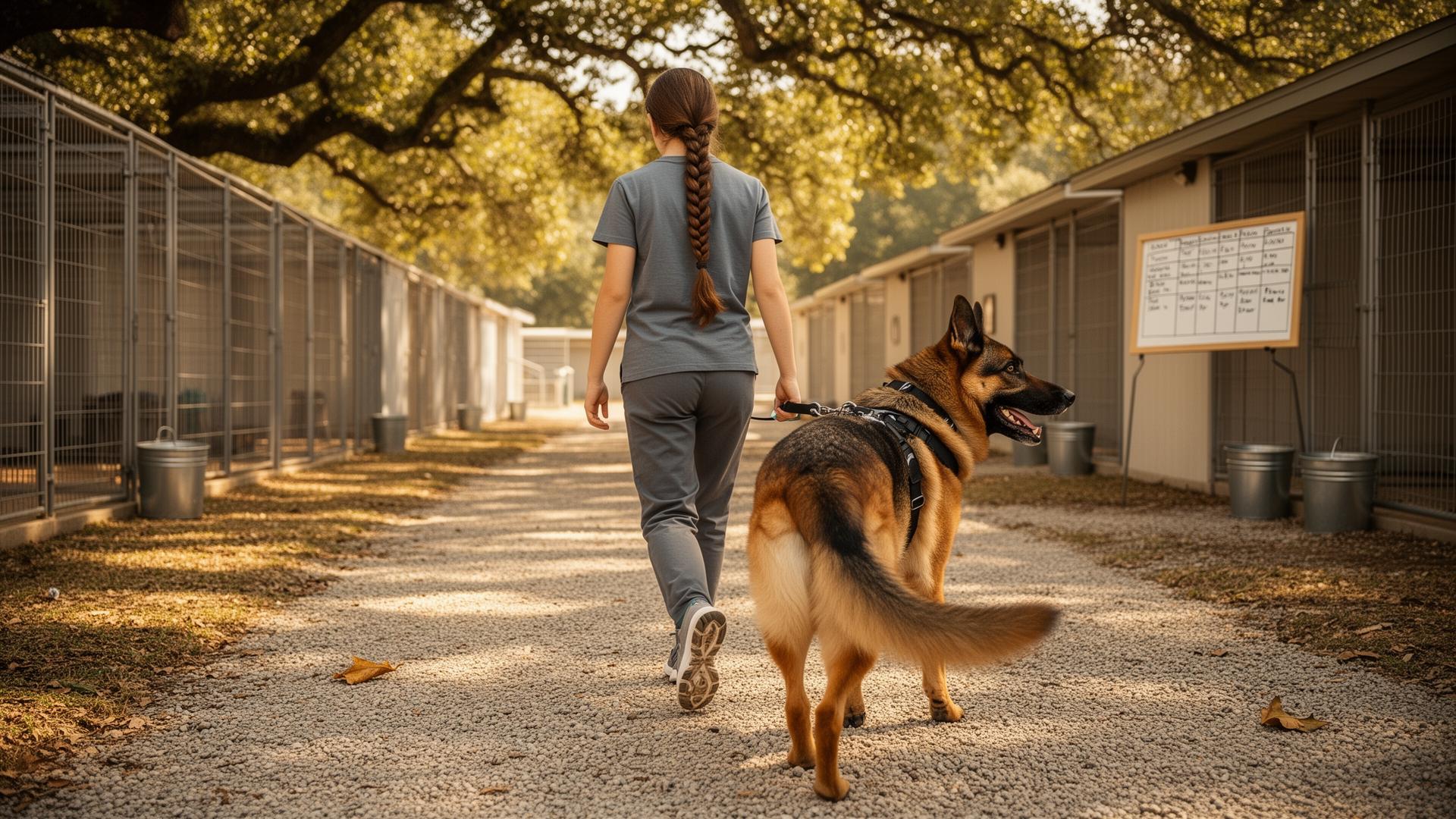
The bigger picture
Most rescues are run by exhausted, overworked, deeply ethical people who pour their savings into other people''s dogs. The Miranda''s case is an outlier — but it''s an outlier that hurt hundreds of dogs and shattered the trust of thousands of donors. The fix isn''t cynicism. It''s a simple, repeatable verification routine that you''d apply to any organization you were about to hand a life to.
And once you''ve found a rescue that passes the checklist, support them loudly. Foster. Donate the unsexy stuff — bleach, paper towels, kennel covers. Walk dogs on Sundays. The rescues doing it right are the ones that make stories like Miranda''s rarer next year than they were this year.
If you want more on dog welfare investigations, see our coverage of the Raaw Energy listeria recall and the new science on why training methods reveal owner ethics. For thinking about smaller, family-scale dogs, our 2026 Pomeranian boom report digs into the breed economics driving today''s adoption market.
Frequently Asked Questions
What happened at Miranda's Rescue in 2026?+
On April 22, 2026 the Humboldt County Sheriff's Office served a search warrant at Miranda's Rescue in Fortuna, CA. By late May, eight dogs had been exhumed from a mass grave on the property and the rescue was under felony investigation for animal cruelty, fraud, and conspiracy.
How can I tell if a dog rescue is legitimate?+
Confirm 501(c)(3) status on IRS Tax Exempt Organization Search, read their most recent Form 990 on ProPublica, call their named veterinary partner, visit the facility (unannounced if possible), demand a written adoption contract with a return clause, and check whether they report data to Shelter Animals Count.
What is a Form 990 and why does it matter for rescues?+
Form 990 is the annual tax return every 501(c)(3) with more than $50,000 in revenue must file with the IRS. It's public. For rescues, look for veterinary spending of 30–60% of total expenses, and confirm intake numbers roughly match adoption numbers — a large gap of 'missing' dogs is the single biggest red flag.
What should an adoption contract include?+
A return clause requiring the dog comes back to the rescue if the adoption fails, permission for 30- and 90-day follow-up check-ins, and a copy of the dog's complete vaccine, microchip, and spay/neuter records.
Where do I report a suspicious dog rescue?+
Report to your county animal control and your state attorney general's charity bureau (both have jurisdiction), file IRS Form 13909 if donations are involved, and consider contacting local investigative reporters — most rescue scandals break because volunteers and former adopters speak up.
Sources
Related Reading
Share this story
Pin this to your Healthy Happy Dogs board
Vet-vetted wellness, symptom guides, and senior dog care pins.
Liked this story?
Share it with someone who should read it.
More from Dog Health & Wellness

Cavalier MVD Breakthrough: 3 Tools That Add Years to Their Lives

IVDD Breakthrough: New Protocol Slashes Dachshund Risk by 63%!
