114 Dogs Pulled From a Single RV in Mesquite: Inside the May 2026 Rescue That Shook Nevada
A months-long welfare investigation in southern Nevada ended with 114 dogs removed from a single motorhome and two suspects facing felony animal-cruelty charges. Here is what happened, what the dogs need now, and how to recognize the warning signs of canine hoarding in your own neighborhood.

On the afternoon of Tuesday, May 19, 2026, officers with the Mesquite Police Department and the city's Animal Control Division opened the door of a parked recreational vehicle in a quiet desert subdivision an hour northeast of Las Vegas — and walked into one of the largest single-vehicle hoarding cases the state has ever recorded.
Inside that RV, investigators counted 114 dogs. Chihuahuas curled under bench seats. Dachshunds nesting in cabinets. A pregnant pit bull mix shivering in the bathroom. The air, according to the Las Vegas Review-Journal's reporting, was thick enough with ammonia that responding officers rotated out in shifts.
By the end of the week, two suspects — Giustino Laudanda and Michelle Santos — were in custody on multiple felony animal-cruelty counts, and the small Mesquite Animal Shelter had received roughly $30,000 in emergency donations to care for an intake that nearly tripled its normal population overnight.
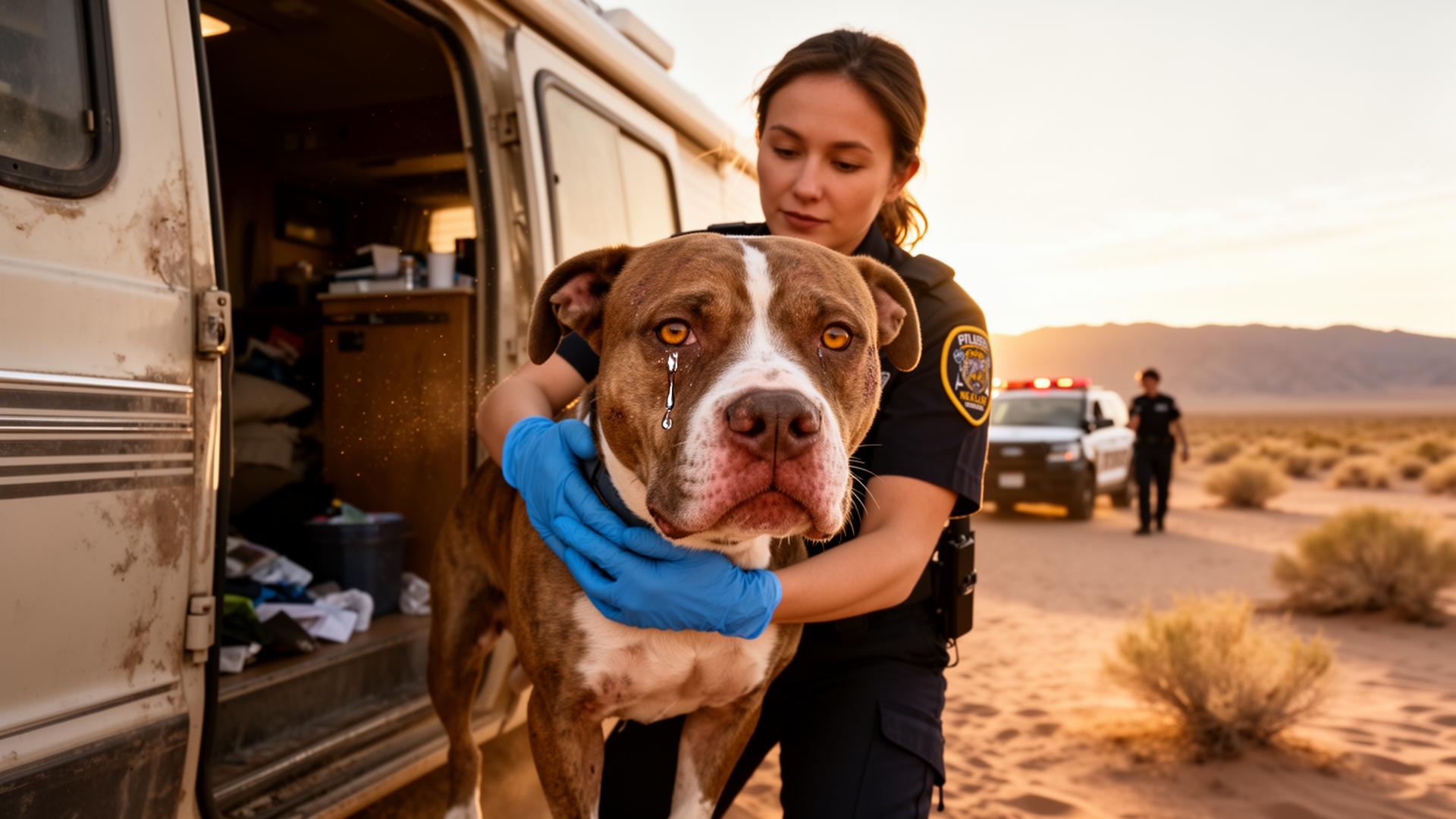 A Mesquite Animal Control officer carries one of the 114 dogs out of the RV during the May 19 rescue. Photo: editorial illustration.
How the case was discovered
According to a statement from KDXU News, the investigation actually started months earlier, when neighbors reported persistent barking and a strong odor coming from the parked RV. Officers stopped the vehicle once in late April after a routine traffic complaint — and noticed multiple small dogs visible through the windshield.
That single traffic stop triggered a coordinated welfare investigation involving:
- The Mesquite Police Department
- Mesquite Animal Control
- City code enforcement
- Volunteer responders from regional rescues
When the warrant was served on May 19, the numbers were worse than anyone expected. Initial press releases reported 77 dogs; by the next morning, after a full sweep of every cabinet, drawer, and storage compartment, the count had climbed to 114.
What the dogs were living with
 Documentary reconstruction of conditions inside a hoarding-case RV: scattered kibble, an empty water bowl, dogs stacked in any available nook.
Shelter veterinarians who triaged the intake described a depressingly familiar pattern. Most of the dogs were small breeds and toy crosses — Chihuahuas, Dachshunds, Shih Tzu mixes, Yorkie mixes — the same demographic that fills hoarding cases across the country because they are easy to acquire, easy to hide, and reproduce quickly.
Common findings on intake exams included:
- Severe dental disease — tartar so advanced that teeth had to be extracted on dozens of dogs
- Matted coats binding limbs and tails, requiring full shave-downs
- Untreated skin infections from urine scald and prolonged dampness
- Eye and ear infections, several already vision-threatening
- Heavy intestinal parasite loads — hookworm, roundworm, giardia
- At least one pregnant female and several intact males, suggesting ongoing, uncontrolled breeding inside the vehicle
None of the dogs were microchipped. None had verifiable vaccine records.
This is not an isolated profile. Just three days later, Florida authorities pulled 51 underweight, parasite-ridden dogs from a single Palm Coast home — and a Northern California "rescue" is currently under criminal investigation in Humboldt County after 105 dogs transferred there from Napa County could not be accounted for.
Triage at a 50-kennel shelter that suddenly needed 200
The Mesquite Animal Shelter normally houses about 40–50 dogs at a time. Tuesday night, that number jumped to nearly 165, after the new arrivals were combined with existing residents.
 A volunteer veterinarian performs an intake exam on a hoarding-case Shih Tzu mix. Each dog received a numbered collar, full physical, and parasite screen.
The shelter's triage protocol, as described to FOX5 Las Vegas, followed the same blueprint that the ASPCA Field Investigations and Response team has published for large-scale cruelty cases:
- Photograph and number every animal before it leaves the scene.
- Physical exam + parasite screen on intake.
- Isolation housing for 10–14 days to contain disease spread (parvo, distemper, kennel cough). This is exactly the protocol Snohomish County is now rolling out during its active 2026 parvo outbreak.
- Behavioral assessment by week two — many hoarding-case dogs have never walked on grass or seen a leash.
- Spay/neuter before any adoption release, no exceptions.
- Microchip + DA2PP + rabies vaccination logged to a state registry.
That is roughly $300–$600 of veterinary care per dog, which is why donations matter as much as adopters in the first 60 days of any case like this one.
The criminal charges
Court records cited by the Nevada Globe show that Laudanda and Santos were each booked on multiple counts of felony willful and malicious torture or unjustified injury of an animal under Nevada Revised Statute §574.100. Each felony count carries a potential 1–4 year prison sentence and fines up to $5,000.
Two factors elevated this from a misdemeanor neglect case to a felony:
- The sheer scale of the operation (Nevada law treats willful neglect of multiple animals as an aggravating factor).
- Evidence of commercial intent — investigators found unregistered breeding records and online sale listings on the suspects' devices, suggesting the RV functioned as a mobile, unlicensed puppy mill.
This pattern — unlicensed micro-breeders quietly running out of vehicles, garages, and storage units — is what consumer advocates and shelter groups warned would explode after the 2024–2025 surge in demand for designer toy breeds. (We covered the consumer side of that surge in our 2026 Pomeranian boom report.)
How to spot a hoarding or backyard-breeding situation
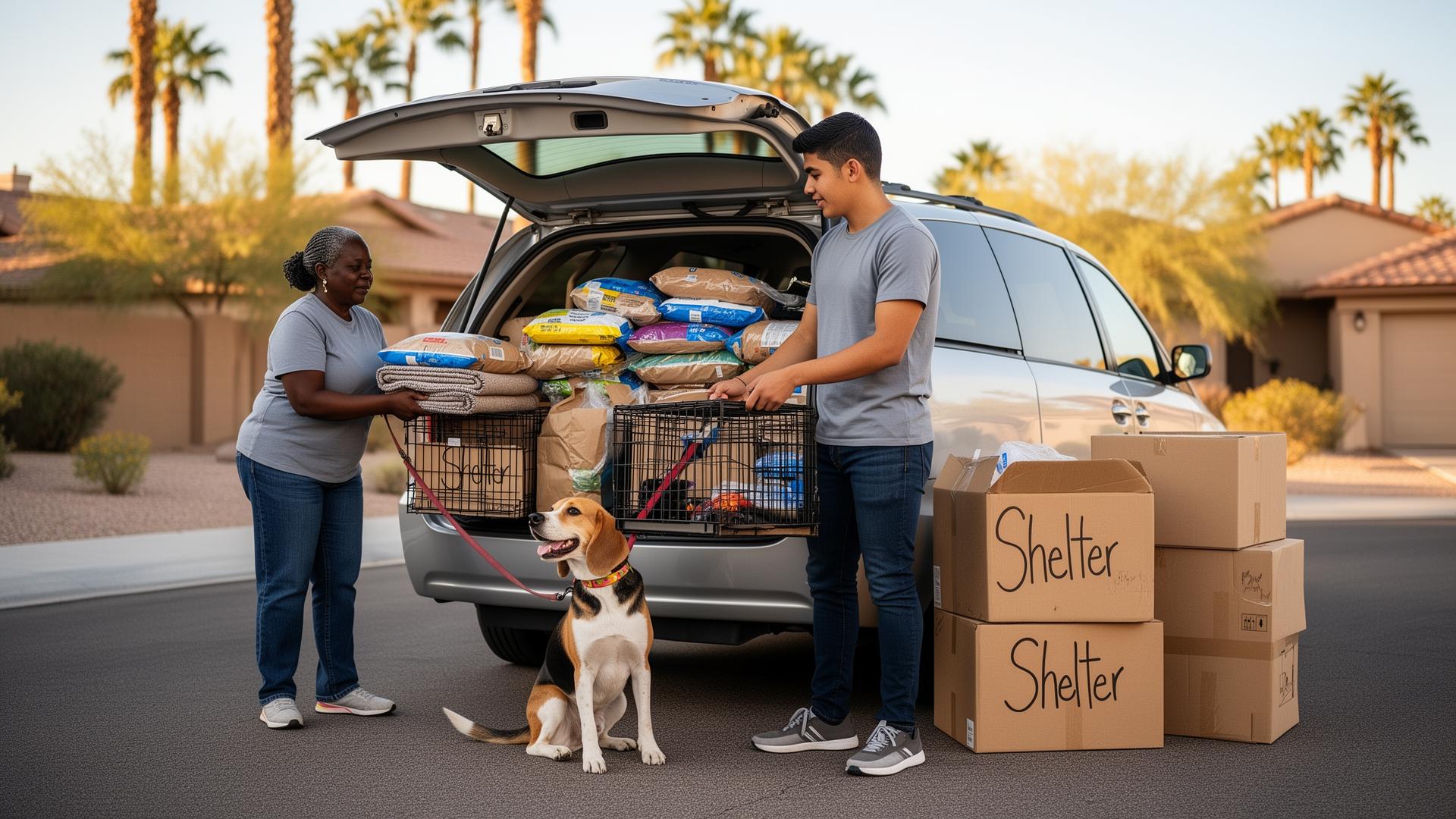 Mesquite residents dropped off more than $30,000 in food, crates, and supplies in the 72 hours after the rescue.
The Mesquite case did not go undetected because neighbors were uncaring — it went undetected because most people do not know what to report or who to call. Veterinary forensic specialists and the Humane Society of the United States recommend looking for the following signs at any residence, RV, garage, or outbuilding:
- A persistent strong odor of ammonia or feces, especially in heat.
- Multiple dogs visible through the windows of a vehicle or shed, especially the same breed or age range.
- Sounds of constant barking at odd hours.
- No outdoor exercise — dogs are never walked, only briefly let out into a fenced area.
- Owners who refuse to let visitors inside even for repairs or deliveries.
- Online sale listings offering many puppies of the same breed, with cash-only meetups in parking lots.
If you see two or more of these, the right call in the United States is your local animal control or non-emergency police line — not 911 unless an animal is in immediate, visible distress. Provide an address, a date, and concrete observations. You do not have to give your name.
What happens to the 114 dogs now
As of publication, all 114 dogs remain in the custody of Mesquite Animal Shelter as evidence in an active criminal case — meaning they cannot be adopted out until either the suspects sign over ownership or a judge orders forfeiture. That process typically takes 30–90 days.
When adoptions do open, expect the shelter to:
- Charge a normal adoption fee (likely waived for senior dogs).
- Require home checks for the small and medium-sized dogs.
- Send most of the small breeds out through rescue transport partners to California, Oregon, and Utah, where demand for small-breed adoptees outpaces supply.
If you are not in southern Nevada but want to help, the shelter is currently accepting online donations, and Nevada-based 501(c)(3)s like Vegas Pet Rescue Project and A Home 4 Spot have stepped up to absorb medical and transport costs.
The bigger picture
Three of the biggest dog stories of May 2026 — the Mesquite RV, the Florida house, and the Humboldt rescue investigation — all point at the same uncomfortable truth: demand for cheap, easily acquired small dogs is outpacing the welfare infrastructure built to protect them.
That is why due diligence on your end matters before any puppy purchase: ask for the breeder's USDA license number, request to see the mother on the property, and walk away from any seller who insists on a parking-lot handoff. If you would rather skip the breeder question entirely, our puppy-training fundamentals guide starts with rescue-friendly dogs who often arrive having survived exactly the kind of conditions described above.
The 114 dogs from Mesquite will, with luck and a few thousand volunteer hours, end up sleeping on couches in homes from Reno to Salt Lake City by midsummer. The real win, though, is the next 114 — the ones still inside a vehicle somewhere, that someone hasn't called in yet.
Frequently Asked Questions
How many dogs were rescued from the Mesquite RV?+
114 dogs in total were removed from a single recreational vehicle on May 19, 2026. Initial reports cited 77; the final count rose as officers searched every cabinet and storage compartment.
Who has been charged in the Mesquite dog rescue case?+
Giustino Laudanda and Michelle Santos were taken into custody and each face multiple felony counts of willful and malicious unjustified injury of an animal under Nevada Revised Statute §574.100.
Can I adopt one of the rescued dogs?+
Not yet. The dogs are evidence in an active criminal case and cannot be adopted until ownership is forfeited, which typically takes 30–90 days. Mesquite Animal Shelter will publish adoption availability when the legal hold is lifted.
How can I help if I do not live in Nevada?+
Mesquite Animal Shelter is accepting online monetary donations, and Nevada-based 501(c)(3) partners such as Vegas Pet Rescue Project and A Home 4 Spot are absorbing medical and transport costs to send dogs to out-of-state adopters.
What are the warning signs of a dog-hoarding situation in my neighborhood?+
Persistent ammonia or feces odor, multiple dogs visible through vehicle or shed windows, constant barking at odd hours, no outdoor exercise, owners refusing to let anyone inside, and online listings selling many puppies of the same breed with cash-only parking-lot meetups.
Sources
Related Reading
Share this story
Pin this to your Healthy Happy Dogs board
Vet-vetted wellness, symptom guides, and senior dog care pins.
Liked this story?
Share it with someone who should read it.
More from Dog Health & Wellness

Cavalier MVD Breakthrough: 3 Tools That Add Years to Their Lives

IVDD Breakthrough: New Protocol Slashes Dachshund Risk by 63%!
