Bugging Out! Why Insect-Based Dog Food is 2026's Hottest Trend
Move over, chicken and beef! In 2026, insect protein dog food, particularly from black soldier fly larvae, is revolutionizing pet nutrition. This article dives into the latest scientific data, sustainability benefits, and how it's becoming a game-changer for dogs with allergies.

Quick Summary
- Revolutionary Digestibility: New University of Illinois and FEDIAF data confirm black soldier fly larvae meal matches chicken for amino acid availability.
- Allergy Relief: A novel protein source, it's proving highly effective for dogs with common food sensitivities, like Weimaraners with chronic ear infections.
- Eco-Friendly Choice: Significantly lower land, water, and carbon footprint compared to traditional livestock proteins.
- Smart Label Reading: Learn to identify high-quality insect protein kibble and avoid filler-heavy brands.
- Vet-Approved Transition: A gradual 10-day transition plan ensures smooth dietary changes for your pup.
Welcome to 2026, where the pet food aisle looks a little different. Nestled amongst the familiar bags of salmon and lamb is a rising star that's got tails wagging and veterinary nutritionists nodding in approval: insect protein dog food. Specifically, we're talking about kibble powered by black soldier fly larvae (BSFL). If the idea of your beloved canine companion chowing down on bugs seems a bit… unconventional, prepare to have your mind, and perhaps your dog's sensitive tummy, changed. This isn't just a quirky trend; it's a scientifically backed, environmentally sound, and increasingly popular solution for a multitude of modern pet health and sustainability challenges.
For years, pet owners have grappled with finding novel protein sources for dogs plagued by food allergies and sensitivities. The endless cycle of paw licking, incessant scratching, and recurring ear infections often leads back to common culprits like beef, chicken, or dairy. Meanwhile, the environmental impact of traditional livestock farming has prompted a global search for more sustainable protein alternatives. Enter black soldier fly larvae, poised to disrupt the pet food industry in the best possible way.
Today, August 7, 2026, marks a pivotal moment in this evolving landscape. New, groundbreaking digestibility data from the University of Illinois, corroborated by the European Pet Food Industry Federation (FEDIAF), has solidified what many pet food innovators have long suspected: black soldier fly larvae meal isn't just "good enough"; it's just as good as chicken for amino acid availability. This isn't merely anecdotal evidence; it's robust scientific validation that positions BSFL as a premium, highly digestible protein source. This revelation is a game-changer, providing the concrete evidence veterinary professionals and discerning pet owners have been seeking.
The Allergy Epidemic: A Quest for Novel Proteins
It feels like every other dog walking down the street these days has a sensitive stomach or itchy skin. Food allergies and intolerances are on the rise, manifesting in frustrating symptoms from chronic ear infections and skin rashes to gastrointestinal upset. For many years, the go-to solution for veterinary dermatologists and nutritionists has been an elimination diet using less common proteins like duck, venison, or kangaroo. While effective for some, these options can be costly, environmentally impactful, and sometimes still trigger reactions if the dog has multiple sensitivities or cross-reactivity issues.
The beauty of black soldier fly larvae as a novel protein lies in its biological distance from typical allergens. Dogs accustomed to beef, poultry, or lamb are highly unlikely to have been exposed to insect protein before, making it an ideal candidate for elimination trials. We're seeing remarkable success stories, like that of Juno, a beautiful silver Weimaraner from Boulder, Colorado. For two agonizing years, Juno suffered from recurring yeasty ears and relentless paw-licking. Her owner had tried countless special diets, medications, and environmental allergy protocols with only temporary relief.
Under the careful supervision of a veterinary dermatologist, Juno embarked on an eight-week elimination trial using an insect protein-based kibble. The transformation was profound. Within weeks, her ears began to clear, the incessant paw-licking ceased, and her coat regained its luster. Juno's story is not unique; it's a testament to the power of a truly novel protein for dogs who react to the usual suspects. This isn't a magic bullet for all allergies, but for food-triggered sensitivities, it's proving to be an invaluable tool in a veterinarian's arsenal.
 For many dogs, insect protein offers a much-needed reprieve from persistent itching and discomfort caused by traditional protein allergies.
Why Black Soldier Fly Larvae (BSFL) are the Star
Not all insect proteins are created equal, and black soldier fly larvae have emerged as the industry leader for several compelling reasons:
- Nutritional Powerhouse: They boast a complete amino acid profile, high in protein, healthy fats, and essential minerals like calcium and phosphorus. The recent University of Illinois and FEDIAF studies confirm their exceptional digestibility and bioavailability of these crucial nutrients, putting them on par with high-quality chicken meal.
- Palatability: Surprisingly, most dogs readily accept and even enjoy the taste of BSFL-based kibble. The flavor is often described as nutty or earthy, far from what you might imagine.
- Sustainability Superstars: This is where BSFL truly shines. Their farming requires significantly less land, water, and generates a fraction of the greenhouse gas emissions compared to traditional livestock. We'll delve deeper into the honest sustainability math shortly.
- Minimal Allergen Risk: As a truly novel protein, they present a much lower risk of triggering allergic reactions in sensitive dogs.
The Honest Sustainability Math: Why Insects Win
Environmental impact is no longer a niche concern; it's a global imperative. Pet ownership, while incredibly rewarding, does carry an ecological footprint. The production of traditional meat proteins for pet food contributes significantly to land degradation, water consumption, and greenhouse gas emissions. Here's a stark comparison of the environmental advantages of black soldier fly larvae protein versus beef:
- Land Use: To produce one kilogram of protein, beef requires vast tracts of land for grazing and feed crops. Black soldier fly larvae, conversely, can be farmed vertically in urban or industrial settings, using a fraction of the land – often repurposing food waste streams as their feed.
- Water Consumption: Cattle farming is notoriously water-intensive. Rearing BSFL uses dramatically less water, primarily for hydration and cleaning, not for growing vast quantities of feed crops.
- Carbon Footprint: The methane emissions from cattle are a major contributor to greenhouse gases. BSFL production generates minimal greenhouse gases, offering a significantly lower carbon footprint per kilogram of protein. This isn't just a marginal improvement; it's an order of magnitude difference that makes insect protein a truly sustainable alternative.
These aren't just feel-good statistics; they represent tangible, measurable reductions in environmental strain. Choosing insect-based dog food isn't just good for your dog; it's a conscious decision that benefits the planet.
AAFCO, Labeling Rules, and State Restrictions in 2026
As insect protein gains traction, regulatory bodies are adapting. In the U.S., the Association of American Feed Control Officials (AAFCO) plays a crucial role in defining pet food ingredients and ensuring nutritional adequacy. By 2026, AAFCO has established clear definitions for insect-based ingredients, including "Dried Black Soldier Fly Larvae Meal" and "Black Soldier Fly Larvae Oil," allowing them to be properly listed on pet food labels.
However, it's important to note that while AAFCO provides guidelines, individual states still hold authority over pet food regulations. While the vast majority of U.S. states now permit the inclusion of insect ingredients, a few outliers still have restrictions or are in the process of updating their legislation. Before purchasing, especially if you live in a state with historically stricter pet food laws, a quick check of your state's Department of Agriculture website or consulting with your local pet food retailer is advisable. This landscape is rapidly evolving, with most remaining restrictions expected to be phased out by late 2026 as the benefits and safety of insect protein become even more widely recognized.
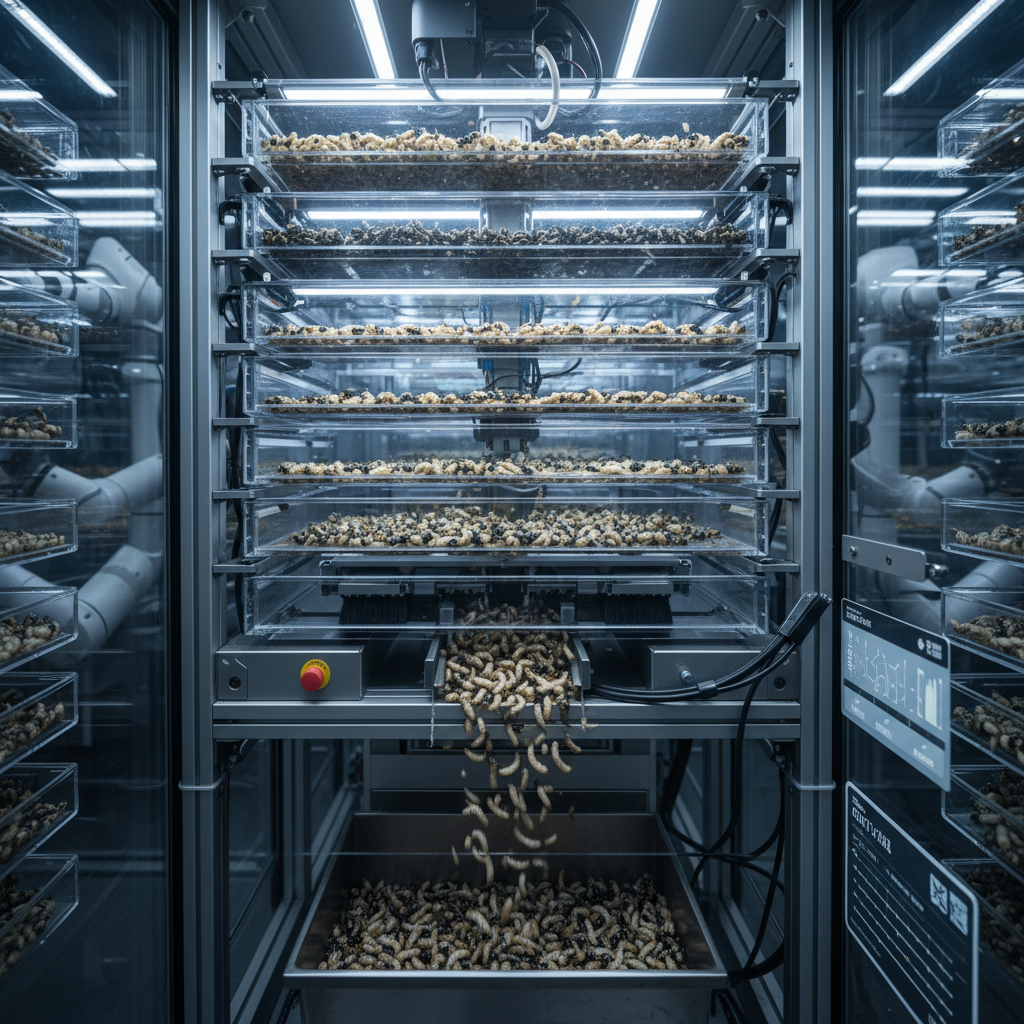 Black soldier fly larvae are efficiently farmed, converting organic waste into high-quality protein with minimal environmental impact.
How to Read a Larvae-Based Label and Spot Filler-Heavy Brands
Just like with any other pet food, not all insect protein kibbles are created equal. Savvy pet owners need to become expert label readers to ensure they're getting a high-quality product for their furry friend. Here's what to look for:
- "Black Soldier Fly Larvae Meal" as a Primary Ingredient: This should be one of the first few ingredients listed, indicating it's a significant protein source. Beware of products where insect protein is listed far down the ingredient list, suggesting it's merely a token inclusion.
- Named Fats: Look for "Black Soldier Fly Larvae Oil" or other named animal fats (e.g., chicken fat, salmon oil) rather than generic "animal fat" which can be of unknown origin.
- Whole Food Ingredients: High-quality formulas will include recognizable whole foods like sweet potatoes, peas, or lentils, providing fiber and additional nutrients.
- Avoid Excessive Fillers: Be wary of long lists of highly processed ingredients, artificial colors, flavors, or excessive amounts of corn, wheat, or soy if your dog has sensitivities to these.
- Guaranteed Analysis: Compare protein, fat, and fiber percentages. A high-quality insect protein kibble should have a protein content comparable to other premium animal protein sources.
- AAFCO Statement: Ensure the food has an AAFCO statement confirming it provides "complete and balanced nutrition" for your dog's life stage (e.g., "for maintenance" for adult dogs).
The Transition: A Vet-Approved 10-Day Schedule with Stool-Score Checkpoints
Switching any dog food, especially for sensitive pups, should always be done gradually. A rapid change can lead to gastrointestinal upset. Here's a vet-approved 10-day transition schedule to help your dog adjust smoothly to their new insect-based kibble:
- Days 1-3: 75% old food, 25% new insect protein food.
- Days 4-6: 50% old food, 50% new insect protein food.
- Days 7-9: 25% old food, 75% new insect protein food.
- Day 10 onwards: 100% new insect protein food.
Throughout this process, monitor your dog's stool quality closely using a "stool score" chart (often a 1-5 scale, with 3 being ideal firm but not hard). Any significant changes like diarrhea or constipation warrant slowing down the transition or consulting your vet. Hydration is also key; ensure fresh water is always available. If your dog shows signs of discomfort or persistent GI issues, contact your veterinarian.
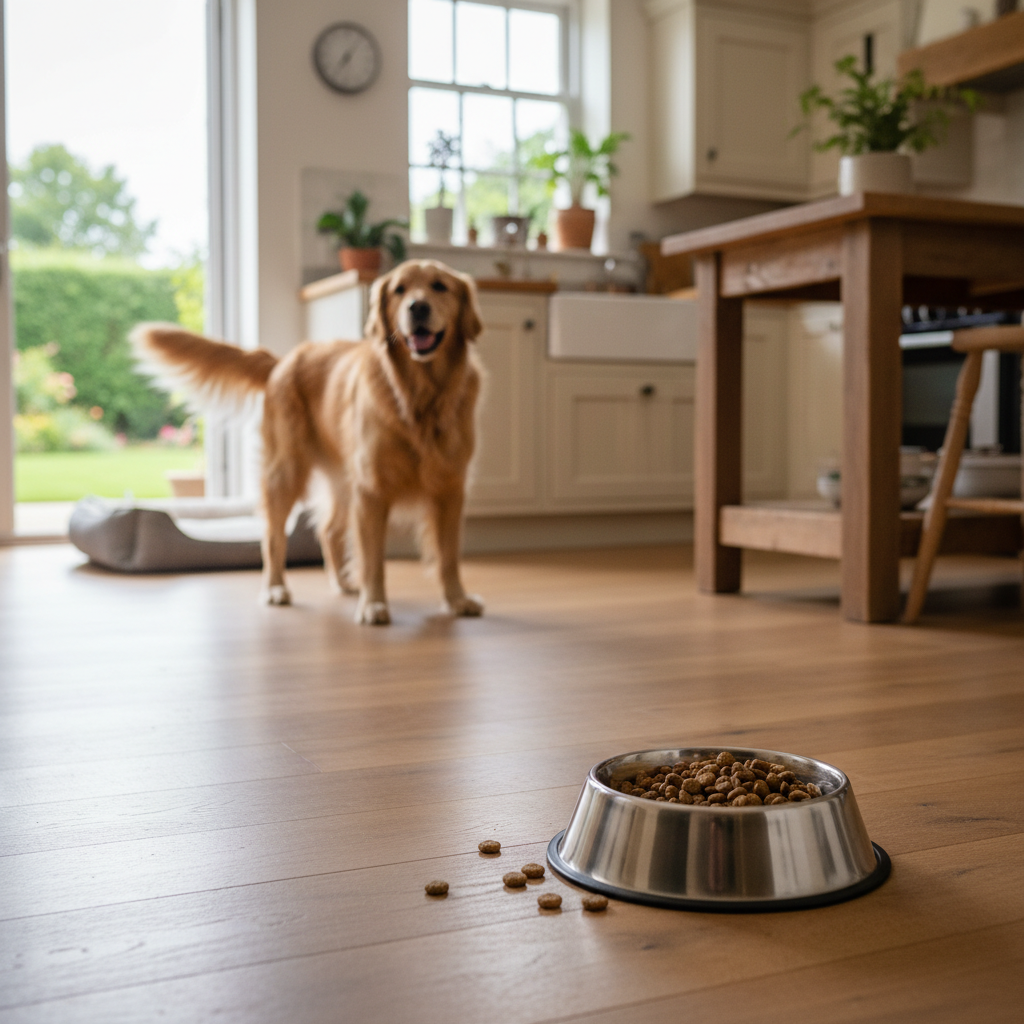 A gradual transition over 10 days helps ensure your dog comfortably adjusts to their new insect-based diet.
Cost per Calorie Reality: Comparing to Fresh and Freeze-Dried Diets
One common misconception is that insect protein dog food is prohibitively expensive. While it might appear pricier than some budget kibbles initially, it often represents excellent value, especially when compared to fresh or freeze-dried raw diets. When you analyze the "cost per calorie" – a more accurate measure of true expense – insect-based kibbles often fall squarely in the mid-to-high range of premium kibbles, making them a more accessible alternative to the very top tier of fresh or raw food options. Given their high digestibility and potential to resolve costly allergy-related veterinary issues, the long-term cost savings can be significant.
The Allergy Cross-Reactivity Question with Shellfish
A question that sometimes arises with insect protein is the potential for cross-reactivity, particularly with shellfish allergies. Both insects and crustaceans (like shrimp, crabs, and lobsters) belong to the phylum Arthropoda, and they share some similar proteins, including tropomyosin. Therefore, theoretically, a dog severely allergic to shellfish could potentially react to insect protein. However, in practice, this cross-reactivity is relatively rare.
Most canine food allergies are to specific animal proteins (e.g., beef, chicken, dairy). If your dog has a known, severe shellfish allergy, it's always best to consult with your veterinarian or a veterinary dermatologist before introducing insect protein. For the vast majority of dogs, this isn't a concern, and the benefits of a novel insect protein outweigh this theoretical risk.
Who Should Not Switch to Insect Protein Dog Food?
While insect protein is a fantastic option for many dogs, it's not universally suitable for every single canine. There are a few specific scenarios where caution or alternative dietary choices are recommended:
- Puppies on Large-Breed Growth Formulas: Large and giant breed puppies have very specific, carefully balanced calcium-to-phosphorus ratios and energy requirements to support healthy skeletal development. While nutritionally sound insect-based puppy formulas exist, it's crucial to ensure any new food specifically meets AAFCO growth requirements for large breeds. Always consult your vet or a veterinary nutritionist before making a switch for these vulnerable puppies.
- Dogs with Kidney Disease: Dogs with advanced kidney disease require highly specialized diets that are precisely controlled for protein, phosphorus, and sodium levels. While insect protein is high-quality, the exact formulation might not meet the stringent requirements for renal diets. Such dogs should remain on veterinarian-prescribed therapeutic diets.
- Dogs with Pancreatitis (Acute or Chronic): Dogs prone to pancreatitis often require very low-fat diets. While BSFL oil is a healthy fat, the overall fat content in some insect-based kibbles might be too high for these sensitive individuals. Always check the fat content and consult your vet.
For any dog with a pre-existing medical condition, a dietary change should always be discussed with your veterinarian first. They can provide tailored advice based on your dog's individual health needs.
The Future is Bug-tastic
The rise of insect protein dog food, particularly black soldier fly larvae kibble, is more than just a passing fad in 2026. It represents a significant leap forward in addressing critical issues in pet health and environmental sustainability. With robust scientific backing on digestibility and amino acid availability, combined with its proven efficacy for dogs with allergies and a dramatically lower ecological footprint, insect protein is cementing its place as a premium, responsible, and increasingly popular choice for pet parents worldwide.
From itchy Weimaraners finding relief to environmentally conscious owners making a tangible difference, the story of insect protein is one of innovation, compassion, and a brighter future for our beloved canine companions and the planet we share. So, don't be surprised if your vet recommends going "bug-tastic" at your next check-up – it might just be the best decision you make for your dog this year!
Frequently Asked Questions
Is insect protein dog food safe for all dogs?+
While safe for most healthy adult dogs, it's not recommended for large-breed puppies, dogs with kidney disease, or those with acute pancreatitis without veterinary consultation due to specific nutritional requirements.
Will my dog actually eat bugs?+
Yes! Most dogs readily accept black soldier fly larvae-based kibble. The flavor is often described as nutty or earthy, and dogs tend to find it very palatable. It's formulated as a complete kibble, not whole insects.
How does insect protein help with dog allergies?+
Black soldier fly larvae are considered a 'novel protein' because most dogs haven't been exposed to them before. This makes them ideal for elimination diets, as they are less likely to trigger allergic reactions in dogs sensitive to common proteins like beef, chicken, or lamb.
Is insect protein dog food really better for the environment?+
Absolutely. Compared to traditional livestock, farming black soldier fly larvae requires significantly less land and water, and produces substantially fewer greenhouse gas emissions, making it a highly sustainable protein source for pet food.
Sources
Related Reading
- Raw Meaty Bones for Dogs: Reigniting the Debate in 2026!
- Bug-Powered Pooches? The Buzz About Insect Protein for Dog Allergies!
- Postbiotics for Dogs in 2026: The Next-Generation Gut Health Breakthrough Vets Say Is Safer & More Effective!
- Bone Broth for Dogs in 2026: The Vet-Backed Superfood Trend for Joint Health, Hydration & Gut Healing
- Aussie Puppy Socialization: The 2026 Breakthrough Saving Lives!
Share this story
The PawPulse Newsroom is a small editorial team of dog owners, trainers, and pet-industry writers reporting on dog health, training, nutrition, and breed trends.
Medically reviewed by PawPulse Veterinary Review Board.
Pin this to your Dog Food & Nutrition board
Feeding charts, fresh-food recipes, and brand comparisons.
Liked this story?
Share it with someone who should read it.
More from Dog Nutrition

Aussie Puppy Socialization: The 2026 Breakthrough Saving Lives!

Shiba Inu Itch Solved! New Protocol Heals Allergies in 78% of Shibas
