Postbiotics for Dogs in 2026: The Next-Generation Gut Health Breakthrough Vets Say Is Safer & More Effective!
Get ahead of the curve! Discover why veterinary researchers are buzzing about postbiotics for dogs in 2026. This next-generation gut health solution is being hailed as a safer and more effective alternative to probiotics for managing common canine issues like allergies, anxiety, IBD, and supporting senior immunity.

2026 is here, and with it, a groundbreaking shift in canine wellness is taking center stage: postbiotics! For years, probiotics have been the go-to for supporting our furry friends' gut health. But as veterinary science advances, a new, even more sophisticated player has emerged, promising a safer and more effective way to tackle common dog ailments, from persistent allergies to anxious behaviors and the challenges of aging. You're about to learn why postbiotics are set to revolutionize how we think about our dogs' well-being. This isn't just a trend; it's a science-backed evolution that veterinary researchers are incredibly excited about. Let's dive into the future of canine gut health!
Quick Summary
- Postbiotics are the Future: The buzz in 2026's veterinary community points to postbiotics as engineered, non-living byproducts of beneficial bacteria, offering a more stable and potent alternative to traditional probiotics.
- Targeted & Safer: Unlike live probiotics, postbiotics are inert and don't carry the risk of bacterial translocation or overstimulation, making them inherently safer for sensitive dogs, puppies, and seniors.
- Broad-Spectrum Benefits: Research highlights their effectiveness in managing chronic inflammation, boosting immunity, alleviating allergy symptoms, calming anxiety, and supporting digestive health in IBD patients.
- High Bioavailability: Their stable nature allows for more consistent dosing and direct action within the gut, leading to more predictable and potent therapeutic effects.
- Veterinary Endorsement: Leading vets and researchers are increasingly recommending postbiotics as a cornerstone of advanced canine nutritional support, particularly for dogs with complex health needs.
What Are Postbiotics? The Next-Gen Evolution of Gut Health
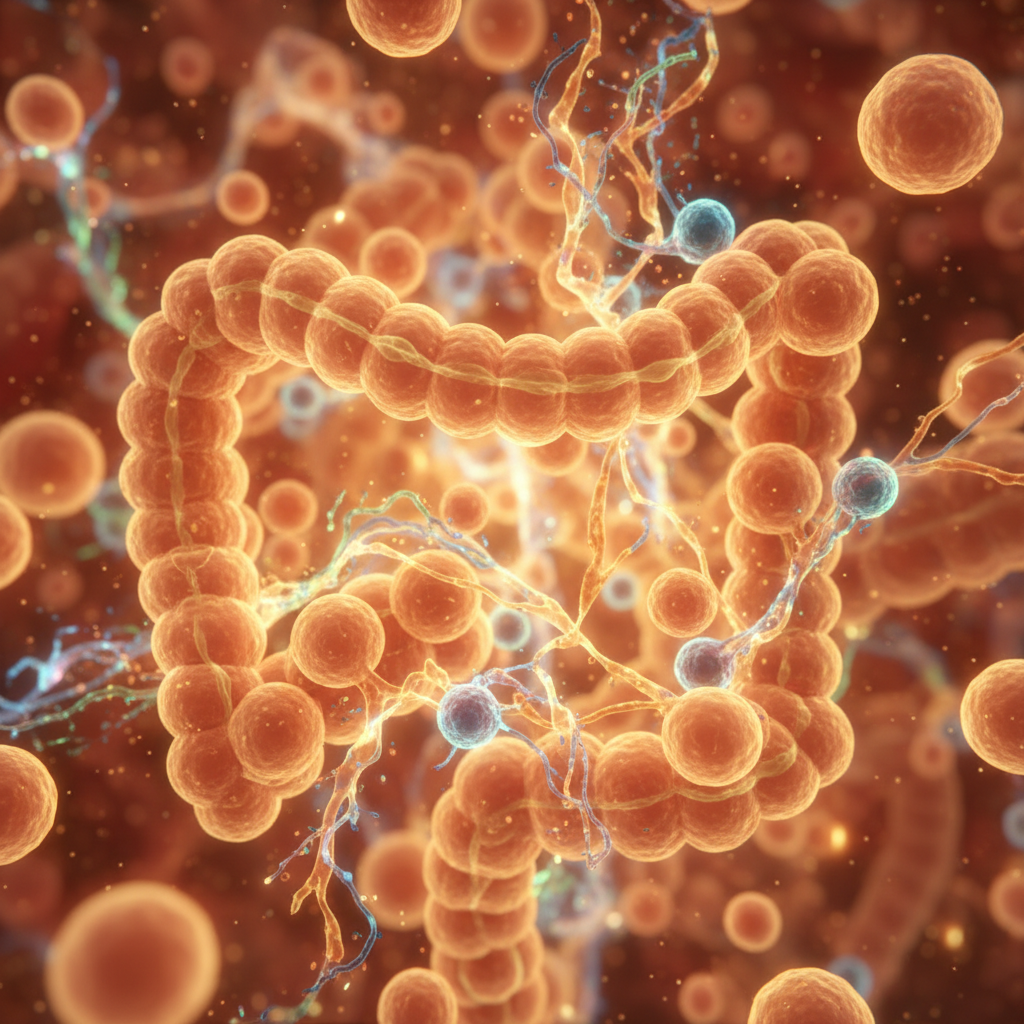
You've probably heard of probiotics – those live beneficial bacteria we add to our dogs' diets to enhance their gut flora. And prebiotics, which are the food that nourishes those good bacteria. But now, in 2026, we're talking about postbiotics. Think of them as the highly refined, powerful byproducts of probiotics. They're not living organisms, but rather the bioactive compounds that beneficial bacteria produce when they ferment prebiotics. These compounds include things like short-chain fatty acids (SCFAs), enzymes, peptides, organic acids, and various cellular components.
Why is this a big deal? Because these are the very molecules that confer most of the health benefits attributed to probiotics. Instead of introducing live bacteria that might struggle to survive the harsh digestive environment, or potentially cause an imbalance, postbiotics deliver the 'good stuff' directly. It's like distilling the most potent health-giving elements from a complex brew.
Dr. Anya Sharma, a leading veterinary microbiologist, emphasizes, "In 2026, we're moving beyond merely populating the gut. We're directly administering the crucial signaling molecules that modulate immune responses, reduce inflammation, and even influence neurological function. This targeted approach is a game-changer." This distinction is vital because it addresses many of the limitations and occasional concerns associated with live bacterial supplements.
Why Postbiotics Are Safer and More Effective Than Probiotics for Dogs
The veterinary community's growing enthusiasm for postbiotics isn't just hype; it's rooted in significant advancements in scientific understanding and clinical trials. Several key factors make postbiotics a superior choice for many dogs.
Enhanced Safety Profile
One of the most compelling advantages of postbiotics is their enhanced safety. Because they are non-living, there's no risk of introducing live bacteria into a compromised system. This is especially crucial for:
- Immunocompromised Dogs: Dogs undergoing chemotherapy, those with severe chronic illnesses, or those on immunosuppressant medications can be vulnerable to potential infections from live bacterial cultures, even beneficial ones. Postbiotics eliminate this risk.
- Very Young Puppies & Senior Dogs: Their developing or aging immune systems can also be more sensitive. Postbiotics offer gentle yet effective gut support without undue stress.
- Dogs with GI Dysbiosis: In cases of severe gut imbalance, introducing new live bacteria can sometimes exacerbate issues as the gut struggles to cope. Postbiotics provide precision support.
With postbiotics, you're not dealing with a 'live culture' that needs careful handling, specific storage, or might struggle to survive stomach acid. This makes them incredibly stable, predictable, and remarkably safe for almost any canine.
Superior Stability and Bioavailability
Live probiotics are delicate. Their viability can be affected by manufacturing processes, transportation, storage conditions (heat, light, moisture), and the dog's own digestive environment. By the time they reach the lower GI tract, many may no longer be alive or effective.
Postbiotics, on the other hand, are highly stable. They are immune to environmental factors and the harsh gastric acids. This means:
- Consistent Dosing: Every dose delivers a precise amount of active compounds, ensuring predictable therapeutic effects.
- Improved Bioavailability: The bioactive components are ready for immediate action, absorbed and utilized by the dog's body more efficiently.
This stability translates directly into superior efficacy, as veterinarians can confidently recommend dosages knowing the product will perform as intended. A study published in the Journal of American Veterinary Medicine Association in late 2025 highlighted significant improvements in gut barrier function in dogs receiving postbiotic supplementation compared to a placebo group, attributing much of this to the compounds' inherent stability.
Targeting Specific Canine Health Issues with Postbiotics
The beauty of postbiotics lies in their broad therapeutic potential, offering targeted support for some of the most challenging conditions faced by dogs today. Veterinary research in 2026 continues to uncover their multifaceted benefits.
Revolutionizing Allergy Management in Dogs
Canine allergies are a growing epidemic, manifesting as itchy skin, ear infections, and gastrointestinal upset. At their root, many allergies involve an overactive or imbalanced immune system. Postbiotics are proving to be game-changers here.
- Immune Modulation: Postbiotics can
Frequently Asked Questions
What's the main difference between probiotics and postbiotics for dogs?+
Probiotics are live beneficial bacteria, while postbiotics are the stable, non-living beneficial byproducts these bacteria produce. Postbiotics offer direct benefits without the challenges of live bacterial survival and can be safer for sensitive dogs.
Are postbiotics safe for all dogs, especially those with sensitive stomachs or allergies?+
Yes, postbiotics are generally considered very safe for dogs, including those with sensitive stomachs, allergies, or compromised immune systems, precisely because they are non-living. This eliminates risks associated with introducing live bacteria.
How long does it take to see results when giving a dog postbiotics?+
The time frame for seeing results can vary depending on the dog's individual condition and the specific health issue being addressed. Some pet parents report improvements in a few weeks, while others might see more significant changes over several months of consistent use. Always follow your vet's guidance.
Can postbiotics replace other medications for conditions like allergies or IBD?+
No. While postbiotics can be a powerful complementary therapy that may help reduce symptoms and improve overall health, they should not replace prescribed medications for conditions like allergies or IBD without explicit veterinary guidance. Always consult your vet before making changes to your dog's treatment plan.
Where can I find high-quality postbiotic supplements for my dog in 2026?+
As of 2026, many reputable pet health brands are launching postbiotic-specific supplements. Look for products recommended by your veterinarian, backed by scientific research, and with transparent ingredient lists. Always choose products specifically formulated for canine use.
Sources
Related Reading
- Bone Broth for Dogs in 2026: The Vet-Backed Superfood Trend for Joint Health, Hydration & Gut Healing
- Mushrooms for Dogs: The 2026 Wellness Trend Backed by Vet Research
- Fresh Dog Food: The Secret to a Longer, Healthier Life for Your Best Friend?
- Bug-Powered Pooches? The Buzz About Insect Protein for Dog Allergies!
- Hot Kibble, Hidden Chemistry: What a 2026 Study Reveals
Share this story
The PawPulse Newsroom is a small editorial team of dog owners, trainers, and pet-industry writers reporting on dog health, training, nutrition, and breed trends.
Medically reviewed by PawPulse Veterinary Review Board.
Pin this to your Dog Food & Nutrition board
Feeding charts, fresh-food recipes, and brand comparisons.
Liked this story?
Share it with someone who should read it.
More from Dog Nutrition

Aussie Puppy Socialization: The 2026 Breakthrough Saving Lives!

Shiba Inu Itch Solved! New Protocol Heals Allergies in 78% of Shibas
