What Makes a Great Detection Dog? The 2026 PheWAS Study on Behavior Genes
A new phenome-wide study of TSA odor detection Labradors links specific gene variants to temperament traits — and the findings could reshape how all working and pet dogs are bred and trained.

If you have ever watched an airport detection dog calmly weave between suitcases — tail wagging, nose twitching, completely unbothered by the chaos — you may have wondered: are they born like that, or trained like that?
A 2026 phenome-wide association study (PheWAS) published in Scientific Reports suggests the answer is: both, but genetics matters more than most owners realize. Researchers analyzed hundreds of Labrador Retrievers from the U.S. Transportation Security Administration (TSA) odor detection program and connected specific DNA variants to measurable temperament traits — boldness, focus, sociability, and even noise tolerance.
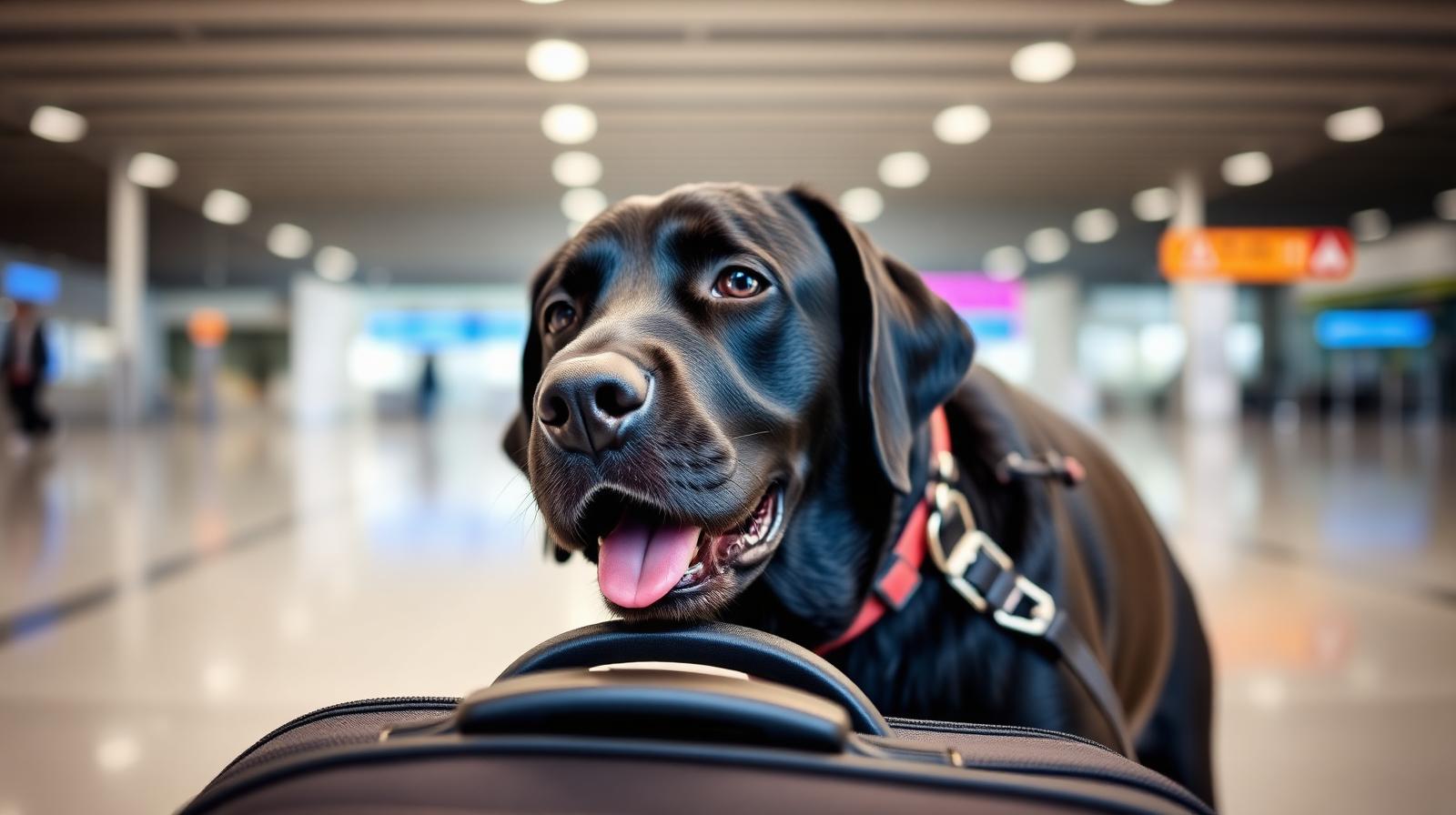 TSA Labradors are bred and selected for one of the most demanding canine jobs on the planet.
What the 2026 PheWAS Study Actually Did
A Phenome-Wide Association Study (PheWAS) flips the usual genetics question. Instead of asking "which genes cause one trait?", it takes a known set of gene variants and asks "how many different traits do they influence?"
The team started with alleles already linked to problem behaviors — fearfulness, distractibility, low motivation — in pet Labradors. Then they tested whether those same variants showed up in the temperament scores of TSA working dogs across the program's standardized behavior battery.
Several variants did. The strongest associations clustered around three areas:
- Reactivity and noise sensitivity — relevant to whether a dog can work in a busy terminal.
- Trainability and biddability — how readily a dog accepts handler cues.
- Persistence on a scent — staying engaged with a target odor instead of getting bored.
Why This Matters Beyond Working Dogs
Most owners will never have a TSA dog. But Labradors are the most popular breed in the U.S. and U.K., and the same variants the PheWAS flagged exist throughout the pet population. If a single allele can shift a working Lab from "calm and focused" toward "easily startled," it can do the same in your living room.
That has real implications for puppy buyers. Choosing a breeder who screens parents for temperament — not just hips and elbows — is starting to look less like a luxury and more like a baseline. It also reframes a lot of so-called "training failures." If you are reading our guide on reward-based vs aversive puppy training, the new research suggests some dogs are genetically wired to respond beautifully to reward-based methods, while others need more patience and structure simply because of the alleles they inherited.
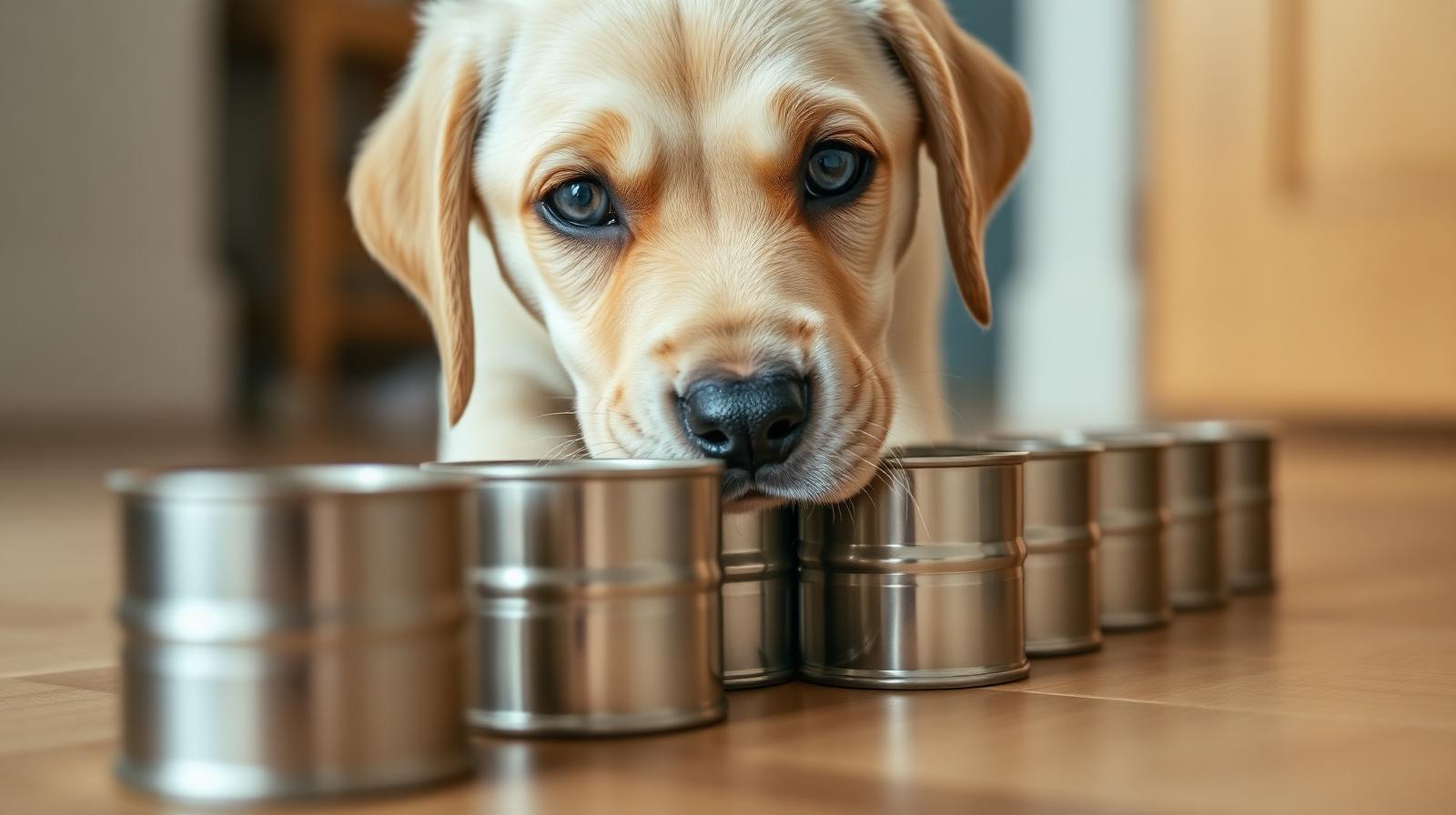 Scent-discrimination drills like this can reveal a puppy's natural focus — a trait the PheWAS study linked to specific gene variants.
Genes Are Not Destiny — Socialization Still Wins
Here is the nuance the headlines miss: even the most genetically gifted detection candidates can wash out of the program if they miss key developmental windows. The PheWAS authors are explicit that environment, especially early socialization, modulates how strongly any gene variant gets expressed in adult behavior.
That lines up with everything modern veterinary behaviorists already say. Our breakdown of the 3–16 week puppy socialization window covers why those few weeks shape adult temperament more than any later training program — and the new genetic data reinforces that early experience is what lets "good genes" actually show up.
The same principle applies to anxiety. The 2026 RVC Generation Pup study on separation anxiety found that puppies left alone for long stretches before 6 months were dramatically more likely to develop lasting separation issues — regardless of breed.
What This Means for Choosing or Raising a Lab
Practical takeaways from the PheWAS work, translated for everyday owners:
- Meet both parents if you can. Temperament is heritable. A confident, sociable mother is a strong signal.
- Ask about wash-out rates. Working-line breeders often track how many puppies make it through training — that data is essentially a temperament audit.
- Front-load socialization. Even a "perfect" genetic profile underperforms without exposure to people, surfaces, sounds, and other dogs in the first 16 weeks.
- Match the dog to your life. A high-drive Lab bred for detection work will not be happy as a couch companion, no matter how many enrichment toys you buy.
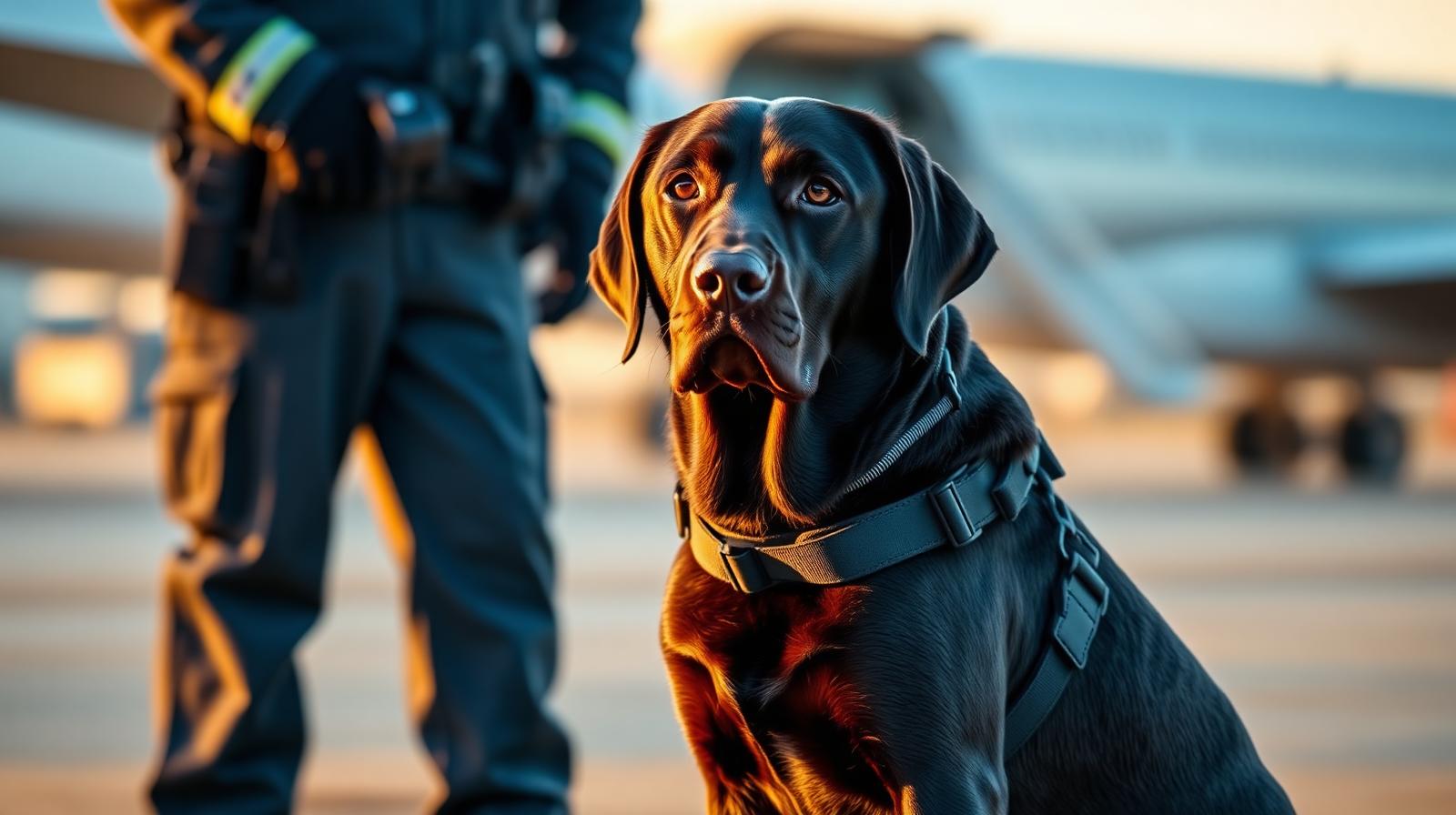 The handler–dog relationship turns genetic potential into reliable real-world performance.
How This Connects to Other Recent Research
The PheWAS study slots neatly alongside other 2026 findings. The Cambridge team's work on Golden Retriever genes and human emotions found overlapping variants associated with anxiety and impulse control across species. And the UBC reversal learning study showed that some breed clades are simply faster at unlearning old rules — another trait that almost certainly has a genetic backbone.
Taken together, these papers point in the same direction: behavior is biology. Training is essential, but it works with — not against — the dog's wiring.
The Bottom Line
The 2026 PheWAS study does not give us a "good detection dog" gene test yet. What it does give us is solid evidence that the temperament differences owners notice between two littermates are not random — and that the same alleles shaping TSA working dogs are quietly shaping the pet Labradors sleeping on couches across the country. Choose your puppy thoughtfully, socialize hard before 16 weeks, and train with the dog you have, not the one you wish you had.
Frequently Asked Questions
Does this study mean I can DNA test my Labrador for trainability?+
Not yet. The PheWAS identifies associations across populations, not a clinical test for individual dogs. Behavior assessments by an experienced trainer are still the most reliable indicator.
Are TSA detection dogs really that different from pet Labradors?+
They come from the same breed, but TSA selects intensively for working traits across generations. Many wash-outs are rehomed as pets — and they are still excellent companions, just not suited to airport work.
If genetics matter so much, does training even help?+
Absolutely. Genes set the range of likely behavior; training and socialization decide where in that range your dog actually lands. Both matter.
What age should I start training a Labrador puppy?+
Right away. Gentle reward-based exposure begins the moment your puppy comes home, ideally within the 3–16 week socialization window.
Are other breeds being studied this way?+
Yes. Similar genetic work is underway in Golden Retrievers, Border Collies, and German Shepherds, and findings across breeds are converging.
Sources
Related Reading
Share this story
Pin this to your Puppy Training 101 board
Force-free training, socialisation, and house-training cheat sheets.
Liked this story?
Share it with someone who should read it.
More from Puppy Training & Behavior

Senior Dog Suddenly Tilting Head? Understanding Canine Vestibular Disease

The 2026 Puppy Revolution: Why Consent Training Changes Everything for Bernese Mountain Dogs
