Lifetime Sports Keep Your Dog's Brain Young: The 2026 ELTE Cognitive Decline Study
New Hungarian research on 858 senior dogs shows that dogs with a lifetime of regular sports — and shared activities with their owner — develop dementia signs much later than couch-bound companions. Toy and mixed breeds benefit the most.

If you have ever wondered whether all those agility classes, weekend hikes, or backyard fetch sessions are actually doing something for your dog beyond burning energy, a new study from ELTE Eötvös Loránd University in Budapest has a clear answer: yes — and the effect appears to last decades.
Published in Frontiers in Veterinary Science in April 2026, the paper followed 858 senior dogs (over 7 years old) from around the world and measured their Canine Cognitive Dysfunction (CCD) scores against their lifetime activity history. The headline result: a lifetime sports career and joint activities with the owner were the two strongest protective factors against age-related cognitive decline — stronger than diet, breed size, or even neuter status.
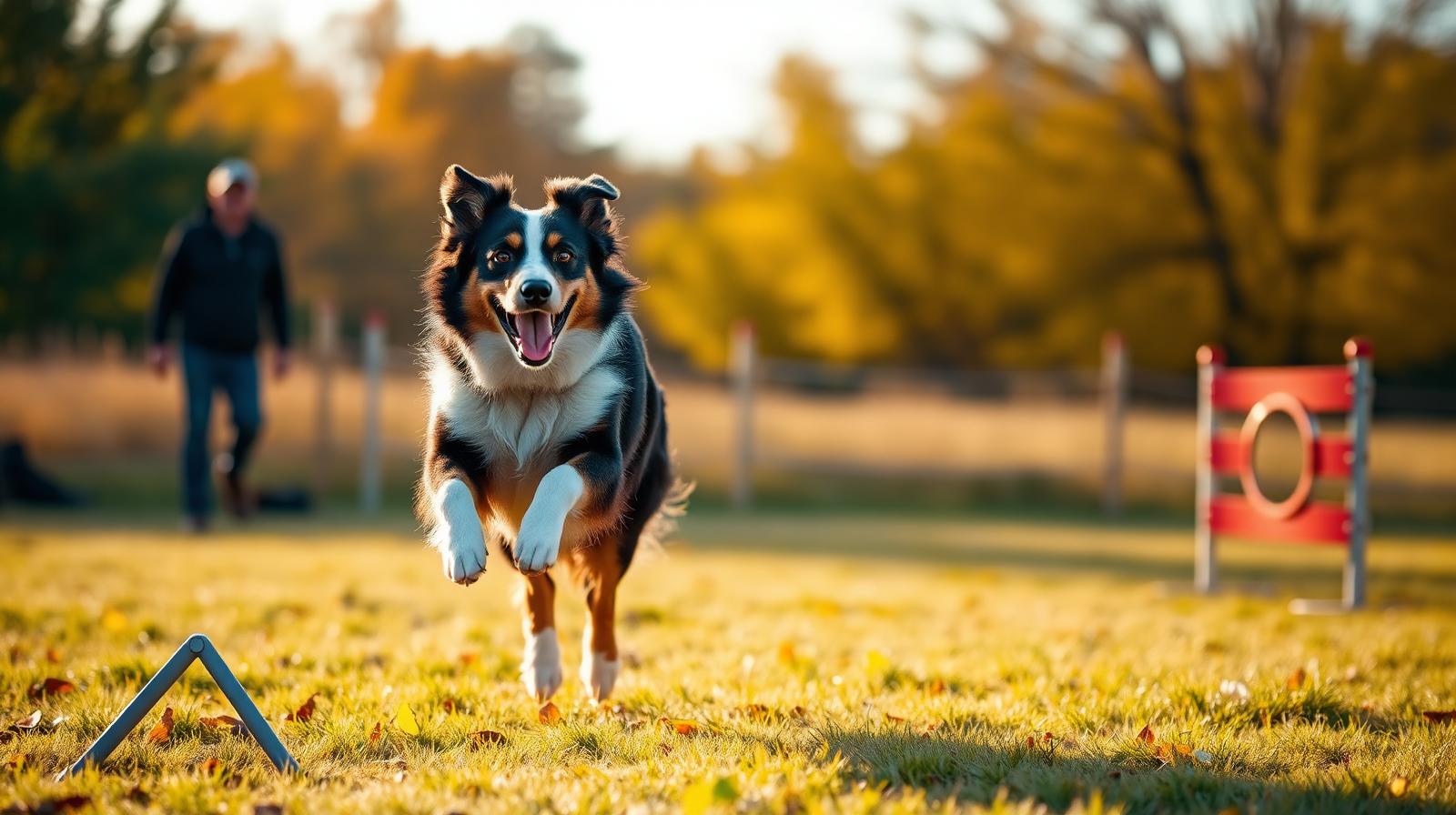 Dogs with a lifelong sports habit — even casual agility, flyball, or fetch — scored markedly better on cognitive aging tests.
What the researchers actually measured
The team used the validated Canine Cognitive Dysfunction Rating Scale (CCDRS), a 13-item owner questionnaire scoring everything from disorientation and aimless wandering to changes in sleep, social interaction, and house-training. Scores run from 13 (sharp as a tack) to 65 (severe dementia); anything over 50 is considered diagnostic CCD.
Owners also reported their dog's functional breed type (cooperative working breeds like collies and retrievers, independent working breeds like terriers and hounds, toy breeds, or mixed breeds), the dog's lifetime sports engagement, the activities they regularly did together, and what the owner had originally prioritised when picking the dog.
The four findings that matter for owners
1. A lifetime sports career was the single biggest protector (p < 0.001)
Dogs that had been involved in regular sport or work — agility, herding, flyball, scent work, dock diving, even competitive obedience — at any point across their adult life had significantly lower CCD scores in old age. This was the strongest association in the entire dataset.
2. Joint activities with the owner mattered almost as much (p = 0.037)
You don't need a podium dog. Owners who reported regular shared activities — long walks, hiking, swimming, training games at home — also had cognitively younger seniors. The relationship was about doing things together, not just exercising the dog.
3. Toy breeds and mixed breeds benefit the MOST from joint activity
This is the surprise. Cooperative and independent working breeds had relatively low CCD scores even when their lifetime activity was modest — their genetics seem to give them a buffer. But toy breeds and mixed-breed dogs, which were never selected for a working role, only stayed mentally sharp when their owners actively engaged them. For these dogs, sitting on the sofa is a brain-aging risk factor.
4. Why you chose your dog matters too
Owners who said health and sound behaviour (p = 0.042) or breeding quality (p = 0.004) drove their choice had cognitively healthier senior dogs. Owners who picked for fashion or rarity? No protective effect at all (p = 0.830).
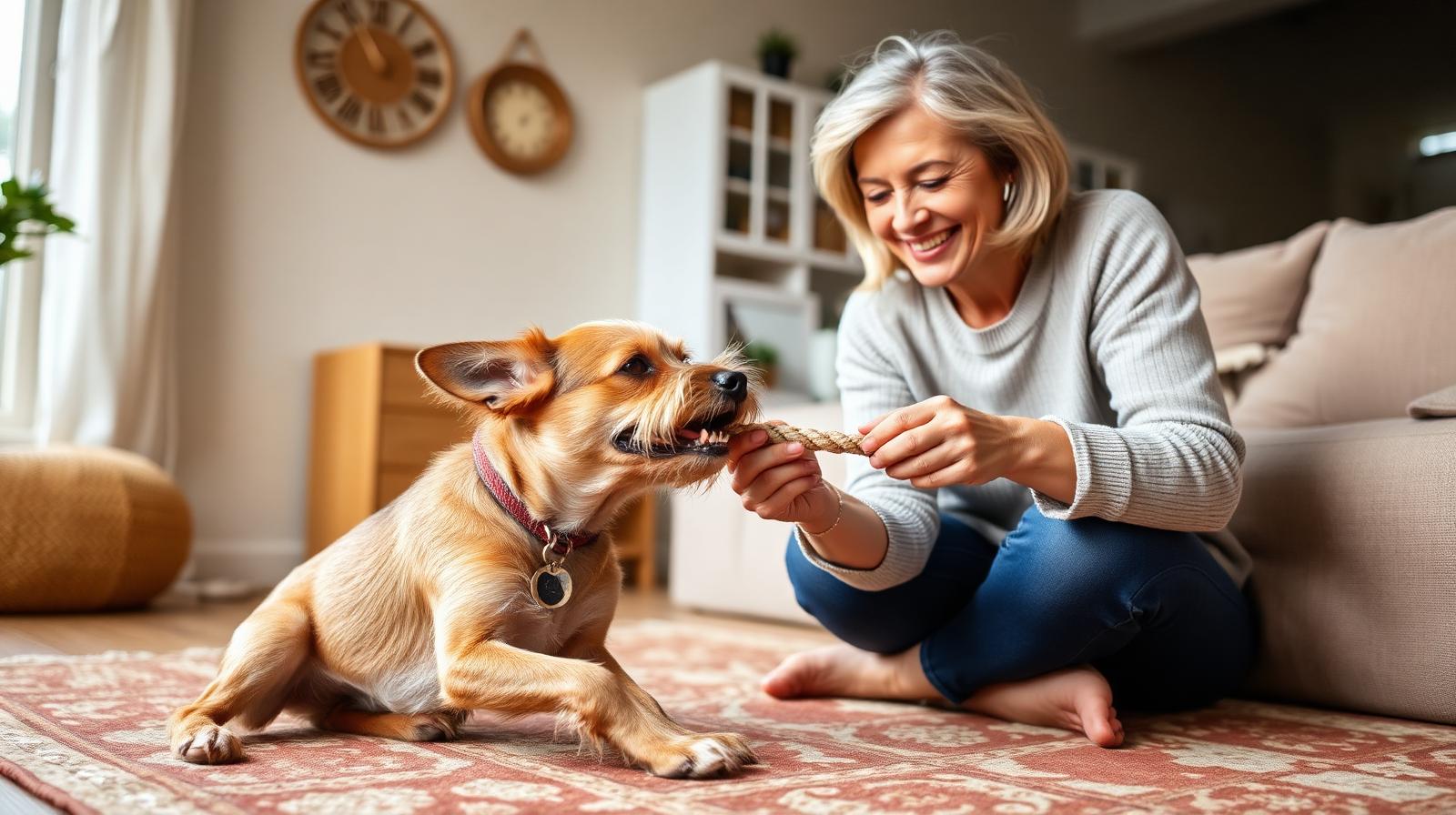 Toy breeds and mixed breeds benefit most from one-on-one play — even simple indoor games like tug count.
How this fits with what we already knew
This is the second large 2026 study to land on the same conclusion from a different angle. The Dog Aging Project's earlier work — covered in our piece on how exercise slows canine cognitive decline — found a robust correlation between physical activity and brain health across more than 10,000 dogs. The ELTE study adds something new: it's not just current activity that matters, it's lifetime activity. The investment compounds.
It also dovetails with the recent 2026 IGF-1 study showing why large-breed dog brains age more slowly than their bodies, and the GSA finding that the same blood biomarkers predict lifespan in dogs and humans. Taken together, they suggest dog dementia behaves a lot like human Alzheimer's — and is similarly modifiable through lifestyle.
What this means for puppy owners — start now
The protective effect comes from lifetime engagement, which means the best time to start is when your dog is young. The same researchers point out that early enrichment also influences temperament — something we cover in the 3–16 week puppy socialisation window and in our breakdown of reward-based training in 2026. A puppy who learns to love working with you is a 12-year-old who still wants to.
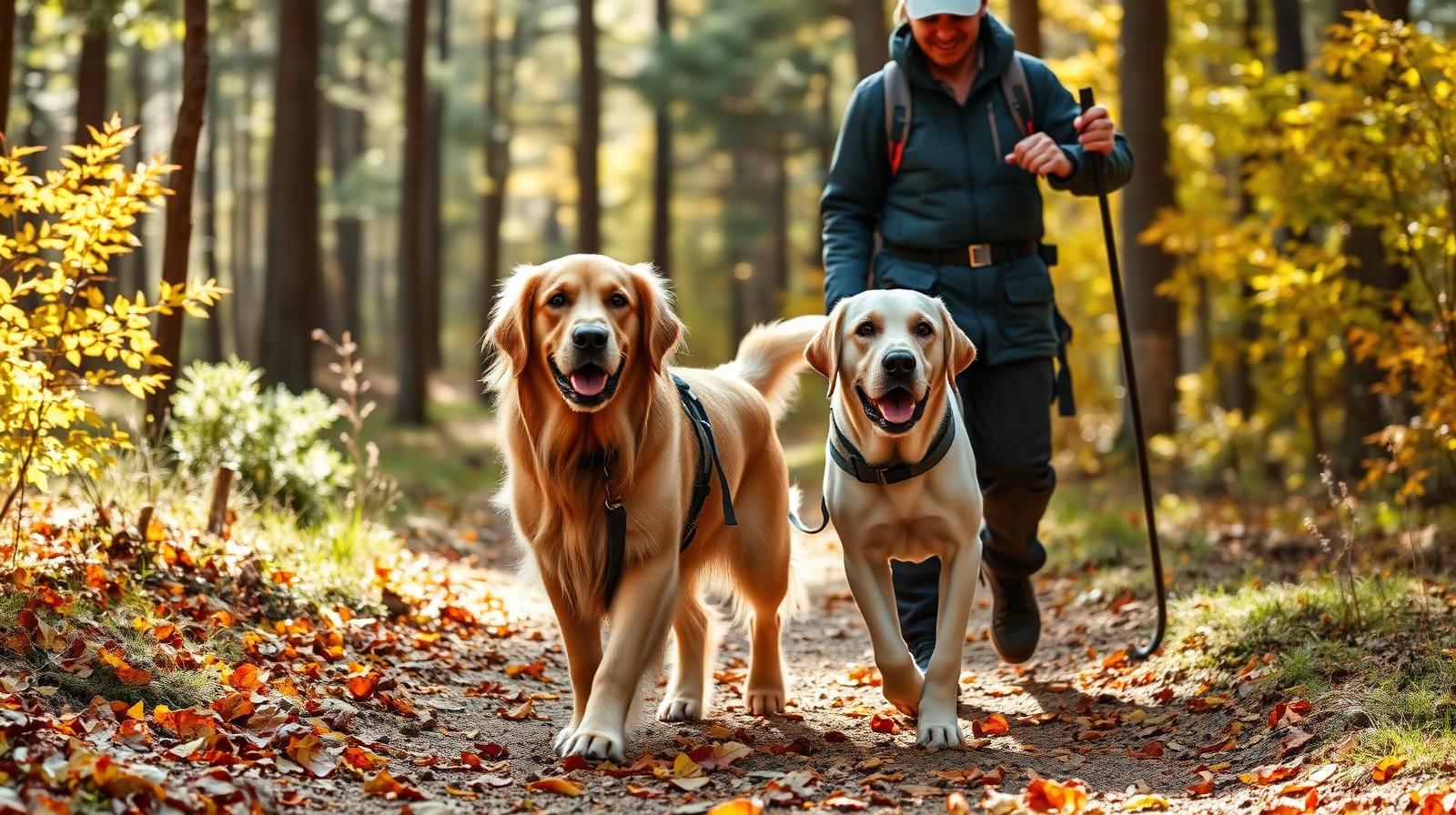 Lifelong shared adventures — not elite training — appear to be the practical recipe for a sharper old age.
Practical takeaways
- Pick an activity you both enjoy and can sustain for a decade — agility, scent work, hiking, dock diving, even structured fetch.
- Toy and mixed-breed owners: don''t skip this. Your dog needs the engagement more than a working breed does.
- It''s never too late to add activity, but consistency over years is what produced the biggest effect.
- Combine physical activity with mental work — sniff games, training puzzles, novel environments.
- If you have a senior dog, watch for early CCD signs (disorientation, sleep changes, withdrawal) and ask your vet to rule out other causes first.
The bottom line
The ELTE team's conclusion is refreshingly direct: with conscientious choices and an active shared lifestyle, owners can slow the onset and severity of canine dementia. That's something every dog owner can act on, regardless of breed, budget, or fitness level.
Frequently Asked Questions
What is canine cognitive dysfunction (CCD)?+
CCD is the canine equivalent of Alzheimer's disease — a progressive, age-related decline in memory, learning, sleep, and social behaviour. It's diagnosed using the 13-item CCDRS questionnaire, with scores over 50 considered diagnostic.
At what age should I start 'sports' with my dog?+
The protective effect comes from lifetime engagement, so as soon as your puppy is physically ready (typically 12–18 months for high-impact sports, earlier for casual training games and walks). Talk to your vet before starting jumping or repetitive impact work.
Does my dog need to compete to get the benefit?+
No. The study measured 'sports engagement' broadly — regular structured activity counted, whether competitive or recreational. Joint activities with the owner showed almost the same protective effect.
Are some breeds doomed to dementia?+
No breed was doomed, but toy and mixed breeds were the most vulnerable to inactivity. Cooperative working breeds (like retrievers and collies) and independent working breeds (like terriers) had natural resilience even with lower activity.
My senior dog already shows mild signs — is it too late?+
It's not too late to add activity, but the strongest effects came from lifetime engagement. Ask your vet to first rule out pain, sensory loss, or systemic disease, then build a sustainable activity plan suited to your dog's current ability.
Sources
Related Reading
Share this story
Pin this to your Puppy Training 101 board
Force-free training, socialisation, and house-training cheat sheets.
Liked this story?
Share it with someone who should read it.
More from Puppy Training & Behavior

Senior Dog Suddenly Tilting Head? Understanding Canine Vestibular Disease

The 2026 Puppy Revolution: Why Consent Training Changes Everything for Bernese Mountain Dogs
