Smart Collars in 2026: The Truth About Wearable Tech for Dogs
Are AI smart collars for dogs worth the hype in 2026? We dive into the newest peer-reviewed validation data from leading universities, revealing what these advanced canine wearables can truly monitor, their accuracy, and how they're transforming pet health monitoring. Discover the real benefits, limitations, and essential considerations for pet parents.

'''# Smart Collars in 2026: The Truth About Wearable Tech for Dogs
Is your dog secretly a cyborg? Probably not, but with the rapid advancements in AI smart collars and canine wearables, it sometimes feels like we're not far off! What started as basic activity trackers has evolved into sophisticated health monitoring systems that promise to give us unprecedented insights into our furry friends' well-being.
But let's be honest: the pet tech market is flooded with gadgets, and it's hard to separate genuine innovation from clever marketing. That's why we're cutting through the noise today, August 8, 2026, to bring you the unbiased truth about AI smart collars, backed by the latest peer-reviewed validation data.
Quick Summary
- Revolutionary Data: New photoplethysmography (PPG) collars accurately track resting heart rate, heart rate variability, respiratory rate, sleep architecture, and scratching frequency.
- University Validation: Recent studies from the University of Pennsylvania and Royal Veterinary College confirm high accuracy against clinical gold standards, though coat type and neck thickness can cause minor drifts.
- Veterinary Acceptance: Vets are increasingly utilizing wearable trend data for early detection of conditions like Mitral Valve Disease, osteoarthritis flare-ups, and atopic dermatitis.
- Data Savvy: Understand privacy concerns, subscription models, and how to establish a crucial 14-day baseline to avoid unnecessary anxiety.
- Who Benefits Most: Senior dogs, brachycephalic breeds, working dogs, and those in post-operative recovery gain the most value, while some owners might find them less essential.
The Evolution of Canine Wearables: Beyond the Step Count
Just a few years ago, a "smart" dog collar primarily meant GPS tracking or perhaps a basic activity counter. Useful, certainly, but hardly revolutionary for health monitoring. Fast forward to 2026, and the landscape has completely transformed. Thanks to breakthroughs in miniaturized sensors and artificial intelligence, today's AI smart collars are veritable health guardians, capable of providing continuous, non-invasive physiological data previously only obtainable in a veterinary clinic.
The core of this revolution lies in photoplethysmography (PPG) technology. Originally adapted from human pulse oximeters, PPG sensors use light to detect blood volume changes in the capillaries beneath the skin. Sophisticated algorithms then interpret these subtle changes to extrapolate a wealth of health metrics. It's not just about counting steps anymore; we're talking about insights into cardiovascular health, respiratory function, and even pain indicators.
What the New Peer-Reviewed Validation Data Proves
This isn't just manufacturers making bold claims. The scientific community has been hard at work validating these technologies. The latest peer-reviewed studies, particularly those emerging from the prestigious University of Pennsylvania School of Veterinary Medicine and the Royal Veterinary College (RVC) in London, are providing robust evidence of these collars' capabilities.
These pivotal studies have rigorously compared collar readings against established clinical gold standards, such as electrocardiograms (ECGs) for heart rate, respiratory belts for breathing, and even video analysis for sleep patterns and scratching. The findings are, frankly, impressive:
- Resting Heart Rate (RHR) and Heart Rate Variability (HRV): The studies confirm that modern PPG collars can accurately track your dog's resting heart rate with a very high correlation to ECG readings. More excitingly, they can now reliably measure Heart Rate Variability (HRV). HRV is a powerful, non-invasive indicator of autonomic nervous system activity, reflecting stress levels, recovery, and overall cardiac health. A consistent drop in HRV can be an early red flag for underlying issues.
- Respiratory Rate (RR): Tracking your dog's resting respiratory rate (breaths per minute) has always been a cornerstone of early illness detection for savvy pet parents. These collars automate this process, providing continuous, accurate readings that align closely with clinical observations. This is particularly critical for conditions like congestive heart failure.
- Sleep Architecture: Beyond just knowing when your dog sleeps, these advanced wearables can now differentiate between various sleep stages, offering insights into sleep quality and duration. Poor sleep quality can be a silent indicator of pain, anxiety, or other health disturbances.
- Scratching Frequency: For dogs prone to allergies or skin irritations, the ability to track scratching frequency in real-time is a game-changer. This objective data can help owners and vets identify flare-ups of atopic dermatitis or other dermatological issues much earlier than visual observation alone.
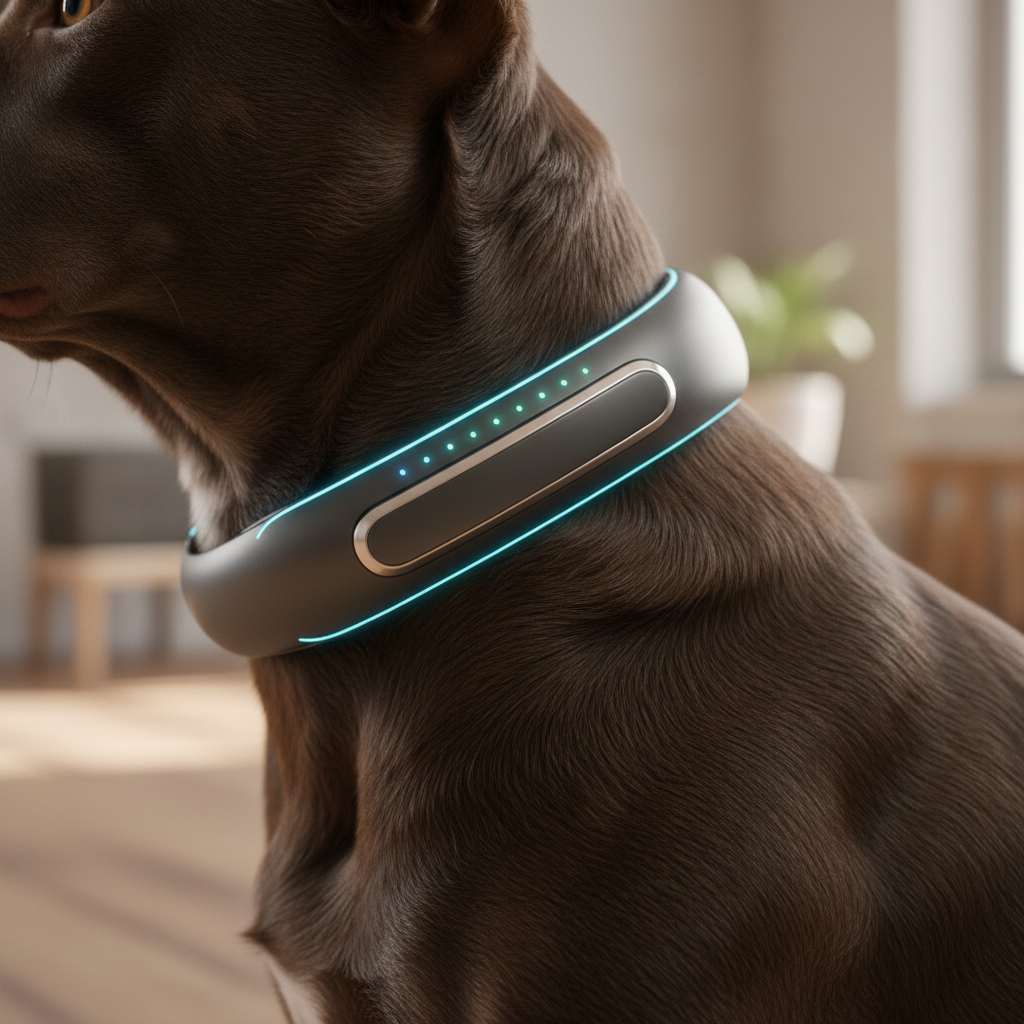
Where They Nail It and Where They Drift: Accuracy Under Scrutiny
While the overall accuracy is high, the university studies also highlight important nuances. Researchers at the RVC, for instance, noted that while accuracy is generally excellent, there can be minor "drifts" in readings based on certain physiological factors:
- Coat Type: Dogs with very thick, long, or dense coats (think Old English Sheepdogs or some types of Huskies) might experience slightly less consistent PPG readings compared to short-haired breeds. The light signals have a harder time penetrating the dense fur to reach the skin effectively. Manufacturers are continually improving sensor design to mitigate this, but it's a factor to consider.
- Neck Thickness/Collar Fit: Just like a human smartwatch, proper fit is paramount. Collars that are too loose or too tight, or dogs with unusually thick or thin necks, can impact sensor contact and data reliability. The studies emphasized the importance of following manufacturer guidelines for fit and regularly checking the collar's position.
Despite these minor caveats, the consensus is clear: for the vast majority of dogs, these collars provide remarkably accurate and consistent data that can be incredibly valuable for health monitoring.
The Veterinary Revolution: Accepting Home Wearable Trend Data
Perhaps the most significant development in 2026 is the growing acceptance of home wearable trend data by the veterinary community. Historically, vets have been wary of consumer-grade health tech, often dismissing it as unreliable. However, with the rigorous peer-reviewed validation, a paradigm shift is underway.
Veterinarians are recognizing that continuous, long-term trend data from a smart collar can offer insights that a single, snapshot clinic visit simply cannot. Instead of relying solely on owner observations (which can be subjective and easily missed), vets now have access to objective, quantifiable data streams that can aid in early detection and disease management.
Early Detection: A Game Changer for Canine Health
- Mitral Valve Disease (MVD) and Other Cardiac Issues: The story of Marlow, a Chocolate Portuguese Water Dog in Portland, Maine, exemplifies this perfectly. Marlow's smart collar flagged a subtle but consistent rise in his nocturnal resting respiratory rate over a three-week period. His owner, alerted by the collar's app, brought him to the vet. Subsequent cardiac diagnostics confirmed early-stage Mitral Valve Disease, allowing for intervention before clinical signs became severe. For a disease where early detection is crucial for managing progression, this kind of continuous monitoring is invaluable. A sustained increase of even a few breaths per minute in a dog's resting respiratory rate can be a critical early warning sign of congestive heart failure.
- Osteoarthritis Flare-Ups and Nocturnal Pain: Dogs are masters at hiding pain. A slight increase in nocturnal restless movement, changes in sleep architecture, or even subtle shifts in heart rate variability picked up by a smart collar can indicate an osteoarthritis flare-up or other sources of nocturnal pain. This allows owners to adjust medication or management strategies proactively, improving their dog's comfort and quality of life.
- Atopic Dermatitis Severity and Allergic Reactions: As mentioned, tracking scratching frequency provides an objective measure of itchiness. This helps veterinarians assess the effectiveness of allergy treatments and identify environmental triggers more precisely. Instead of an owner guessing, "He seems to be scratching more," the vet can review a graph showing a clear increase in scratching events over several days.
This isn't about replacing the vet; it's about empowering both owners and vets with better information to make more informed decisions.

The Practical Realities: Privacy, Subscriptions, and Battery Life
Beyond the exciting health benefits, there are practical considerations every pet owner must weigh before investing in an AI smart collar.
The Privacy and Data-Ownership Question Nobody Reads in the Terms of Service
This is a big one. When you connect a smart collar to an app and potentially share data with your vet, you're generating a significant amount of personal (and pet-personal) data. Who owns this data? How is it stored? Is it anonymized? Can it be sold to third parties, like pet insurance companies or pharmaceutical companies?
Frankly, most people don't read the lengthy Terms of Service. But you should. Look for clear statements on data ownership, privacy policies, and how your pet's data is used. Reputable companies will have transparent policies that prioritize your privacy and give you control over your data. If a company's policy is vague or difficult to find, proceed with caution.
Subscription-Fee Reality: The Hidden Cost
Many of the advanced features — continuous monitoring, historical data access, detailed analytics, and vet-sharing capabilities — are often locked behind a monthly or annual subscription fee. The upfront cost of the collar itself can range from $150 to $400, but neglecting to factor in the ongoing subscription can lead to sticker shock.
Evaluate the subscription model carefully. Does it offer good value for the features provided? Is the data truly useful, or are you paying for bells and whistles you won't use? Some companies offer basic tracking for free but charge for the in-depth health insights, which is often where the real value lies for proactive health management.
Battery Life Comparisons: No One Wants a Dead Collar
Imagine relying on your collar for critical health alerts, only for it to die halfway through the day. Battery life is a crucial practical consideration. While some collars boast multi-week battery life, others require daily or every-other-day charging.
Consider your lifestyle. If your dog is highly active or you're frequently on the go, a longer battery life might be essential. Most modern collars use inductive charging (like a phone charger pad) or simple magnetic connectors, making recharging relatively easy, but it's still a routine to factor into your day.
Setting Up a Meaningful 14-Day Baseline: Don't Panic!
This is perhaps the most important piece of advice for new smart collar users. It's easy to get caught up in the data and panic at the first "bad" night's sleep reading or a slight fluctuation in heart rate. Don't!
Instead, use the first 14 days (or even longer) as a baseline period. During this time, the collar is learning your dog's normal physiological patterns. Factors like excitement, a slightly warmer room, or even a weird dream can temporarily affect readings. A single anomalous reading is rarely cause for alarm.
What you're looking for are trends. A consistent upward trend in resting respiratory rate over several days, a sustained drop in sleep quality, or a significant increase in scratching frequency – these are the patterns that warrant attention and a call to your vet. Resist the urge to obsess over daily fluctuations; focus on the bigger picture and the long-term data trends.

Which Dogs Get the Most Value (and Which Owners Should Skip Them Entirely)
While AI smart collars offer incredible benefits, they aren't necessarily for every dog or every owner.
Who Benefits Most:
- Senior Dogs: As dogs age, they become more susceptible to a myriad of health issues, from arthritis to heart conditions. Continuous monitoring can provide invaluable early warnings, allowing for proactive management and improved quality of life.
- Brachycephalic Breeds (e.g., Pugs, Bulldogs, French Bulldogs): These breeds often suffer from Brachycephalic Obstructive Airway Syndrome (BOAS), making respiratory monitoring particularly critical. Early detection of respiratory distress or worsening symptoms can be life-saving.
- Working Dogs/Athletic Dogs: For highly active dogs, monitoring heart rate variability can provide insights into recovery, stress levels, and overtraining, helping to optimize performance and prevent injury.
- Dogs in Post-Operative Recovery: During recovery from surgery or injury, continuous monitoring of vital signs and activity levels can ensure a smooth healing process and alert owners to potential complications like pain or infection.
- Dogs with Chronic Conditions: For pets managing conditions like diabetes, kidney disease, or allergies, smart collars can help track trends and the efficacy of treatments.
- Anxious or Stressed Dogs: HRV monitoring can offer objective data on stress levels, helping owners understand triggers and the effectiveness of calming interventions.
Which Owners Should Skip Them Entirely:
- Owners Prone to False-Alarm Anxiety: If you're the type of person who will lose sleep over every minor fluctuation in data, a smart collar might cause more stress than it alleviates. The constant stream of data, if misinterpreted, can lead to unnecessary vet visits and anxiety.
- Owners Unwilling to Invest Time: While the collars automate data collection, interpreting the trends and acting on them still requires some engagement. If you're not prepared to periodically review the data or understand the basics of what it means, the collar's full potential won't be realized.
- Owners on a Tight Budget (Subscription Averse): Given the ongoing subscription costs for most advanced features, if budget is a major concern and you're unwilling to pay a monthly fee, you might find the collar's capabilities limited.
- Owners Who Prefer Traditional Vet Care Only: If you prefer to rely solely on your veterinarian's in-clinic assessments and aren't interested in proactive home monitoring, then a smart collar might not align with your pet care philosophy.
The Future is Now (and Even More So Tomorrow)
AI smart collars for dogs in 2026 are not just a futuristic gadget; they are a validated, powerful tool for proactive pet health management. With robust peer-reviewed data supporting their accuracy and growing acceptance within the veterinary community, these wearables are empowering pet parents like never before.
From tracking vital signs to sleep quality and activity, these collars offer a window into your dog's health that was unimaginable a decade ago. By understanding their capabilities, limitations, and how to effectively use the data, you can harness this technology to ensure a longer, healthier, and happier life for your beloved canine companion.''', primary_keyword=
Frequently Asked Questions
How accurate are AI smart collars for dogs in 2026?+
Recent peer-reviewed studies, including those from the University of Pennsylvania and Royal Veterinary College, confirm high accuracy for metrics like resting heart rate, respiratory rate, and sleep patterns when compared to clinical gold standards. Minor variations can occur based on coat type and collar fit.
Can a smart collar replace my vet visits?+
Absolutely not. Smart collars are powerful tools for *monitoring* your dog's health and providing data for early detection. They are designed to complement, not replace, regular veterinary check-ups and professional diagnoses. Always consult your vet for any health concerns.
What kind of data do modern dog smart collars track?+
Today's advanced AI smart collars utilize photoplethysmography (PPG) to track a range of metrics including resting heart rate, heart rate variability, respiratory rate, sleep architecture (quality and duration), and even scratching frequency.
Is the data from dog smart collars private?+
Data privacy is a critical consideration. While reputable companies have policies to protect your data, it's essential to read the Terms of Service carefully to understand how your pet's health information is collected, stored, and used. Look for transparency regarding data ownership and sharing.
Which dogs benefit most from an AI smart collar?+
AI smart collars offer the most value to senior dogs, brachycephalic breeds (due to respiratory concerns), working or athletic dogs (for performance and recovery insights), dogs recovering from surgery, and those with chronic health conditions. Owners who are proactive and willing to engage with the data will also benefit greatly.
Sources
Related Reading
- Dog Dementia Breakthroughs: Early Detection & New Hope for Australian Shepherds
- The Rhodesian Ridgeback: America's New Favorite Family Dog?
- Puppy Socialization Rewritten: Why 20 Weeks is the New 14!
- Bird Flu in Dogs 2026: Urgent H5N1 Warnings for Dog Owners
- Night Barking Solved! Why Your LGD Isn't Misbehaving After Dark
Share this story
The PawPulse Newsroom is a small editorial team of dog owners, trainers, and pet-industry writers reporting on dog health, training, nutrition, and breed trends.
Pin this to your Dog Lifestyle & Breeds board
Breed profiles, gear roundups, and dog-friendly travel inspo.
Liked this story?
Share it with someone who should read it.
More from Dog Breeds & Lifestyle

The Rhodesian Ridgeback: America's New Favorite Family Dog?

Night Barking Solved! Why Your LGD Isn't Misbehaving After Dark
