The 2026 TSA Dog Study: What Working-Dog Genes Reveal About Your Pet’s Behavior
A new phenome-wide study used TSA detection-Lab genetics to predict temperament in pet dogs across many breeds — here’s what it found, and what it means for training.

When the U.S. Transportation Security Administration breeds Labrador Retrievers to sniff out explosives at airports, every dog is rigorously evaluated — not just for nose work, but for temperament. A new 2026 phenome-wide study in Scientific Reports took genetic markers first linked to problem behaviors in those TSA Labs and asked a striking question: do the same gene variants predict personality in pet dogs of completely different breeds?
The answer, in short, is yes — and it changes how we should think about behavior genetics in family dogs.
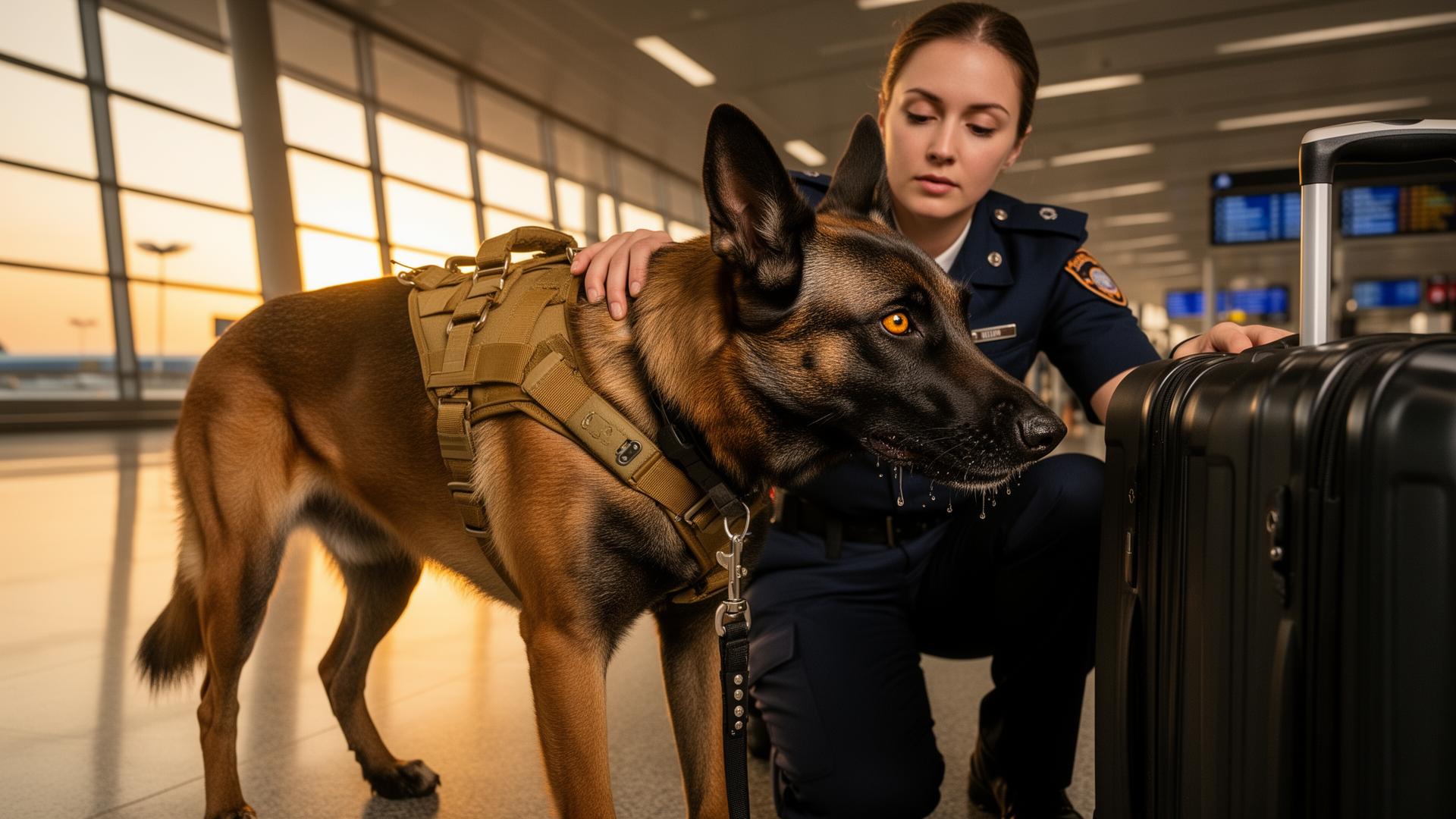 Working detection dogs are bred for nose, nerve, and temperament — three traits that researchers are now mapping to specific genes.
What the study actually did
Researchers ran a Phenome-Wide Association Study (PheWAS) using genotype data from working Labrador Retrievers in the TSA odor-detection program. They had previously identified several alleles linked to problem behaviors that get a dog washed out of training — over-arousal, fear, environmental sensitivity. The new step was to test whether those same alleles tracked with temperament scores in a broad population of pet dogs across many breeds.
The team cross-referenced the working-dog markers against owner-reported behavior questionnaires (similar to the widely used C-BARQ) covering aggression, fear, trainability, attachment, and excitability.
The headline findings
- Cross-breed signal: Several TSA-derived variants showed statistically significant associations with pet-dog temperament traits — meaning the genetics generalize beyond Labs.
- Fear and noise sensitivity were among the strongest replications, echoing what's already known about heritability of anxiety-like traits.
- Trainability and social behavior also surfaced, suggesting the same biology that makes a great detection dog underwrites a calm, focused family companion.
- No "good dog gene": Effect sizes were small. Genetics nudges behavior; it does not determine it.
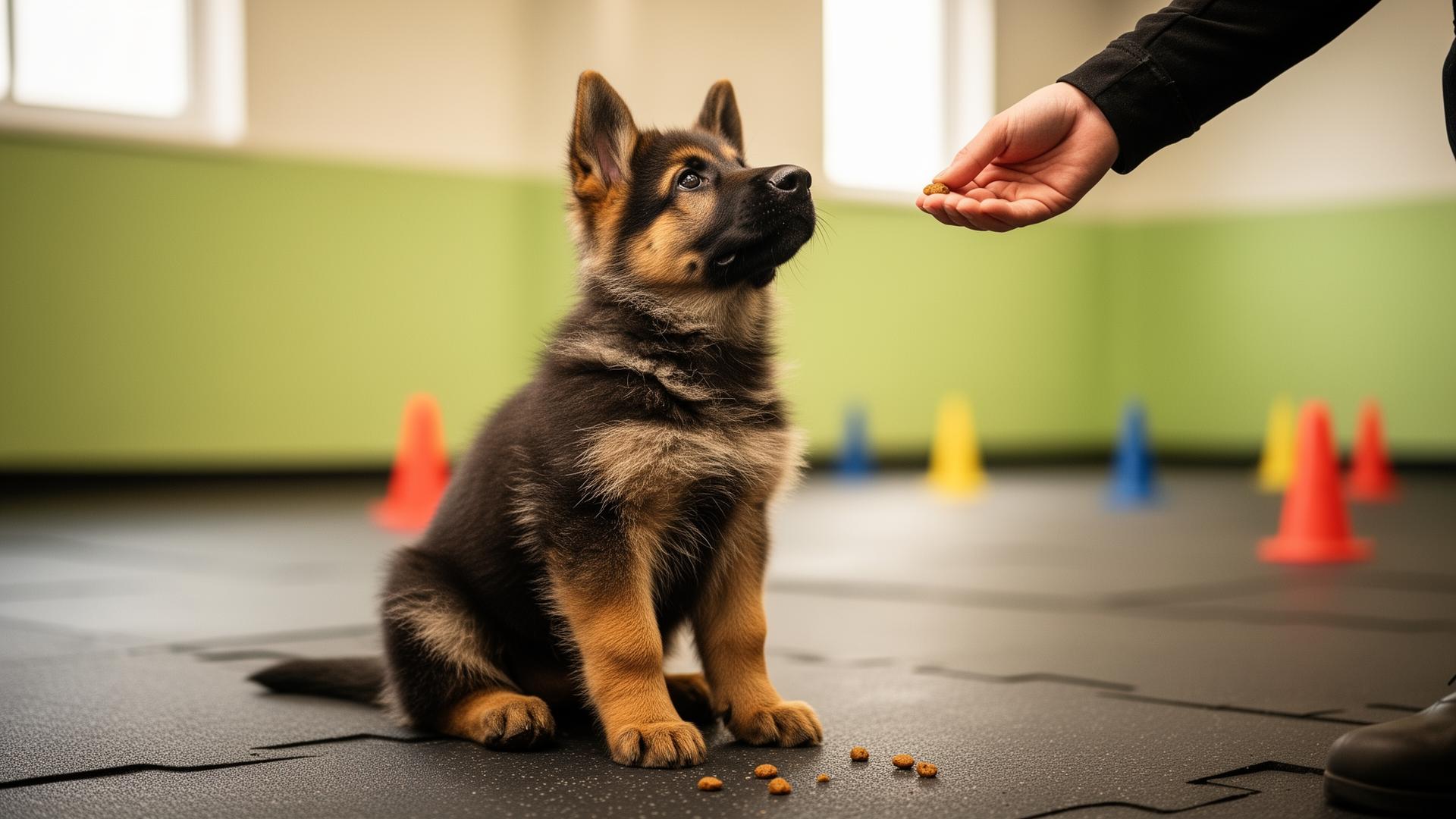 Early training shapes how genetic tendencies actually show up in adult behavior.
Why this matters for everyday owners
Most behavior problems people ask vets and trainers about — reactivity on leash, separation distress, fear of fireworks — sit at the intersection of genes and environment. This study is one of the cleanest demonstrations to date that some of that variance really is encoded in DNA, and that the same variants travel across breeds.
That has practical implications. If your dog is wired toward noise sensitivity, the answer is not "fix the dog" — it's early exposure, gradual desensitization, and a recognition that you're working with biology, not stubbornness. The same logic applies to puppy separation anxiety, which a 2026 RVC study showed often shows up before six months of age.
Genetics meets training
None of this means temperament is locked in. Recent work on how breed clades learn at different rates shows that with the right kind of repetition almost every dog can adapt — they just get there on different timelines. Pair that with the new genetic findings and a clearer picture emerges: breed plus genotype set the curve, and skilled handling decides where on the curve a given dog lands.
Shelters are putting the same idea to work. A 2026 MDPI study on short-term socialization for kennel-raised dogs showed that two weeks of structured human contact measurably moved behavior scores in adoptable adults — including breeds with "tough" genetic reputations.
 Scent-driven breeds like Springer Spaniels share some of the same behavioral genetics flagged in the TSA Labrador dataset.
What about communication and emotion?
One detail in the new PheWAS is that variants linked to "engagement with people" tracked with traits like trainability and attachment. That fits neatly with another 2026 paper showing dogs decode emotion from human voices — the biology of attention to humans appears to be partly inherited, then sharpened by every interaction.
Should you genetically test your dog?
Direct-to-consumer DNA tests don't yet screen for the specific variants used in this study, and even when they do, the practical takeaway will be small. A few percent of variance is interesting science, not a diagnosis. The better investment is observation: notice what your dog finds hard, design training around it, and loop in your vet if anxiety or reactivity is meaningfully affecting quality of life — including for senior dogs, where lifetime activity patterns affect cognitive aging.
The bottom line
This study quietly rewires a stale debate. "Nature vs. nurture" has always been a false choice in dog behavior; the 2026 PheWAS shows the two are entangled at the level of individual alleles. The dogs the TSA washes out and the dog snoring on your couch are running on overlapping biology. Understand that biology, work with it, and training stops feeling like a fight against your dog.
Frequently Asked Questions
Does this study mean dog behavior is mostly genetic?+
No. It shows reliable but small genetic signals across breeds. Environment, early socialization and training still drive most of what you see day to day.
Were only Labradors studied?+
The original behavior-linked variants came from TSA Labradors, but the new PheWAS tested those variants in pet dogs from many breeds and found cross-breed associations.
Can I test my dog for these genes?+
Not reliably through consumer kits today. The variants are research markers, and even a positive result would only slightly shift probabilities.
Which traits showed the strongest genetic links?+
Fear and noise sensitivity replicated most cleanly, with additional signals for trainability and human-directed attachment.
How should this change how I train my dog?+
Treat hard-wired tendencies (fear, arousal) as starting points, not failures. Use gradual exposure, reward-based training and consistency.
Sources
Related Reading
Share this story
Pin this to your Puppy Training 101 board
Force-free training, socialisation, and house-training cheat sheets.
Liked this story?
Share it with someone who should read it.
More from Puppy Training & Behavior

Senior Dog Suddenly Tilting Head? Understanding Canine Vestibular Disease

The 2026 Puppy Revolution: Why Consent Training Changes Everything for Bernese Mountain Dogs
