Lost Dog, Found Fast: The 2026 GPS Tracker Showdown — Life360 vs Fi vs AirTag
Life360 launched a $50 GPS dog collar that taps into the Tile network. Here is how it compares to Fi and Apple AirTag — and which tracker actually finds an escaped dog the fastest.

For the first time in years, the dog GPS tracker market has real competition. In late 2025 Life360 — the family-location app that quietly owns Tile — launched a $50 Pet GPS collar add-on, and the device has been climbing pet-tech reviewer lists steadily through May 2026. Suddenly the long-running duopoly of Fi (the subscription-heavy "smart collar") and Apple AirTag (the cheap-but-not-really-a-tracker workaround) has a third serious option.
If your dog has ever slipped a leash, vaulted a fence, or vanished into the woods on a hike, you already know how fast 30 seconds turns into 30 minutes of pure panic. The right tracker is the difference between "found in the next yard" and a multi-day search. Here is the honest 2026 breakdown.

Why the market just shifted
For five years, Fi was the default recommendation: LTE-M cellular, real-time tracking, a beautiful app, and a hefty $99–$189/year subscription on top of a $150+ collar. AirTag existed as the budget hack — $29, no subscription, but it is a Bluetooth device that only "updates" when someone else's iPhone walks past it. Useless if your dog runs into a forest at 5 a.m.
Life360 changed the math on October 22, 2025. According to TechCrunch's launch coverage, the new collar is a $50 hardware purchase that requires the Life360 Gold membership (about $14.99/month) for real-time tracking — but if your household already pays for Life360 to track teen drivers or grandparents, the pet add-on is essentially free to add. That bundle is what makes it dangerous to Fi.
It also taps the Tile community Pet Finding Network — hundreds of millions of phones running the Tile and Life360 apps that anonymously ping a missing collar when they walk past it. AirTag has Apple's "Find My" network; Fi has nothing comparable.
The 2026 spec showdown
| Feature | Life360 Pet GPS (2026) | Fi Series 3 | Apple AirTag |
|---|---|---|---|
| Hardware price | $50 | ~$150 | $29 |
| Required subscription | Life360 Gold (~$15/mo) | Fi membership ($99–$189/yr) | None |
| Tracking type | LTE + GPS + Tile/Life360 network | LTE-M + GPS + Wi-Fi | Bluetooth + Apple Find My |
| Real-time updates | Yes | Yes | No — only when an iPhone walks past |
| Escape / geofence alerts | Yes | Yes | No |
| Battery life | ~1–2 weeks | 1–3 months | ~1 year (coin cell) |
| Waterproof | Yes (IP-rated) | Yes (IP68) | Splash-resistant only |
| Best for | Families already on Life360 | Long-battery, escape-artist dogs | Indoor dogs / backup ID |
The headline trade-off: Fi still wins on battery life, easily. Life360 wins on bundle economics. AirTag is not a real GPS tracker — call it what it is, a smart ID tag.
Real-world: what happens when a dog actually bolts
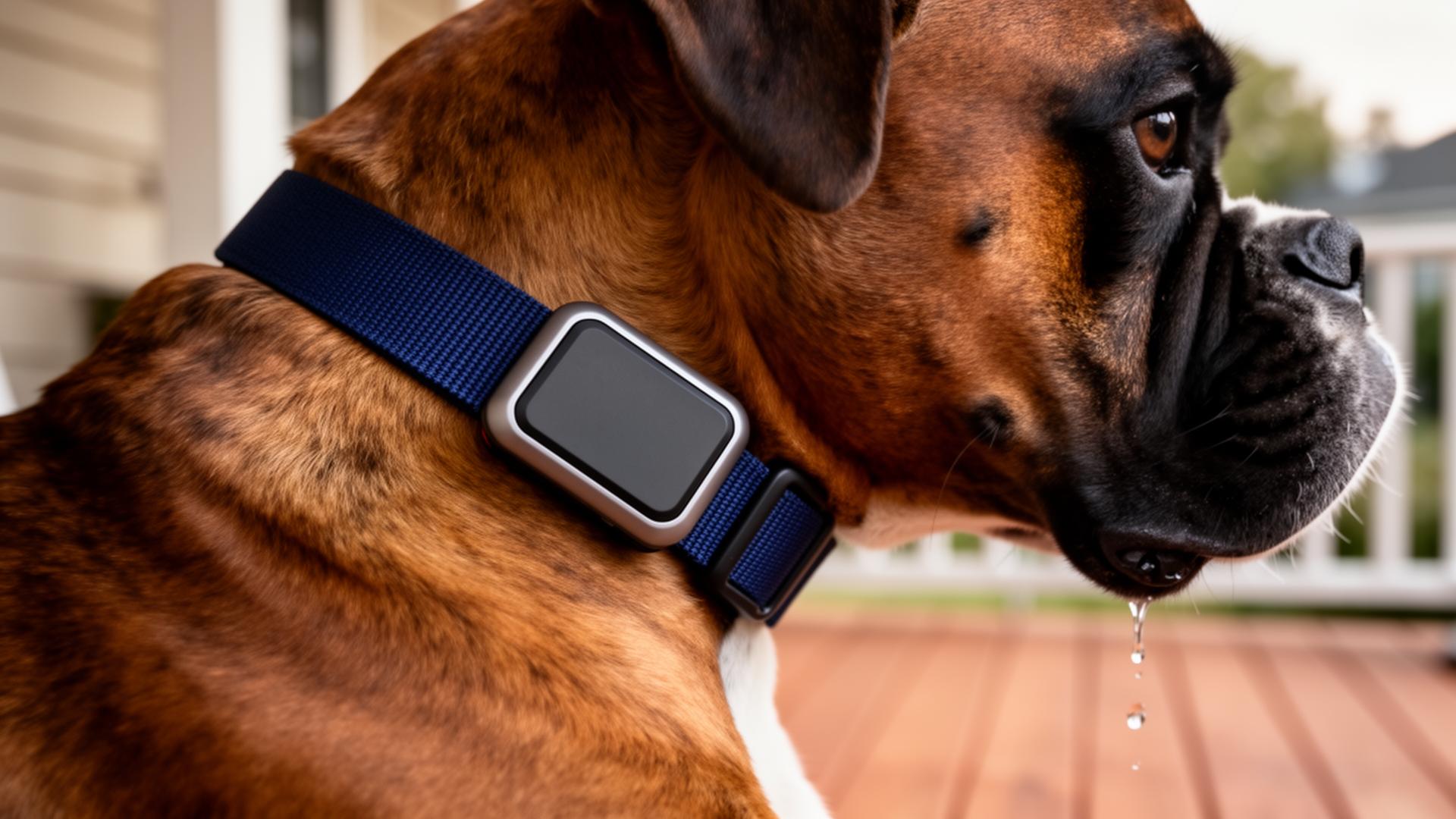
Specs only matter if the tracker performs when it counts. Here is what each device actually does in the three escape scenarios that account for most lost dogs:
Scenario 1 — Backyard breakout. Your dog finds a weak fence panel at 2 p.m. while you're at work. Life360 and Fi both push an Escape Alert within 30–90 seconds of the dog leaving its defined "safe zone." AirTag sends nothing — there is no geofence feature and no live tracking. By the time you notice, the dog could be a mile away.
Scenario 2 — Off-leash trail run. Mid-hike, your dog catches scent of a deer and disappears into thick brush. Cellular coverage gets spotty. Fi's LTE-M (the IoT-optimized cellular standard) holds signal in surprisingly remote areas. Life360 uses standard LTE, which can lose signal sooner in canyons or dense forest. AirTag depends on a passing iPhone — in real wilderness, there isn't one.
Scenario 3 — Urban escape. Your dog slips the harness on a busy sidewalk. This is where the community network matters most. Tile/Life360's combined network and Apple's Find My both work brilliantly in dense cities — every passing phone is a ping. Fi has no equivalent here; you're alone with the live cellular signal.
The pattern is clear: Fi for rural and high-escape-risk dogs, Life360 for urban families, AirTag only as a backup ID for an indoor cat or a senior dog who doesn't roam.
Where do collars fit into a broader safety plan?
A tracker is one layer. The other layers — microchip, ID tag, recall training, secure fencing, supervision — all still matter. We've covered the surrounding ecosystem in depth before:
- For why a stable physical home environment matters as much as tech, see our piece on why children's hospitals are hiring full-time facility dogs in 2026 — it's a reminder that trained, supervised dogs in structured environments stay safest.
- If your dog is a chronic escape artist, training is upstream of any collar. The 2026 Copenhagen study on training ethics breaks down why reward-based recall is the single highest-ROI investment for off-leash safety.
- And before you trust any "rescue" or boarding facility with your tracker-wearing dog, read our investigation into the Miranda's Rescue scandal and how to vet a rescue.
What happens in the first 30 minutes a dog goes missing

A GPS collar is most useful in the first half-hour, when the dog is still moving and hasn't holed up somewhere out of signal range. A quick playbook:
- Don't run after them yelling. A panicked dog reads chase as a game — or worse, a threat. Sit, open the tracker app, and wait for the location pin to stabilize.
- Drive, don't sprint. Once you have a heading from the app, get in a car. Dogs cover ground faster than you can run, and a car keeps you ahead of their movement.
- Bring high-value bait. Rotisserie chicken or hot dogs. When you reach the dog, crouch sideways and offer food — don't lunge.
- Alert the network. Life360 and Tile let you mark a pet as "Lost," which pings every nearby app user. Fi has a community "Lost Dog Mode." AirTag has Find My's lost mode. Activate it immediately — those pings start working in seconds.
- Check shelters and 24-hour vets within 5 miles — even with a tracker, a Good Samaritan often grabs the dog before you do, and the first place they call is animal control.
The biggest tracker failure mode in 2026 isn't hardware — it's dead batteries. A collar that hasn't been charged since Tuesday is just dead weight on Saturday's hike. Set a weekly charging routine the same way you charge an Apple Watch.
Vets and shelters still want a microchip first
Worth a hard reminder: a GPS collar is not a substitute for a microchip. Collars come off, batteries die, devices break. A microchip is permanent ID that any shelter, vet, or rescue can scan for free. The American Veterinary Medical Association still recommends microchipping every dog, tracker or no tracker.
The ideal 2026 stack is microchip + ID tag with phone number + GPS tracker. Each layer covers the other's failure mode.
Hiking and travel: where Fi still earns its premium
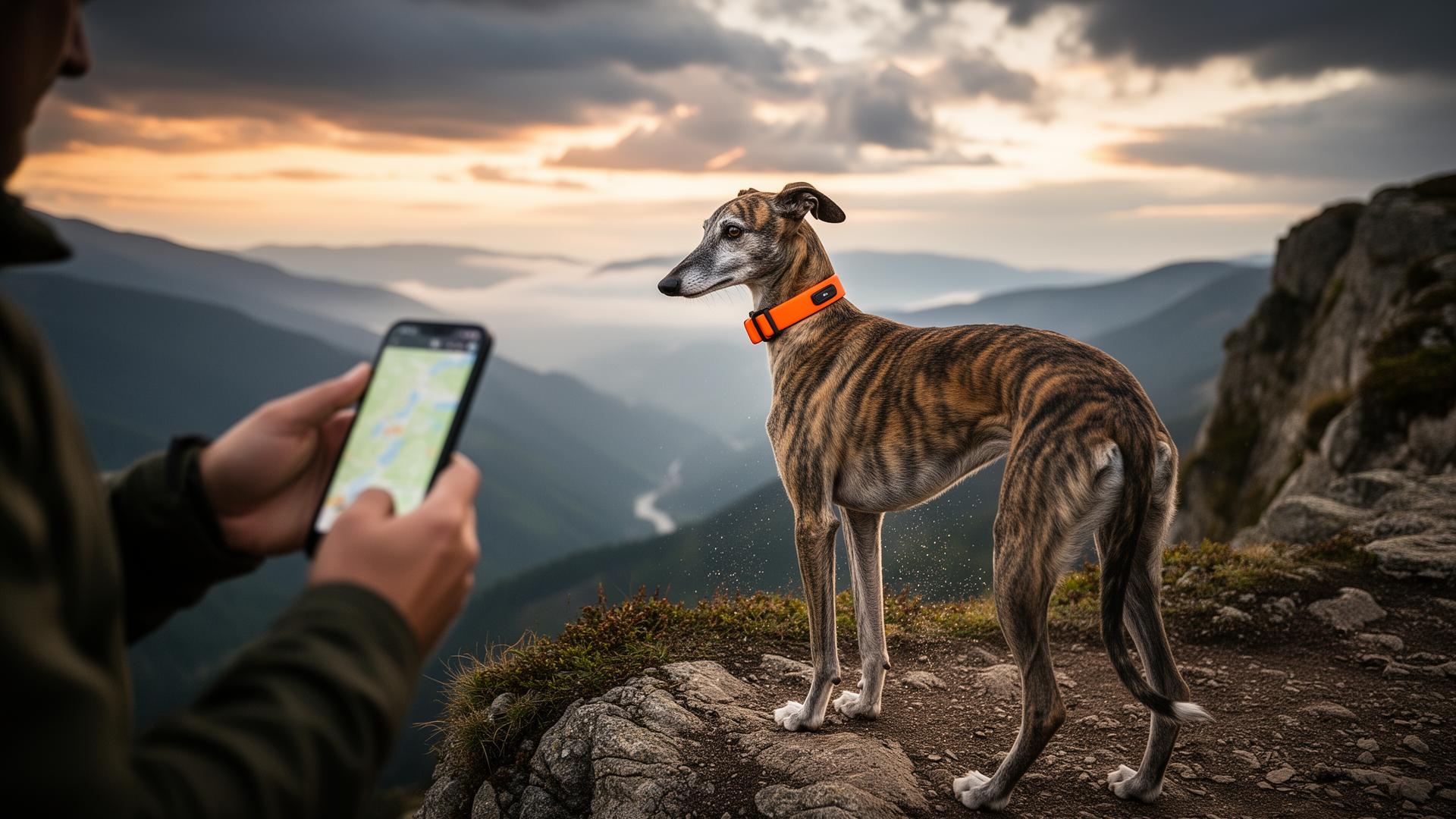
If you regularly hike, camp, or travel through patchy-coverage areas, Fi remains the better choice in 2026 — for two reasons:
- LTE-M cellular (the spec Fi uses) is engineered for IoT devices and holds signal in places consumer LTE drops out. It's the same technology utilities use for remote water meters.
- Battery life of 1–3 months means you're not panicking about a dead device on day three of a backpacking trip.
Life360's collar is excellent for the suburban family whose dog occasionally bolts the front door. It's not the right tool for the backcountry. Choose by use case, not by what's trending on Reddit.
The bottom line
The 2026 GPS tracker market finally gives dog owners a real choice instead of a take-it-or-leave-it Fi subscription. Pick Life360 if your family already runs the app, you live in a city, and you want the cheapest path to a real GPS collar with community-network backup. Pick Fi if your dog is an escape artist, you spend serious time off-grid, or you want the longest battery life money can buy. Skip AirTag as a primary tracker — buy one as a $29 backup ID tag and pair it with one of the other two.
Whichever you pick: charge it weekly, test the escape alert before you need it, and never let it be your only line of defense. The best tracker in the world doesn't beat a securely latched gate.
Frequently Asked Questions
Is the Life360 Pet GPS collar worth it in 2026?+
For households already paying for Life360 Gold, yes — the $50 collar adds GPS, real-time tracking, and escape alerts on top of an existing subscription. For families not on Life360, Fi often makes more sense thanks to its longer battery life and rural LTE-M coverage.
Can I use an Apple AirTag as a dog GPS tracker?+
Not really. AirTag is Bluetooth-only and only reports a location when another iPhone walks past it. In a city it can work as a backup ID, but in a forest or rural area it will go dark. Use it alongside a real GPS collar, never instead of one.
How long do dog GPS trackers last between charges?+
As of 2026, Fi leads at 1–3 months per charge, Life360 Pet GPS lasts roughly 1–2 weeks, and AirTag's coin-cell battery lasts about a year. Charge cellular trackers on a weekly schedule so the device is always ready when you need it.
Do I still need a microchip if my dog wears a GPS collar?+
Yes — always. Collars fall off, batteries die, and devices break. A microchip is permanent ID that any shelter or vet can scan for free, and the AVMA still recommends it for every dog. Treat the GPS collar as an extra layer, not a replacement.
What is LTE-M and why does Fi advertise it?+
LTE-M is a cellular standard built for low-power IoT devices like meters and trackers. It typically holds signal better in fringe coverage areas than standard LTE, which is why Fi tends to outperform consumer-LTE trackers on remote trails.
Sources
Related Reading
Share this story
Pin this to your Healthy Happy Dogs board
Vet-vetted wellness, symptom guides, and senior dog care pins.
Liked this story?
Share it with someone who should read it.
More from Dog Health & Wellness

Cavalier MVD Breakthrough: 3 Tools That Add Years to Their Lives

IVDD Breakthrough: New Protocol Slashes Dachshund Risk by 63%!
