Librela in 2026: Unpacking the Latest Data on This Arthritis Game-Changer
Librela, the monthly injectable breakthrough for canine osteoarthritis, is under the microscope in 2026. With new FDA adverse-event reviews and Colorado State University data emerging, dog owners need the full picture to make informed decisions for their beloved companions. Let's dive deep into what the science truly says.

Librela in 2026: Unpacking the Latest Data on This Arthritis Game-Changer
For countless senior dogs, the golden years can be tarnished by the relentless ache of osteoarthritis. The wagging tails might slow, the playful leaps might vanish, and even the joy of a simple walk can become a painful endeavor. In recent years, a new hope has emerged on the veterinary horizon: Librela, also known by its active ingredient, bedinvetmab. This revolutionary monthly injection targets nerve growth factor (NGF), a key player in pain sensation, offering a novel approach to managing chronic pain.
But as we navigate 2026, the landscape around Librela is evolving. The initial excitement has been tempered by a more comprehensive understanding, fueled by updated FDA adverse-event reviews and crucial follow-up data from institutions like the Colorado State University Veterinary Teaching Hospital. For loving pet parents, understanding the nuances of these findings, along with practical advice for monitoring and informed decision-making, is paramount. This isn't just about 'an injection'; it's about optimizing your dog's quality of life and ensuring every step forward is a comfortable one.
Quick Summary
- NGF-Blocking Explained: Librela works by neutralizing nerve growth factor, a crucial protein that transmits pain signals, providing targeted relief for osteoarthritis.
- Real-World Wins: Large breed dogs struggling with basic mobility, like climbing stairs, have shown remarkable improvements in documented studies and owner reports.
- Emerging Side-Effect Signals: While generally well-tolerated, some owners report sudden hind-limb weakness, increased thirst, appetite loss, and behavioral changes, with a small subset experiencing accelerated joint decline.
- Pre-Injection Protocol: Board-certified veterinary surgeons and the AVMA emphasize thorough baseline bloodwork and orthopedic screening before starting Librela.
- Holistic Approach: Librela is most effective when integrated into a multi-modal pain management plan, including NSAIDs, Adequan, physical rehab, weight management, and Omega-3 therapy.
The Science Behind the Comfort: How NGF-Blocking Actually Works
To truly grasp Librela's impact, we need to understand the intricate dance of pain within your dog's body. When arthritis strikes, cartilage degrades, bones rub, and inflammation becomes a constant companion. This process releases a cascade of molecules, including nerve growth factor (NGF). Think of NGF as a megaphone for pain signals. It amplifies the sensation of pain, making even minor movements excruciating.
Librela, or bedinvetmab, is a monoclonal antibody. This means it's a specially engineered protein designed to target and neutralize a specific molecule – in this case, NGF. When Librela enters your dog's bloodstream, it acts like a highly specialized interceptor, binding to NGF before it can reach nerve cells and amplify pain signals. By blocking NGF, Librela effectively turns down the volume on pain, allowing your dog to move more freely and comfortably. It's a targeted approach that differs significantly from traditional pain relievers like NSAIDs, which often work by reducing inflammation generally.
This precision is what makes Librela so groundbreaking. Instead of a broad-spectrum attack, it hones in on a specific pain pathway, offering relief with potentially fewer systemic side effects than some other medications. It's not a cure for arthritis, but a powerful tool in managing its most debilitating symptom: chronic pain. Understanding this mechanism empowers owners to have more informed conversations with their veterinarians about whether Librela is the right choice for their dog.

Documented Wins: Getting Back to the Good Life
The initial clinical trials and anecdotal evidence painted a hopeful picture, and as we delve into 2026, the real-world stories continue to emerge. Many owners describe a profound transformation in their arthritic dogs after starting Librela. We're talking about dogs who once struggled to stand, now greeting them at the door with a wagging tail. Dogs who could no longer navigate stairs, now confidently ascending them to their favorite napping spot. Large breed dogs, in particular, who often bear the brunt of severe osteoarthritis due to their size and weight, have shown some of the most dramatic improvements.
Consider Juniper, an eleven-year-old Bernese Mountain Dog from Asheville, North Carolina. Her family, like many, watched as Juniper's once-enthusiastic morning walks to the creek became a painful shuffle. Her playful spirit dimmed, replaced by a reluctance to move. After extensive discussions with their veterinarian, weighing the pros and cons, they decided to try Librela. Alongside the injections, they incorporated low-impact hydrotherapy – a gentle exercise in water that supports joints. Within a few weeks, Juniper's family began to see glimmers of her old self. The tail wags returned, the creek walks became a reality again, and the joy of movement was slowly but surely restored. Juniper's story, while anecdotal, mirrors the experiences of many pet parents who have witnessed their dogs regain a significant portion of their quality of life thanks to Librela.
These documented wins aren't just about subjective owner reports. Studies, including follow-up data from institutions like Colorado State University, have quantified these improvements, showing significant increases in activity levels, reduced lameness scores, and enhanced overall comfort as reported by both owners and veterinary professionals. The ability to climb stairs, jump into the car, or simply enjoy a longer walk isn't just about physical movement; it's about restoring a dog's dignity and their ability to participate in family life.
The Other Side of the Coin: Reported Side-Effect Signals
No medication is without potential side effects, and Librela is no exception. While generally considered safe and well-tolerated, updated adverse-event reviews from the FDA and ongoing monitoring reveal certain signals that owners and veterinarians need to be aware of. The power of social media, particularly in dedicated Facebook groups, has allowed owners to share their experiences, and some patterns have emerged.
One of the more frequently reported concerns is sudden hind-limb weakness. While some degree of weakness can be attributed to existing arthritis or age, a noticeable and sometimes sudden onset of hind-limb weakness has been described by a subset of owners after Librela injections. Other reported signals include increased thirst (polydipsia) and changes in appetite, ranging from decreased interest in food to, less commonly, an increase. Behavioral changes have also been mentioned, though these are often harder to definitively link to the medication, given that pain itself can alter behavior.
Perhaps the most concerning signal, albeit in a small subset of dogs, is accelerated joint decline. This is a particularly complex area, as osteoarthritis is a progressive disease by nature. However, a small number of owners have reported a rapid worsening of their dog's joint condition after starting Librela. It's crucial to emphasize that these are reported signals and do not necessarily represent a direct causal link in every case. The ongoing FDA review aims to gather more comprehensive data to understand the true incidence and nature of these events. This highlights the importance of open communication with your vet and meticulous monitoring of your dog's health after starting any new medication.

Before the First Injection: A Checklist for Informed Consent
The American Veterinary Medical Association (AVMA) and board-certified veterinary surgeons are increasingly emphasizing a thorough pre-treatment protocol for Librela. The phrase "it's just an injection" minimizes the significance of introducing a powerful biologic into your dog's system. Informed consent isn't just a legal formality; it's a vital conversation between you and your veterinarian.
Before that first injection, every owner should request and understand a baseline assessment. This typically includes:
- Comprehensive Baseline Bloodwork: This isn't just a basic blood panel. It should include a complete blood count (CBC) and a biochemistry profile to assess organ function, particularly kidney and liver health, and identify any underlying conditions that might contraindicate Librela or require close monitoring. Abnormalities here could indicate pre-existing issues that might be exacerbated or mask potential adverse effects of Librela.
- Thorough Orthopedic Screening: This goes beyond a simple physical exam. It should involve palpation of all joints, assessment of range of motion, and potentially diagnostic imaging such as X-rays to accurately stage the severity and distribution of your dog's osteoarthritis. Understanding the baseline allows both you and your vet to objectively track progress or identify any unexpected decline.
- Review of Medical History: A detailed review of your dog's entire medical history is essential, including any other medications, supplements, or past health issues. This can help identify potential drug interactions or predispositions.
- Discussion of Expectations and Risks: Your vet should clearly explain the expected benefits, potential side effects (both common and rare), and what to do if you observe any changes in your dog. This is also the time to discuss the financial commitment and long-term treatment plan.
This comprehensive approach ensures that Librela is being used judiciously in appropriate candidates and allows for early detection of any issues. It's about empowering you, the owner, to be an active participant in your dog's care.
Head-to-Head: Librela in a Multi-Modal World
In 2026, the landscape of canine arthritis management is rich and varied. Librela isn't a silver bullet, but rather a powerful new arrow in the quiver. For optimal results, it's often most effective when integrated into a multi-modal pain management plan – an approach that combines several different therapies to target pain from multiple angles.
Let's compare Librela with other common treatments:
- NSAIDs (Non-Steroidal Anti-Inflammatory Drugs): Medications like carprofen (Rimadyl), meloxicam (Metacam), and firocoxib (Previcox) reduce inflammation and pain. They are often a first line of defense. Librela can be used alongside NSAIDs, particularly for dogs with severe pain, as they work through different mechanisms. However, careful monitoring for gastrointestinal or kidney side effects is crucial when combining therapies.
- Adequan (Polysulfated Glycosaminoglycan): This injectable medication helps to protect cartilage and improve joint fluid quality. It's a disease-modifying osteoarthritis drug (DMOAD) that works on joint health rather than directly on pain pathways like Librela. Many vets recommend using Adequan in conjunction with Librela for a comprehensive approach to both pain and joint health.
- Physical Rehabilitation: This encompasses a wide range of therapies, including hydrotherapy (like Juniper's family used!), therapeutic exercises, laser therapy, and acupuncture. Rehab strengthens supporting muscles, improves flexibility, and reduces pain. It's an invaluable adjunct to any pharmaceutical intervention, maximizing mobility and quality of life.
- Weight Management: Perhaps the most impactful, yet often overlooked, component. Excess weight puts tremendous strain on arthritic joints, exacerbating pain and accelerating disease progression. Even a small amount of weight loss can significantly improve a dog's comfort and mobility, often reducing the need for higher doses of medication.
- Omega-3 Fatty Acids: Supplements containing EPA and DHA have anti-inflammatory properties and can support joint health. While not a standalone pain reliever, they are an excellent complementary therapy that can reduce reliance on other medications.
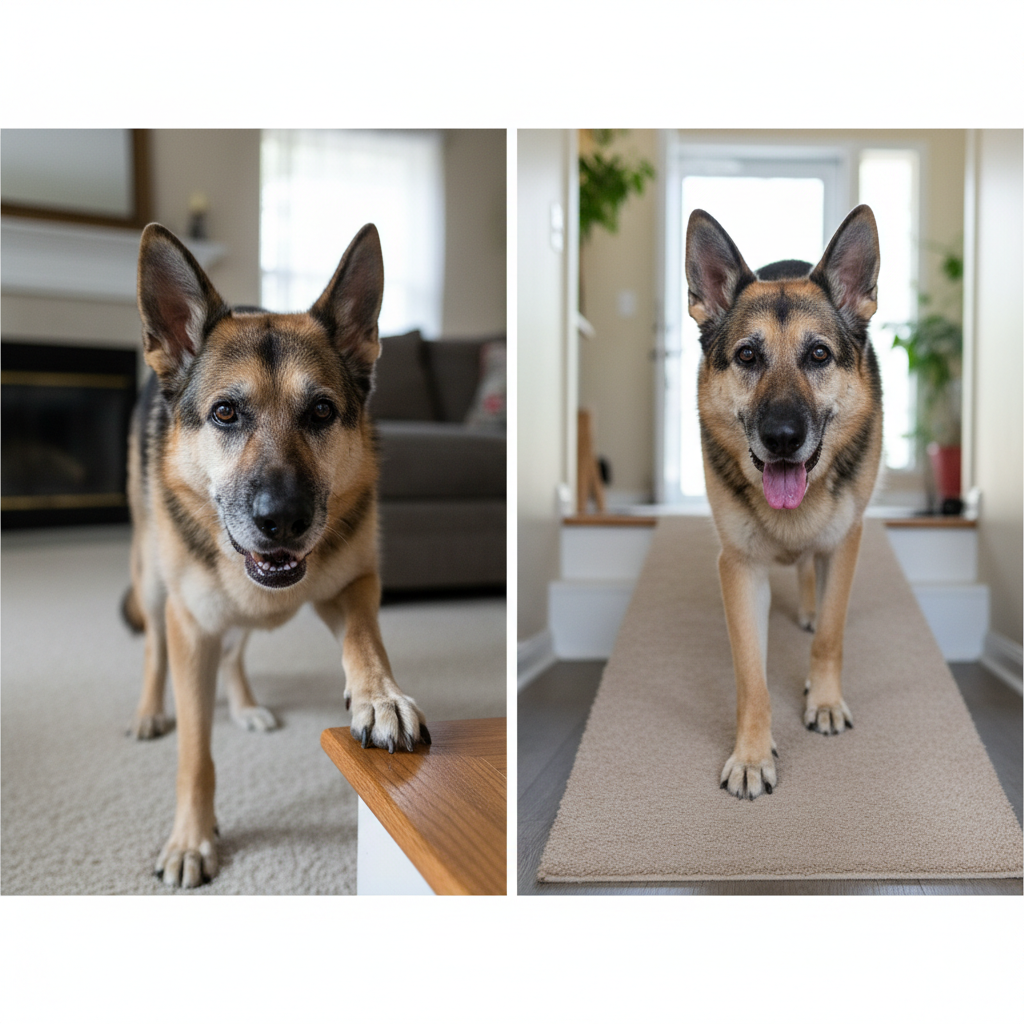
In 2026, the best approach for most dogs with moderate to severe osteoarthritis will involve a tailored combination of these therapies. Librela often provides the foundational pain relief, allowing other modalities like physical therapy and weight management to be more effective. The key is regular communication with your veterinarian to adjust the plan as your dog's needs evolve.
The Honest Conversation: Informed Consent and Monitoring
The phrase "it's just an injection" can lead to a casual approach to Librela, which is a disservice to both the medication's power and potential. Responsible pet ownership demands an honest conversation about informed consent. This isn't a routine vaccine; it's a potent biological agent with specific targets and potential implications.
Your veterinarian should explain:
- The mechanism of action: How Librela specifically works in your dog's body.
- Expected timeline for effect: When you might start seeing improvements.
- Potential side effects: A thorough review of both common and rare adverse events.
- Monitoring requirements: What signs to look for and when to contact the clinic.
- Cost and long-term commitment: The financial aspect and the understanding that this is typically a lifelong treatment.
To facilitate this ongoing monitoring, keeping a practical month-by-month monitoring journal can be incredibly valuable. This journal isn't just for you; it provides objective data for your veterinarian. Here's a template you can adapt:
Librela Monitoring Journal Template
Dog's Name: Date Librela Started: Injection Date (Month 1):
| Date | Activity Level (1-5, 5=normal) | Lameness (L/R front/back, 0=none, 3=severe) | Thirst (Normal/Increased) | Appetite (Normal/Decreased/Increased) | Behavior Changes (Notes) | Other Observations (Pain, Weakness, etc.) | Vet Contact Y/N | Notes (Med changes, etc.) |
|---|---|---|---|---|---|---|---|---|
| Aug 6, 2026 | 3 | R back 2 | Normal | Normal | Lethargic | Stiff rising | N | |
| Aug 13, 2026 | 4 | R back 1 | Normal | Normal | More engaged | Easier rising | N | |
| Aug 20, 2026 | 4 | R back 1 | Normal | Normal | Active | N | ||
| Aug 27, 2026 | 5 | 0 | Normal | Normal | Playful | N |
(Repeat for each week of the month, then create a new table for the next month's injection cycle.)
This simple journal provides a clear, objective record of your dog's response to Librela, allowing for proactive adjustments and ensuring their continued comfort and well-being. It transforms a potentially passive treatment into an active partnership between you, your dog, and your vet.
The Future of Canine Arthritis Management
As we look ahead, the field of veterinary medicine continues to advance rapidly. Librela represents a significant leap forward, but it's part of a broader trend towards more targeted, individualized therapies for chronic conditions. Research into other pain pathways, regenerative medicine, and even genetic therapies for osteoarthritis are ongoing.
For now, the focus remains on optimizing current treatments and ensuring every dog receives the most appropriate and humane care. The ongoing FDA review of adverse events and the accumulation of long-term data from institutions like Colorado State University will continue to refine our understanding of Librela's true place in the veterinary arsenal. What remains constant is the unwavering commitment of pet parents and veterinarians to provide the best possible quality of life for our beloved canine companions, ensuring their golden years are truly golden.
Frequently Asked Questions
What is Librela and how does it work for dog arthritis?+
Librela (bedinvetmab) is a monthly injectable medication for canine osteoarthritis. It works by targeting and neutralizing Nerve Growth Factor (NGF), a protein that plays a key role in transmitting pain signals. By blocking NGF, Librela effectively reduces chronic pain associated with arthritis, allowing dogs to move more comfortably.
What are the common side effects of Librela?+
While generally well-tolerated, some reported side effects include mild injection site reactions, and less commonly, owners have noted sudden hind-limb weakness, increased thirst, changes in appetite, and behavioral shifts. A very small subset of dogs has experienced accelerated joint decline. It's crucial to discuss any concerns with your veterinarian.
Can Librela be used with other arthritis medications?+
Yes, Librela can often be used alongside other arthritis treatments like NSAIDs (Non-Steroidal Anti-Inflammatory Drugs), Adequan, and Omega-3 fatty acid supplements. It's frequently part of a multi-modal pain management plan. Always consult your veterinarian before combining medications to ensure safety and effectiveness.
What should I do before my dog starts Librela?+
Before starting Librela, your veterinarian should conduct a comprehensive baseline assessment. This typically includes thorough bloodwork (CBC and biochemistry), a detailed orthopedic examination with potentially X-rays, and a review of your dog's full medical history. This ensures Librela is appropriate for your dog and provides a benchmark for monitoring.
How long does it take for Librela to work?+
Many owners report noticing improvements within a few days to a week after the first injection, with optimal effects often seen after the second dose. However, individual responses can vary. Consistent monthly injections are key to maintaining the pain-relieving benefits.
Sources
Related Reading
- Doggy Dementia Breakthrough: New At-Home Test Catches CCD Early!
- Is Your Senior Poodle Showing Early Sundowning Signs? New Hope for CCDS!
- Ozempic for Dogs? New Drug Trial Shows Promise for Canine Weight Loss
- Is Your Senior Dog Showing These Subtle Signs? New Study Reveals How to Fight Dog Dementia!
- Bonqat / Zenrelia: The First Dual-Purpose Anxiety Medication for Dogs Approved by FDA!
Share this story
The PawPulse Newsroom is a small editorial team of dog owners, trainers, and pet-industry writers reporting on dog health, training, nutrition, and breed trends.
Medically reviewed by PawPulse Veterinary Review Board.
Pin this to your Healthy Happy Dogs board
Vet-vetted wellness, symptom guides, and senior dog care pins.
Liked this story?
Share it with someone who should read it.
More from Dog Health & Wellness

IVDD Revolution: How We Slashed Dachshund Back Pain by 74%!

Cavalier MVD Breakthrough: 3 Tools That Add Years to Their Lives
