Snoretox-1: The 2026 Injection That Could Help Flat-Faced Dogs Breathe
Australian scientists at RMIT and biotech company Snoretox say a single injection eased breathing in flat-faced dogs in a small 2026 trial. Here's what the data really shows—and what owners of pugs, French and English bulldogs should do next.

If you live with a pug, French bulldog or English bulldog, you know the soundtrack: snoring, snorting, and that frantic open-mouth panting after a short walk. In April 2026, researchers at RMIT University and Melbourne biotech Snoretox announced something that genuinely surprised the veterinary world: a single injection that, in a small pilot trial, helped six British bulldogs breathe and exercise more comfortably. The therapy is called Snoretox-1, and it could become the first pharmacological treatment for Brachycephalic Obstructive Airway Syndrome (BOAS).
This isn''t a magic cure—and the trial was tiny. But it''s the first time a non-surgical option has shown a measurable signal in flat-faced dogs, and it''s worth understanding before social media turns it into something it isn''t.
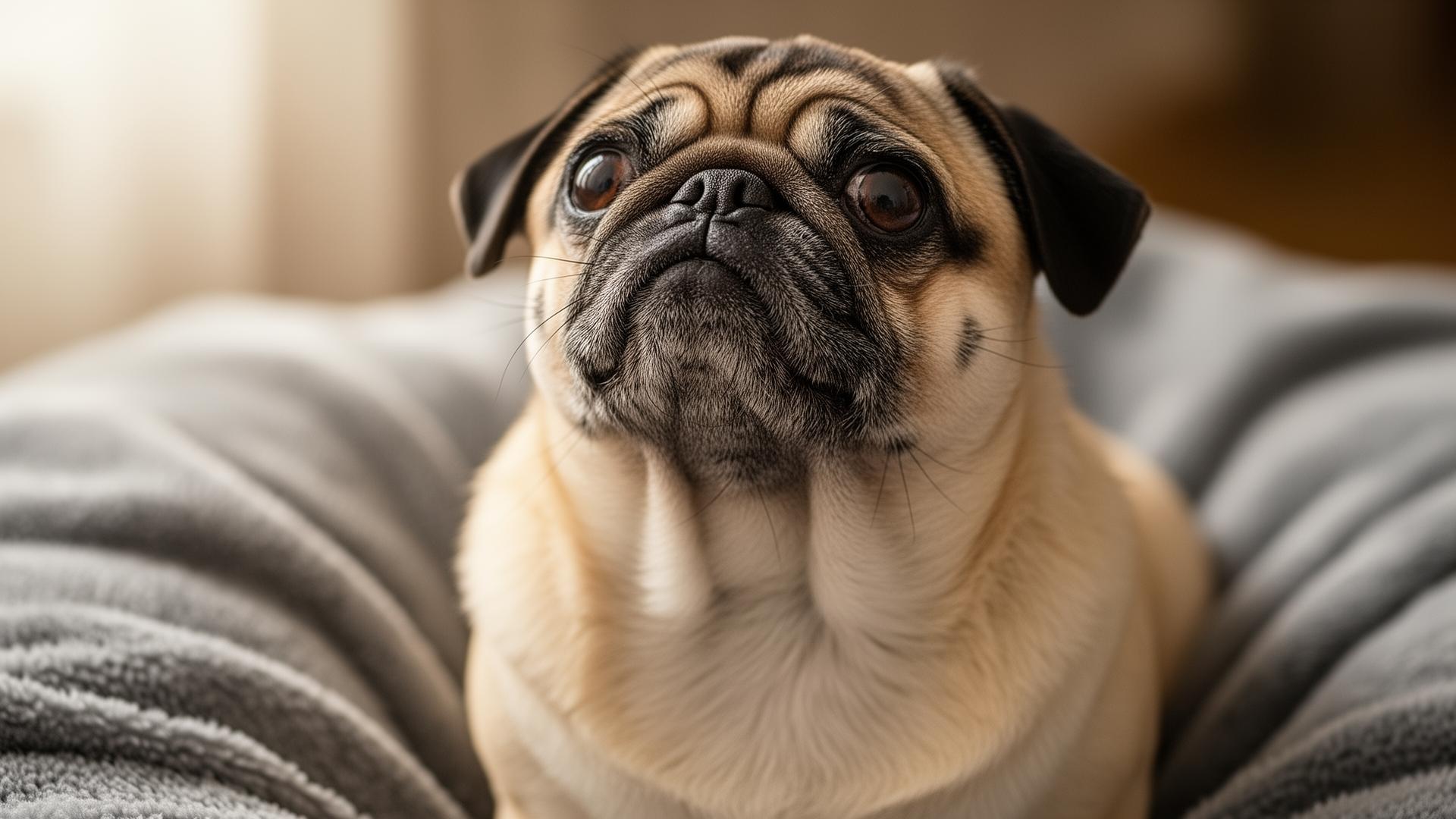 Pugs are one of the breeds most affected by BOAS, with up to half showing clinical signs.
What is BOAS, and why does it matter so much?
Brachycephalic Obstructive Airway Syndrome is the umbrella term for the breathing problems caused by a short skull. Narrow nostrils, an oversized soft palate, a long tongue, and a small windpipe all combine to turn ordinary breathing into hard work. According to large surveillance studies, almost half of all pugs, French bulldogs and English bulldogs show clinical signs at some point in their lives—snoring, gagging, exercise intolerance, sleep-disordered breathing, and in serious cases, heatstroke.
Until now, the only effective treatment has been corrective surgery: widening the nostrils, shortening the soft palate, and removing tissue from the larynx. It works, but it''s invasive, expensive, and not all dogs are good anaesthetic candidates. We''ve covered the breed-by-breed risk picture before in our deep dive on which flat-faced dog breeds have the worst breathing problems.
How Snoretox-1 actually works
The therapy, described in a clinical observation paper indexed in PubMed, is a fusion of a muscle-toning protein based on tetanus toxin with a "decoy" component that targets specific neuromuscular endplates in the soft palate and pharynx. In plain English: it tightens up the floppy throat tissue that collapses inward every time a brachycephalic dog breathes in.
Six British bulldogs with confirmed BOAS received a single injection. After treatment, owners and clinicians reported:
- Quieter, less laboured breathing at rest
- Better tolerance of moderate exercise
- Improved scores on standardised BOAS exercise tests
- No serious adverse events during the observation window
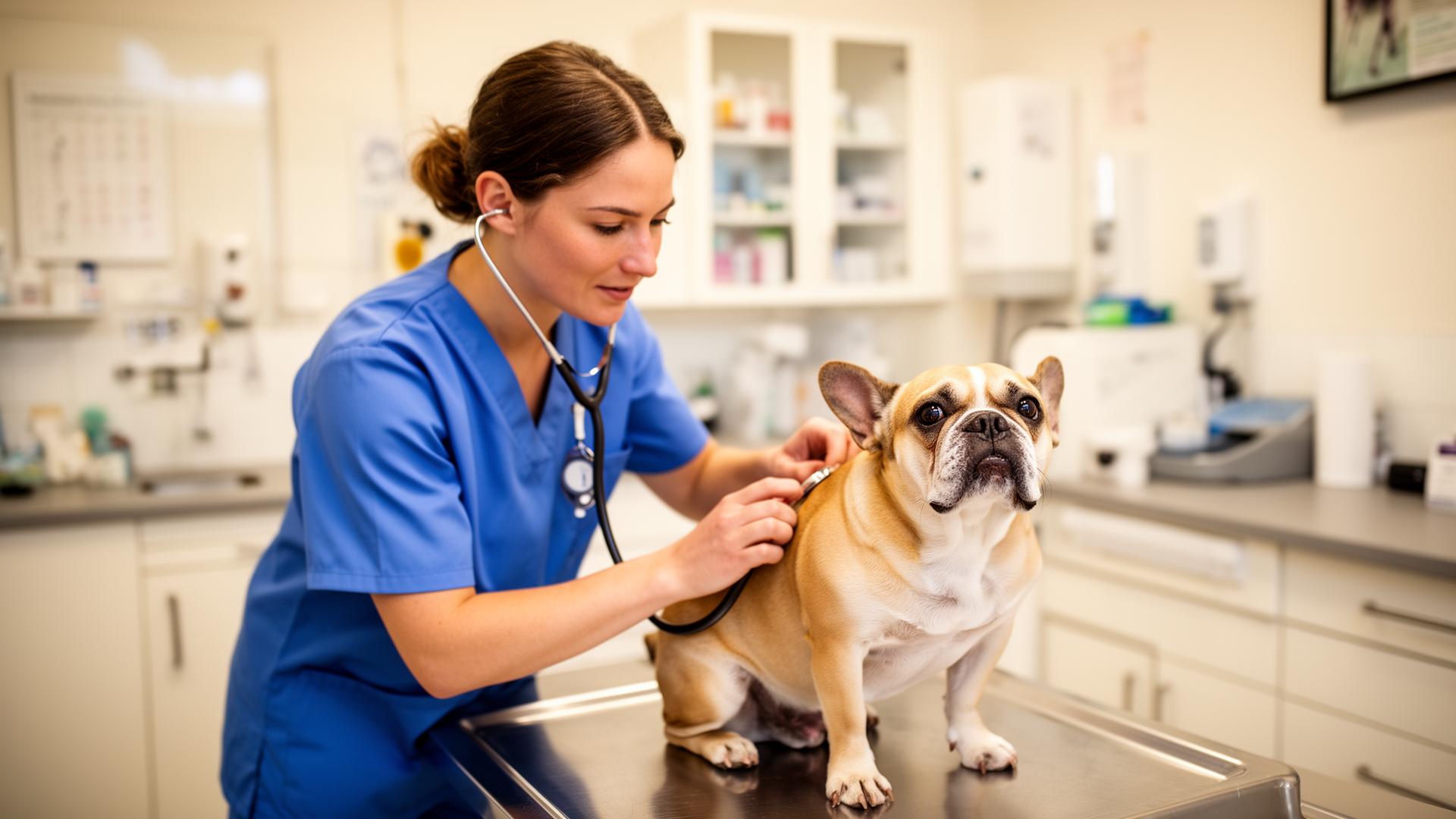 Any flat-faced dog being considered for new therapies needs a thorough vet workup first.
What the trial does not prove (yet)
Six dogs is a pilot, not a verdict. There was no placebo arm, no long-term follow-up published yet, and the trial focused on British bulldogs only—not pugs, French bulldogs, Boston terriers or shih tzus, who all have slightly different anatomy. Larger randomised trials are planned, and Australian regulators have not approved the therapy for general use.
For owners, the practical message is the same one we keep coming back to in our small-breed health coverage: don''t wait for a miracle drug. The fundamentals still matter most.
What flat-faced dog owners should do today
- Get a BOAS grade. Many vet schools now offer functional grading—a short walk or trot test that scores your dog''s breathing under mild exertion. It''s the single best way to know where your dog actually sits on the spectrum.
- Manage weight aggressively. Even one or two extra kilos drastically worsens BOAS signs. A leaner dog breathes easier—full stop.
- Avoid heat and humidity. Brachycephalic dogs are at very high heatstroke risk. Walk early or late, never in the heat of the day, and never leave them in a warm car or conservatory.
- Use a harness, not a collar. Pressure on the neck makes airway collapse worse.
- Don''t skip the surgical conversation. If your dog already snorts at rest or gags after eating, surgical correction is still the most evidence-backed option in 2026.
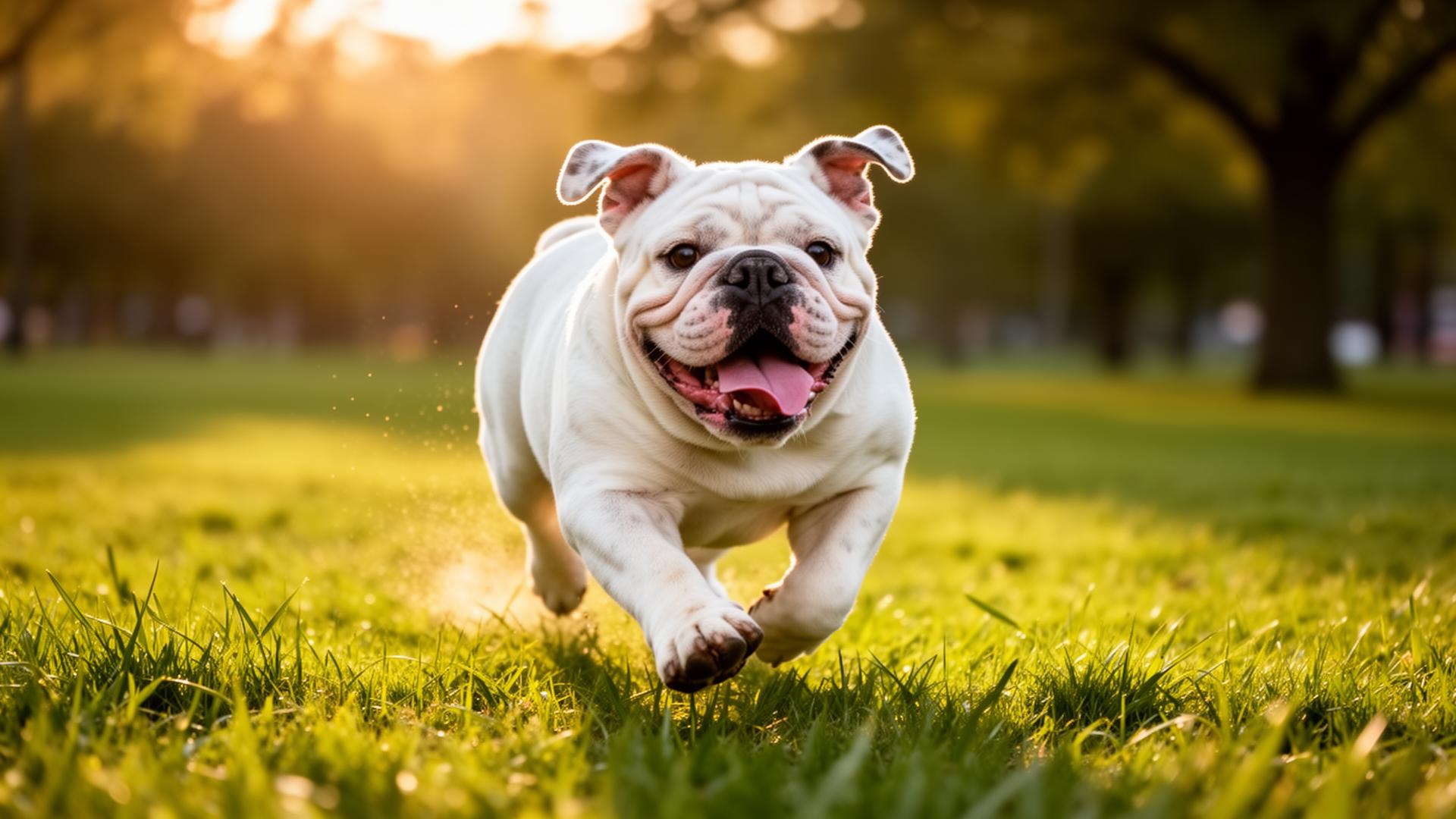 The goal of any BOAS therapy: a dog who can run and play without struggling for air.
How this fits into the bigger 2026 picture
Snoretox-1 lands at a moment when veterinary science is rethinking the whole brachycephalic story. Genome studies are mapping the variants behind flat faces, the UK Royal Veterinary College keeps publishing data showing reduced lifespans in extreme conformations, and breeder bodies in Norway and the Netherlands have already restricted some bulldog breeding. If you''re curious how breed-specific health risks stack up more broadly, our piece on the top health risks in chihuahuas shows the same kind of registry science applied to a very different small breed.
And if your dog already has a chronic respiratory diagnosis, you may want to read our explainer on whether heartworm-positive dogs can safely have surgery—because in flat-faced breeds, anaesthesia planning is everything.
The bottom line
Snoretox-1 is the most exciting non-surgical news for flat-faced dogs in years, but it is one small trial in one breed. Treat it as a green light for hope, not a reason to delay anything your vet is already recommending. The dogs who will benefit most from future therapies are the ones whose owners are already doing the unglamorous work today—lean weight, harnesses, cool walks, and honest conversations about quality of life.
Frequently Asked Questions
What is Snoretox-1?+
Snoretox-1 is an investigational injectable therapy developed by RMIT University and Australian biotech Snoretox. It combines a muscle-toning protein based on tetanus toxin with a targeting decoy to firm up the soft palate tissue that collapses in flat-faced dogs.
Is Snoretox-1 available at my vet?+
Not yet. As of 2026 it has only been tested in a small pilot trial of six British bulldogs and is not approved for general veterinary use anywhere in the world.
Which breeds could benefit most?+
BOAS is most common in pugs, French bulldogs, English bulldogs, Boston terriers, shih tzus and Pekingese. The trial only included English bulldogs, so we don't yet know how well it would work in other brachycephalic breeds.
Does this replace BOAS surgery?+
No. Surgical correction—widening nostrils and trimming the soft palate—remains the most evidence-backed treatment in 2026. Snoretox-1 may eventually become an option for dogs who can't have surgery, but the data isn't there yet.
What can I do for my flat-faced dog right now?+
Keep weight lean, walk in cool weather only, use a harness instead of a collar, avoid stairs and high-impact play, and ask your vet for a BOAS functional grading test to know where your dog truly stands.
Sources
Related Reading
Share this story
Pin this to your Healthy Happy Dogs board
Vet-vetted wellness, symptom guides, and senior dog care pins.
Liked this story?
Share it with someone who should read it.
More from Dog Health & Wellness

Doggy Dementia Breakthrough: New At-Home Test Catches CCD Early!

H5N1 Bird Flu: What Dog Owners *Must* Know Now
