Sugarcane to the Rescue: The 2026 ACS Study on a Molasses Spray That Kills Dog Bad Breath
A new American Chemical Society study tested a spray made from sugarcane molasses polyphenols on 10 dogs with halitosis — within an hour, bad-smelling compounds were undetectable, and after 30 days, odor-causing bacteria like Porphyromonas and Fusobacterium had dropped dramatically.

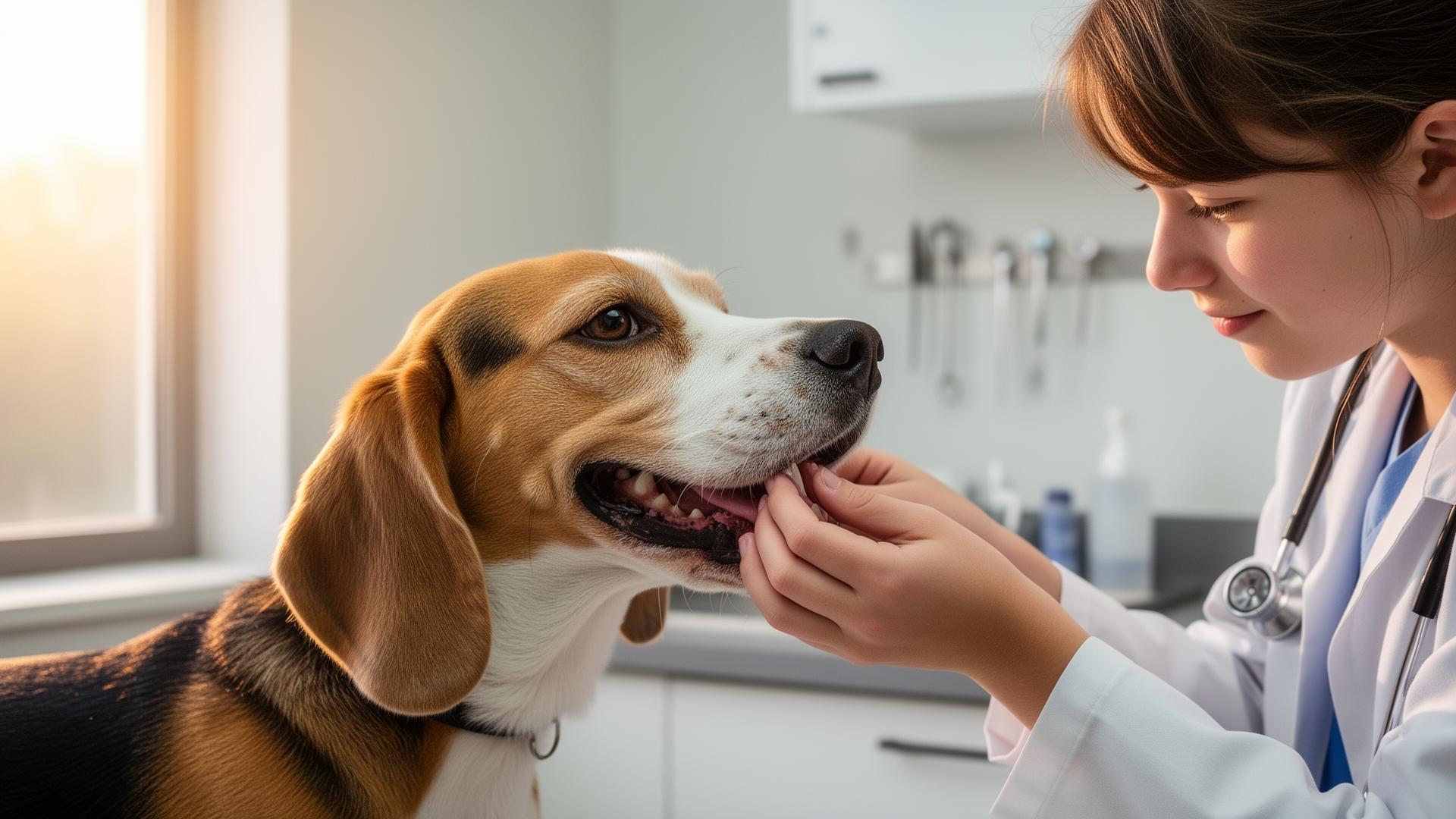 The 2026 ACS study suggests a sugarcane-derived spray could replace harsh chemical rinses for everyday canine oral care.
If you have ever leaned in for a kiss from your dog and recoiled at the smell, you are not alone — and you are not imagining things. Persistent canine halitosis is often the first visible sign that bacteria are quietly damaging your dog's gums and teeth. Until now, the standard answers have been daily brushing, professional cleanings under anesthesia, antibiotics, or chemical rinses. A new study published in May 2026 in the Journal of Agricultural and Food Chemistry proposes something far gentler: a spray made from polyphenols extracted from sugarcane molasses, a sticky by-product of sugar refining usually destined for cattle feed or fermentation.
The study, led by Hongye Li at Jiangnan University, recruited 10 healthy pet dogs whose owners agreed their breath was unmistakably bad. Within an hour of a single spray, trained human evaluators rated the dogs' breath as essentially odor-free, and gas chromatography–mass spectrometry could no longer detect several classes of smelly compounds in their saliva. After 30 days of daily use, the dogs' oral microbiomes had quietly reshuffled in the direction veterinary dentists have wanted for years.
Why dog breath actually smells
Canine halitosis is rarely about what your dog just ate. It is mostly about which microbes are winning the war on your dog's gums. Anaerobic bacteria — especially Porphyromonas and Fusobacterium — feed on food debris and proteins trapped along the gumline, then exhale volatile sulfur compounds, short-chain fatty acid esters, amines, and aldehydes. Those are the same chemical families that make rotten eggs, sour milk, and fish smell bad.
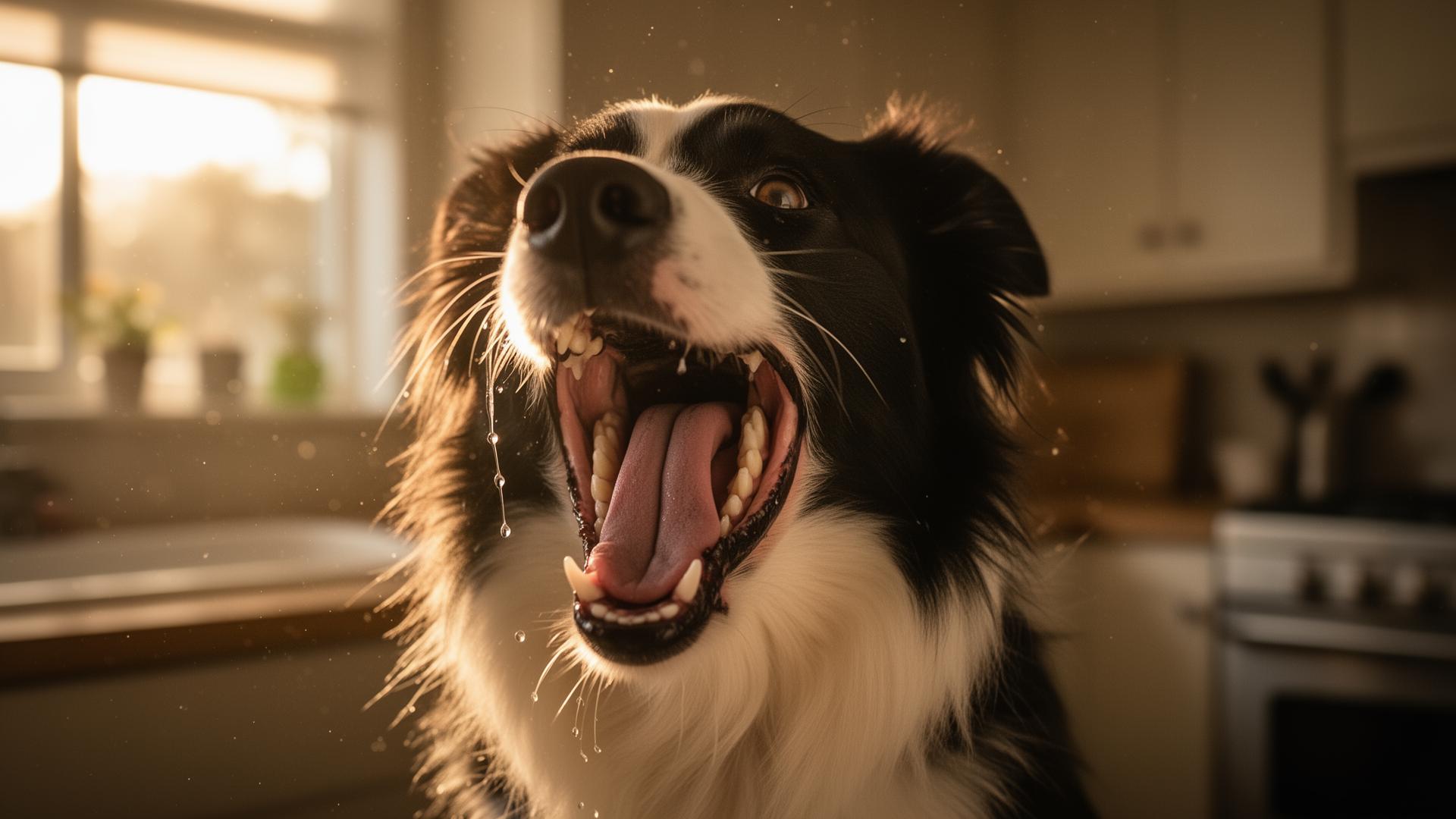 Most dog breath odor is produced by anaerobic bacteria living between the teeth and along the gumline — not by stomach issues.
This is also why bad breath rarely improves on its own. By the time you notice it, plaque has usually hardened into tartar, and the oral microbiome has shifted toward the species that thrive in inflamed gum pockets. That is the same shift the new spray was designed to reverse.
What the spray actually is
The researchers were not inventing a new drug. They were repurposing a waste stream. Sugarcane molasses is loaded with polyphenols — the same broad family of plant compounds found in green tea, red wine, and dark berries. In an earlier round of lab work, Li's team had already shown these molasses polyphenols suppress the growth of harmful oral bacteria in petri dishes. The 2026 study was the first time they tested the extract in living dogs.
The formula is intentionally simple: an aqueous spray of polyphenols extracted from molasses, delivered with a small pump bottle into the dog's mouth. According to Li, "The spray itself has a mild plant-like and molasses-like smell, but it is not strong or unpleasant" — which matters, because dogs reject anything that tastes aggressively medicinal.
The 1-hour result: instant deodorizing, not masking
Sixty minutes after a single application, human evaluators trained in odor scoring could barely detect bad breath from the treated dogs. Crucially, the team showed this was not a perfume-style cover-up. Lab analysis confirmed that esters, amines, and aldehydes — the actual molecules responsible for the stink — were reduced or undetectable in saliva. The polyphenols were binding to the odor molecules themselves and pulling them out of the air.
The 30-day result: a healthier oral microbiome
The more interesting finding came after a month of daily use. Saliva from the 10 dogs contained measurably less of the short-chain fatty acid esters and aldehydes that signal active bacterial fermentation. Sequencing of the oral microbiome showed significant drops in Porphyromonas and Fusobacterium, two genera strongly linked to periodontal disease in both dogs and humans.
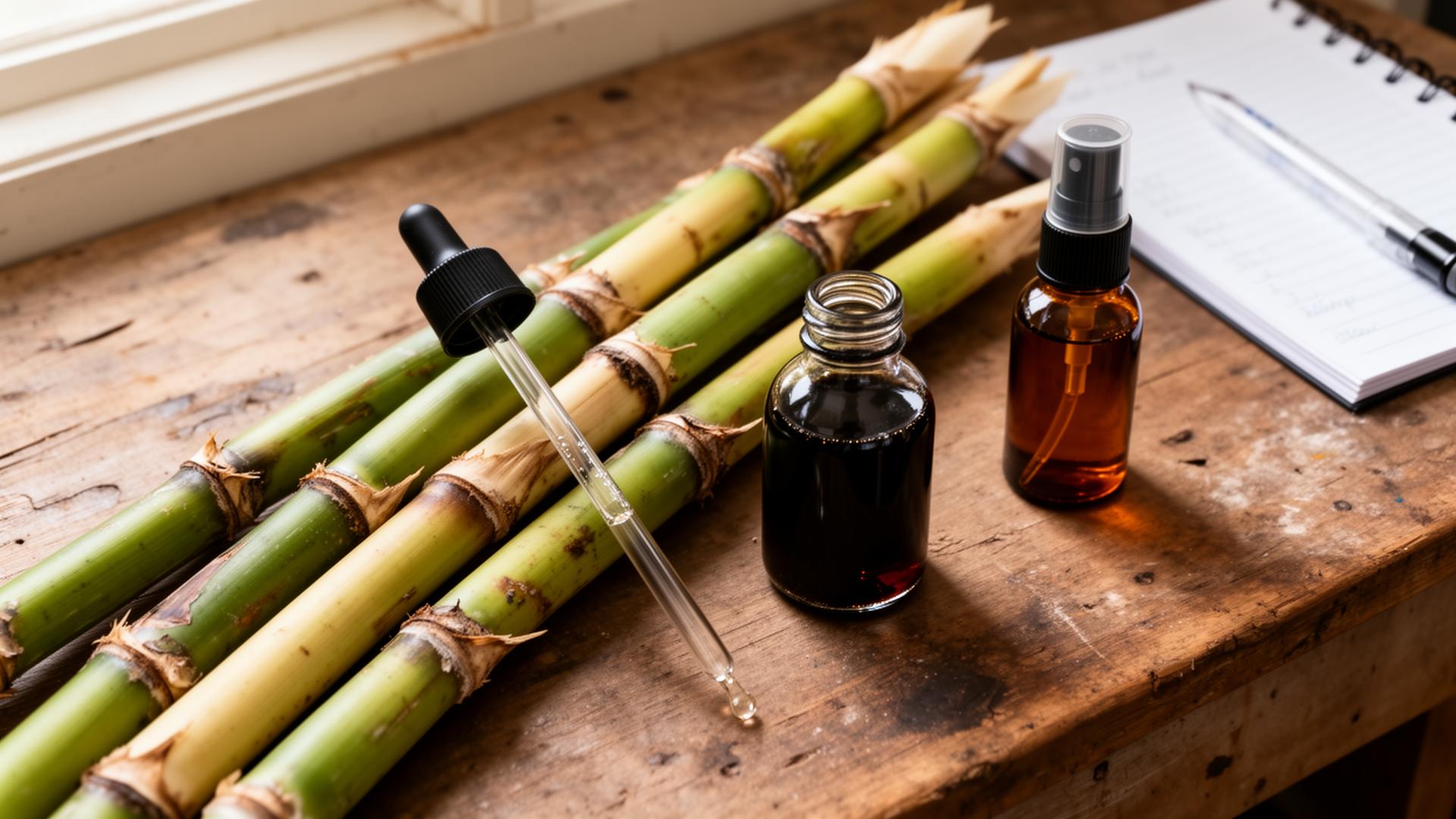 The active ingredients are polyphenols extracted from sugarcane molasses — an agricultural by-product usually used as cattle feed.
Li describes the polyphenols as working three ways at once. First, they act like a "molecular sponge," directly binding existing odor compounds. Second, they flip a "switch" on bacterial enzymes that manufacture foul-smelling metabolites. Third, they slowly "garden" the mouth, weeding out the species most responsible for bad breath and periodontal disease.
How this fits with what we already know about canine oral health
The mouth-body connection in dogs is much tighter than most owners realize. Chronic gum inflammation has been linked to changes in the gut and even to behavior, similar to the patterns seen in the 2026 Helsinki gut-microbiome and canine anxiety study. Aging dogs with untreated periodontal disease also appear to fare worse cognitively — a theme echoed in recent ELTE research on canine cognitive decline. And of course, anything that reduces general inflammation matters more for breeds already coping with airway disease, like those discussed in the 2026 RMIT Snoretox-1 study on flat-faced dogs.
What owners should and should not do right now
The polyphenol spray is not commercially available yet. The trial only included 10 dogs and ran for a month — large enough to be promising, far too small to be definitive. Larger studies will need to look at long-term safety, how the spray performs in dogs with diagnosed periodontal disease, and whether the effect holds in different diets and breeds.
In the meantime, the basics still win:
- Brush as often as you can. Daily is ideal; even three times a week meaningfully reduces tartar.
- Use products with the VOHC seal. The Veterinary Oral Health Council vets dental chews, water additives, and toothpastes for real efficacy.
- Schedule annual oral exams. By age three, most dogs already show some periodontal disease.
- Watch what changes. Sudden bad breath, drooling, dropped food, or pawing at the mouth deserves a vet visit, not just a stronger rinse.
- Diet matters. What goes in the bowl reshapes the mouth and gut microbiome — see our breakdown of fresh food vs kibble in the 2026 Frontiers study.
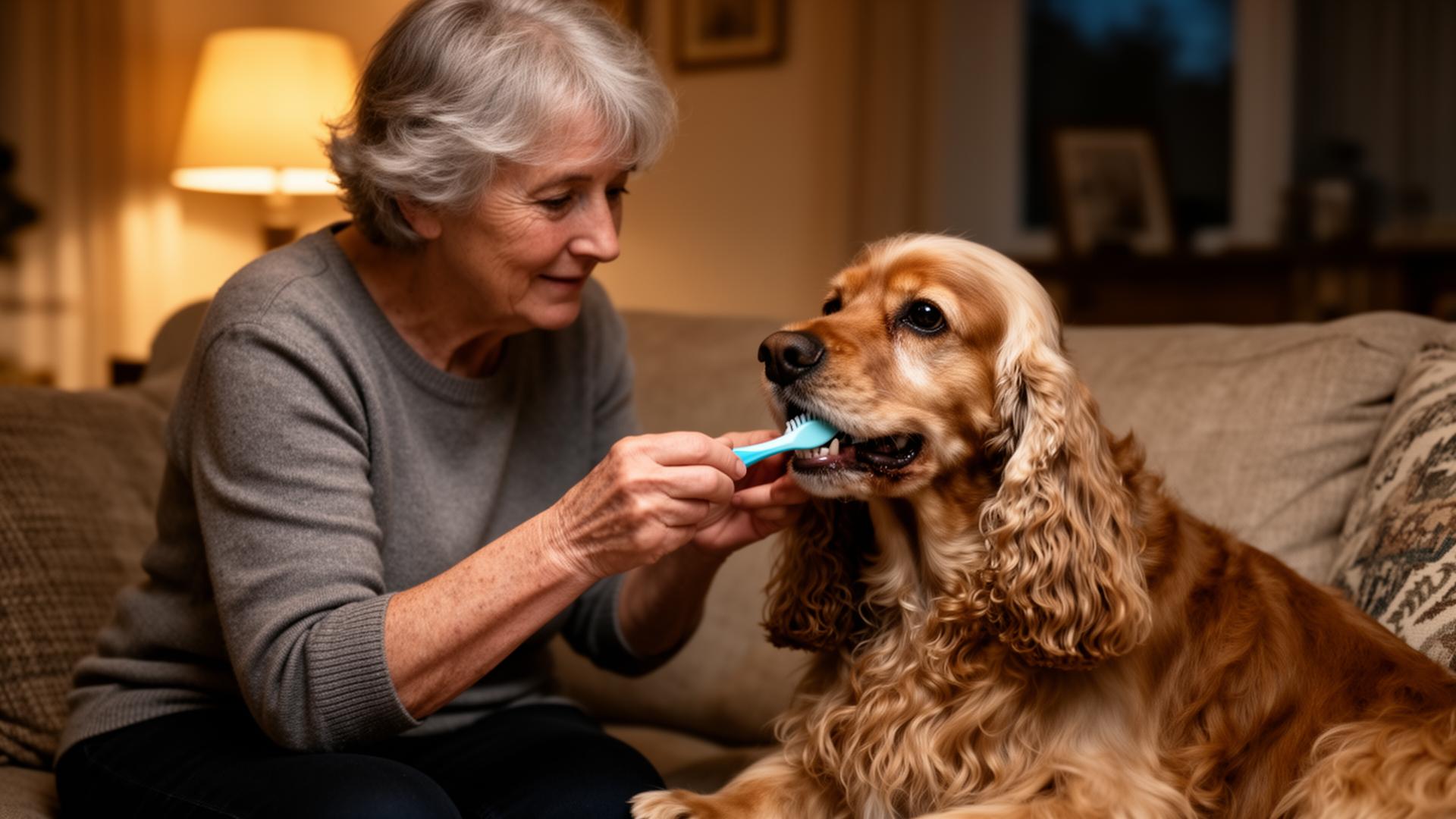 Until the spray is commercially available, regular brushing remains the single best tool against canine halitosis.
Why this study matters beyond breath
If the molasses polyphenol spray holds up in larger trials, it could reshape everyday canine dentistry in two ways. First, it offers a gentle, food-grade alternative to chlorhexidine rinses — which work but taste bitter and stain teeth. Second, it turns a waste stream into a wellness product, the same logic behind a wave of new sustainable veterinary innovations. And because periodontal bacteria contribute to systemic inflammation, the downstream effects might extend well beyond your dog's mouth — possibly affecting behavior and disease risk profiles like those studied in Golden Retrievers.
For now, the lesson is simpler. Bad dog breath is not just unpleasant — it is data. And science is starting to show that the cheapest possible source of relief might be growing in a sugarcane field.
Frequently Asked Questions
What causes really bad breath in dogs?+
Most canine halitosis comes from anaerobic bacteria like Porphyromonas and Fusobacterium living along the gumline, which produce volatile sulfur compounds, esters, amines, and aldehydes.
Is molasses safe for dogs to ingest?+
Plain molasses is not toxic in small amounts, but the study used a purified polyphenol extract, not raw molasses. Do not spray syrup in your dog's mouth at home — wait for a properly formulated product.
Can I buy the molasses polyphenol spray now?+
No. The 2026 ACS study is a small pilot trial. Larger safety and efficacy studies are needed before any commercial product reaches the market.
Does the spray replace tooth brushing?+
Not yet. The study only ran for 30 days in 10 healthy dogs. Brushing and professional dental cleanings remain the proven standard of care.
When should I see a vet about my dog's bad breath?+
If the smell appeared suddenly, is accompanied by drooling, dropped food, pawing at the mouth, bleeding gums, or weight loss, book a veterinary oral exam — it may indicate periodontal disease or a tooth abscess.
Sources
Related Reading
Share this story
Pin this to your Healthy Happy Dogs board
Vet-vetted wellness, symptom guides, and senior dog care pins.
Liked this story?
Share it with someone who should read it.
More from Dog Health & Wellness

Cavalier MVD Breakthrough: 3 Tools That Add Years to Their Lives

IVDD Breakthrough: New Protocol Slashes Dachshund Risk by 63%!
