A Shot to Help Pugs and Bulldogs Breathe: The 2026 RMIT Snoretox-1 Study
A 2026 pilot study from RMIT University and biotech firm Snoretox shows that a single injection of Snoretox-1 may relieve the airway obstruction that makes life miserable for nearly half of all flat-faced dogs.

For decades, owners of Pugs, French Bulldogs, and British Bulldogs have been told the same thing: their beloved squishy-faced companion just sounds like that. The snorting, snoring, gagging, and heat intolerance were the price of the breed. A new Australian study, published in April 2026 by RMIT University and the Melbourne biotech company Snoretox, is the first serious attempt to change that story without surgery.
The pilot trial of Snoretox-1 — a targeted neuromuscular injection — tested the therapy on 6 British Bulldogs suffering from Brachycephalic Obstructive Airway Syndrome (BOAS). The early results are striking enough that veterinarians around the world are paying attention.
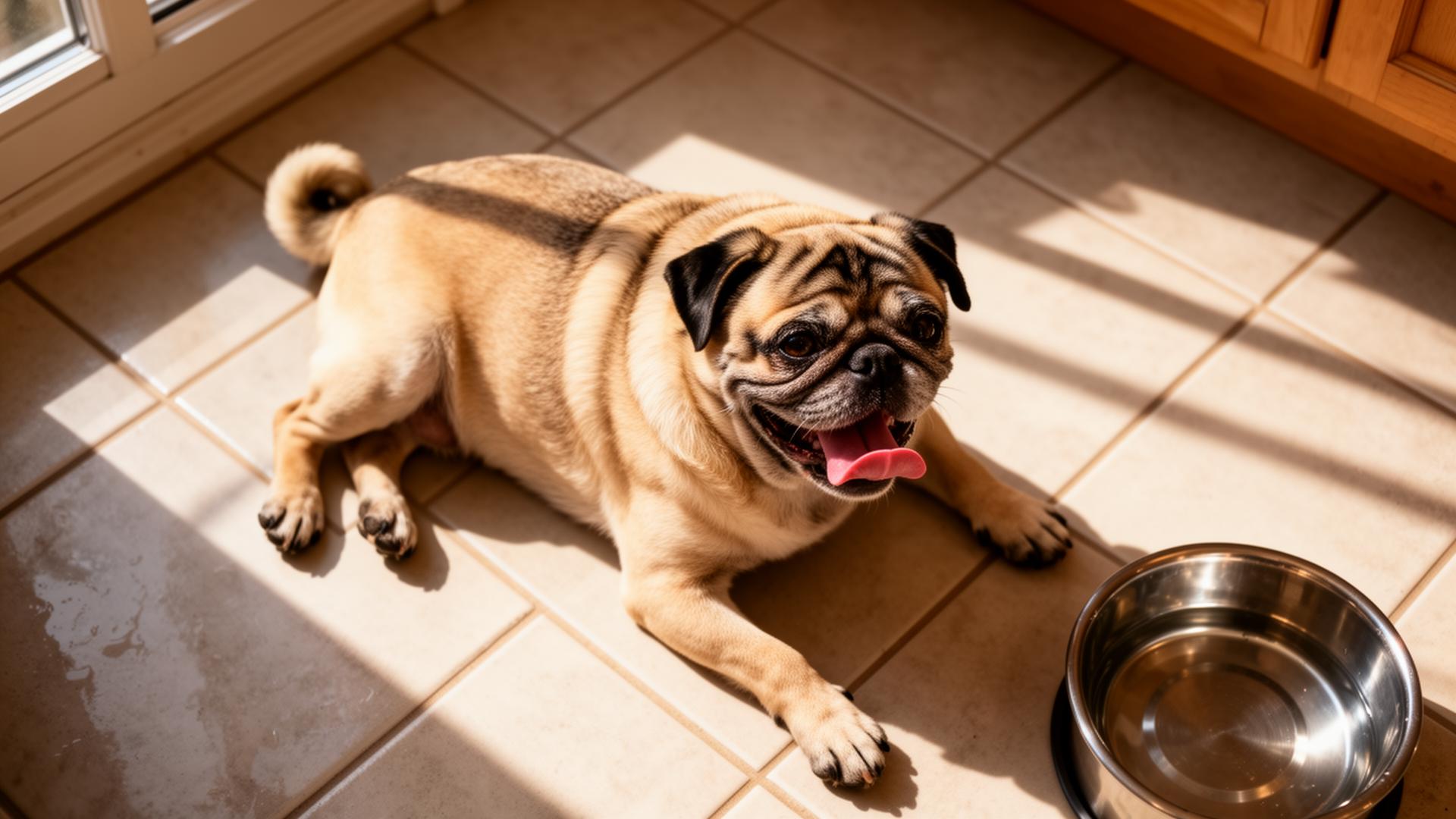 For many flat-faced dogs, even a warm afternoon at home triggers laboured, noisy breathing.
What BOAS actually does to a flat-faced dog
Brachycephalic Obstructive Airway Syndrome is not snoring. It is a chronic, progressive disease caused by selectively breeding dogs to have skulls shorter than nature ever intended. The soft tissues inside the nose, throat, and palate do not shrink at the same rate as the bones, so they get crammed into a space that is too small for them. The result is a permanently obstructed airway.
Almost half of all Pugs, French Bulldogs, and British Bulldogs are clinically affected. Signs include:
- Loud, raspy breathing even at rest
- Snoring and sleep-disordered breathing
- Heat intolerance and rapid overheating
- Exercise intolerance and collapse
- Regurgitation, retching, and chronic GI upset
Until now the only real treatment has been surgery — widening the nostrils, shortening the soft palate, and removing the everted laryngeal saccules. It works, but it is invasive, expensive, and most owners delay it for years because the idea of operating on a dog's throat is terrifying.
How Snoretox-1 works
This is where the RMIT collaboration gets clever. Snoretox-1 is built from a modified tetanus toxin combined with a "decoy" protein. Instead of paralysing muscle the way Botox does, it does the opposite — it tones specific muscles in the upper airway so they stay open during breathing. The decoy steers the active ingredient to exactly the right tissues and prevents it from drifting elsewhere in the body.
In simple terms: it is a targeted injection that tightens the floppy soft tissue blocking a flat-faced dog's airway, without anaesthesia, without surgery, and without affecting any other muscle group.
 The therapy was developed in Melbourne by Snoretox in collaboration with RMIT University.
What the pilot study found
The pilot enrolled 6 British Bulldogs with confirmed BOAS. After a single dose of Snoretox-1, researchers observed:
- Measurable reductions in inspiratory effort within weeks
- Improved exercise tolerance reported by every owner
- Quieter sleep with less audible snoring
- No serious adverse events, no systemic spread of the toxin
It is a tiny sample, and the authors are honest about that. But for a first-in-dog trial of a brand-new biologic, the safety profile and the consistency of the response are enough to move the program into larger studies. The team is now planning trials in Pugs and French Bulldogs, the two breeds where BOAS is most common.
What this means if you own a flat-faced dog today
Snoretox-1 is not yet available to your vet. Pilot trial to commercial availability typically takes 2–4 more years, and the therapy will likely be priced as a specialist procedure rather than a routine vaccine. In the meantime, the things that already work still matter most:
- Keep weight down. Every extra kilo crushes the airway further. This is the single biggest lever owners control.
- Walk in cool hours. Early morning and after sunset only in summer.
- Use a harness, never a collar. Neck pressure on an already-obstructed airway is dangerous.
- Get a BOAS grading done. A short walking test at a vet clinic tells you whether your dog is grade 0, 1, 2 or 3 — and grade 2+ dogs benefit from surgery now, not "if it gets worse".
- Watch for sleep apnoea. If your dog wakes itself up gasping, that is a medical emergency, not a quirk.
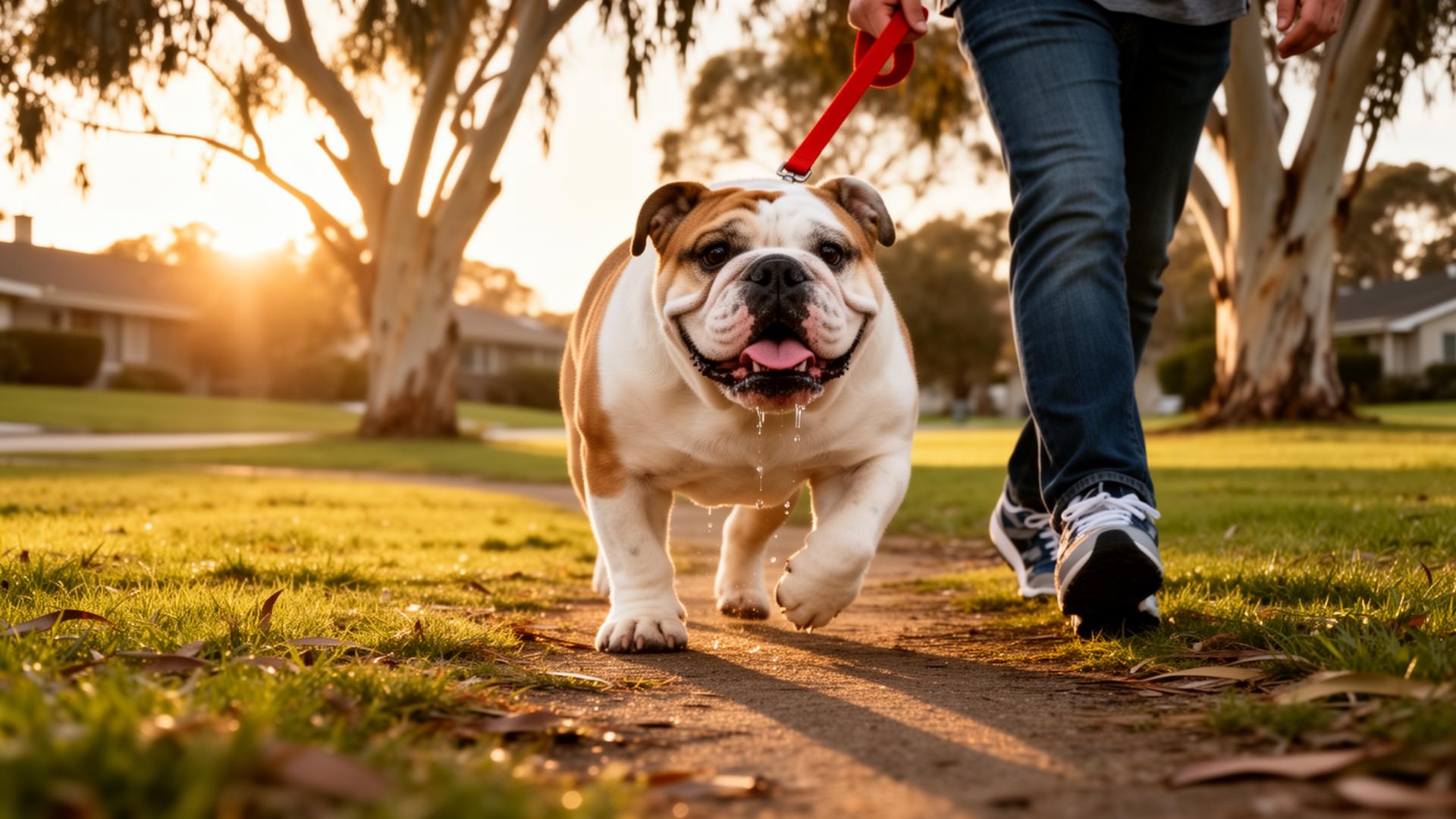 Cool-hour walks, a harness, and a healthy weight remain the strongest tools every owner has right now.
The bigger picture: a quiet revolution in brachycephalic medicine
Snoretox-1 lands in the middle of a much wider 2026 shift in how science thinks about flat-faced breeds. Several countries are tightening breeding standards. Insurers are starting to refuse cover for severely brachycephalic puppies. And researchers are publishing genetic, behavioural, and welfare data that owners need to read before picking a breed — including the 2026 RVC study on doodle behaviour and the Cambridge GWAS on Golden Retriever genes that mirror human anxiety.
If you already share your home with a Pug, a Frenchie, or a Bulldog, none of this is a reason for guilt. It is a reason for vigilance. Pair what we know works today with the new science arriving tomorrow — including the ELTE study on lifelong activity protecting senior dogs and the Helsinki gut-microbiome research — and your flat-faced dog stands a real chance of breathing easier than any generation before them.
For more on cutting-edge canine medicine, see our coverage of non-invasive bone cancer treatment and the Penn Vet study on inherited blindness.
Frequently Asked Questions
Is Snoretox-1 available at my vet?+
Not yet. As of 2026 it is in early pilot trials in Melbourne. Larger studies in Pugs and French Bulldogs are being planned, and commercial use is expected to take a few more years.
Will it replace BOAS surgery?+
Probably not entirely. Surgery corrects the underlying anatomy; Snoretox-1 tones the soft tissue. For severe grade 3 cases surgery will still be the gold standard, but Snoretox-1 could become a first-line option for mild to moderate cases.
Is it safe? Tetanus toxin sounds scary.+
The active ingredient is modified and paired with a decoy protein that keeps it locked onto airway muscles. In the pilot study no serious adverse events were observed, and no systemic spread was detected.
My dog snores loudly. Does that mean they have BOAS?+
Loud, consistent snoring in a brachycephalic breed is a red flag and worth a BOAS grading test at your vet. Many owners assume it is normal — it is common, but it is not healthy.
What can I do right now to help my flat-faced dog breathe better?+
Keep them lean, walk them only in cool hours, use a Y-shaped harness instead of a collar, and ask your vet about a formal BOAS functional grading. These four steps make a measurable difference even before any new therapy is available.
Sources
Related Reading
Share this story
Pin this to your Healthy Happy Dogs board
Vet-vetted wellness, symptom guides, and senior dog care pins.
Liked this story?
Share it with someone who should read it.
More from Dog Health & Wellness

Cavalier MVD Breakthrough: 3 Tools That Add Years to Their Lives

IVDD Breakthrough: New Protocol Slashes Dachshund Risk by 63%!
