From 8 Lots to 180+: What the May 2026 Raaw Energy Raw Dog Food Recall Means for Your Freezer Tonight
A January 2026 FDA advisory on 8 lots of Raaw Energy frozen dog food has expanded to more than 180 lots after additional Listeria detections across 9 states. Here's how to identify recalled product, what symptoms to watch for, and the decontamination steps most owners miss.

When the FDA first flagged Raaw Energy frozen dog food in January 2026, the advisory covered just eight lots. By May 28, that number had ballooned past 180 lots — every product the New Jersey company manufactured between July 17, 2025 and December 23, 2025, plus an additional Beef and Turkey Medley batch dated 3.31.26. Production has been halted, the freezer aisle is hot, and federal regulators are openly criticizing the company for dragging its feet.
If you feed raw, or know someone who does, this is the story you need on your radar this week.
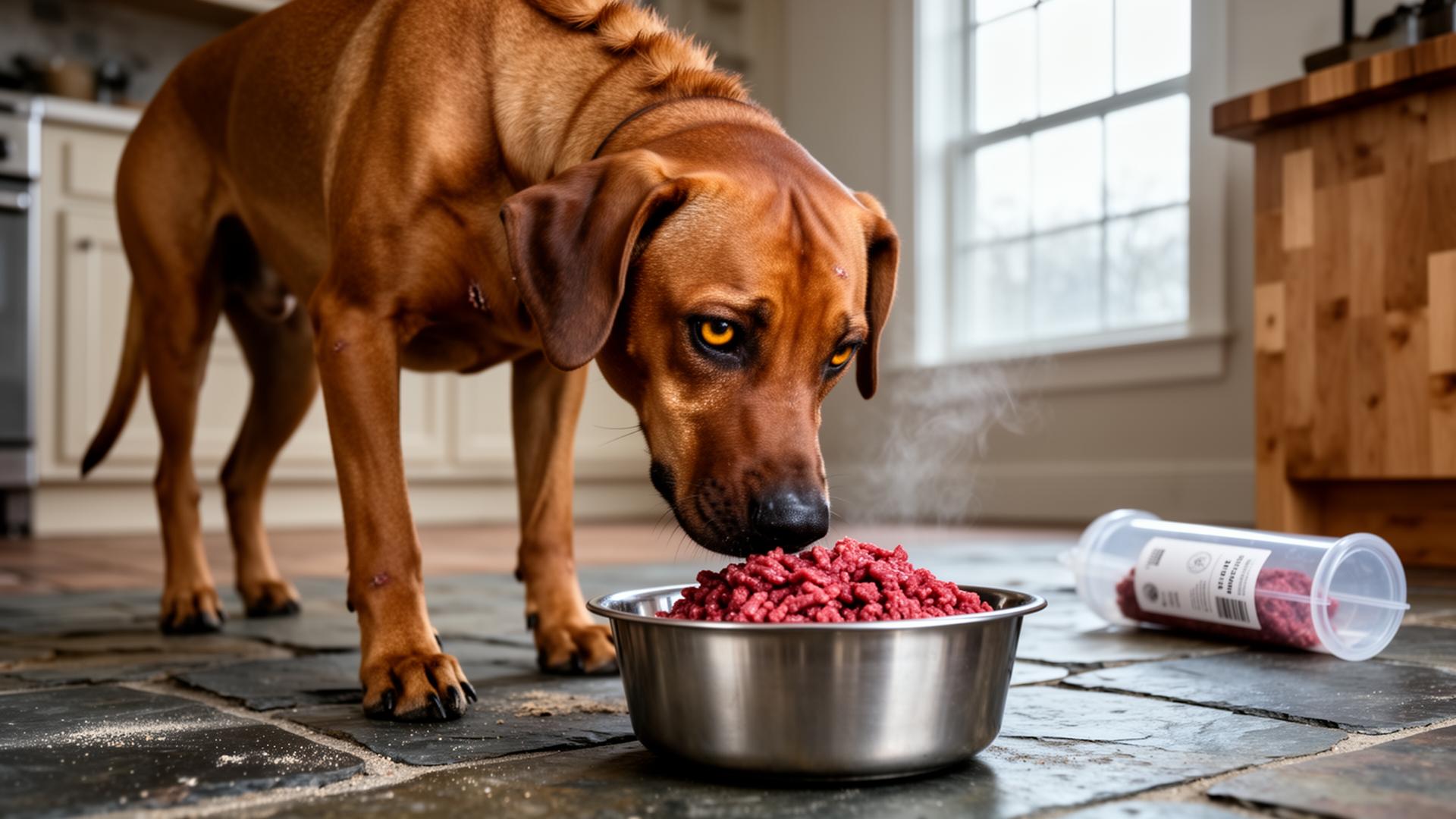
What was recalled, and why it grew so fast
The trigger was a single sick dog. After a January 2026 consumer complaint, agriculture officials in Connecticut and New Jersey tested eight unopened tubes of Raaw Energy frozen dog food. According to the FDA, every one tested positive for Listeria monocytogenes. Several also grew Salmonella and Campylobacter jejuni — a trifecta of zoonotic pathogens in a single product line.
The FDA asked Raaw Energy to recall. The company didn't — at least not at the scale regulators considered adequate. Four months later, the New Jersey Department of Agriculture pulled four additional samples from the same production window. All four came back positive for Listeria.
On May 21, Raaw Energy shut down production entirely. The next day, it expanded the recall to cover essentially everything it had made for the back half of 2025, citing "an abundance of caution" and acknowledging that "products manufactured within these dates could possibly be affected" because not every batch had been tested.
Distribution states: Connecticut, Delaware, Maryland, Massachusetts, New Hampshire, New Jersey, New York, Pennsylvania, and Virginia.
How to identify recalled product: Raaw Energy doesn't use conventional lot numbers. The manufacturing date code printed on the white sticker (on both the plastic tube and the outer box) is the only identifier. Any date between 7/17/2025 and 12/23/2025, plus 3.31.26.1, is in the recall.
The full list of affected codes lives on the FDA's Raaw Energy advisory page.
Why "freezing kills bacteria" is a dangerous myth
This is the single most important takeaway from the dvm360 reporting: freezing does not eliminate Listeria, Salmonella, or Campylobacter. It simply pauses them. The moment the food thaws on your counter — or, more relevantly, in your dog's mouth — the bacteria become metabolically active again.
That's why a frozen raw product can sit in your freezer for six months, look pristine, and still seed a household outbreak the day you serve it.
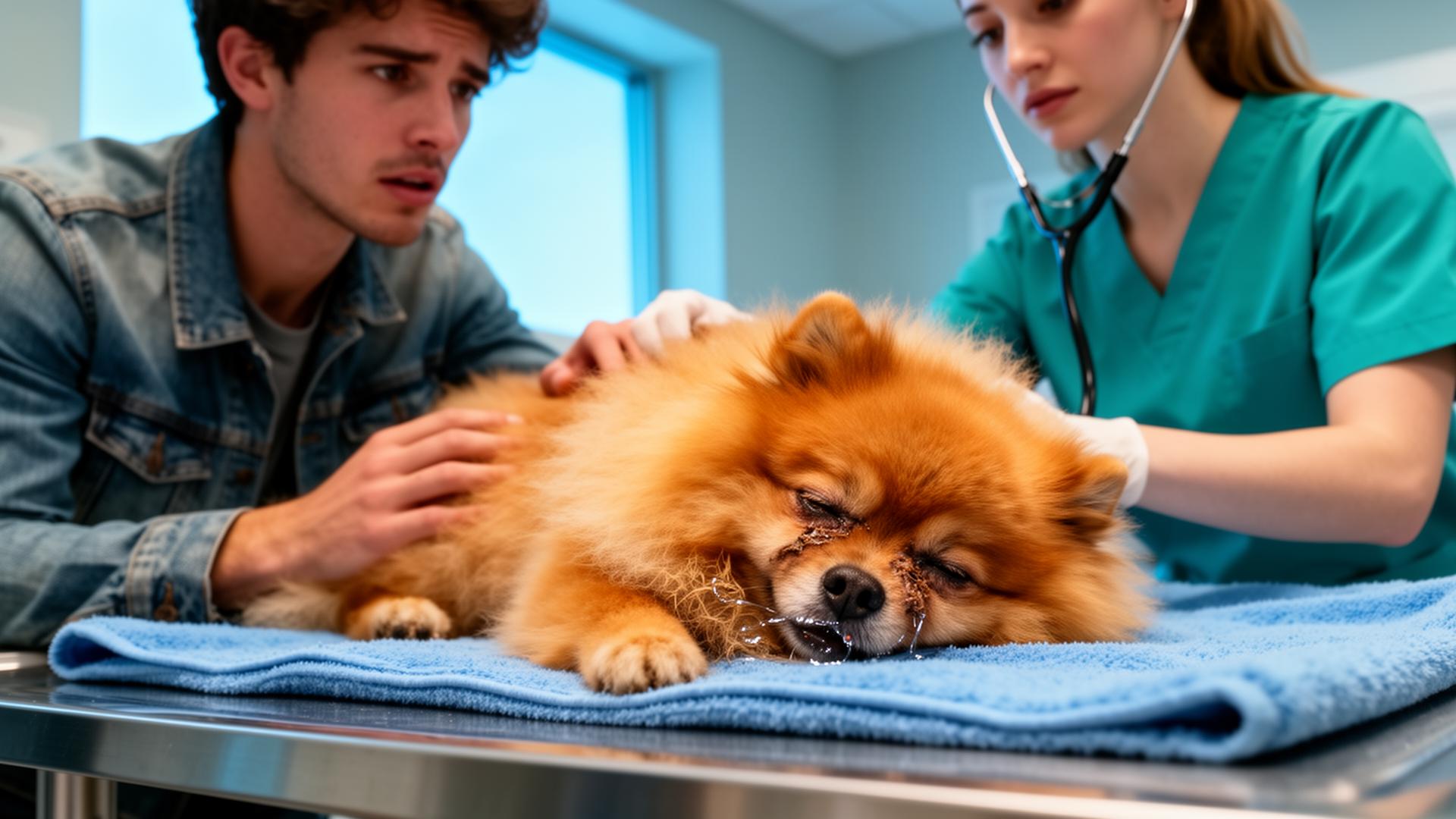
Symptoms in dogs — and the part owners miss
The FDA's symptom list for pets exposed to the recalled food:
- Vomiting
- Fever
- Lethargy
- Decreased appetite
- Diarrhea, including hemorrhagic (bloody) diarrhea
But here's the catch the agency made a point of emphasizing: asymptomatic infection is also common. An infected dog can look completely fine and still shed live Listeria, Salmonella, and Campylobacter in saliva and feces for days or weeks. That turns every face lick, every shared couch, and every backyard cleanup into a potential exposure for the humans in the household.
The highest-risk people — the ones who should not be cleaning the bowl or kissing the dog right now — are:
- Infants and young children
- Adults over 65
- Pregnant individuals
- Anyone immunocompromised (chemo, transplant, autoimmune meds)
If your dog ate any product in the recall window and lives with someone in those categories, call your physician and your vet, not just one.
The decontamination checklist most people skip
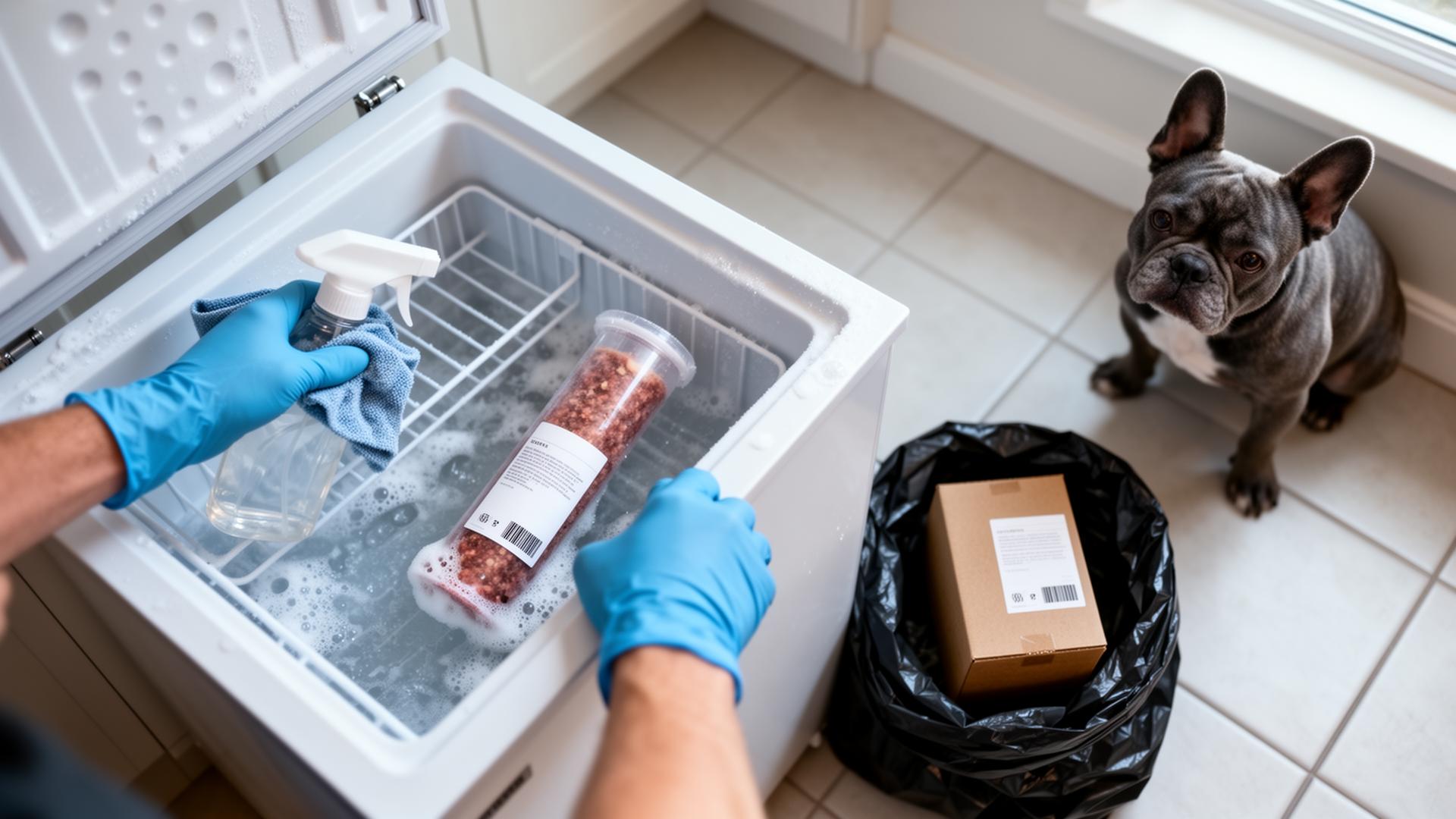
Tossing the food isn't enough. The FDA's deep-clean protocol covers every surface the product (or your dog's mouth) may have touched:
- Bowls and feeding mats
- Storage containers
- Refrigerator and freezer interiors (shelves, drawers, gaskets)
- Food prep surfaces and cutting boards
- The dog's bedding and any soft toys
- Floors near the feeding area
- Litter boxes if you have cats sharing the space
Use a disinfectant rated for Listeria and follow the contact-time on the label — most household sprays need a full 5–10 minutes of wet contact, not a quick wipe.
Dispose of the food itself in a sealed bag inside a secure container so wildlife, strays, or other pets can't reach it. Do not donate, do not pass it to a friend who has a "tougher dog," do not freeze it deeper. Throw it out.
The bigger raw-food question
Raaw Energy isn't an isolated incident. Worms & Germs Blog, run by veterinary infectious-disease researchers, has been documenting raw pet food recalls for years and described this episode as "largely expected" given the manufacturing constraints of the category. Raw meat at the human food-safety bar is hard. Raw meat produced by small co-packers, frozen, and sold direct-to-consumer in unmarked tubes is harder still.
That doesn't mean every raw feeder needs to switch tonight. It does mean three things:
- Know your manufacturer's pathogen-testing program — batch-level, third-party, with publicly posted results. Raaw Energy is buying a pathogen detection system now, after the recall. That's a tell.
- Treat raw the way you'd treat raw chicken for your kids' lunch. Dedicated cutting board, dedicated utensils, immediate hand wash, no countertop thaw.
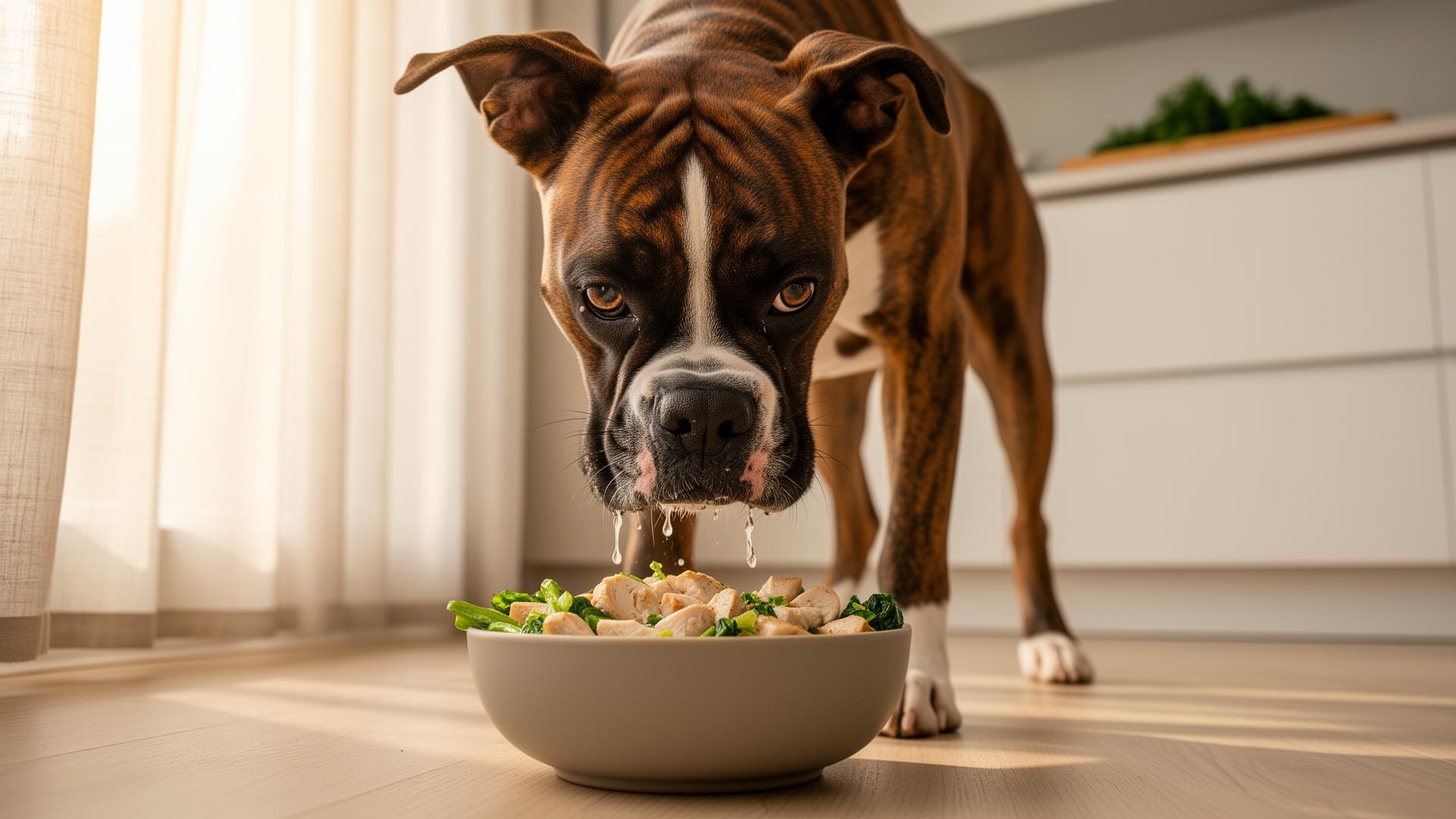
- Consider gently cooked alternatives if anyone in the household is in the high-risk groups above. The nutritional gap between raw and lightly cooked whole-food diets is smaller than the raw-feeding internet usually claims.
If you're rethinking your dog's diet because of this recall, it's also worth pairing the conversation with two other 2026 health stories we've covered. The NC State UACR urine test for early kidney disease is now considered the most sensitive early-warning marker we have for dietary kidney stress, and the LA dog daycare leptospirosis outbreak is a useful reminder that many of the worst canine zoonotic infections come from environments and foods owners assumed were safe.
For dogs whose anxiety or behavior has shifted in the weeks since switching food — sometimes the first clinical hint of low-grade GI illness — the 50 cm rule from the DSTU anxiety study gives you a quick at-home baseline check.
What to do tonight
- Open your freezer. If you see a Raaw Energy plastic tube with a manufacturing date between July 17, 2025 and December 23, 2025, or the code 3.31.26.1, stop feeding it immediately.
- Bag it, seal it, and trash it in an outdoor bin.
- Deep-clean the freezer, bowl, and feeding area with a Listeria-rated disinfectant.
- Watch your dog for 7–14 days for vomiting, diarrhea, lethargy, or appetite loss — and call your vet at the first sign.
- Report any pet illness to the FDA Safety Reporting Portal so the agency can track the outbreak's true footprint.
Raw feeding can be done responsibly. But this recall — 22 lots to 180+ in four months, with regulators publicly chiding the manufacturer — is a hard reminder that "all-natural" is not a synonym for "safe."
Frequently Asked Questions
Which Raaw Energy products are recalled?+
All Raaw Energy frozen dog food manufactured between July 17, 2025 and December 23, 2025, plus the Beef and Turkey Medley lot with date code 3.31.26.1. The company does not use conventional lot numbers, so the manufacturing date on the white sticker is the only identifier.
Is my dog at risk if they ate the food but seem fine?+
Possibly. The FDA confirms that dogs can become infected with Listeria, Salmonella, or Campylobacter from this product and shed live bacteria in saliva and feces without showing any clinical symptoms — so even an asymptomatic dog can expose people in the household.
Does freezing kill Listeria in raw dog food?+
No. Freezing pauses bacterial activity but does not kill Listeria, Salmonella, or Campylobacter. The pathogens reactivate as soon as the food thaws.
What symptoms should I watch for?+
Vomiting, fever, lethargy, decreased appetite, and diarrhea (including bloody diarrhea). Symptoms can take several days to appear. Call your veterinarian at the first sign and mention the Raaw Energy recall.
Is all raw dog food unsafe now?+
No, but the category has a higher baseline contamination risk than cooked diets. If you continue feeding raw, choose manufacturers with public batch-level pathogen testing, treat the food with the same hygiene you would raw chicken, and consider a gently-cooked alternative if anyone in your household is immunocompromised, pregnant, very young, or elderly.
Sources
Related Reading
Share this story
The PawPulse Newsroom is a small editorial team of dog owners, trainers, and pet-industry writers reporting on dog health, training, nutrition, and breed trends.
Medically reviewed by PawPulse Veterinary Review Board.
Pin this to your Healthy Happy Dogs board
Vet-vetted wellness, symptom guides, and senior dog care pins.
Liked this story?
Share it with someone who should read it.
More from Dog Health & Wellness

IVDD Revolution: How We Slashed Dachshund Back Pain by 74%!

Cavalier MVD Breakthrough: 3 Tools That Add Years to Their Lives
