Raw Meat Diet vs Kibble: What the 2026 BMC Obesity Study Really Found
A 2026 study of 104 healthy dogs found those fed a raw meat-based diet (RMBD) had significantly lower body condition scores than kibble-fed dogs—but their bowls were often low in copper, zinc, iodine, manganese, and vitamin D. Here is what owners should take from it.

If you have ever stood in the pet aisle wondering whether kibble is quietly making your dog fat—or whether raw feeding is really the upgrade its fans claim—a new 2026 study in BMC Veterinary Research just gave you the most detailed answer in years.
Researchers compared 104 healthy adult dogs: 51 fed an exclusive raw meat-based diet (RMBD) and 53 fed a commercial complete diet (CD, mostly kibble). They weighed the bowls, calculated every macro and micronutrient, scored each dog's body condition, and ran full blood panels. The headline: raw-fed dogs were leaner—but their rations were often quietly deficient in critical minerals and vitamins.
 Raw-fed dogs in the study had a median body condition score of 5/9—right in the ideal range.
The body condition gap was real
On the standard 9-point body condition score (BCS), kibble-fed dogs landed at a median of 6/9 (slightly overweight) while raw-fed dogs sat at 5/9 (ideal). The difference was statistically strong (P < 0.001) and not explained by age, sex, or breed mix.
Two things appear to be doing the work:
- Calorie coverage. RMBD bowls delivered about 89% of NRC daily energy needs; kibble bowls delivered 102%. Owners feeding raw were, on average, slightly under-feeding calories.
- More movement. 39% of raw-fed dogs did regular dog sports vs. 19% of kibble-fed dogs—mirroring the activity-and-cognition pattern we covered in the 2026 ELTE lifetime-sports study.
Owners of kibble-fed dogs also under-rated their dogs' body condition compared with the vet (median 5 vs. 6). In other words: many of us still don't recognize a chubby dog when we see one.
But the raw bowls were missing things
This is where the study gets uncomfortable for raw advocates. When researchers calculated every nutrient in the homemade RMBD rations against the National Research Council recommendations, they found systematic shortfalls:
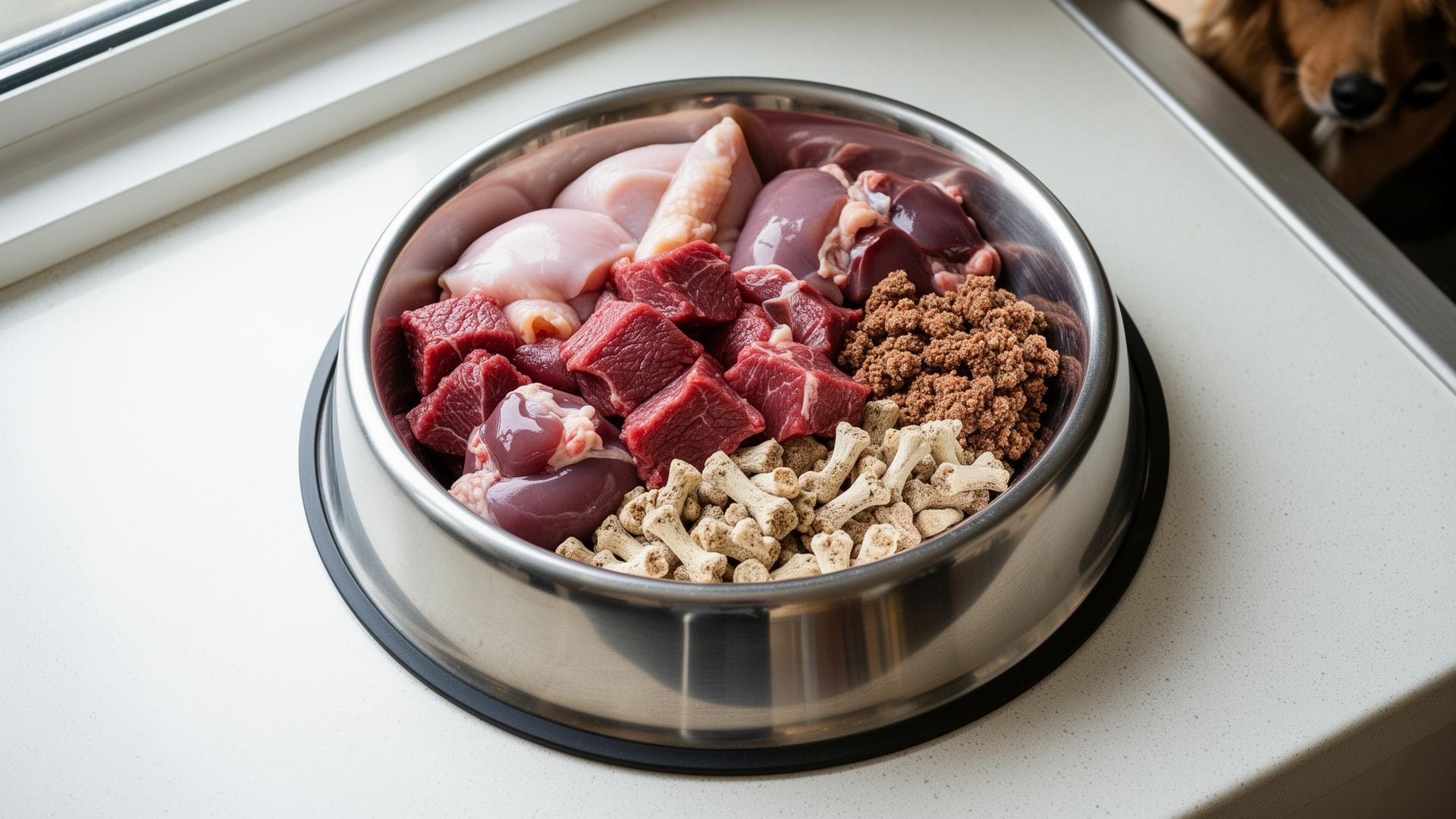 Most raw rations in the study were assembled by owners using free online calculators—not by a board-certified nutritionist.
- Copper: median 46% of NRC recommendation (kibble: 161%)
- Zinc: median 60% (kibble: 152%)
- Manganese: median 18%
- Iodine: median 13%
- Vitamin D: median 18% (kibble: 174%)
- Vitamin E: median 41% (kibble: 336%)
- Calcium:phosphorus ratio: 1.0 (NRC target: 1.4)
Blood serum values for copper, zinc and manganese stayed inside the reference range in every dog—so no animal was clinically deficient at the moment of testing—but iodine ran above the reference range in 12% of raw-fed dogs, suggesting some bowls were over-shooting too. The takeaway is not that raw feeding is dangerous, it's that most owner-built raw rations are nutritionally lopsided.
This dovetails with what we covered in the 2026 minimally-processed vs. kibble microbiome study: fresh, less-processed food can shift gut and metabolic markers in helpful directions, but only when the formula is balanced.
Why this matters more than another diet debate
Canine obesity is the most common nutritional disease in dogs, with prevalence now between 20–59% across western countries. As we covered in the 2026 GSA blood-biomarker study, body composition is one of the strongest levers we have on canine lifespan. A single BCS point of difference matters.
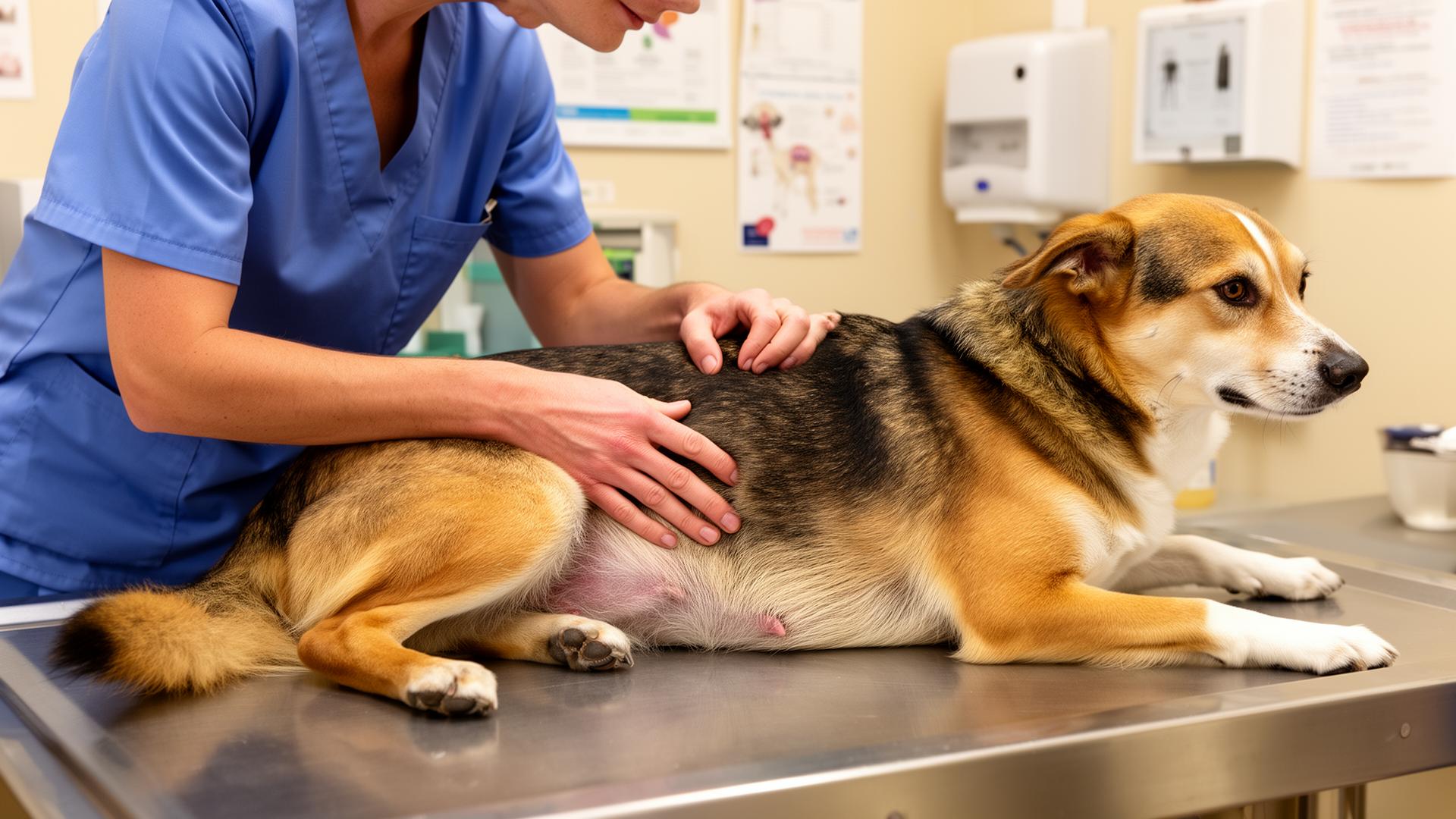 Ask your vet to walk you through a hands-on BCS check at every visit—owners systematically under-rate it.
The honest read of this study isn't "raw wins" or "kibble wins." It's that the method of feeding—portioning, ingredient balance, and matching calories to actual activity—matters more than the marketing on the bag. The leaner outcome in the raw group looks driven by calorie restriction and exercise, not by raw meat itself.
What to do with this if you feed your dog
- Get a real BCS. Ask your vet to score your dog at every visit. Owners chronically under-rate weight.
- If you feed kibble: measure portions with a gram scale, not a cup. Cut treats to under 10% of daily calories. Re-evaluate every 3 months.
- If you feed raw: stop using free online calculators as your only source. Get a custom plan from a board-certified veterinary nutritionist (ACVN or ECVCN), or use a complete commercial raw diet that meets AAFCO/FEDIAF profiles. Pay particular attention to copper, zinc, iodine, manganese and vitamin D supplementation.
- Move more. The raw group's leaner BCS tracked tightly with sport participation. Activity isn't a side dish—it's the main course. Start early; see our 3–16 week puppy socialization guide for building the foundation.
- Watch for related risks. Copper imbalance is also being scrutinized from the opposite direction in commercial food—see the 2026 JAVMA study on toxic copper in kibble.
The bottom line
Raw-fed dogs in this 2026 study were leaner than their kibble-fed counterparts—but the raw bowls were quietly missing copper, zinc, iodine, manganese, vitamin D and vitamin E in the majority of cases. The lesson is uncomfortable but useful: you can build either diet well, and you can build either diet badly. The dog at the end of the leash doesn't care which camp you're in—they care whether the math adds up.
Frequently Asked Questions
Does this study prove raw is better than kibble?+
No. It shows raw-fed dogs in the sample were leaner, but the leanness tracked with calorie restriction and exercise—not raw meat itself. Most raw bowls were nutritionally incomplete.
Were any dogs actually deficient on blood tests?+
Serum copper, zinc and manganese stayed in the normal range in every dog. But long-term shortfalls in dietary intake can drain stores over time, especially in growing puppies and pregnant bitches.
What is a body condition score (BCS)?+
A 9-point scale vets use to rate fat cover. 4–5 is ideal, 6–7 is overweight, 8–9 is obese. You should easily feel ribs without seeing them, and see a waist from above.
Is it possible to feed a balanced raw diet?+
Yes—either through a commercial complete raw product that meets AAFCO/FEDIAF profiles, or through a custom plan from a board-certified veterinary nutritionist. Free online calculators are not enough.
What about Salmonella and bacterial risk?+
This study did not test microbial safety. Other research has shown raw diets carry higher pathogen loads, which is a separate decision factor—especially in households with infants, immunocompromised people, or elderly residents.
Sources
Related Reading
Share this story
Pin this to your Healthy Happy Dogs board
Vet-vetted wellness, symptom guides, and senior dog care pins.
Liked this story?
Share it with someone who should read it.
More from Dog Health & Wellness

Doggy Dementia Breakthrough: New At-Home Test Catches CCD Early!

H5N1 Bird Flu: What Dog Owners *Must* Know Now
