Equine Placental Extract for Senior Dogs: What the 2026 BMC Vet Study Found
A new 2026 single-arm pre–post study suggests 28 days of equine placental extract may improve clinical ageing scores, vitality and appetite in dogs over 11 — but the design has real limits owners should understand.

Senior dog owners are constantly bombarded with new "anti-ageing" supplements. The latest one making rounds in 2026 is equine placental extract (eqPE) — a liquid concentrate already used in some Asian veterinary clinics for cognitive dysfunction and skin issues. A new study published 15 April 2026 in BMC Veterinary Research is the first prospective trial to look at it across general ageing markers in geriatric dogs.
So does it actually work? Here is what the data really says — and what it does not.
 Dogs over 11 are now the fastest-growing demographic in many vet clinics — and the target market for ageing supplements.
What the 2026 study actually did
Researchers enrolled 20 client-owned dogs older than 11 years in a single-arm, pre–post design. Each dog received daily oral equine placental extract for 28 days. The team measured:
- A clinical ageing-level assessment score (lower = healthier)
- Owner-rated vitality and appetite on a 10-point visual analogue scale
- Bloodwork (haematology + biochemistry) and safety
The results owners care about
Across 28 days the median ageing-level score dropped from 24.0 → 18.0. Owner-rated vitality climbed from 5.0 → 7.5 and appetite from 5.3 → 8.4. Body weight, temperature and bloodwork stayed essentially unchanged, and no adverse event was attributed to the supplement.
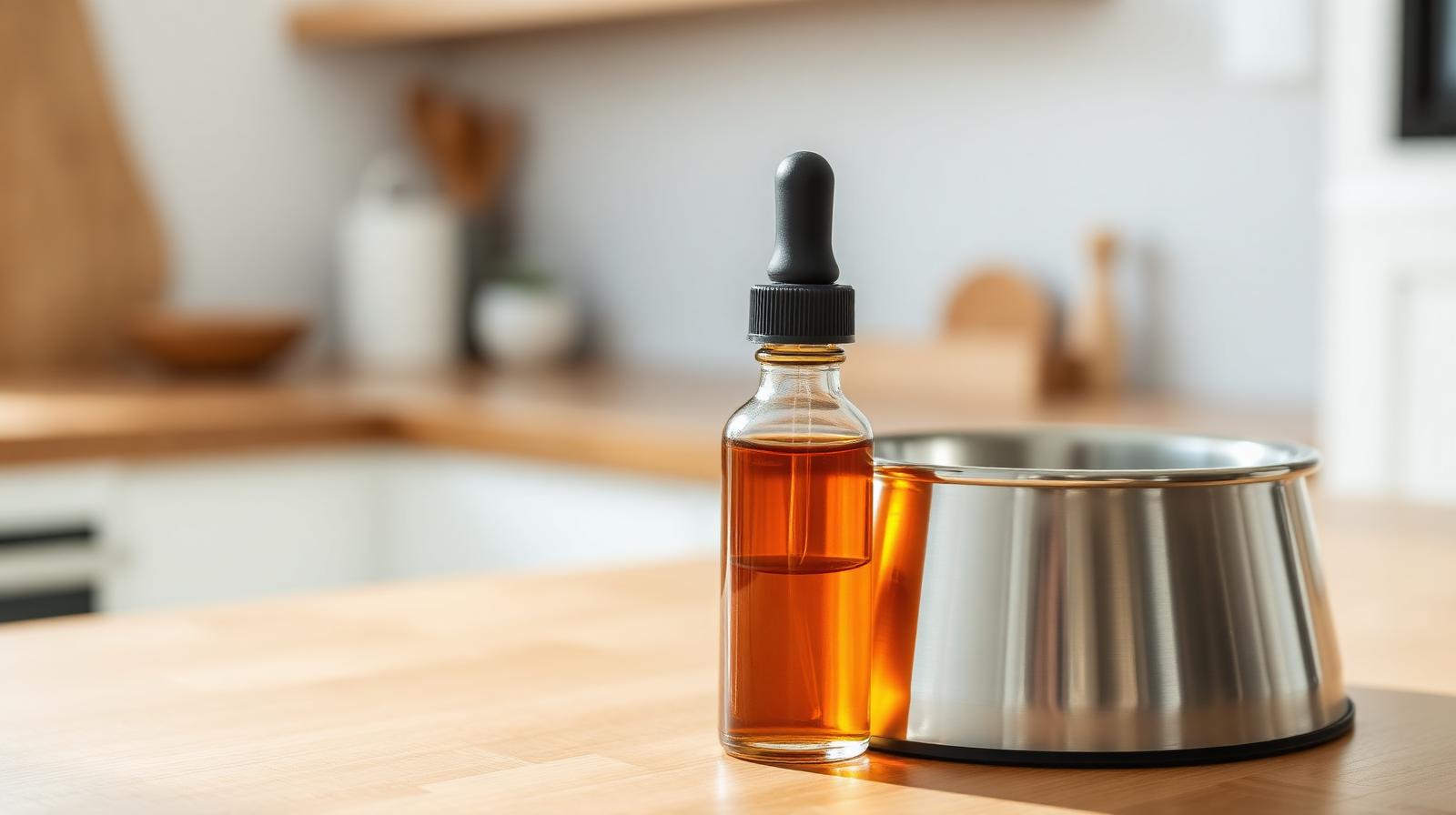 Equine placental extract is sold as a daily oral liquid. The 2026 trial used a 28-day course.
Why the results may not mean what they look like
This is a single-arm study — there was no placebo group. Owners knew their dog was on the supplement, which makes the appetite and vitality scores especially vulnerable to expectation bias. The authors themselves call the findings "preliminary and hypothesis-generating" and explicitly say they do not establish efficacy.
That matters. We have seen the same pattern in other 2026 trials — for example, the bedinvetmab vs. grapiprant force-plate study only became persuasive once it added an objective outcome (ground reaction force) on top of owner ratings. Equine placental extract has not crossed that bar yet.
How it fits with everything else we know about ageing dogs
2026 has been a busy year for canine geroscience. Three findings worth keeping in mind alongside this one:
- Lifetime exercise predicts cognitive trajectory more reliably than any pill — see the ELTE lifetime-sports study.
- Body size keeps shaping how the brain ages: large breeds show an IGF-1 cognitive lag compared with small breeds.
- Routine blood markers (albumin, globulin, RDW) predict mortality in dogs the same way they do in humans.
None of those need a supplement. They need a vet who actually looks at trends in your dog's annual bloodwork.
 Daily structured walks remain the best-evidenced "anti-ageing" intervention for geriatric dogs.
Should you give it to your senior dog?
If your dog is over 11 and has flat appetite, low energy or early behavioural changes, equine placental extract is plausibly safe based on this trial — but plausibly safe is not the same as proven effective. A few practical rules:
- Do not stop or replace prescribed medication (NSAIDs, monoclonal antibodies, cardiac drugs) with it.
- Ask your vet to recheck CBC and biochemistry before and after a 28-day trial — exactly as the study did.
- Treat owner-reported "more energy" with caution. Pair it with an objective measure: step count, time spent playing, or willingness to climb stairs.
- Be especially careful with dogs that already have disc disease or mobility issues — vitality can mask injury.
Bottom line
The 2026 BMC Vet Research trial is an honest, transparent first step. It does not justify the marketing language some sellers will inevitably wrap around it. Until a placebo-controlled study replicates the appetite and vitality gains, equine placental extract belongs in the "interesting, watch this space" bucket — not the "must-buy" bucket.
Frequently Asked Questions
What is equine placental extract?+
A liquid extract from horse placenta containing peptides, amino acids and growth factors. It is given orally and is marketed for anti-inflammatory and antioxidant effects.
How long was the 2026 study?+
Twenty geriatric dogs (older than 11) received daily oral equine placental extract for 28 days, with measurements at Day 0, Day 14 and Day 28.
Were there side effects?+
Two adverse events were recorded — one episode of haematuria that started before the supplement, and one death suspected to be from rodenticide ingestion. Neither was judged related to the product.
Does this mean the supplement works?+
Not yet. Without a placebo group, owner-rated vitality and appetite improvements may reflect expectation bias. The authors explicitly say their study does not establish efficacy.
Should I ask my vet about it?+
Yes — especially if your senior dog has low appetite or energy. But pair any trial with objective measures (bloodwork, step count) and never replace prescribed medications with it.
Sources
Related Reading
Share this story
Pin this to your Healthy Happy Dogs board
Vet-vetted wellness, symptom guides, and senior dog care pins.
Liked this story?
Share it with someone who should read it.
More from Dog Health & Wellness

Doggy Dementia Breakthrough: New At-Home Test Catches CCD Early!

H5N1 Bird Flu: What Dog Owners *Must* Know Now
