Can Dogs and Cats Actually Digest Vegan Food? The 2026 Animals Review
A new 2026 review pooled 31 digestibility studies and found plant-based pet diets are absorbed nearly as well as meat — with apparent total tract digestibility above 80% across the board.

Plant-based pet food used to be a fringe idea. In 2026, it is a $27 billion global market — and the science is finally catching up. A new review just published in Animals pooled 31 digestibility studies on vegan and vegetarian (“veg*n”) diets for dogs and cats, and the headline is simple: your dog or cat can digest a well-formulated plant-based diet about as well as a conventional meat-based one.
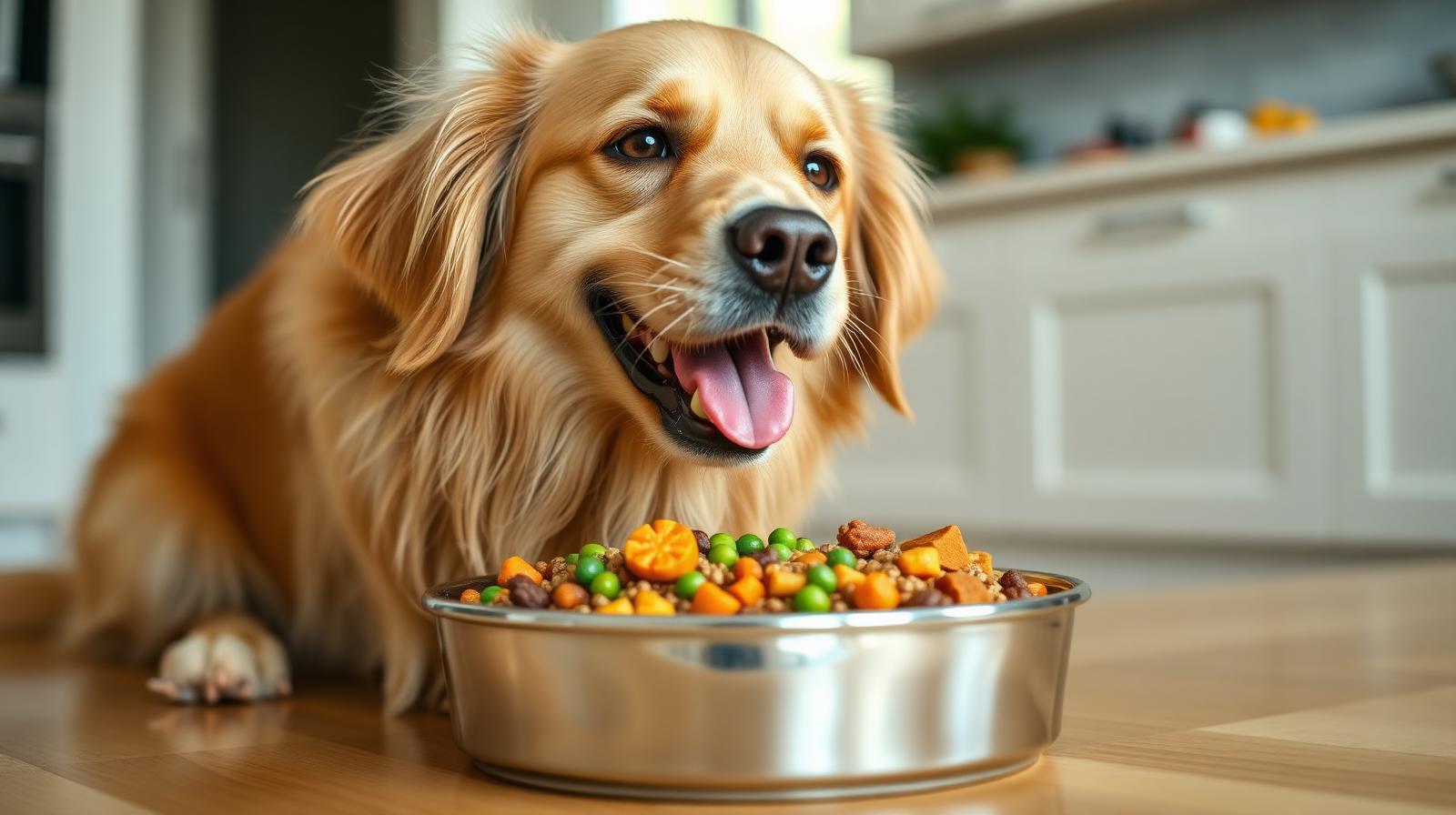 Modern vegan dog foods built around legumes, pulses and grains show digestibility values that rival meat-based kibble.
What the new study actually did
The review, authored by veterinary scientist Andrew Knight at Murdoch University and colleagues, was published on 9 May 2026 in Animals (16(10):1454). It systematically searched Web of Science and Scopus for every peer-reviewed study that measured how well dogs or cats digest vegan or vegetarian diets — or the individual plant ingredients used in them.
After screening, 31 studies made the cut: 22 in dogs, 2 in cats, and 7 covering both. The studies spanned a huge range of designs — apparent total tract digestibility (ATTD) feeding trials, ileal cannulation work, and in vitro models — and tested ingredients from soy and pea protein to chickpea, lentil, brown rice and even microbial proteins like FeedKind, made from the bacterium Methylococcus capsulatus.
The headline numbers
Across the five studies that measured ATTD of complete vegan diets, results clustered tightly above industry benchmarks for premium pet food:
- Dry matter digestibility: > 80%
- Organic matter: > 85%
- Crude protein: > 80%
- Fat: > 89%
- Nitrogen-free extract (carbohydrate): > 88%
- Energy: > 86%
For context, regulators and most pet-food formulators consider ≥80% ATTD the marker of a high-quality complete diet. Vegan formulations cleared that bar across every macronutrient measured.
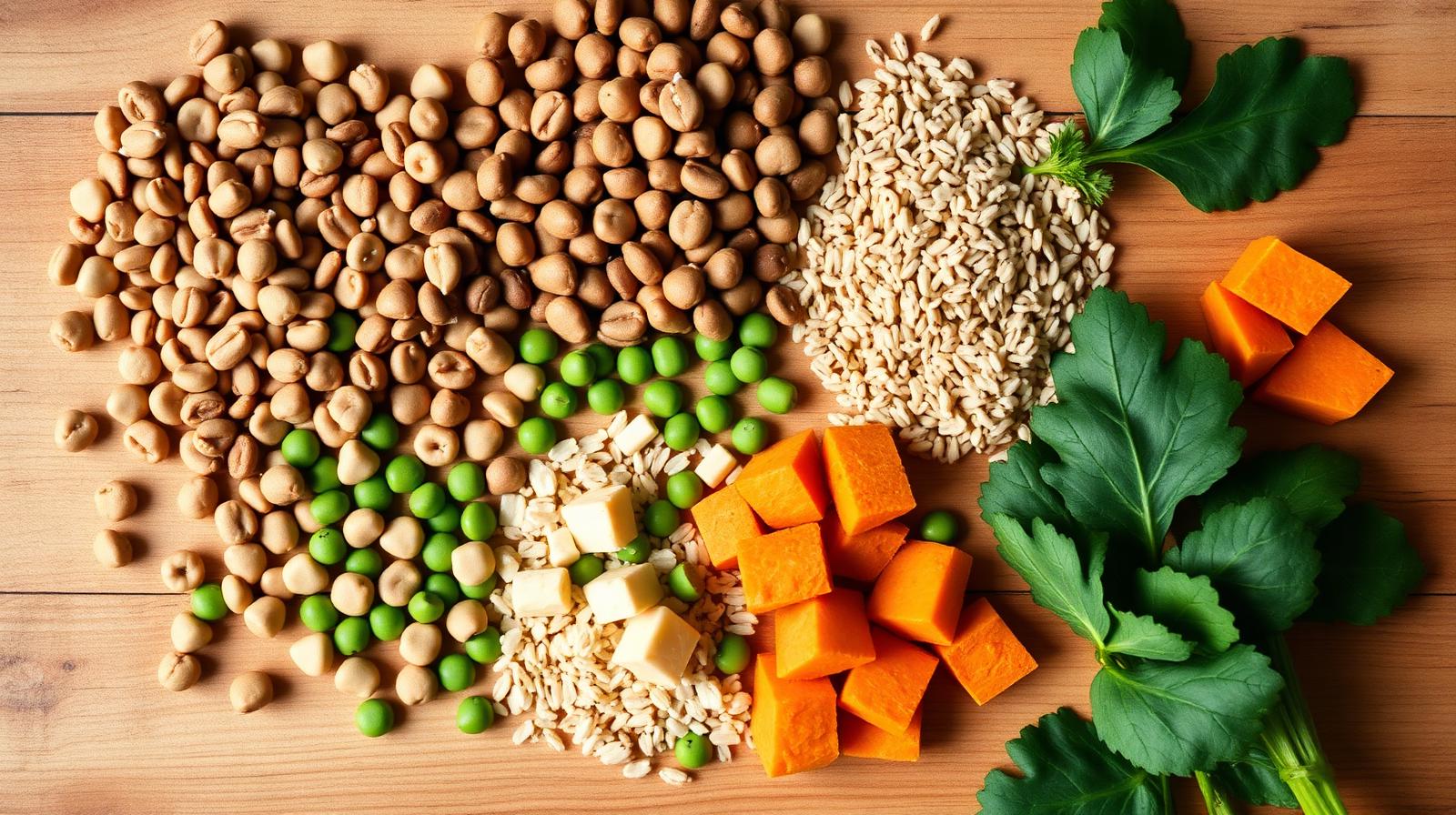 The most-studied plant proteins — soy, pea, chickpea, lentil and grain blends — were all well absorbed in dogs.
Why the “short carnivore gut” argument is weaker than it sounds
The longstanding objection to vegan pet food is anatomical: dogs descended from carnivores and cats are obligate carnivores, so their relatively short intestines should struggle with plant antinutrients — phytates, trypsin inhibitors, oligosaccharides, fibre that binds bile acids. Knight's review confirms those compounds can reduce the digestibility of specific nutrients in raw plant ingredients. But modern processing (extrusion, dehulling, fermentation, enzyme treatment) largely defuses them, and finished veg*n diets behaved well in real animals.
This fits with what we already know about how processing reshapes the canine gut microbiome, and stands in contrast to the metabolic problems flagged in the recent 2026 BMC raw-meat obesity study.
What about cats?
Only nine of the 31 studies included cats, and the authors are appropriately cautious. Cats have higher requirements for taurine, arachidonic acid, vitamin A and certain B vitamins that plants don't naturally supply — so a vegan cat food has to be supplemented to be safe. Within that constraint, the digestibility data so far suggests cats handle well-formulated plant proteins better than the “obligate carnivore” narrative implies. But the evidence base is still thin, and the review explicitly calls for more feline trials before strong conclusions.
Health outcomes line up with the digestibility data
Digestibility is only useful if it translates to health. Knight's team summarises 12 separate analyses of dog health on veg*n diets published by early 2026 — 11 of them supported the diets, with comparable or better outcomes than meat-based controls. A UK nutritional analysis of 31 commercial dry dog foods found plant-based products matched their meat-based equivalents on most macro- and micronutrients, with iodine and B vitamins being the easy-to-supplement exceptions.
That broadly mirrors what we've covered in our pieces on blood biomarkers that predict canine lifespan and the IGF-1 study on large-breed cognitive aging — diet quality, not diet ideology, is what moves the long-term health needle.
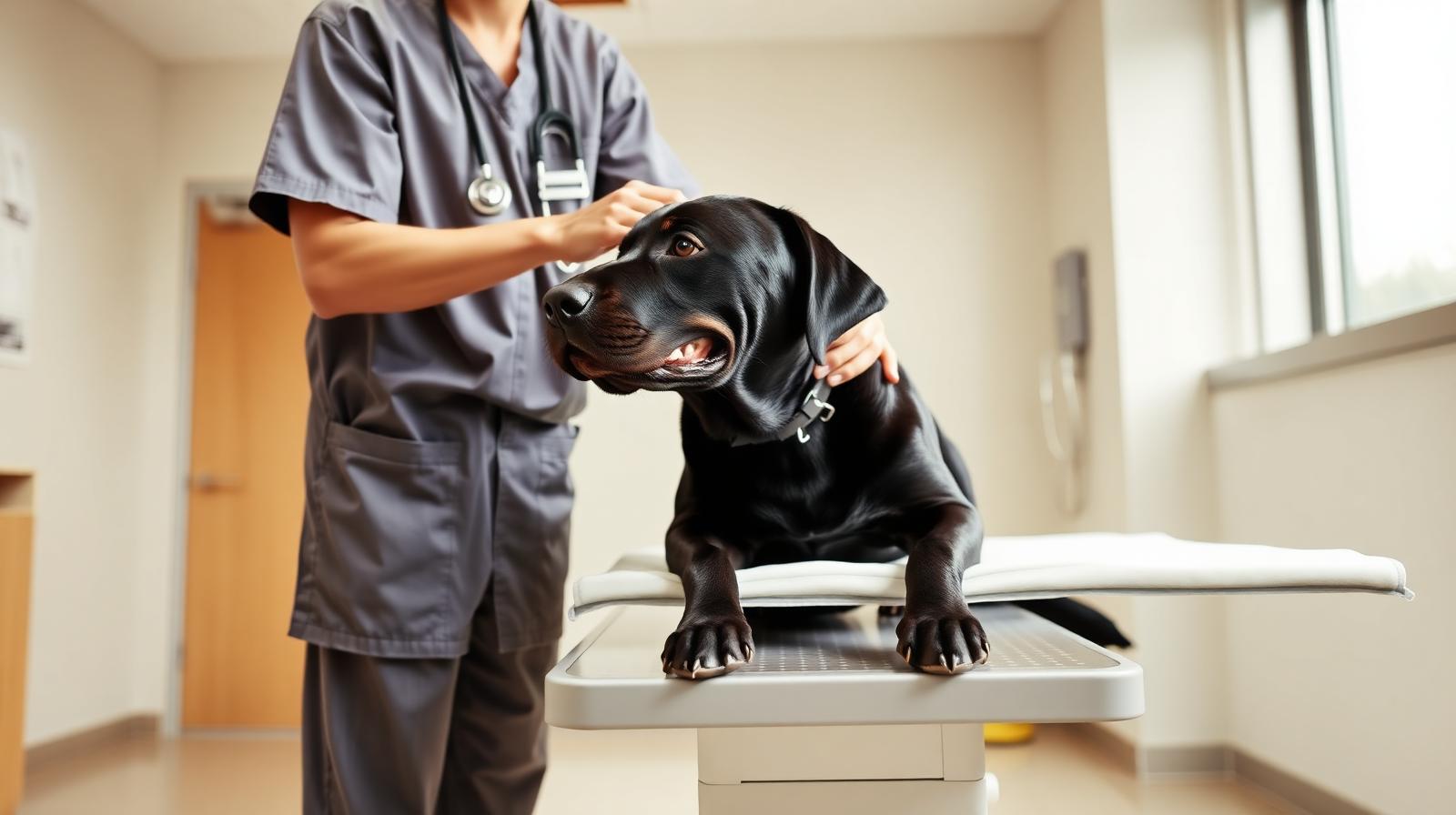 Vets still recommend a baseline blood panel when transitioning a pet to a vegan or vegetarian diet — especially cats.
What this means for owners considering plant-based pet food
- Choose complete-and-balanced products that meet AAFCO or FEDIAF standards. The digestibility numbers above came from properly formulated diets, not homemade vegan recipes.
- Look for soy, pea, lentil, chickpea, or microbial protein as the main protein source. These are the ingredients with the strongest digestibility data in the review.
- Don't make cats vegan without veterinary supervision. Supplementation of taurine, vitamin A, arachidonic acid and B vitamins is non-negotiable.
- Transition gradually over 7–14 days to let the gut microbiome adapt — the same advice we give in our healthy aging routine.
- Recheck bloods at 6 months, especially for puppies, seniors, and any dog with a history of copper-related liver issues.
The bigger picture
The vegan pet food market grew from $10 billion in 2020 to $27 billion in 2024 and is projected to hit $57 billion by 2034 — roughly six times the growth rate of the conventional pet food market. With six billion land animals consumed annually just to feed pet dogs (and roughly a billion more for cats), the environmental case is enormous: previous modeling suggests transitioning all companion dogs to nutritionally sound vegan diets could cut greenhouse gas emissions by more than the entire UK's annual output.
The 2026 review doesn't claim plant-based food is the only ethical choice. What it does is remove the last big scientific objection: “dogs and cats can't digest plants” is no longer supported by the data.
Frequently Asked Questions
Can dogs really digest plant protein as well as meat?+
According to the 2026 review of 31 studies, yes — apparent total tract digestibility of crude protein in vegan dog diets exceeded 80%, comparable to most premium meat-based kibbles.
Is vegan food safe for cats?+
It can be, but only when commercially formulated to meet feline-specific requirements. Cats need supplemented taurine, vitamin A, arachidonic acid and certain B vitamins that plants do not naturally supply.
What plant proteins are best for dogs?+
The strongest digestibility data exist for soy, pea, lentil and chickpea proteins, plus newer microbial proteins like FeedKind.
Should I make homemade vegan dog food?+
Generally no. The digestibility figures in the review came from properly formulated commercial diets. Homemade recipes risk amino-acid, mineral and vitamin imbalances unless designed by a board-certified veterinary nutritionist.
How long does it take a dog to adjust to plant-based food?+
Most dogs adapt within 7–14 days when transitioned gradually. Recheck bloodwork at six months to confirm normal protein, B12 and iron status.
Sources
Related Reading
Share this story
Pin this to your Healthy Happy Dogs board
Vet-vetted wellness, symptom guides, and senior dog care pins.
Liked this story?
Share it with someone who should read it.
More from Dog Health & Wellness

Doggy Dementia Breakthrough: New At-Home Test Catches CCD Early!

H5N1 Bird Flu: What Dog Owners *Must* Know Now
